Still life.
What constitutes a still life?

What is your attitude to still life photography? Have you ever considered it, Is it something you practice yourself ? Do you admire the work of people who can work in still life, or does it leave you cold? Have you considered what is still life and what isn't?
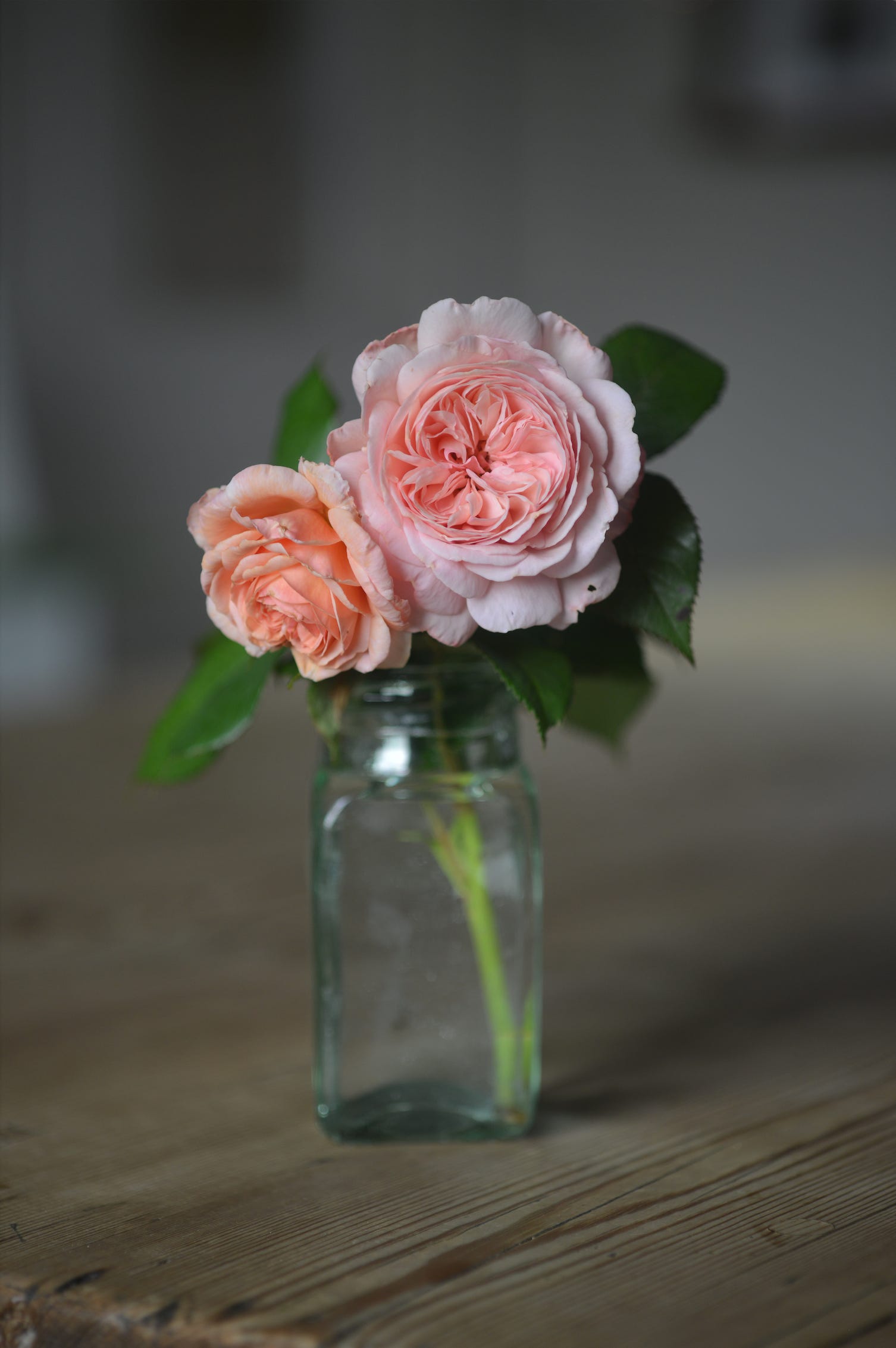
What is still life?
This is not a simple question, the boundaries can be a little bit blurry. I believe it is a very interesting area to work in and it is certainly an area that provides images when weather conditions mean that landscape photography is difficult or impossible.
It is also good fun because you can set up a scene, photograph something, process the film, and if the negative doesn't turn out correctly, you can reshoot the scene, assuming you have left everything still in its original place. So this allows for progress, an improvement, and working towards a better picture.
The subject matter can be many, many different things, but should ideally be something or things that mean something to you. (A lot of ‘things’ in that sentence).
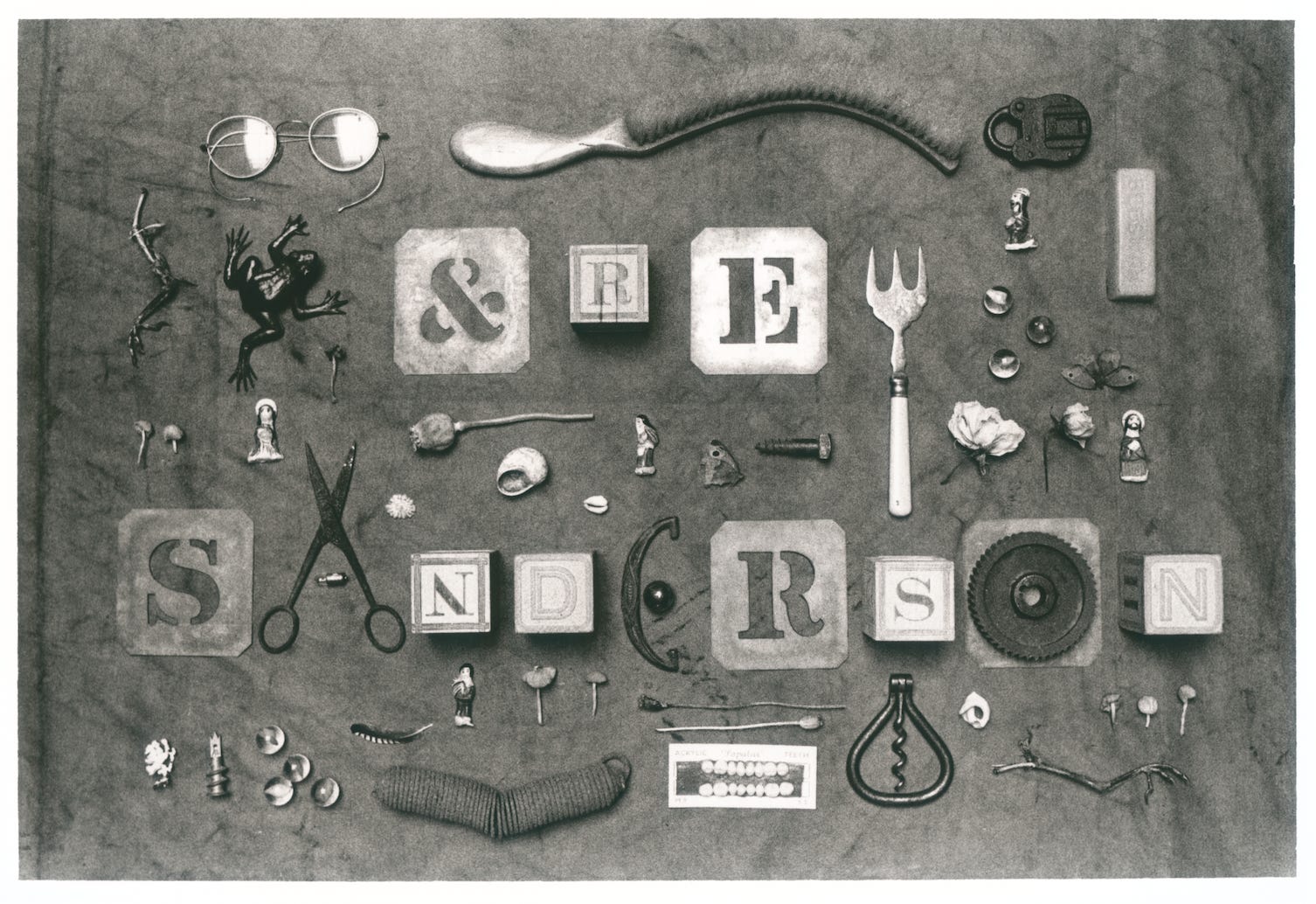
Still life to some people means just plonking an ornament on a background and doing a picture, but it can mean very different things. It can be a simple flower study, it can be a found object, it can be an arrangement of objects. In fact, it often works best if it is an arrangement rather than just one item in isolation.
Photographing one thing on its own can often look like a record shot or a catalogue picture, rather than a creative piece of work that is designed to have some sort of artistic merit. So once you get beyond photographing one thing on its own and you have a few, you then come into difficulties of how you arrange a number of things. How many objects look ok, and how many look a mess?
The number of objects in the composition .
Often I find that a simple arrangement works better than the busy or complicated arrangement, so I try to keep my numbers down. Is there a magic number? I usually like to keep to less than seven and usually around about three, if possible, but this is not set in stone, sometimes a larger number just seems to work.
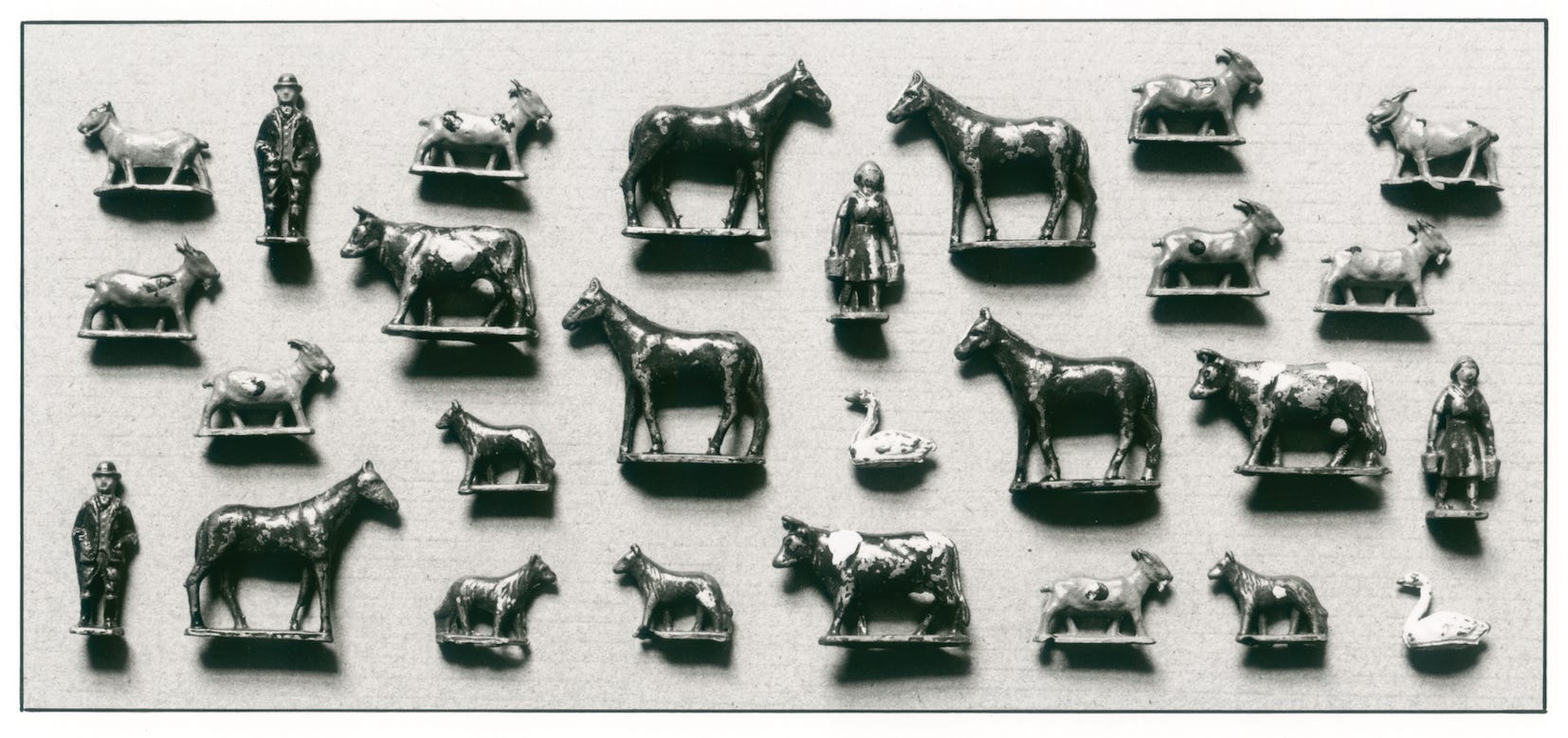
Three is a good number in many instances, but obviously there are exceptions to that. Sometimes you can have an awful lot of things in the frame, (see above) and the eye can travel round and spend some time looking at everything, like in a flat lay. That sort of thing is currently fashionable on Instagram, but a traditional still life depends on the choice of object, the composition, lighting, and all of these things can play a part in the success or the failure or the image. I remember when I used to teach adult education, we did still life as one of the topics a few times. Usually people would just bring some very ordinary ornament from home, stick it on a plain background and take a picture of it and say, "Well, that's still life isn’t it?. Well, technically, yes, it is still life , but as far as picture making goes, it was a very, very dull subject and of interest to nobody.
There have been some very interesting still life images made by the big names in photographic history, the first that comes to mind is Peppers by Edward Weston. Irving Penn did some very good work, as did Frederick Sommer, Wright Morris, Baron Adolf De Meyer, Man Ray, Olivia Parker and many others. One photographer whose work I really admire, and who is never mentioned is Walter Peterhans. He was a German photographer best known as a teacher and course leader of photography at the Bauhaus from 1929 until 1933.
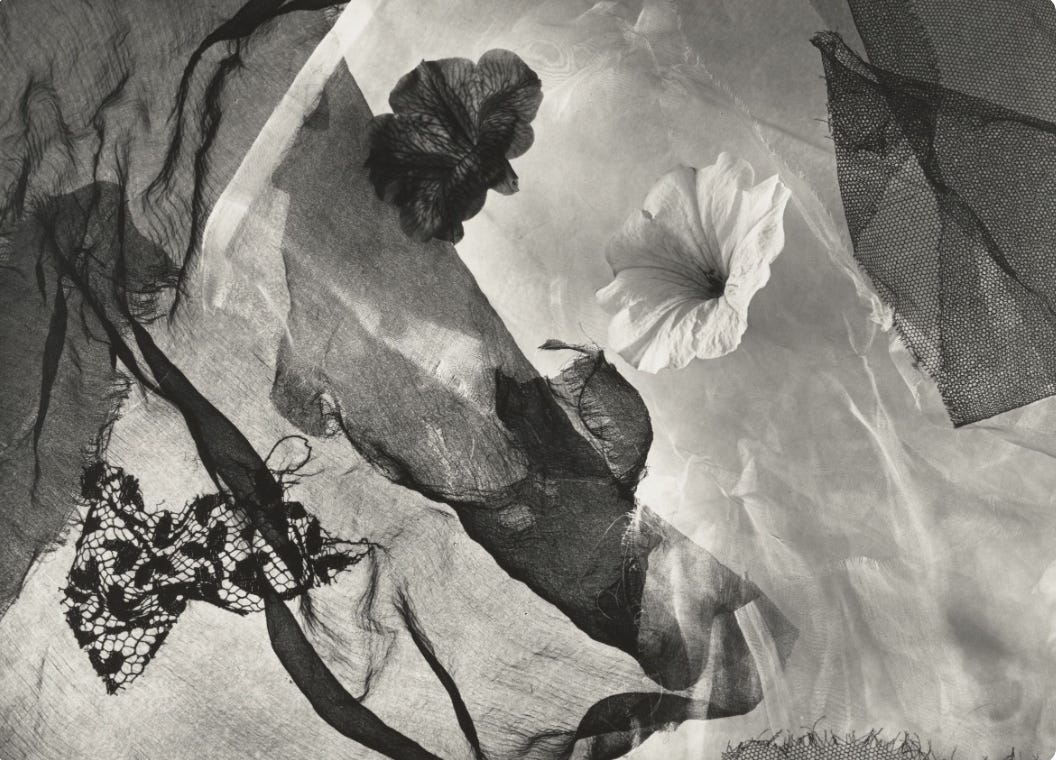
Of course, still life has been the subject of paintings for centuries, though I don’t see much deviation from bottles, jugs, fruit and flowers. I think the most imaginative stuff has been produced since photography came along.
What sort of things can be still life?
Well pretty much anything I think. I’ve done images of shells, shredded cardboard, feathers, marbles, bent wire, flowers, seed heads, and many other things. I won’t photograph plain, modern, boring objects, though someone else might make them look special. It depends a lot on how interested you are in the objects themselves.
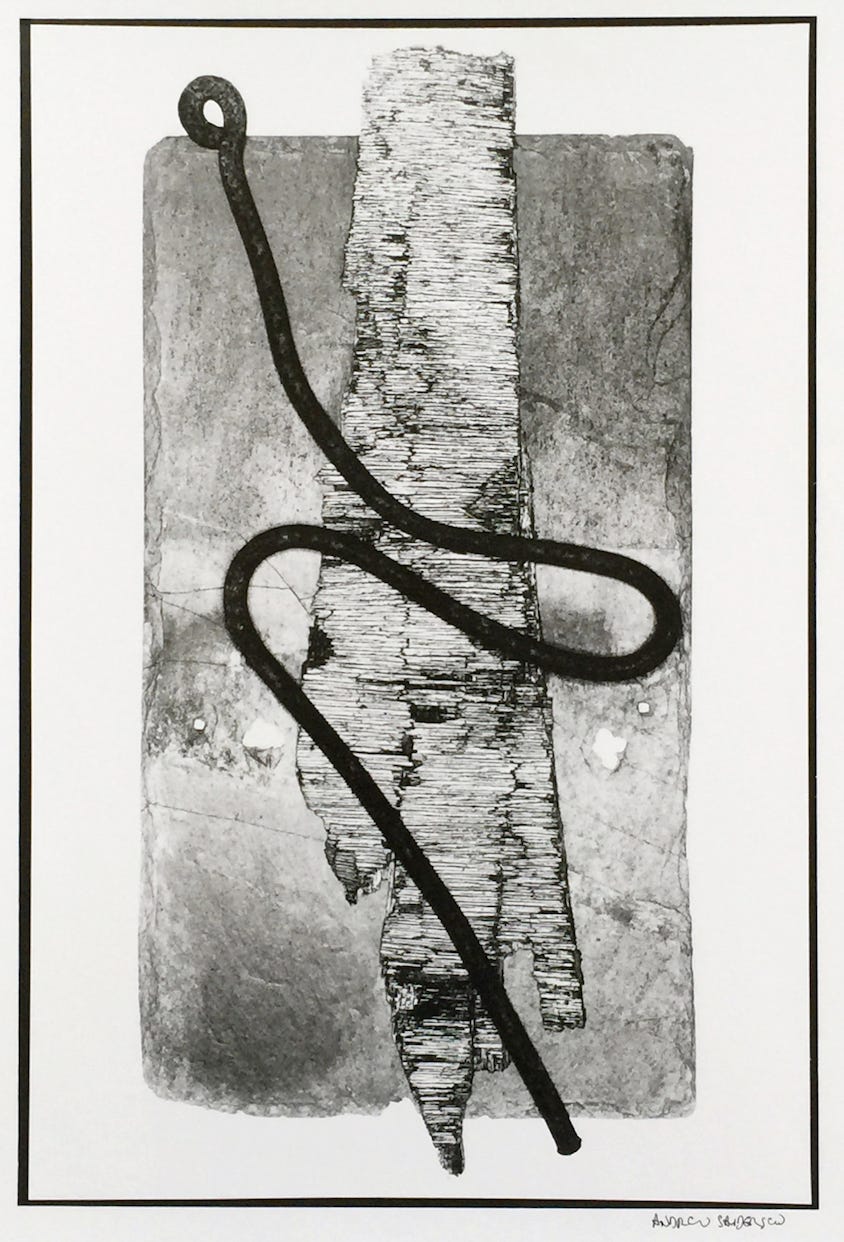
I can’t remember how far back my interest in still life goes, I suppose it would be just flowers in a vase or jug at first. I have always been a bit of a jackdaw though, picking up objects that I notice and taking them home, these things had something about them and it seemed important to preserve them. Naturally they began to be the subject of my pictures when I was stuck indoors and I found the task of arranging them a fascinating challenge.
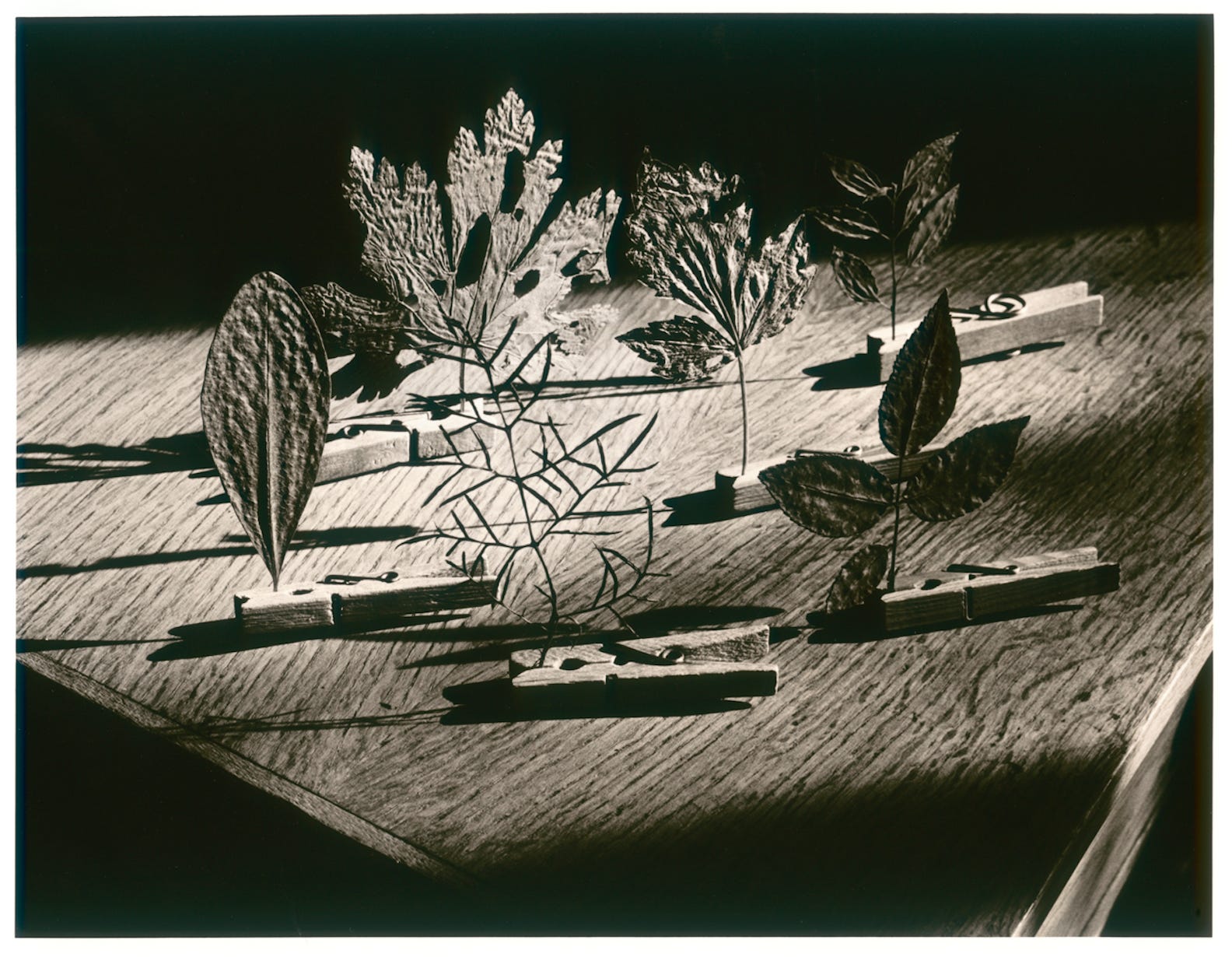
The background.
One thing that can make or break a still life is a distracting background. Sometimes the object becomes so fascinating that it is easy to not notice distracting shapes beyond. Using a shallow area of focus helps, but I have short lengths of fabric, sugar paper and card at home for those occasions when there is too much behind.
If you are controlling the light you can drop the back of the scene into shadow quite easily.
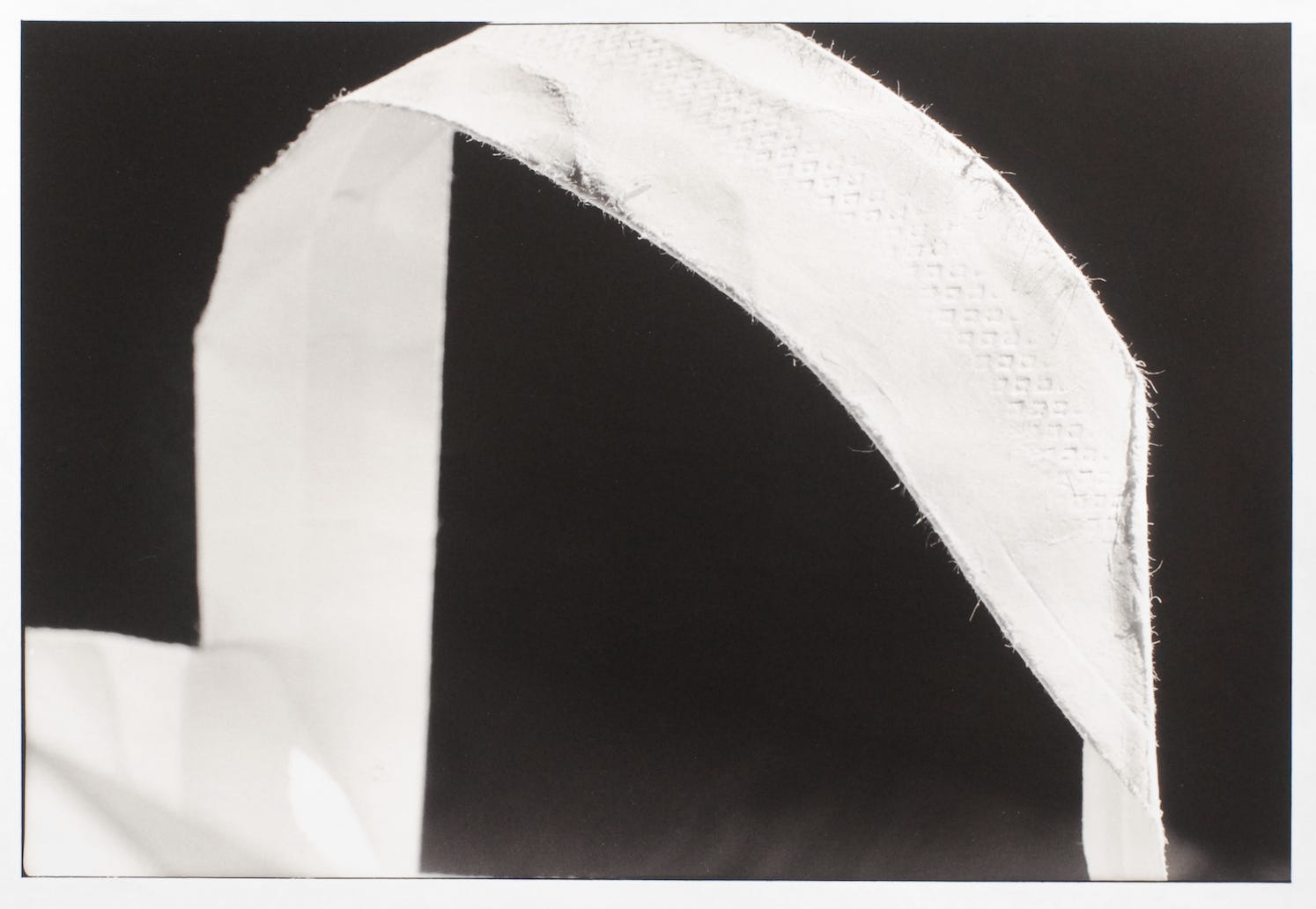
A lot of my still life shots have been done in the evenings because I haven’t had a tv for thirty years and it was an interesting way to spend the time. I would look around for ornaments or collected objects and put them together to see how they worked.
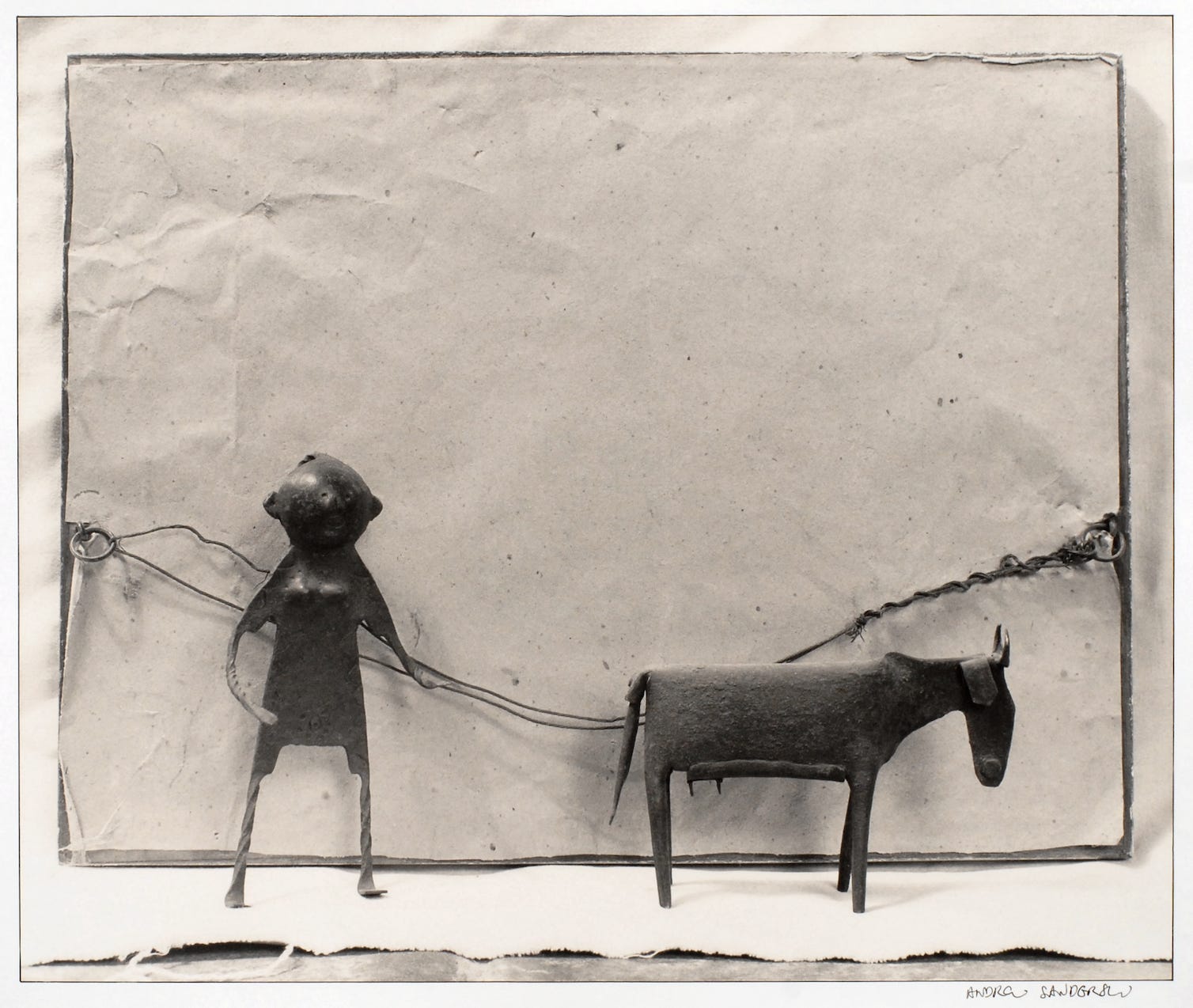
In ‘Imaginary landscape’ above, I used the back of a picture frame to suggest the curve of distant hills and placed everything on a small bit of canvas.
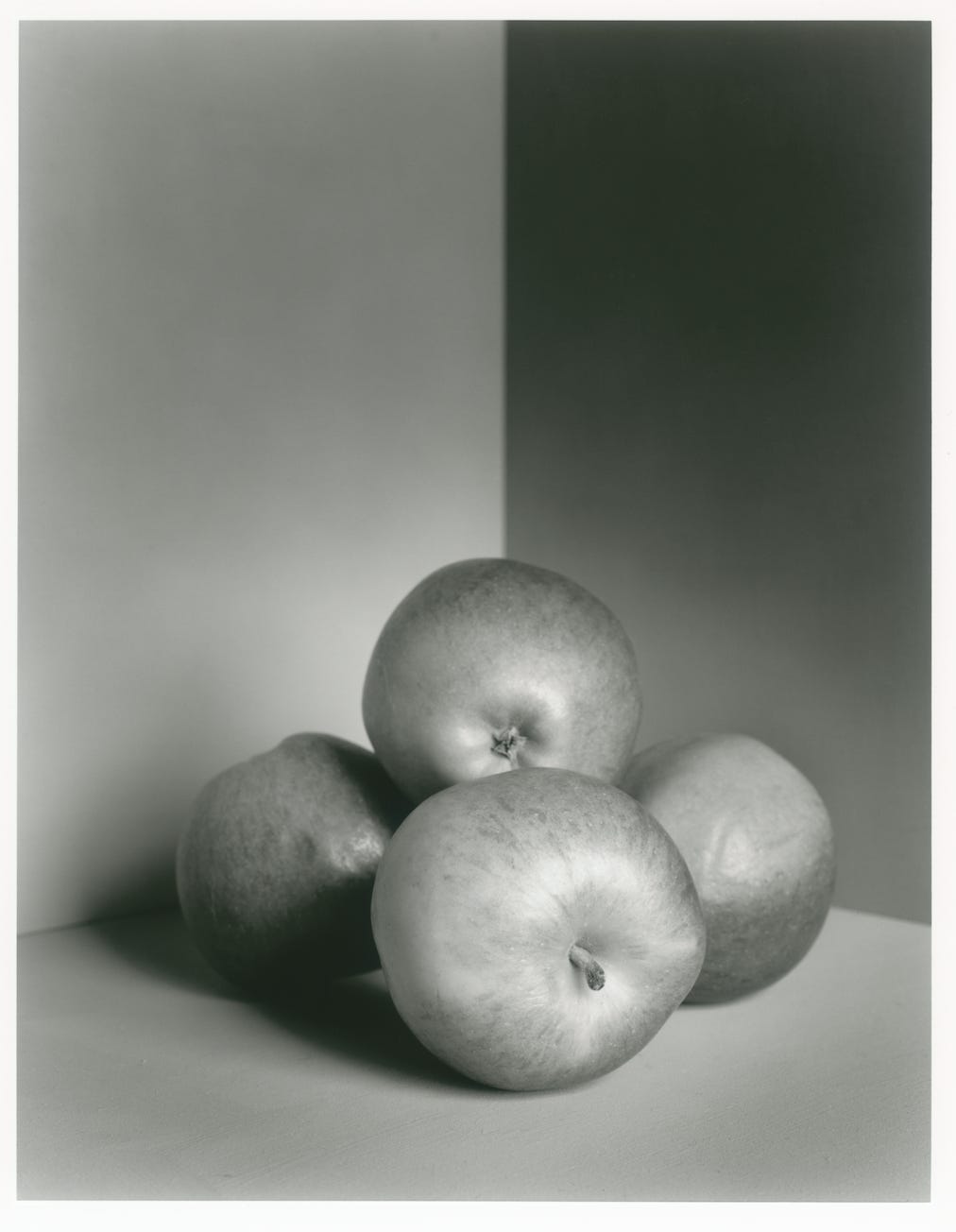
The background for the shot of apples was simply three cut panels of MDF board pushed together and held in place with tape on the back.
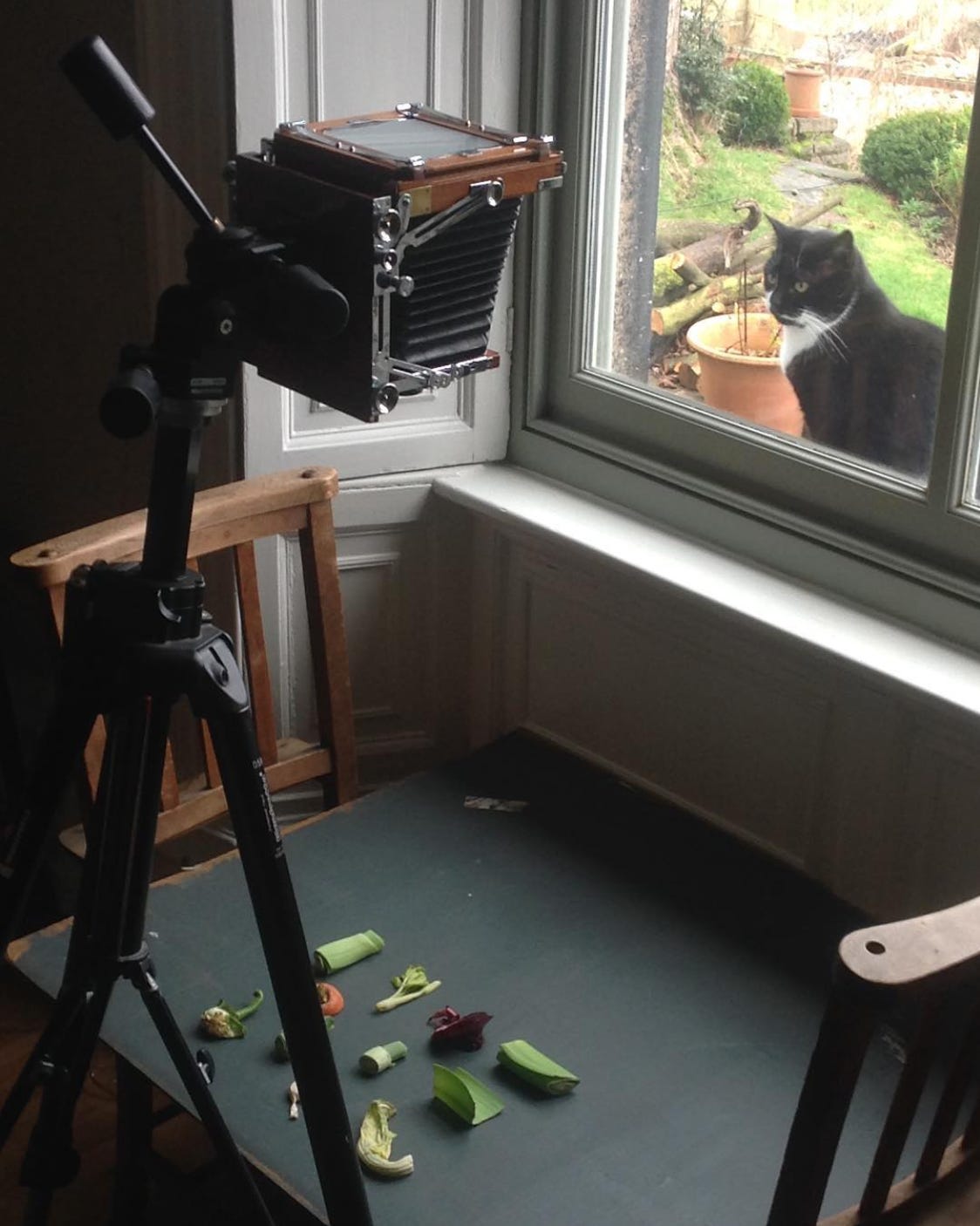
In the picture above you can see my simple set up by the window. I painted a bit of card with some left over house paint and it gave a nice uniform dark tone.
Lighting.
As much as possible I prefer to work with daylight, but often the light isn’t strong enough, or the sun has moved round and is shining on the background more than the subject. In those instances I will wait till darkness and light the set up with a tungsten lamp or a bright torch. Torches are good because you can leave the shutter open and move the light around to minimise harsh shadows.
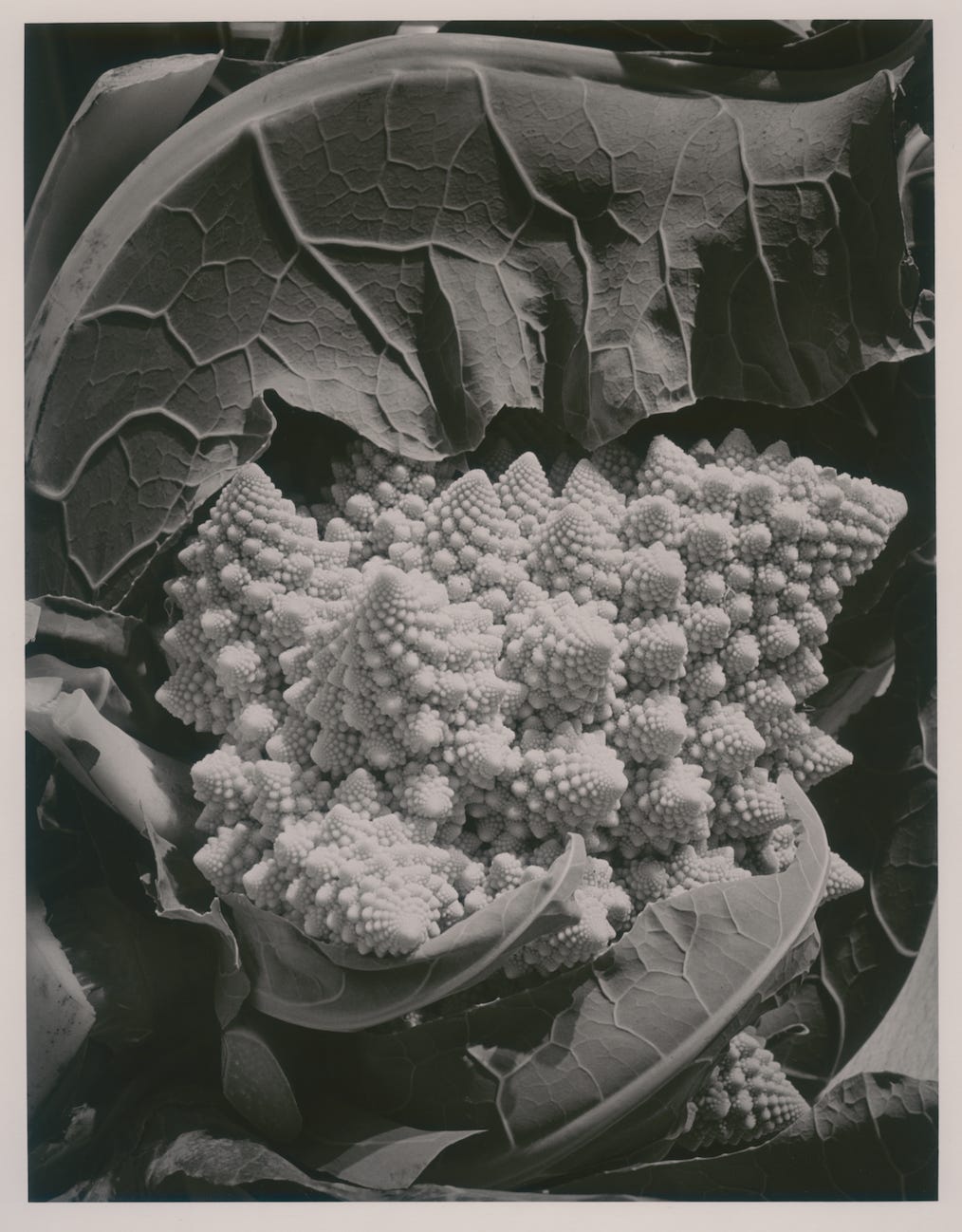
The Arabesque cauliflower above was lit with an LED lamp held a couple of feet away.
Sometimes a possible picture presents itself unexpectedly, as in this case when my wife unpacked a ceramic cow and calf from its packaging.
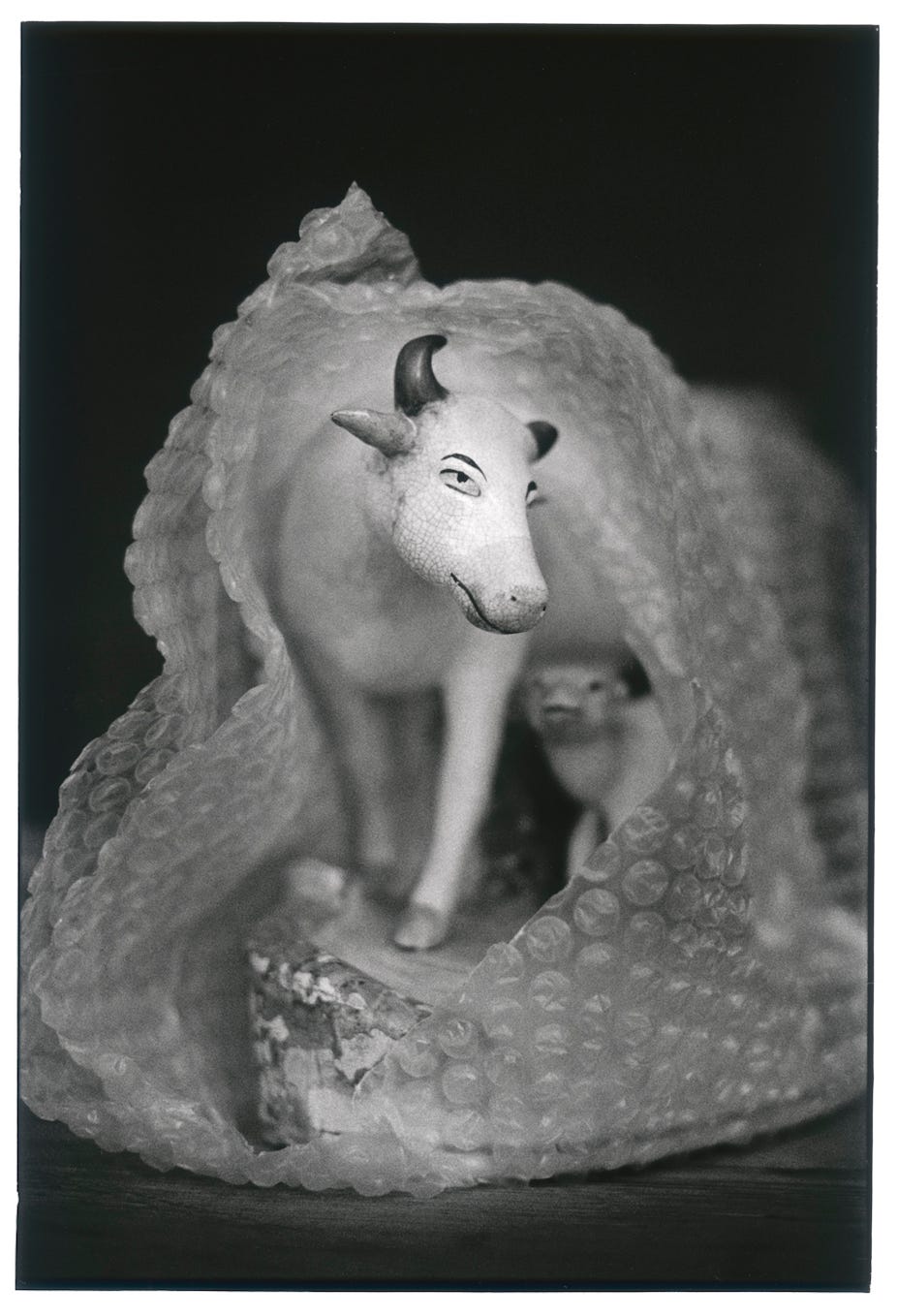
Is still life something that you have experimented with? I would be interested to find out how many people are working this way. Please comment and tell me your thoughts.
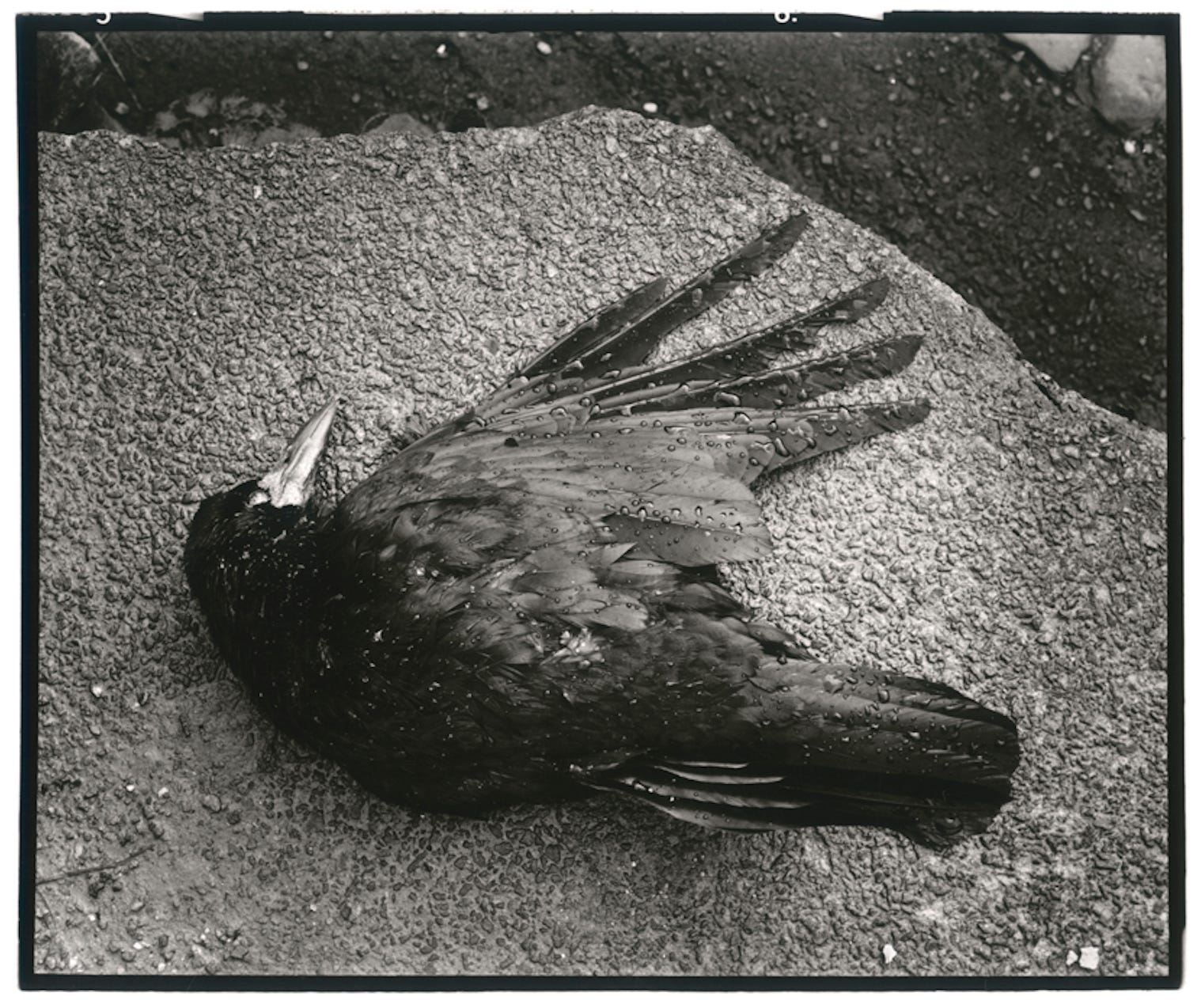
A literal interpretation of ‘still life’ -a life that is still.
If you find my articles interesting or useful, please spread the word to anyone you can think of who would be interested.
If you have enjoyed this post and the information here and elsewhere on my Substack and you would like to support me, you can subscribe, or just buy me a coffee at Ko-fi.com/andrewsandersonphotography You can send as little as £3.00, or more if you are feeling generous. This money goes towards materials used for the tests and printing for these articles. Alternatively you can be a paid subscriber.
Thank you for reading, please let me know your thoughts.
Andrew Sanderson June 2025.
Hey Andrew, just my topic! I do enjoy putting as much clutter in the images as humanly possible though. Already found a new favourite image in the ones you showcased. All the best from the road!
I like the arabesque cauliflower photo.