Hyperfocal distance
Ignoring the focusing screen and trusting DOF.

What is hyperfocal distance? if you have never heard of it, you may think that the word makes little sense. The modern usage of Hyper is to describe overactive behaviour, but in this sense it means greater focal distance.
A hyperfocal distance is a point that you place your focus, so that the far and near points of interest are within the range of your depth of field.
Depth of field for those of you who don’t know, means essentially the depth of the focus -the amount that is in focus from foreground to background. Strictly speaking, depth of focus refers to what goes on behind the lens, so we will stick with the proper term, Depth Of Field from here on.
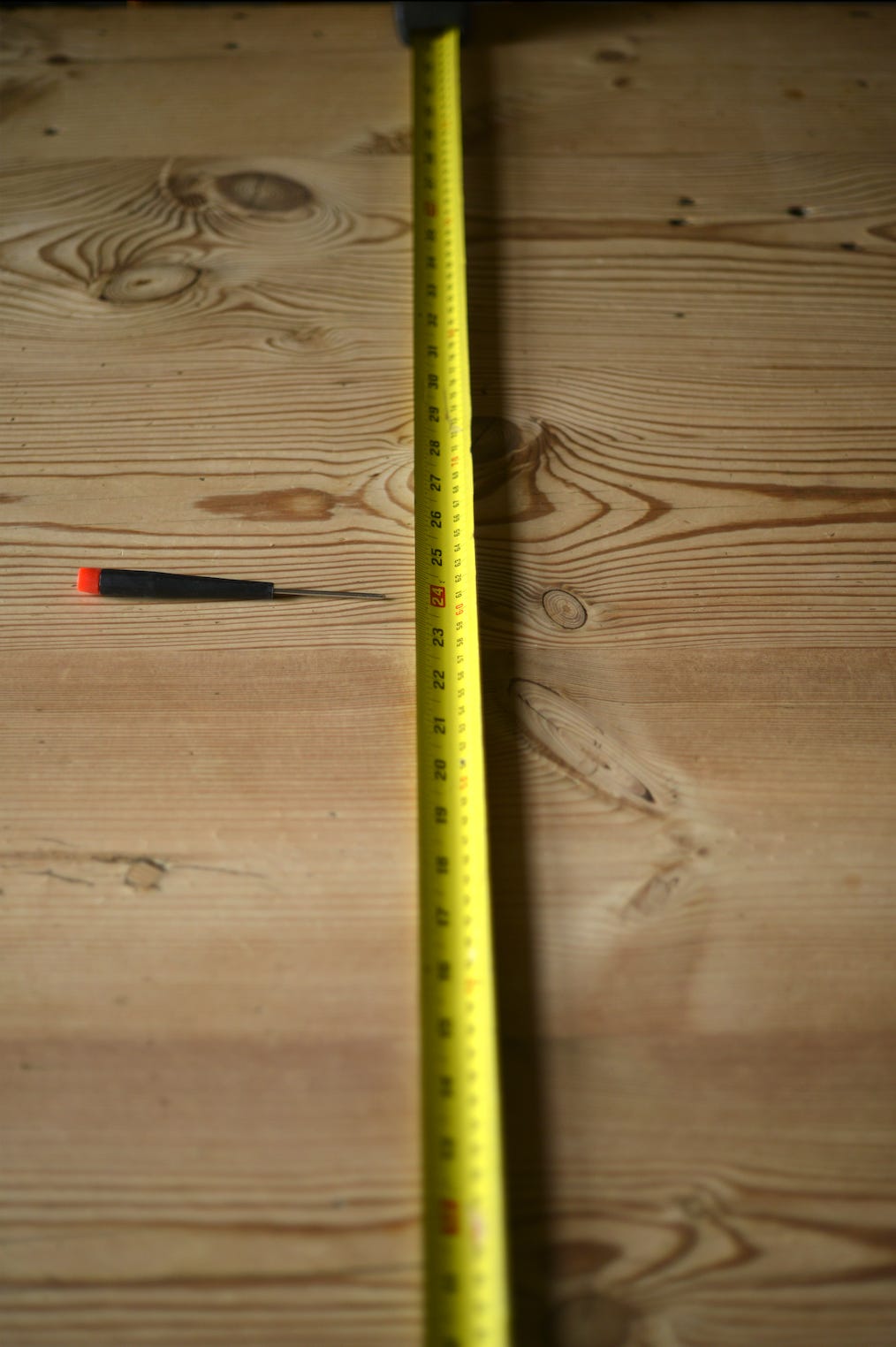
When the lens is used at its widest aperture the area in focus is very shallow (this varies with type of lens and focal length). For instance, if put a 50mm lens on the camera and I focus on something at 24 inches away (screwdriver for reference in the pictures), then take the shot with a lens set to f2, the area in focus is roughly a couple of inches in front and behind of that point (It is difficult to be accurate because focus changes gradually, so at what point do you say that something is too out of focus?)
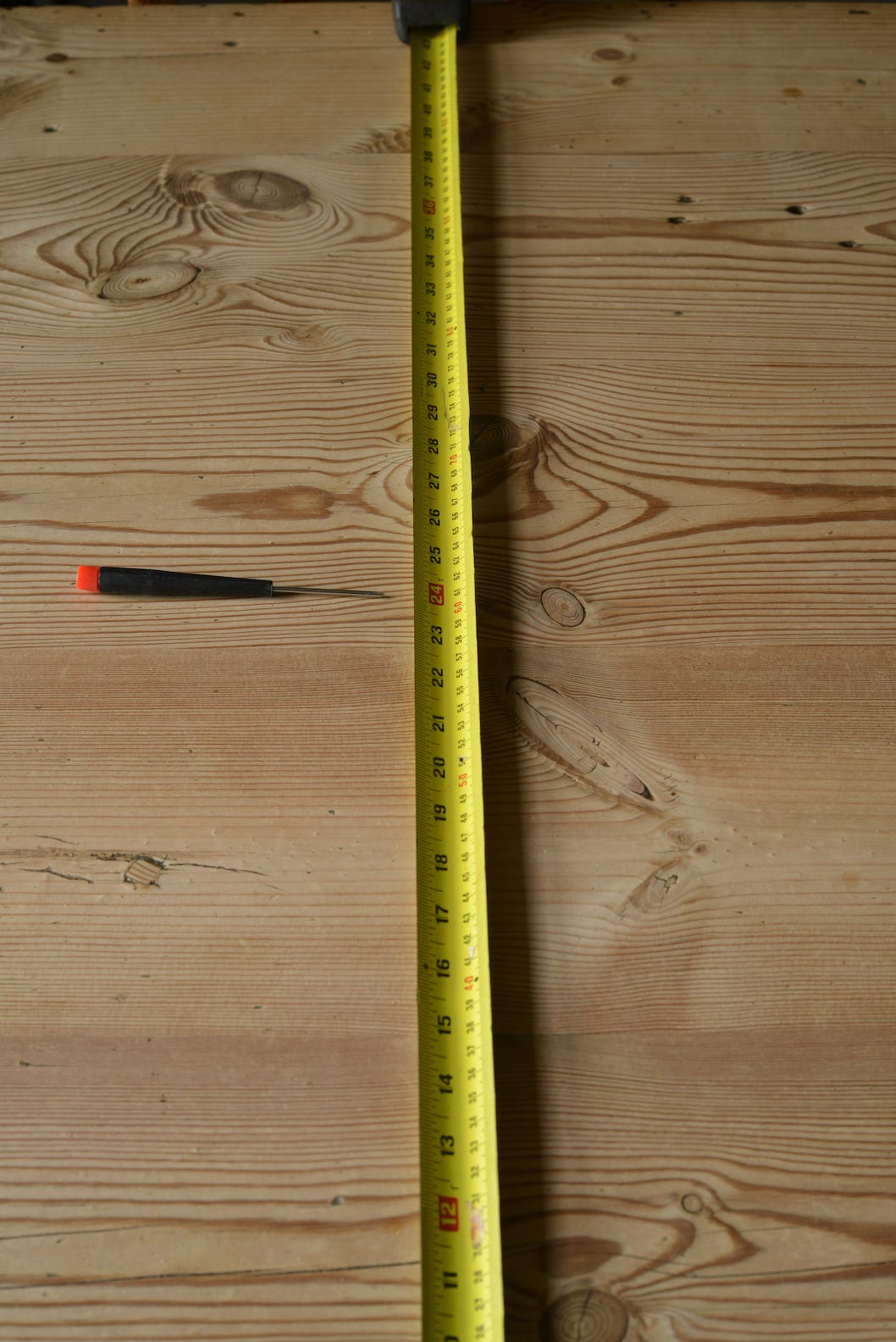
If I then take a shot at f8, the area that is ‘acceptably sharp’ goes from 19ins to 33ins.
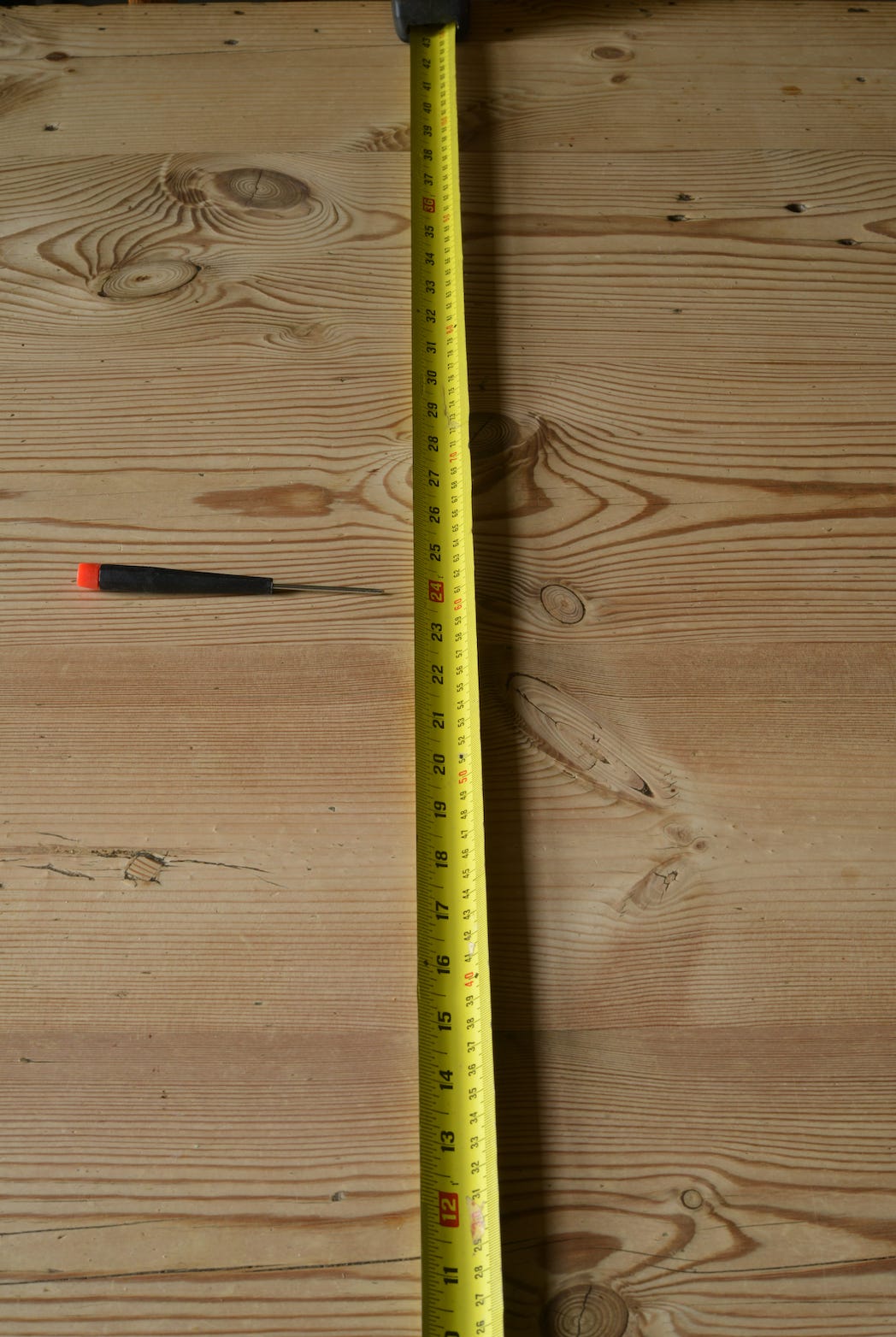
When the lens is stopped down to f16, the sharpness runs from 10ins to 43.
All of this is elementary depth of field and many of you will be well aware of it, but I like to make sure that I don’t alienate any who are new to photography, so please bear with me.
A knowledge of depth of field can be very useful for all sorts of photography, but especially for landscape and street photography.
Wide angle lenses.
Wide angle lenses have more depth of field than longer lenses. This simple fact makes wide angle lenses perfect for street photography. The wider the lens, the more depth of field for a set aperture. Your lens choice as far as composition goes, or degree of ‘distortion’ is down to you, but even a 35mm lens, which is so lacking in the distorting effects that it can look like a standard lens, has it’s advantages. If you are using a standard lens for street photography, or general urban architecture etc, you will get 18ft to infinity at f8, but a 35mm lens will give you 9ft to infinity at the same aperture. A 28mm lens will give you 6ft to infinity at f8 and stopping down to f16 will give you 3ft to infinity, which is all you need. You can set the focus at 6ft and ignore what you see on the screen apart from composition. Another great advantage that wide angle lenses have is the ability to use slower shutter speeds and still avoid camera shake.
Did you know that there was a relationship between focal length and camera shake? I’m pretty sure I have written about it in a previous Substack article, but I can’t think which one. If you look at the focal length of your lens and think of it as a shutter speed, then work on the assumption that the shutter speed you have is the slowest one you can use hand held. (I’m sure there will be people saying; ‘oh, well I once hand held a shot at 4 seconds….and so on, but think of this as a rule of thumb). This relationship means that your slowest hand held speed for each focal length could easily be;
18mm lens - 15th
20mm lens - 30th
24mm lens - 30th
28mm lens - 30th
50mm lens - 60th
80mm lens 125th
Using an 20mm lens at a 30th will give you f8 on a grey day with 100 speed film, and this will give you 3ft to infinity in focus, so there is a big advantage to thinking this way. You can concentrate on composition and grabbing opportunities without wasting time thinking about focus.
To illustrate this article I had a little local photo walk and took out a 28mm lens set at f16. I didn’t focus the lens for any of these shots, I left it set at roughly 6ft. Nikon prime lenses have colour coded markers for the depth of field scale and in this picture you can see that f16 (blue line) gives me 3ft to infinity when set at this point.
Exposure.
In the UK, the weather generally falls into two exposures most of the time. On a typical sunny day with Ilford HP5 in the camera, you can set the camera to 125th at f16. On days when we have a white sky it is 125th at f8, which is the same as 30th at f16.
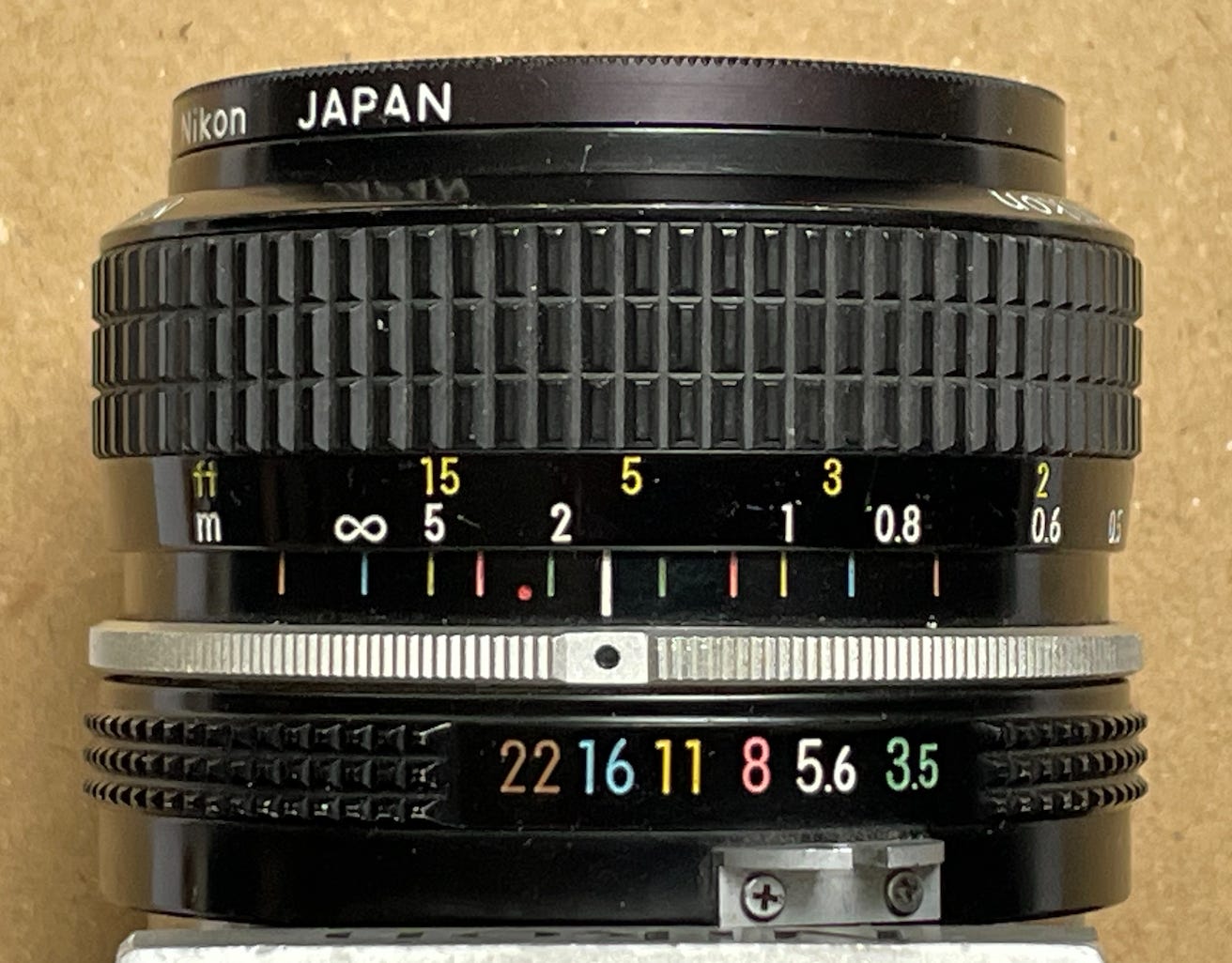
The following pictures were taken at a 30th at f16 without moving the focus ring.
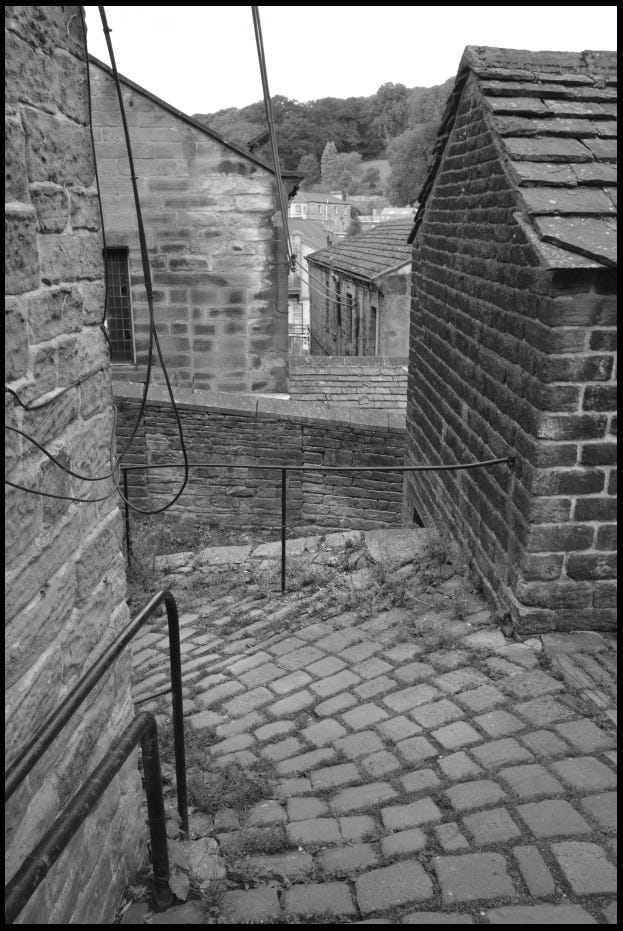
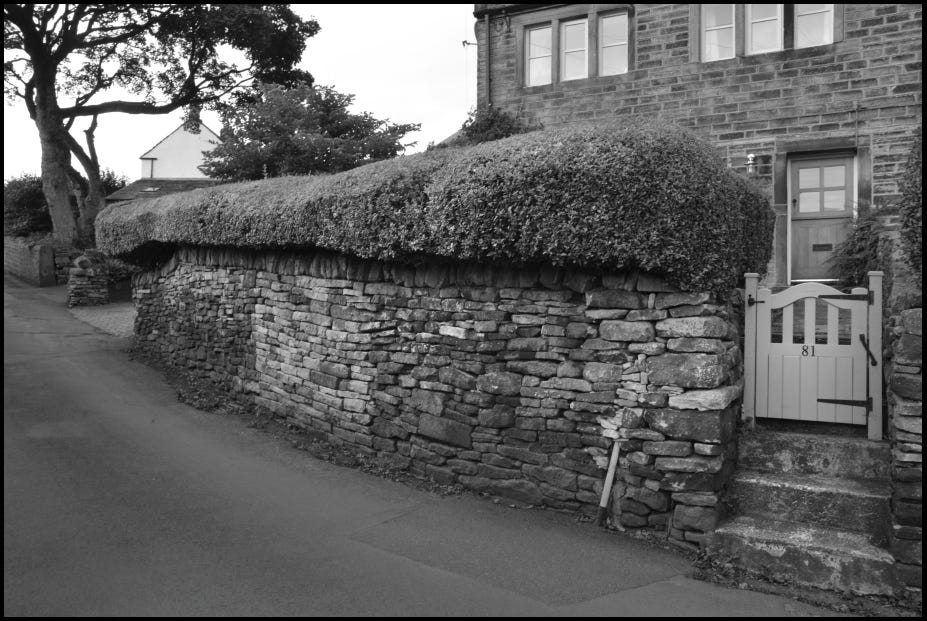
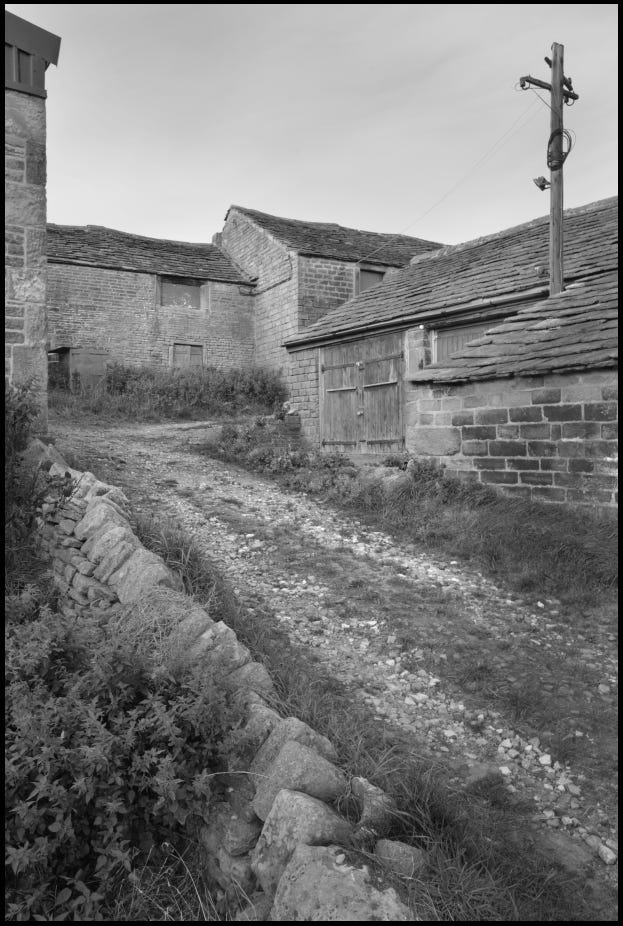
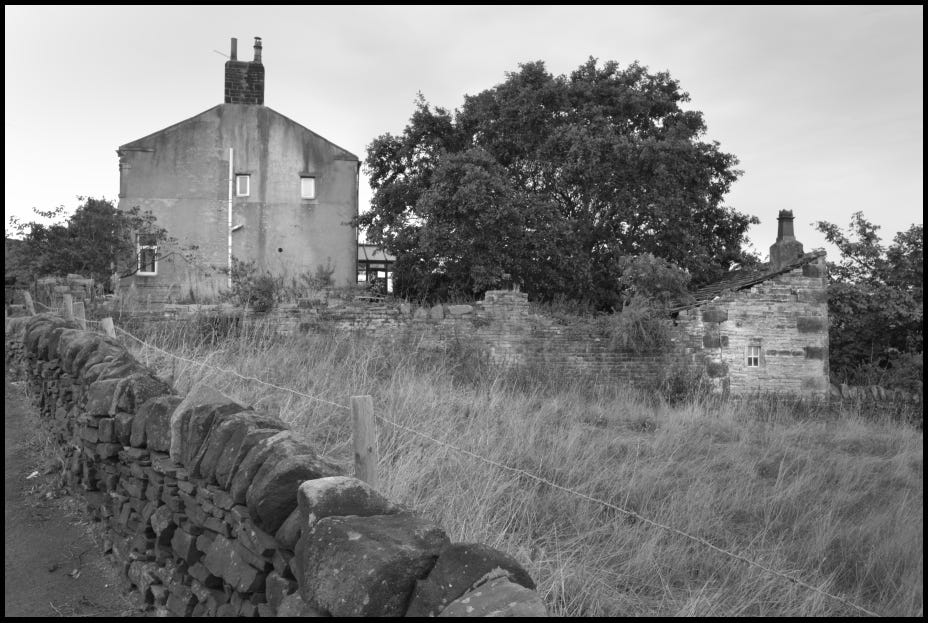
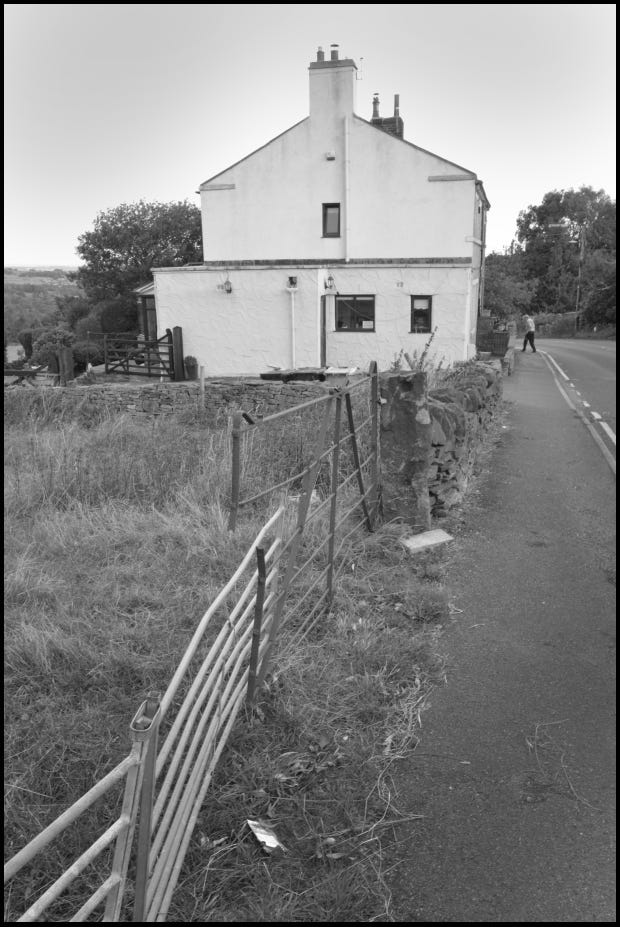
There isn’t much going on in these shots, I would have preferred to have had some more dynamic city shots, but time was short. Hopefully you can get a sense of what I am suggesting. You can see that the focus is fine from the fences and gate in the foreground, all the way into the distance, so I have all the focus I need.
With the exposure options I mentioned before, I can set the shutter and aperture without even referring to my meter, I just set it and forget about it. With hyperfocal distance set, I don’t need to focus and I can just look for compositions.
Here are a couple of charts, one is for f8 and the other for f16
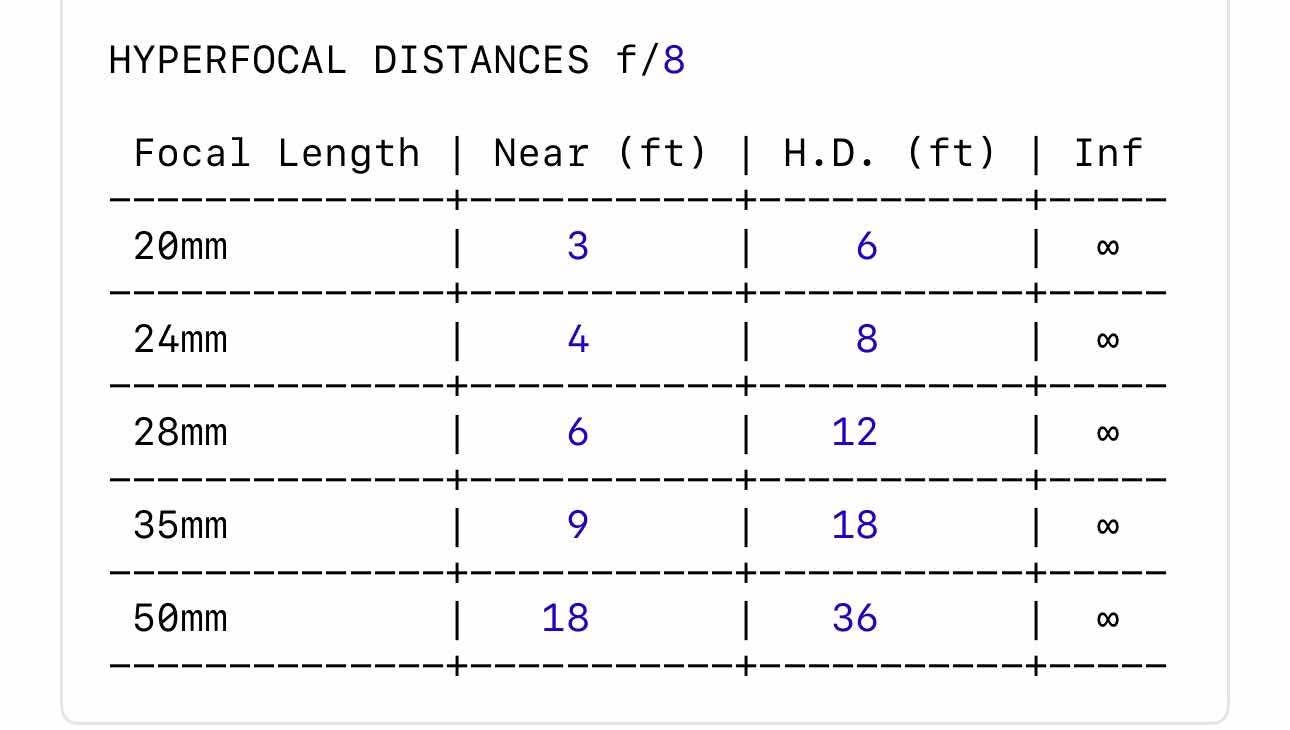
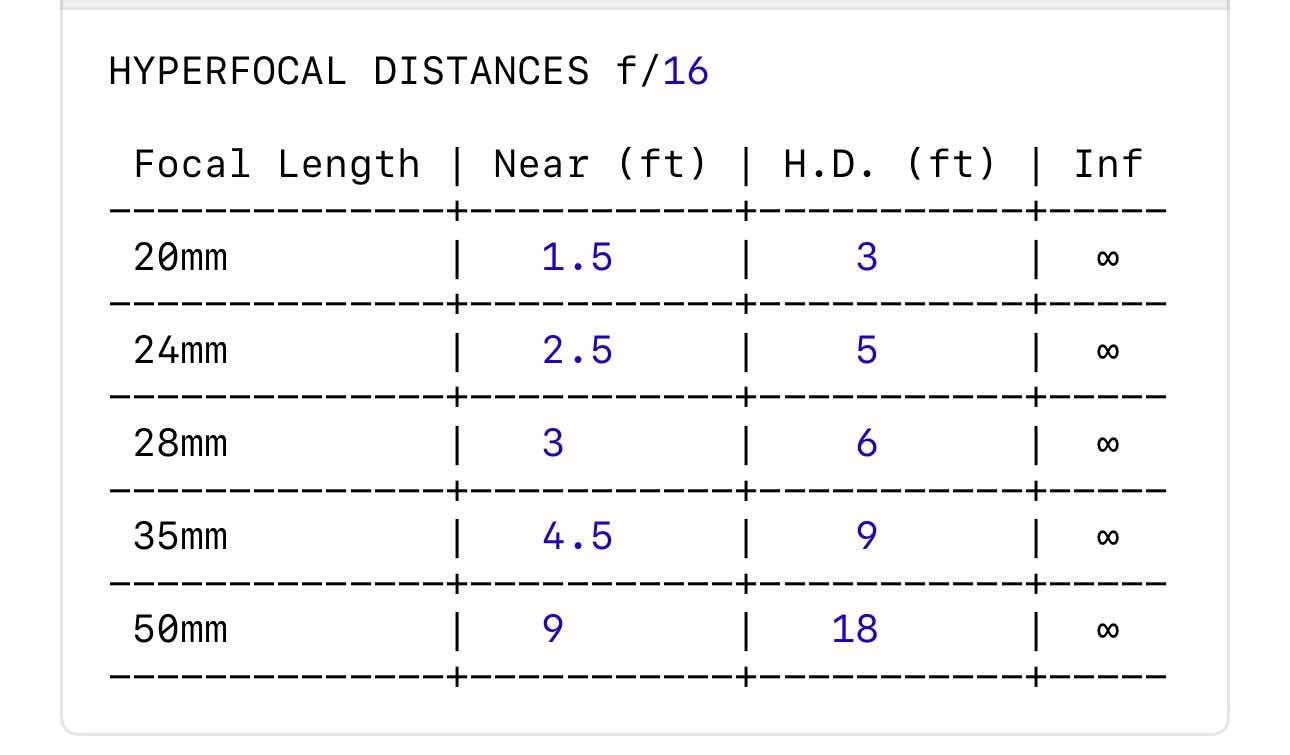
Two things can be noticed here; Firstly, once you get past f8, all near distances are half of the hyperfocal distance, and secondly, there is always more depth of field beyond the point of focus than there is towards you.
Here are some older images which were shot using exposure estimation and hyperfocal distance.
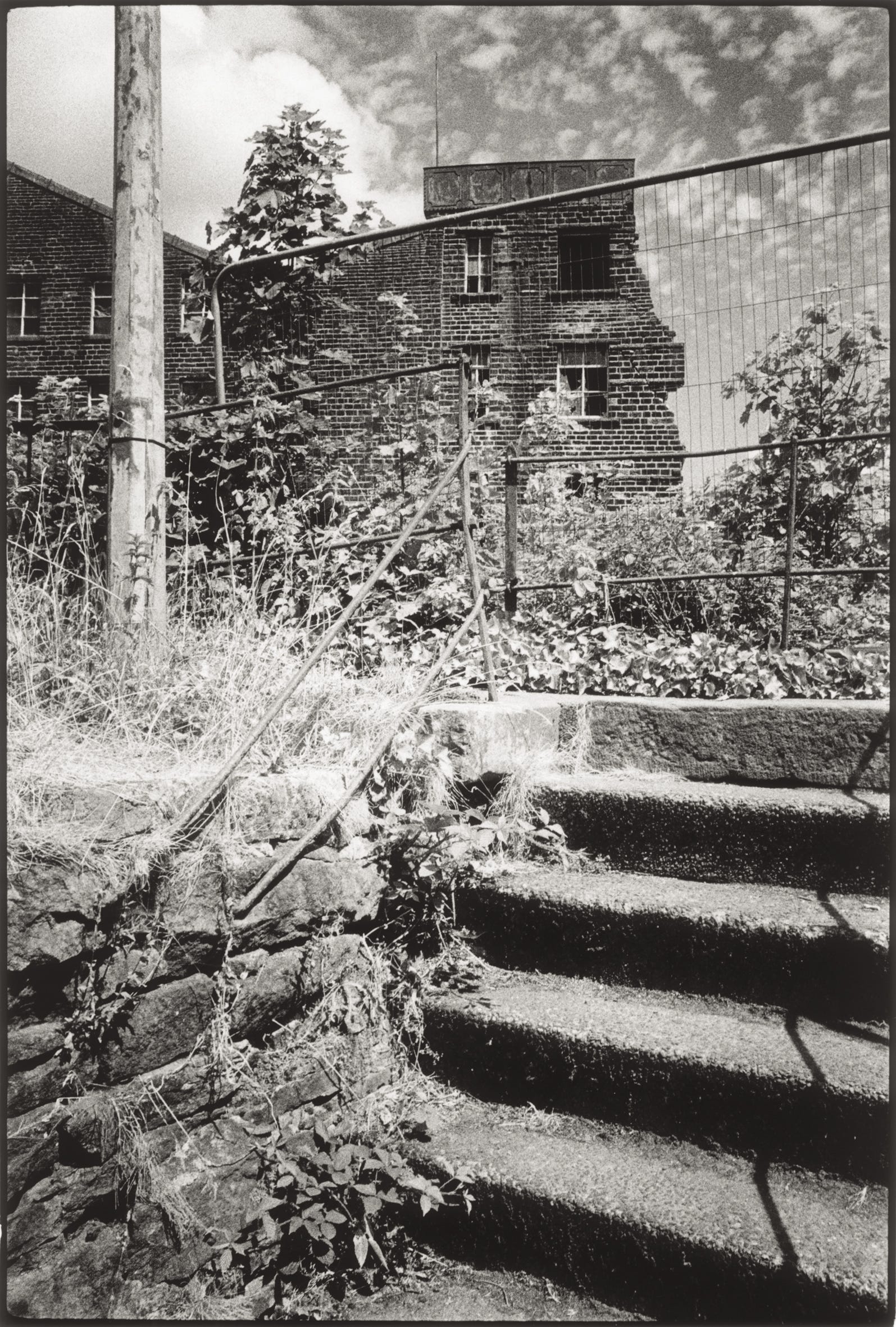
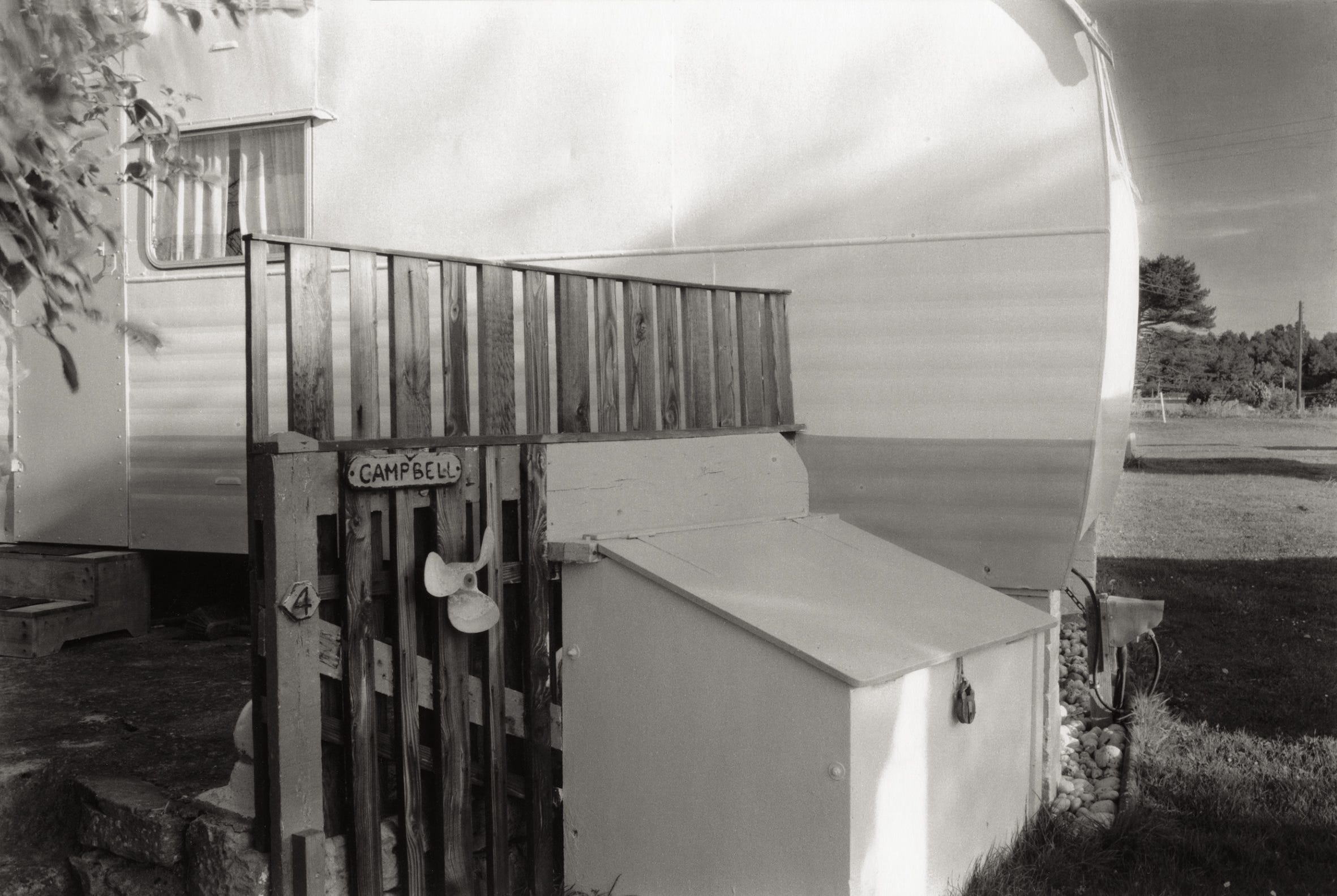
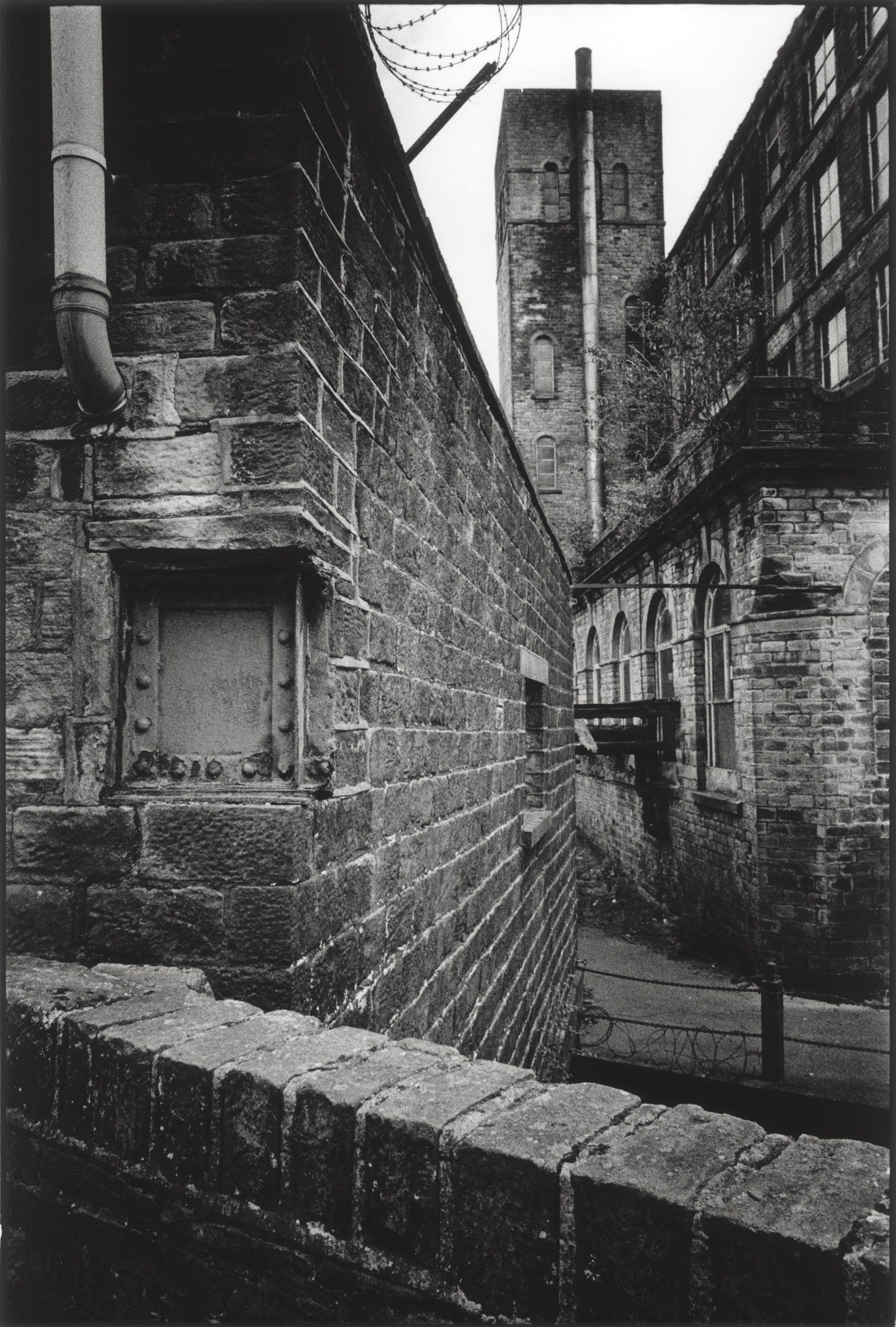
Utilising the technique of hyperfocal distance combined with a simplification of exposure makes photography quick and simple, allowing you to concentrate on seeing and responding rapidly. Now you know this, does it liberate you? Do you feel a sense of freedom? Put a roll of film through the camera and try it out, see for yourself how easy this can be.
Apps.
There are phone apps available to calculate depth of field, but some of them are badly laid out and confusing to use. You really only need the charts above, but if you need more information then try a few and see which one suits you. Online Depth of field calculator is quite a useful reference; https://www.photopills.com/calculators/dof-table
If you find my articles interesting or useful, please spread the word to anyone you can think of who would be interested.
If you have enjoyed this post and the information here and elsewhere on my Substack and you would like to support me, you can subscribe or just buy me a coffee at Ko-fi.com/andrewsandersonphotography You can send as little as £3.00, or more if you are feeling generous. This money goes towards materials used for the tests and printing for these articles. Alternatively you can be a paid subscriber.
Thank you for reading, please let me know your thoughts.
Andrew Sanderson September 2025.
Just what I needed at the moment. I found an old lomo l-ca in the bin. Everything seemed to work but then the shutter only made one sound. So I figured the automatic was shot. I've been using it anyways. Even though I know most of the stuff you've talked about it's great to get a little refresher! Thanks
Hi Andrew,
Another so highlighting post! Thank you so much! So great too that you want to share your knowledge with so many of us. I really appreciate this from the bottom of my heart!