Documenting daily life.
Photograph everything, especially the things you see every day.

Documentary photography has a long tradition and has produced some truly wonderful, thought provoking and moving images. When the title; Documentary Photographer is mentioned, the automatic image in the mind is of people portrayed in some form of suffering, of homelessness, unemployment, war, fighting, protesting, or death, but the term Documentary can also be applied to images that depict your family life, your personal history, and events close to home.
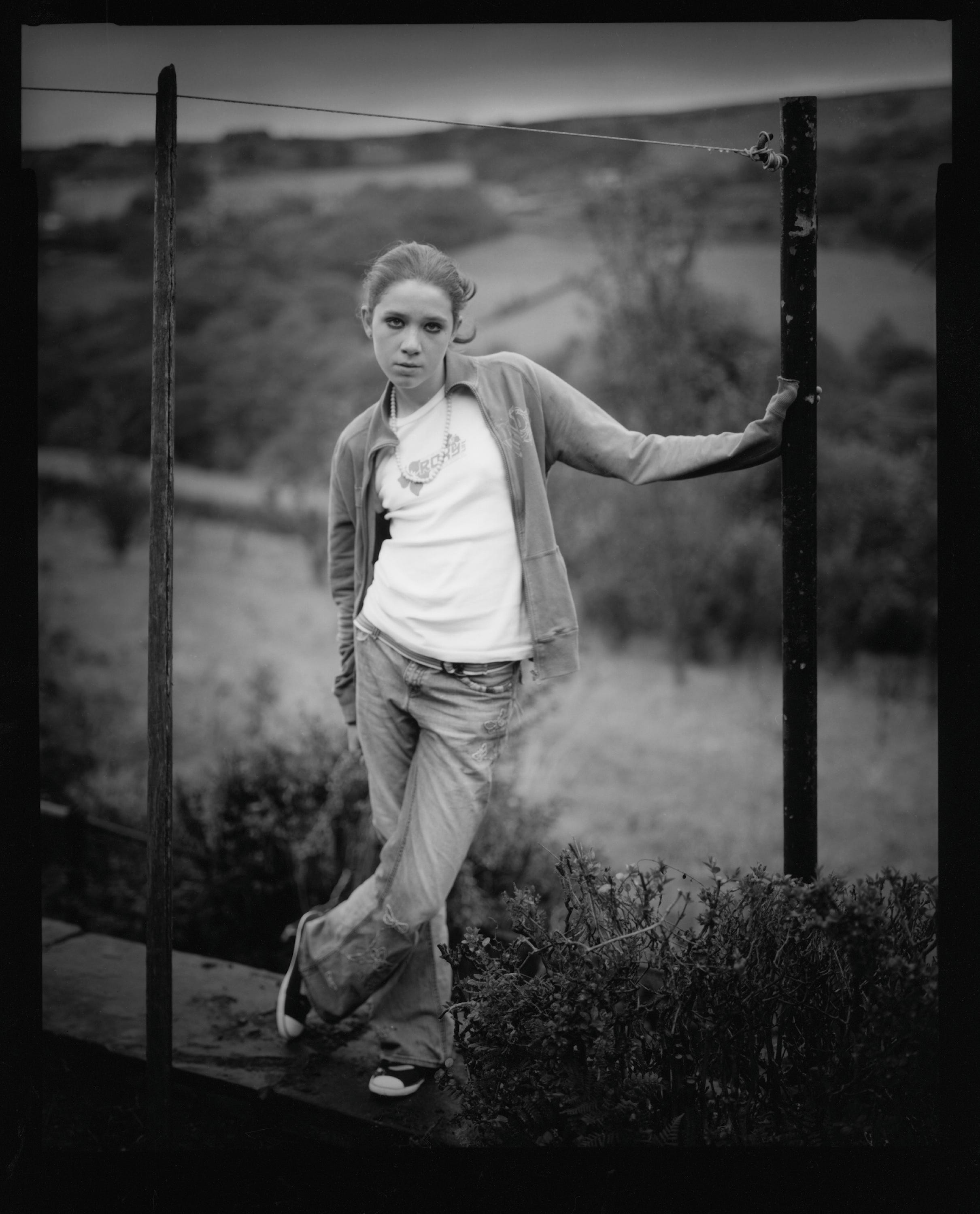
I would never describe myself as a documentary photographer, and I wouldn’t last five minutes as a war photographer, I’m too much of a daydreamer. I can though, see events from an observer’s perspective, and can recognise the potential of a situation to produce a meaningful image. I have applied this approach to family events, parties, visitors, holidays and travelling. Many of these images have not been published before, my intention was just to remember. However, a recent conversation made me consider them as worthwhile subject matter for an article.
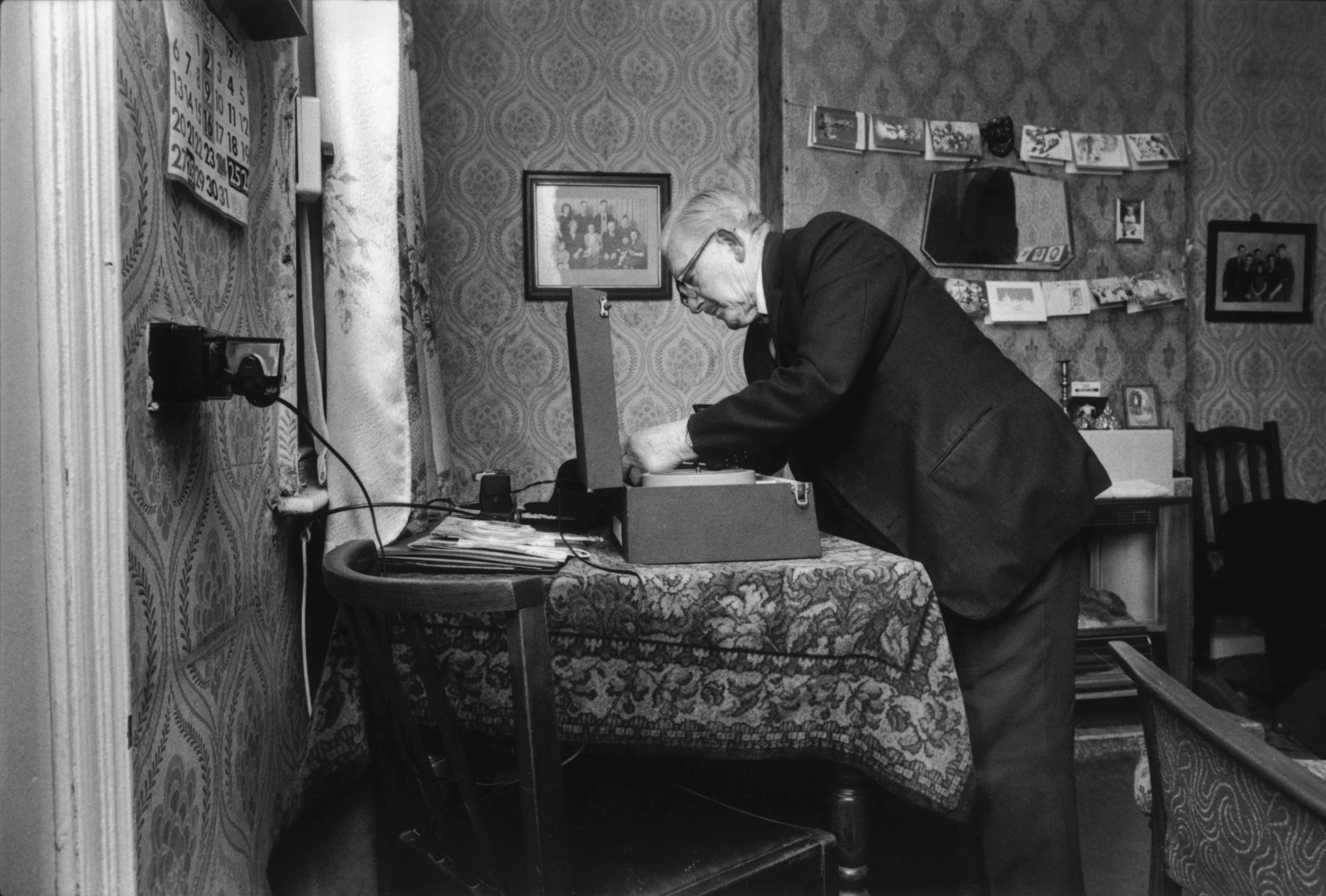
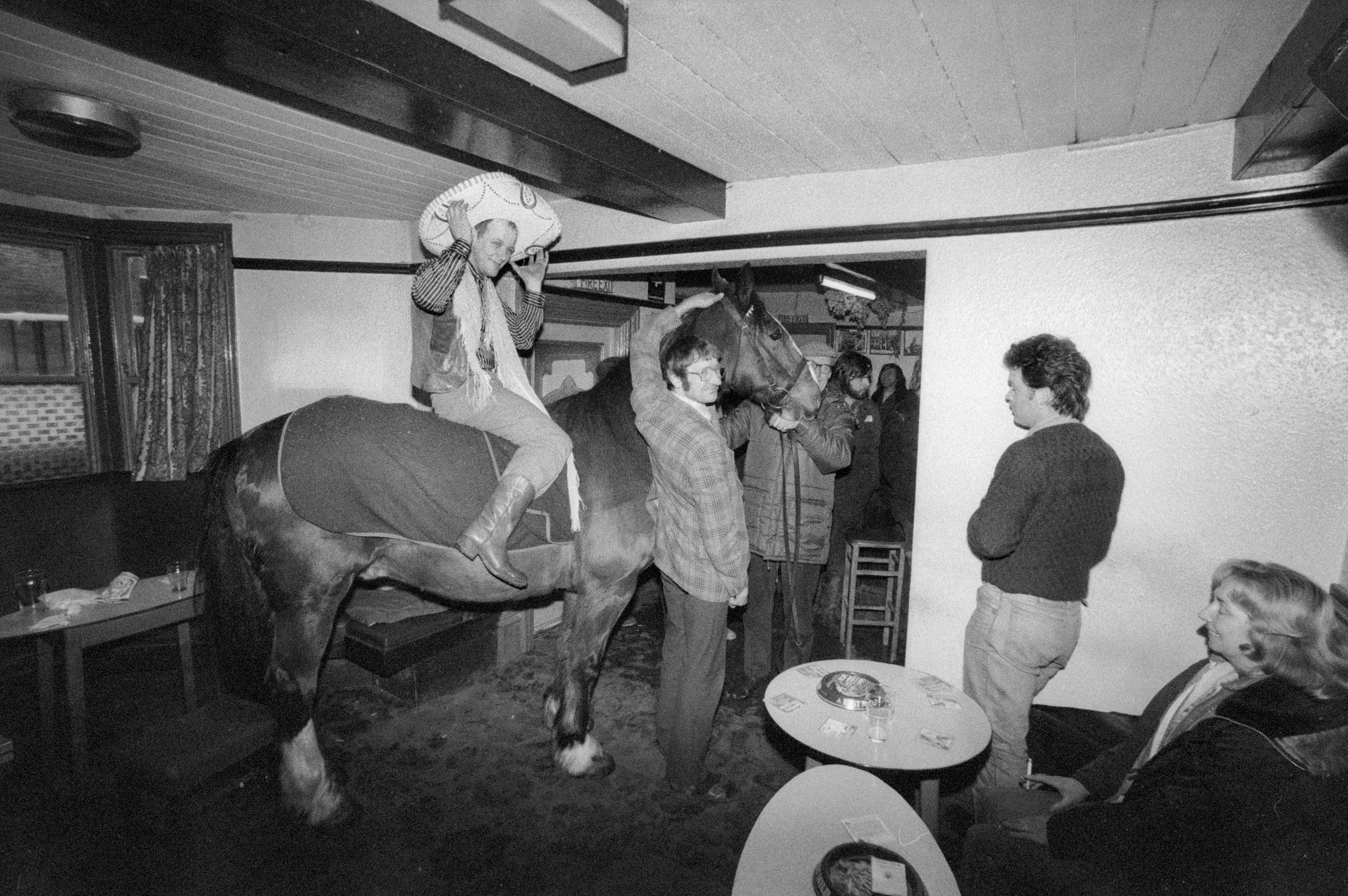
I have documented my family, though not with the motivation that perhaps it appears to have now. I took pictures because I take pictures every day and they were with me almost all of the time. I recorded events, incidents, accidents, celebrations and possessions, friends, artists, shopkeepers, as well as lots of other stuff. My original intent was to use these pictures to aid my notoriously bad memory, to give me a visual diary and instant nostalgia. However, when I looked at our family shots with my kids as young adults, they saw them as their history. They now had a visual record of things that were sometimes hazy in their memory. They could see places in great detail, but I found that the pictures didn’t help me remember days and events, all I remembered were the images themselves, having seen them as contact prints and final prints for years.
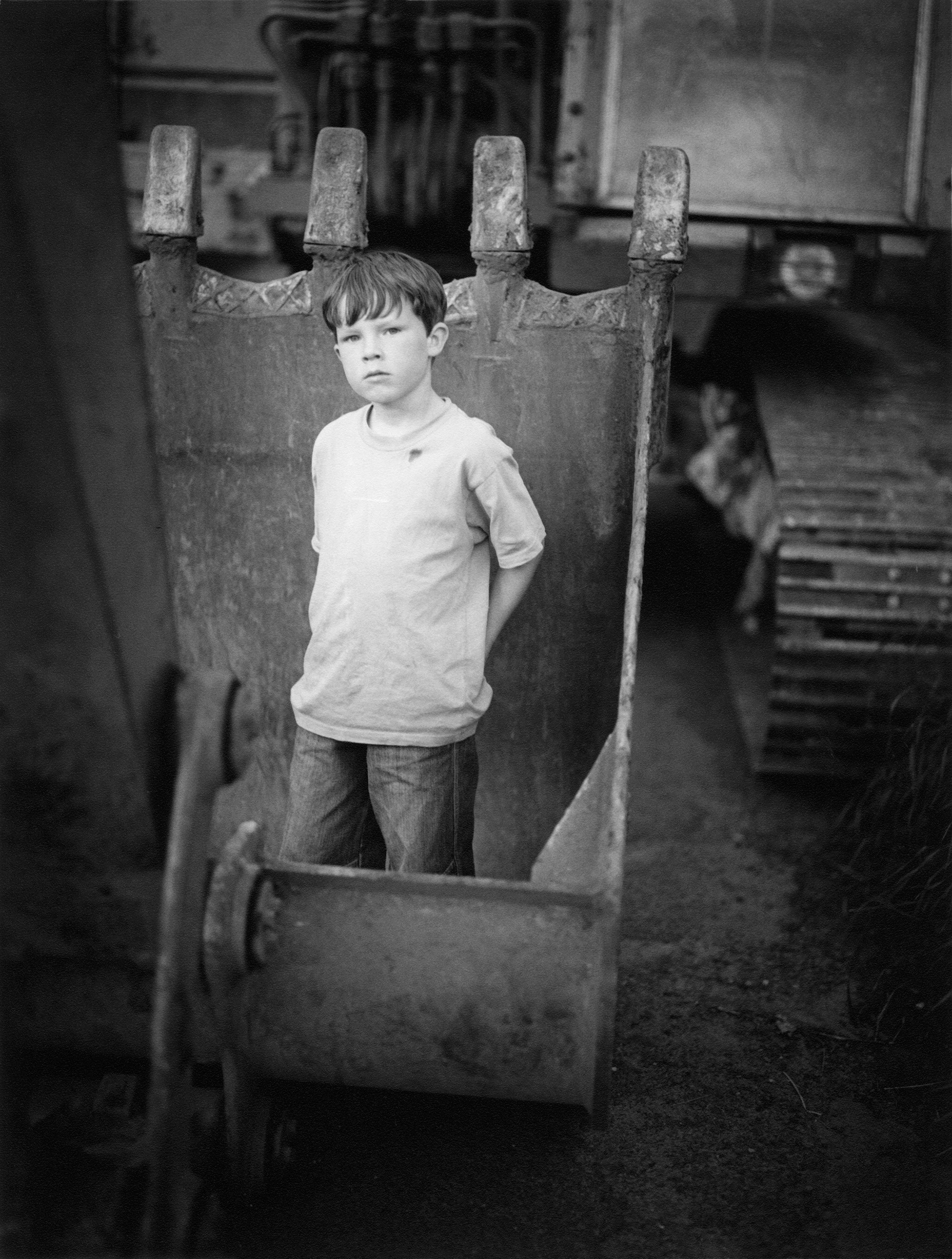
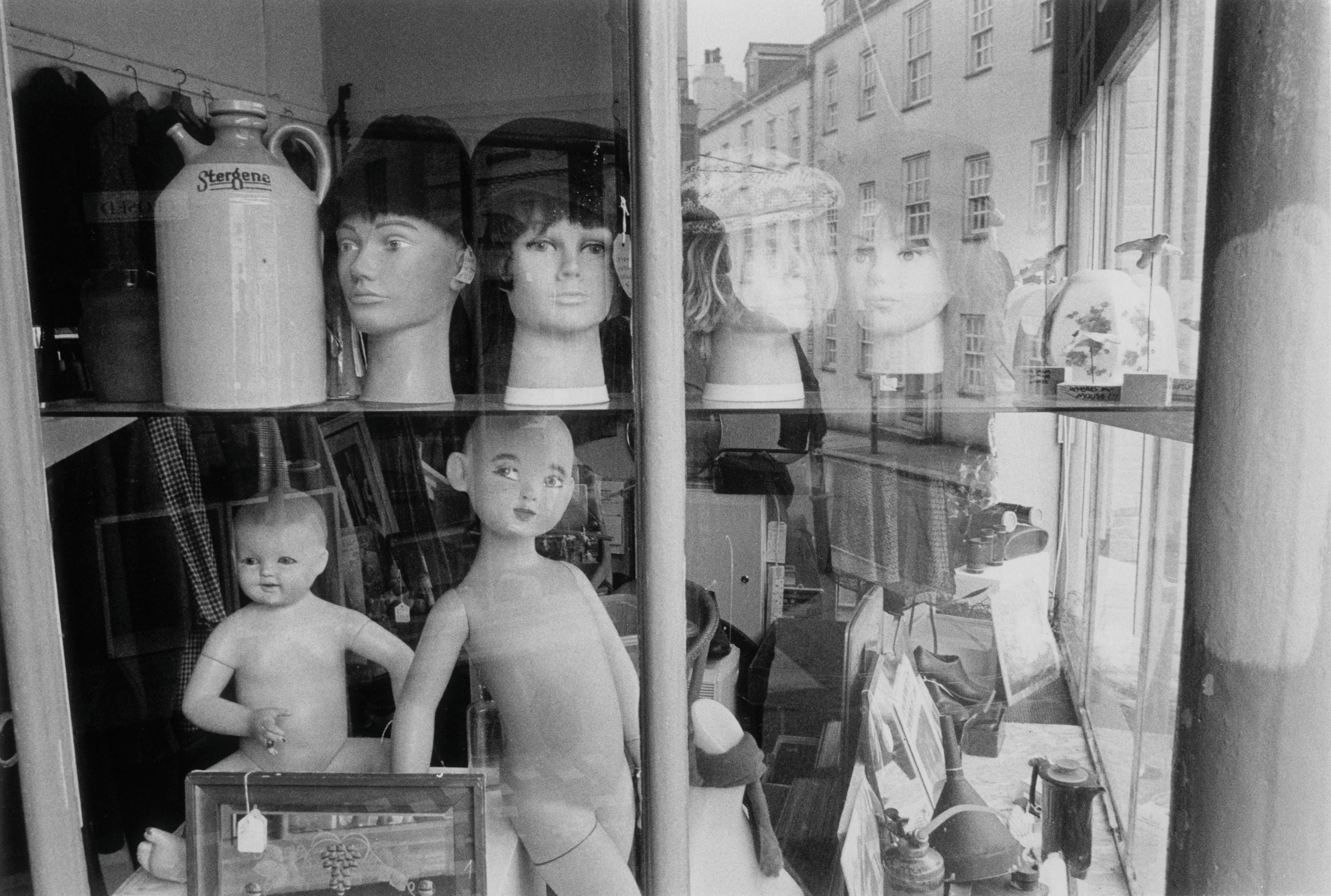
As the kids looked at the pictures, they all had different recollections of those days and many of the things they talked about I had no memory of whatsoever. So the pictures had been a failure in the sense that they had not been a visual diary or aide memoir for me. They became more and more powerful with time for them, as the scenes and places had changed or been lost. Simple shots that I thought had no value became really interesting because that field was now a housing estate, or the shop in the picture that had all of the amazing junk had gone long ago.
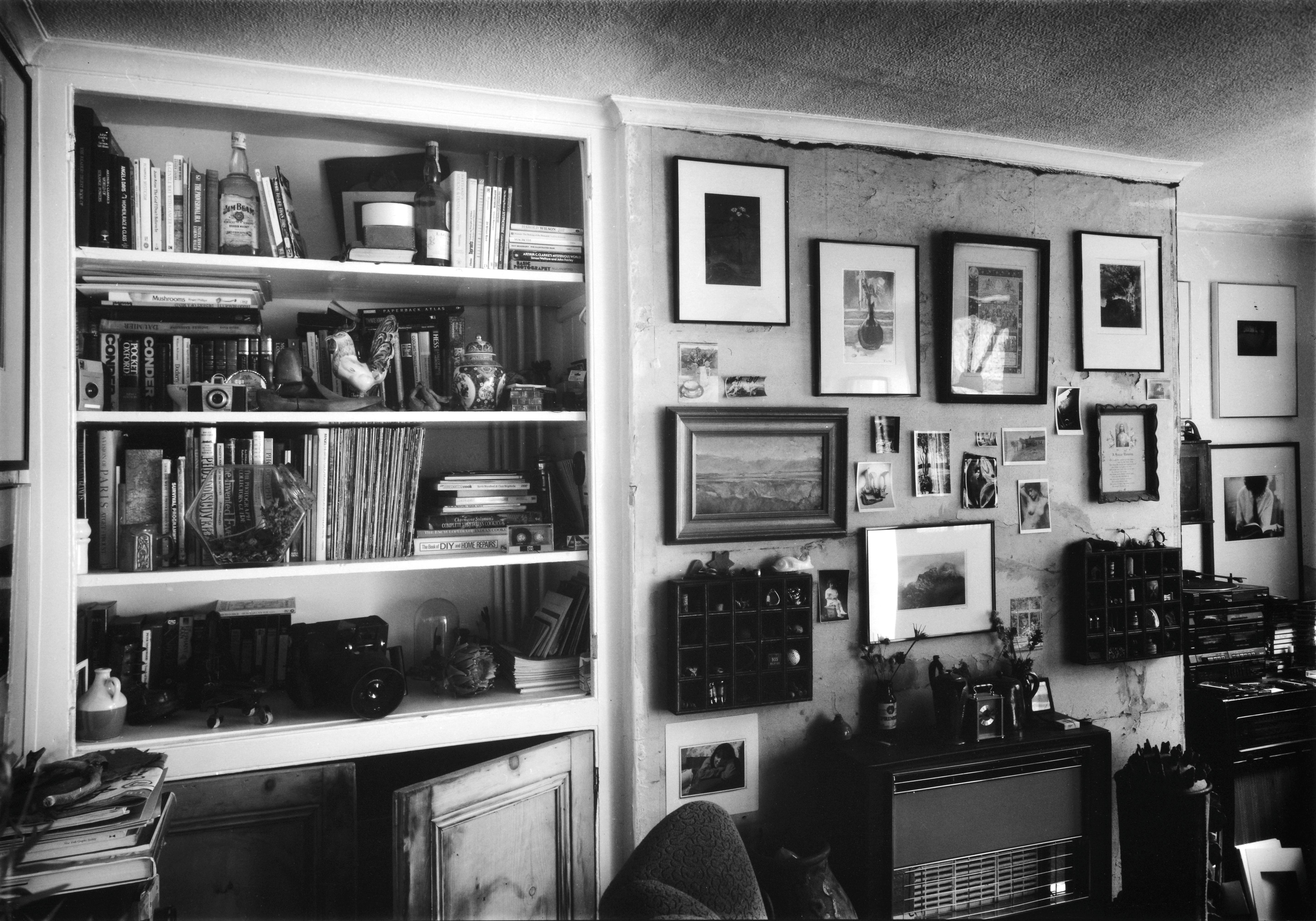
Even before I had kids I was photographing the rooms I occupied and the visitors who passed through, and a similar thing happened here too. People had aged, or died (some were brought along by friends, photographed, then never seen again and I didn’t always write names on negative files). Getting in touch with some of these old friends 40 years later and sending them a picture always pleases me. The responses are great. So what was just a pastime for me has become something really important for other people.
Documenting is important, sometimes for yourself, but mainly for other people who don’t bother to photograph anything themselves. Photography is a time machine and as photographers we are giving people access to the past. We can’t go back and photograph places and people that have gone, we can only record what is around us now and we don’t always know what is going to be of interest in the future. The most obvious subjects are abandoned factories and tumbledown houses. These are fun to photograph, but your picture is unlikely to be unique in the future, this kind of thing is over photographed. Instead, record your children’s rooms, your parent’s rooms, temporary places of residence such as student accommodation. Photograph the clothes that people wear, shop fronts, shopkeepers, cars, advertising hoardings. Take pictures of your children’s toys, of their bikes, the things they collect. All of this stuff is pretty uninteresting as you are doing it, but it gets better with time like a fine wine.
My preference for recording these things is to shoot on film. I have owned digital snapshot cameras over the years, but the quality has been pretty crap (not an issue these days). I have also lost a lot of stuff through computer or hard drive failure, and the home movies I shot 15-20 years ago can’t be imported into any of the computers we have in the house, so as you can imagine, I’m not a huge fan of digital.
I realise I am in the minority here, smartphones have changed society and the way we see it forever. A lot of it is documenting daily life, but most of it is clichéd. A five minute scroll through Instagram will throw up many examples of the same sort of image; millions of selfies and make up shots, cars, pets, sunsets, etc. Much of it is fictional, with people trying to portray a perfect life, so there is still a place for the proper documentation of our lives, photographed in a way that elevates the picture above the snapshot. Rooms can become the main subject of the shot, not an incidental background. People could be photographed as portraits, not with digitally applied rabbit ears and nose. Scenes would be portrayed as they are, not tidied up or retouched. Try it, give your subjects significance and photograph them to the best of your ability.
When I began taking photography seriously in the late 70’s, I would try to keep vehicles out of my shots, I didn’t want anything that would date it. There are a few street scenes in my neg files that unavoidably had cars in and now my son loves these because he’s really into cars from the 70’s and 80’s. I now wish I had taken more. A lot of current stuff is lost because people delete unwanted images or out takes. Some of these will have a different significance in the future. Shoot everything, delete nothing.
I still have all the negatives I ever shot, even back to snapshots taken at school. I also have a collection of glass negatives taken of people who died long before I was born, people whose whole life passed unrecorded, apart from one remaining negative. I have hundreds of pictures of places demolished and forgotten, who knows why these pictures were originally taken? When I look at these pictures I can only guess at the intention, but that isn’t really too important, the fascination lies in the content and the little details that are sometimes revealed on closer inspection.
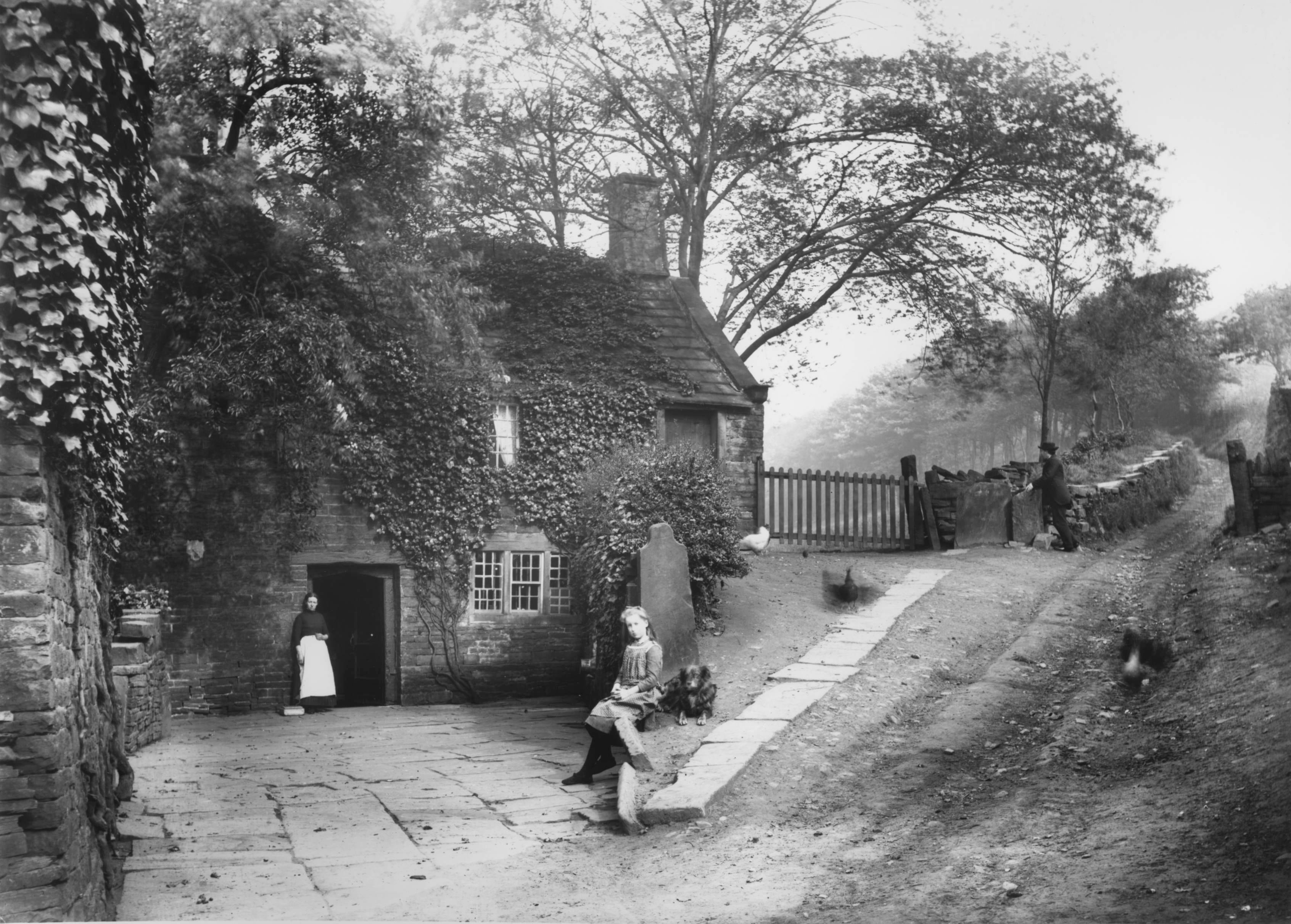
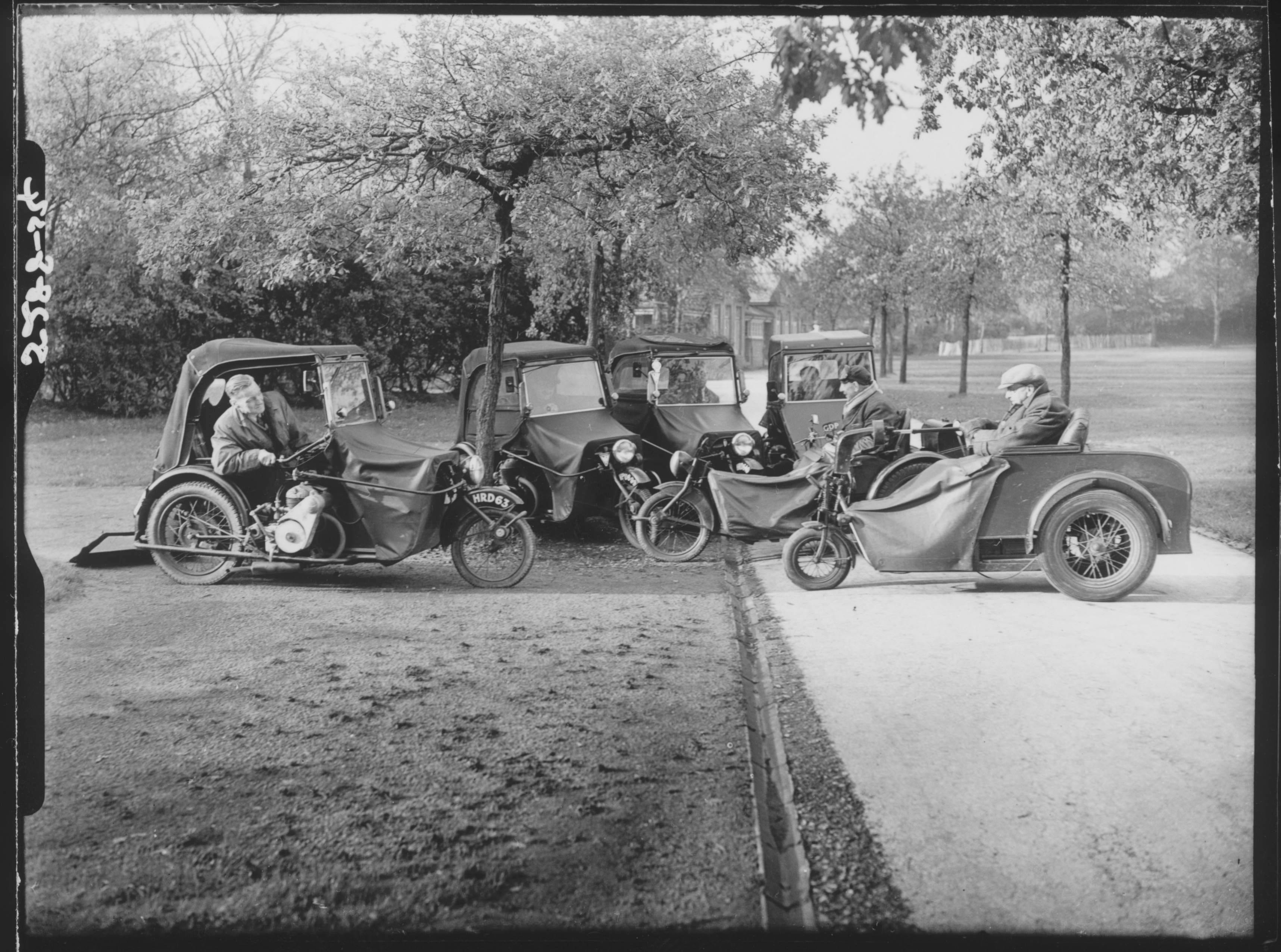
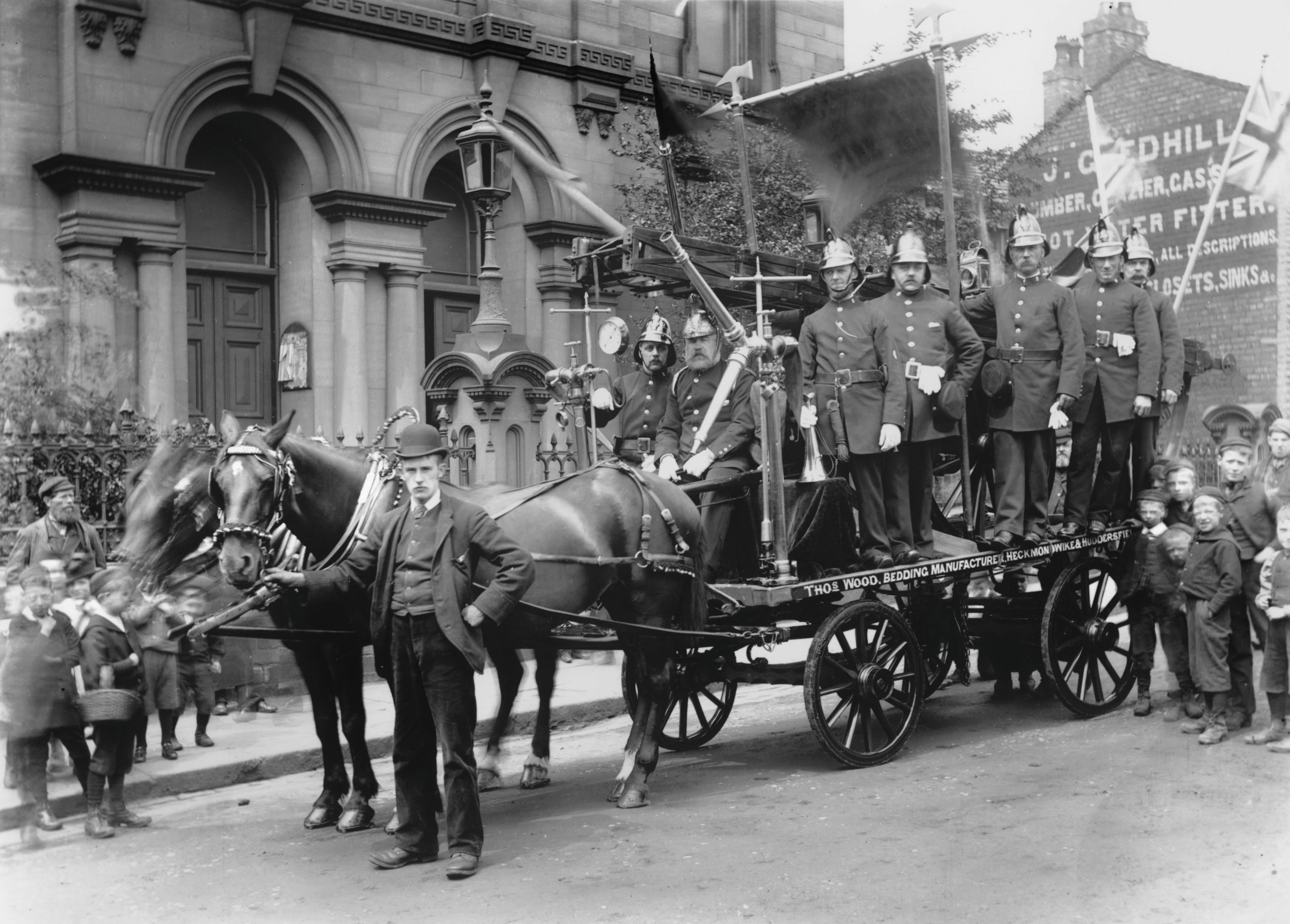
We all photograph for different reasons and probably have one area that dominates our work. For some it is landscape, for others it might be architecture or glamour, whatever your preferred area, I would urge you to record the everyday too. It might not be saleable or worthy of an exhibition, but one day it will be of interest for it’s historical significance.
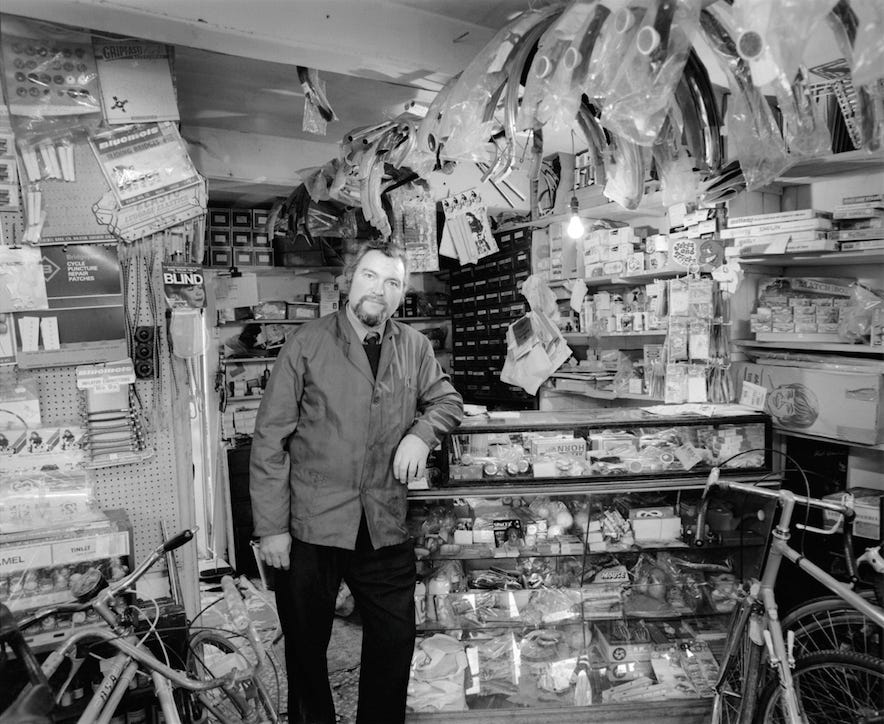
If you find my articles interesting or useful, please spread the word to anyone you can think of who would be interested.
If you have enjoyed this post and the information here and elsewhere on my Substack and you would like to support me, you can subscribe or just buy me a coffee at Ko-fi.com/andrewsandersonphotography You can send as little as £3.00, or more if you are feeling generous. This money goes towards materials used for the tests and printing for these articles. Alternatively you can be a paid subscriber.
Thank you for reading, please let me know your thoughts.
Andrew Sanderson February 2025.
I agree with you so much. Documenting everyday life is important.
PS: videos from 15-20 years ago should be recoverable.
This was a very helpful article for a new photographer. Thank you.