Can you manage with your equipment?
Are you limited by your equipment?

I have been a bit short of time this week, my son got married yesterday, so I find myself without a prepared article.
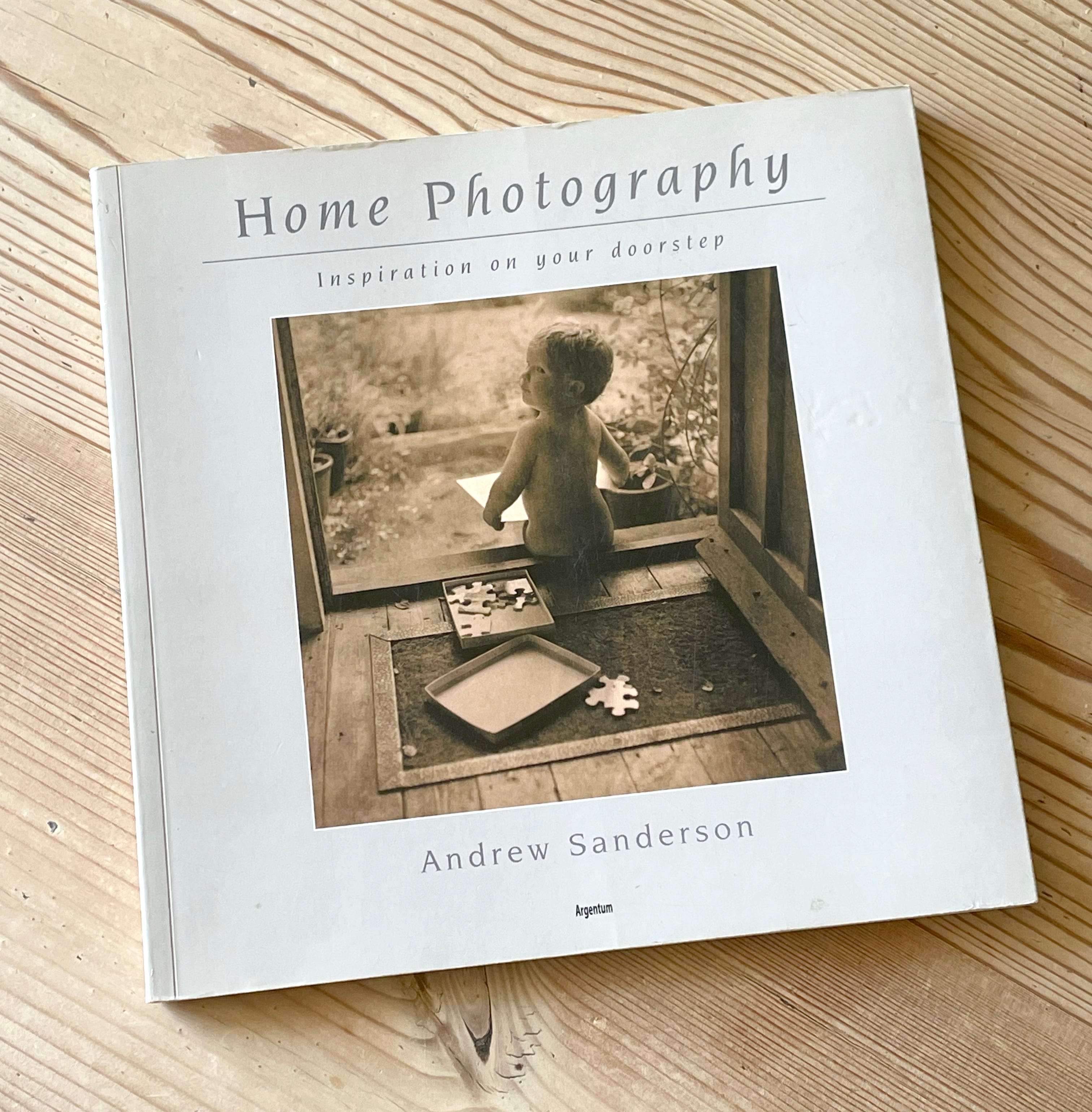
This one is lifted from my 2003 book ‘Home Photography’.
Argentum ISBN 1 902538 29 3
Do you believe that you are limited by the camera equipment you currently own?
Maybe you are thinking: 'If I move up to medium format/5x4"/10x8", I will produce better pictures.' Look around at what other people create, look through books, magazines, pick out all the pictures that really impress you, ask yourself whether this or that picture would only work using the equipment that the photographer describes or whether that shot could have been taken on other equipment. With many pictures, what makes the difference is probably just the photographer taking more care over lens choice, using a tripod, accurate exposure reading, angle of view and lighting (and being in the right place at the right time).
You can narrow this down to three important elements, assuming the camera is taking care of exposure: being in the right place, seeing and composition.
If you intend to take shots at home, then you are already in the right place and the right time is now.
How much equipment do you need to take great pictures? Well, this can be answered in two ways: hardly anything, and as much as you can get. I often find that a new (or recently acquired, shall we say), piece of equipment will inspire me to take new pictures. Changing formats always gives a different way of seeing, but at the same time, pictures can be made with one camera and one lens - or even without a lens in the case of pinhole photography. Should you feel that the quality you are currently getting is not as good as you aspire to, then moving up to medium format is perhaps worth considering (I must just say here that most users of 35mm do not achieve the maximum quality that these cameras are capable of, due to sloppy technique).
Some 35mm users are put off medium format photography because they believe that the larger cameras are harder to use. This is not so: the slower, more deliberate way of working that medium format requires is an advantage, not a handicap, as it forces you to think much more about each shot.
Some resist moving up to medium format, believing that this will be the thin end of the wedge, that this will lead onto a habit which demands larger and more expensive satiation. There is some truth in this, as the excitement over the new results are projected forward - if moving up to medium format makes this much difference, then just think what could be done with 5x4", and then 10x8"! Some even take it beyond that, to ultra large format. For most, medium format will be as far as you need to go. If you never print above 16x12" then you could just just say no to larger formats.
5x4" does have certain advantages, such as the various movements, but comparing it with an image from medium format on a 10x8 print is not going to show much of a difference.
Although I have stated that great pictures can be created with the minimum of equipment, I am guilty of collecting cameras of all sizes and formats, the largest being a home made 20x16" camera constructed from a salvaged Agfa Repromaster.
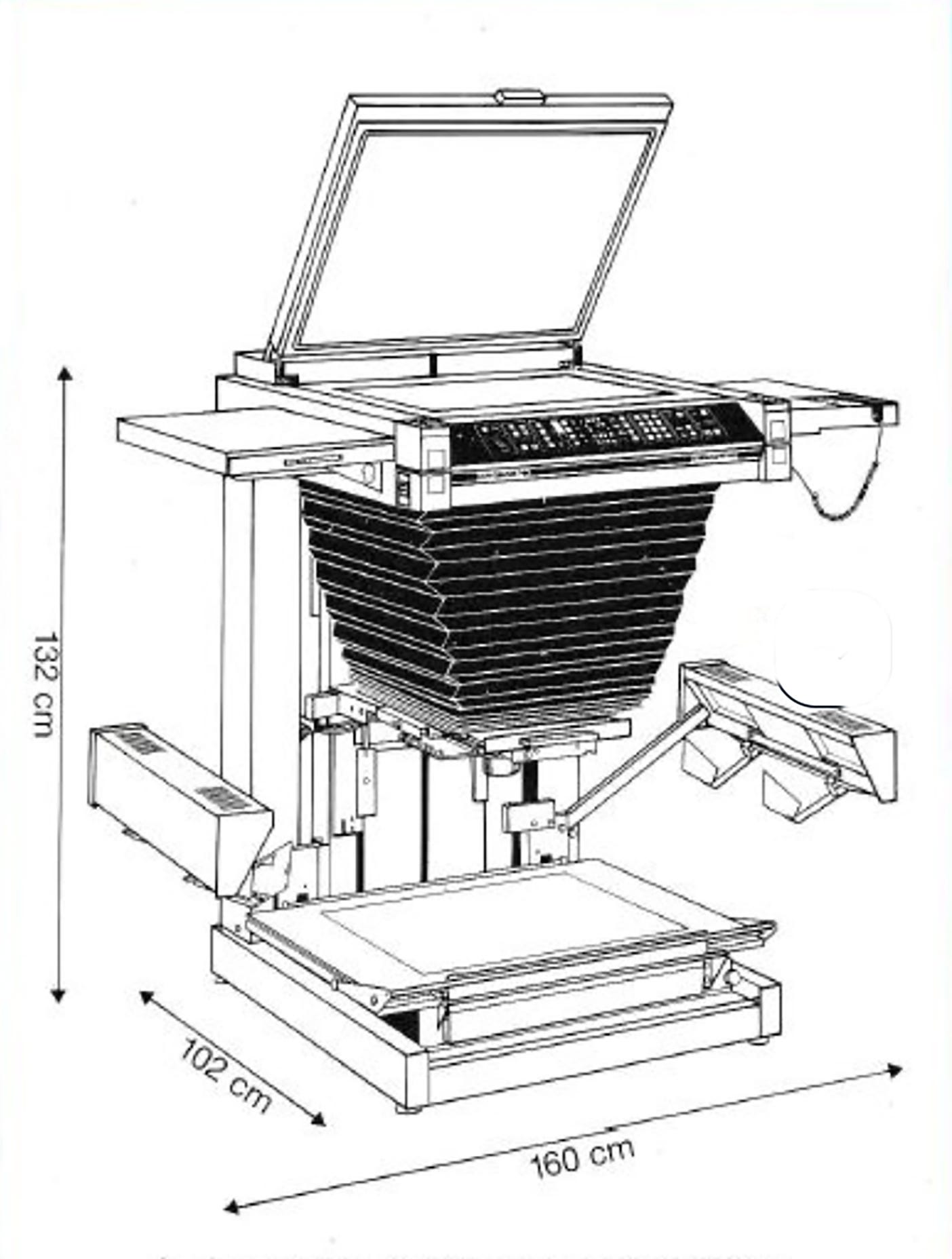
This was so cumbersome and awkward to use that it only got taken out for landscapes once and was only used in the studio three times.
Other formats I have include 10x8, 7x5, 5x4, and a wooden quarter plate Thornton Pickard which is especially lovely to use. (All of this stuff is so battered/obsolete/heavy/inconsistent or knackered that no one else would give it house room.) The smaller formats cover 35mm to 6x9cm and consist mainly of Nikon, Pentax and Mamiya, with a few simple folding cameras in there too. I have cameras made from cigar boxes, catering size coffee tins, MDF, cardboard and plywood - in fact, most things which can be made light tight!
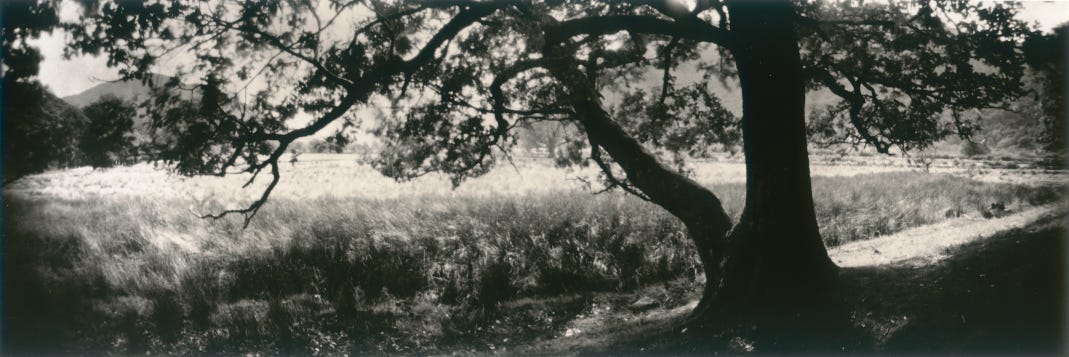
I still work with any form of lighting which is to hand, such as daylight, torches, angle poise lamps, small flashguns, etc. I believe that if the lighting is exciting, it needn't be replaced with bland softbox lighting, even though this would greatly simplify exposure calculation, so I haven’t invested in very expensive lighting systems. I have a couple of tungsten lamps on stands and a flash head and white brolly which I only use for one type of portraiture.
My way of working may seem rather luddite to some people, but I enjoy the challenge of working with difficult equipment and lighting, it keeps my mind alert. I think auto focus and auto exposure are great advances in technology and are invaluable to busy professional photographers, but they can make a photographer lazy. I also believe that the more effort expended, then the greater the satisfaction with a successful result. This is perhaps why digital photography has a short-lived excitement for me.
Don't think that you need to have the range of equipment I have just described before you can begin to photograph. A simple 35mm is adequate for most situations. I often take pictures at home with very little equipment. I do have a studio, but I need to drive a few miles to get to it, so if I get the urge to take a shot of something in the kitchen or the garden for instance, then I have to work with what I have at hand. I don't keep studio lighting at home due to the limitations of space, so the options are: daylight, an Anglepoise lamp, a torch, or a hand flash. I don't particularly like using flash, since you can't always be sure where the shadows are going to be. As Diane Arbus once said: 'when using flash, at the moment of exposure you are essentially blind'.
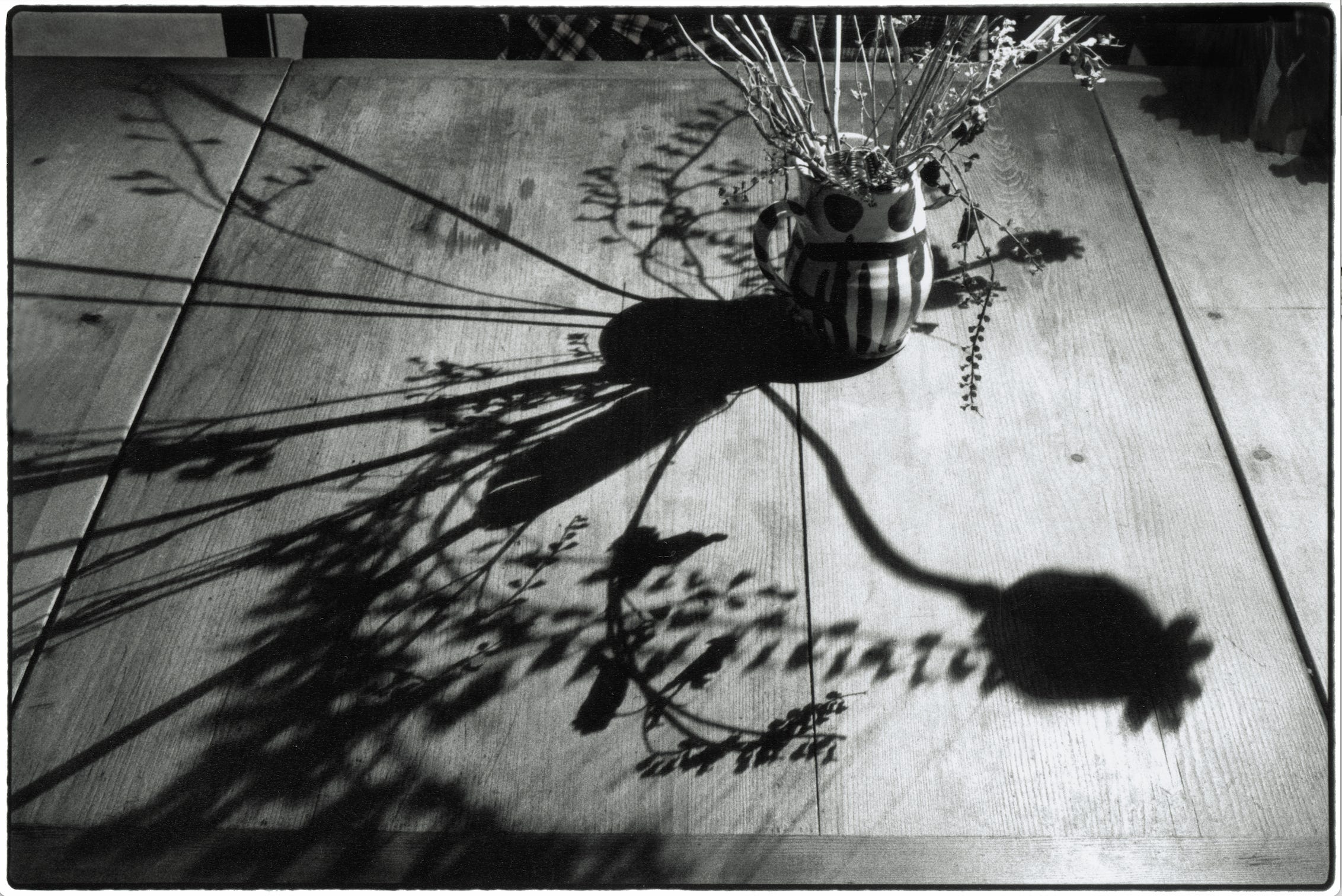
I prefer daylight, but the other options are very useful when I want some control over the direction of the lighting. They may seem like a difficult way to work, but I assure you that they are not. On occasions, if more than one light source is needed, you may have to ask someone to hold a torch, or light, in the position you require, whilst you operate the camera. If you are working alone, you have to be a little more resourceful, finding something to tape the torch to, or by setting the camera on self timer and holding the light yourself. As for backgrounds, most of the objects I have shot are small enough to be photographed on a sheet of paper less than A3 size, and this is easily put out of sight until required. Often I just use the table, the windowsill or the floorboards as a background, and this is fine for many of my subjects.
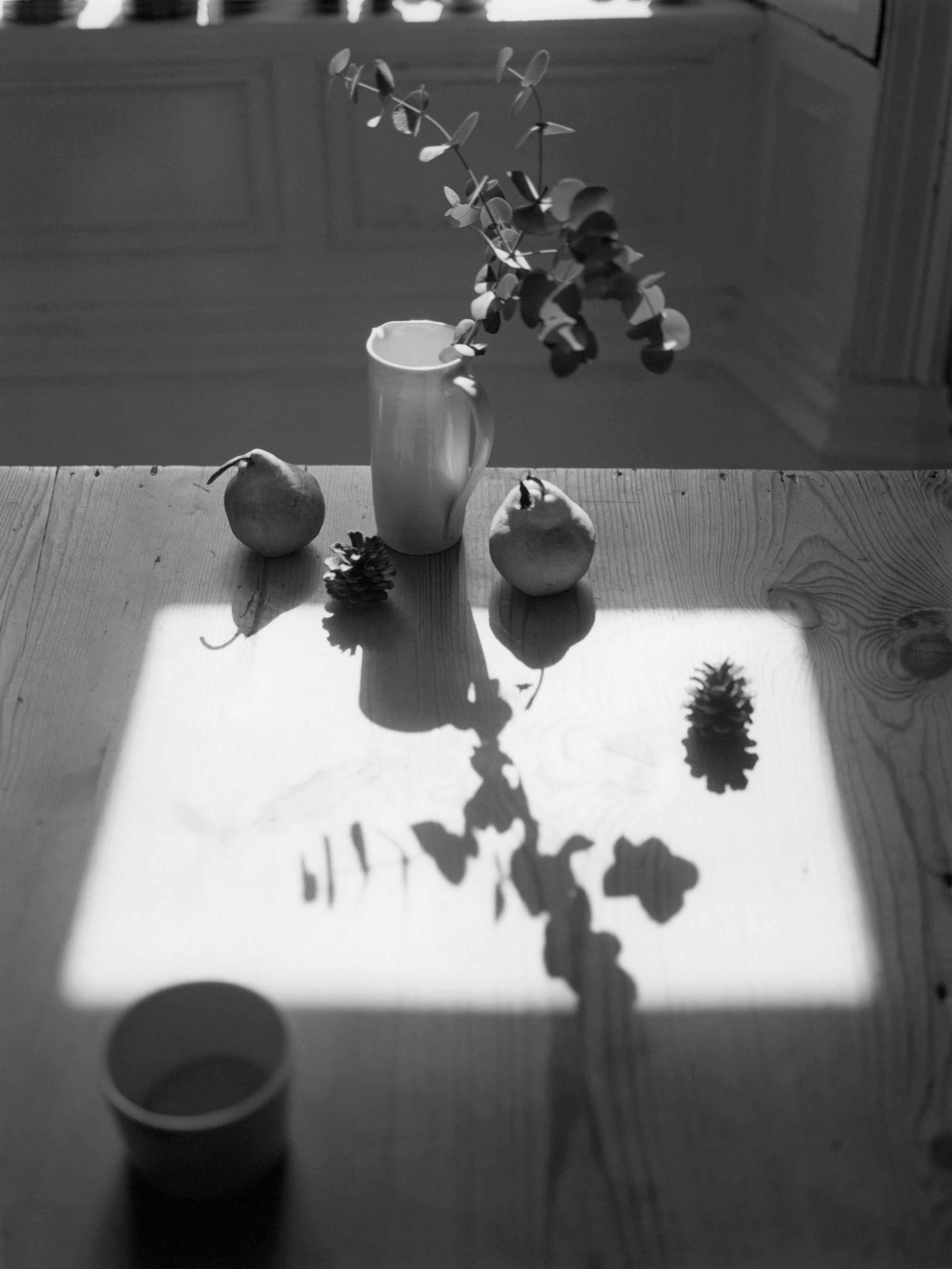
Pieces of fabric in white and black, approximately four feet square, are also useful to have to hand, and I use these as plain backgrounds or to control reflections.
When it comes to choosing lenses, buy only what you really need. It is tempting to think that you need a full range of lenses, and you can easily convince yourself of that, but if you had a huge selection then I'm pretty certain that after the novelty had worn off, quite a few of them would lie unused for many months, or even years (I've been there). A little thought can save a lot of money.
Investing in lenses is obviously going to be dependent on your budget, but the most expensive is not always the best. Many independent lens makers produce truly superb optics, and the quality of modern lenses is so good these days that it is virtually impossible to buy a 'turkey'. The optical quality is usually better than the film can resolve, so unless you buy a lens which has been dropped, or has mould inside, you are probably OK.
Which focal length to get is a harder choice. Getting a zoom lens that covers everything from rather wide to long telephoto is going to look like an advantage, but it will be a darker lens because of the greater number of lens elements within. A darker, or 'slower' lens is a disadvantage when shooting in low light, such as indoors, and when a shallow focus is required to isolate a subject from its background. Slow lenses, which usually have a maximum aperture of between f3.5 and f5.6, can't give as shallow a focus as an f1.4 or f1.8 lens. Also, at their widest aperture they are often 'fluffy' and don't give a crisp enough effect.
Darker lenses are also harder to focus, both for us and for the autofocus mechanism. OK, you are probably thinking that I am not keen on zoom lenses, and you are mostly correct, even though I have a few. I am not totally against them though, they do have their uses, but not really for the type of photography which I am proposing in this article. Short zooms in the region of 28-80mm are useful for general pictures of children or outdoor shots, but for close ups, still life, kitchen pictures and many other styles mentioned here, a standard lens will be enough. An ability to focus close up is an advantage, but a supplementary lens screwed into the front will do the job very well.
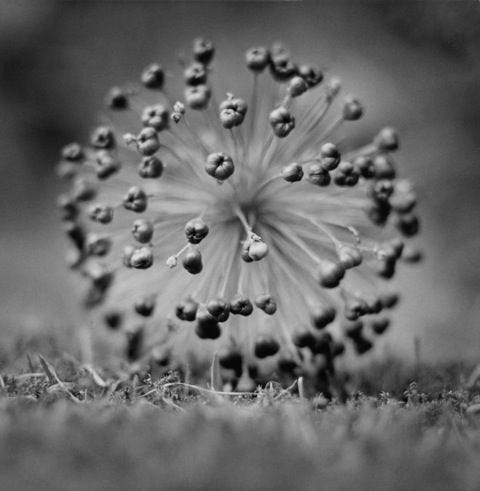
You are probably asking: 'Is that it? Just a standard lens?' Well, not exactly. A super wide lens around the 18mm range is useful to have for interiors and wacky distortions of things, and a medium telephoto of around 120mm with an aperture of about f2.8 is very good for portraits and for isolating flowers. The combination of those three lenses will give you endless possibilities.
The standard lens is the workhorse though. Out of the 210 pictures I selected for the Home Photography book, 186 were taken on a standard lens, 23 on a telephoto and only 11 were with a wide angle. I think that says it all.
Visualisation is something that a lot of new photographers have difficulty with. You can't look at a scene and imagine it on an 18mm lens if you have never used one. To get this knowledge you have to try out a complete range of lenses, but carrying a full range of lenses everywhere you go would be a heavy option, and would actually make visualisation harder. It is not possible to think in many different ways at once.
The trick is to just go out with one at a time, don't take any other lenses or cameras. This forces you to see in one limiting way, to get you used to seeing which kind of shots would work on the chosen lens, and which ones would be pointless.
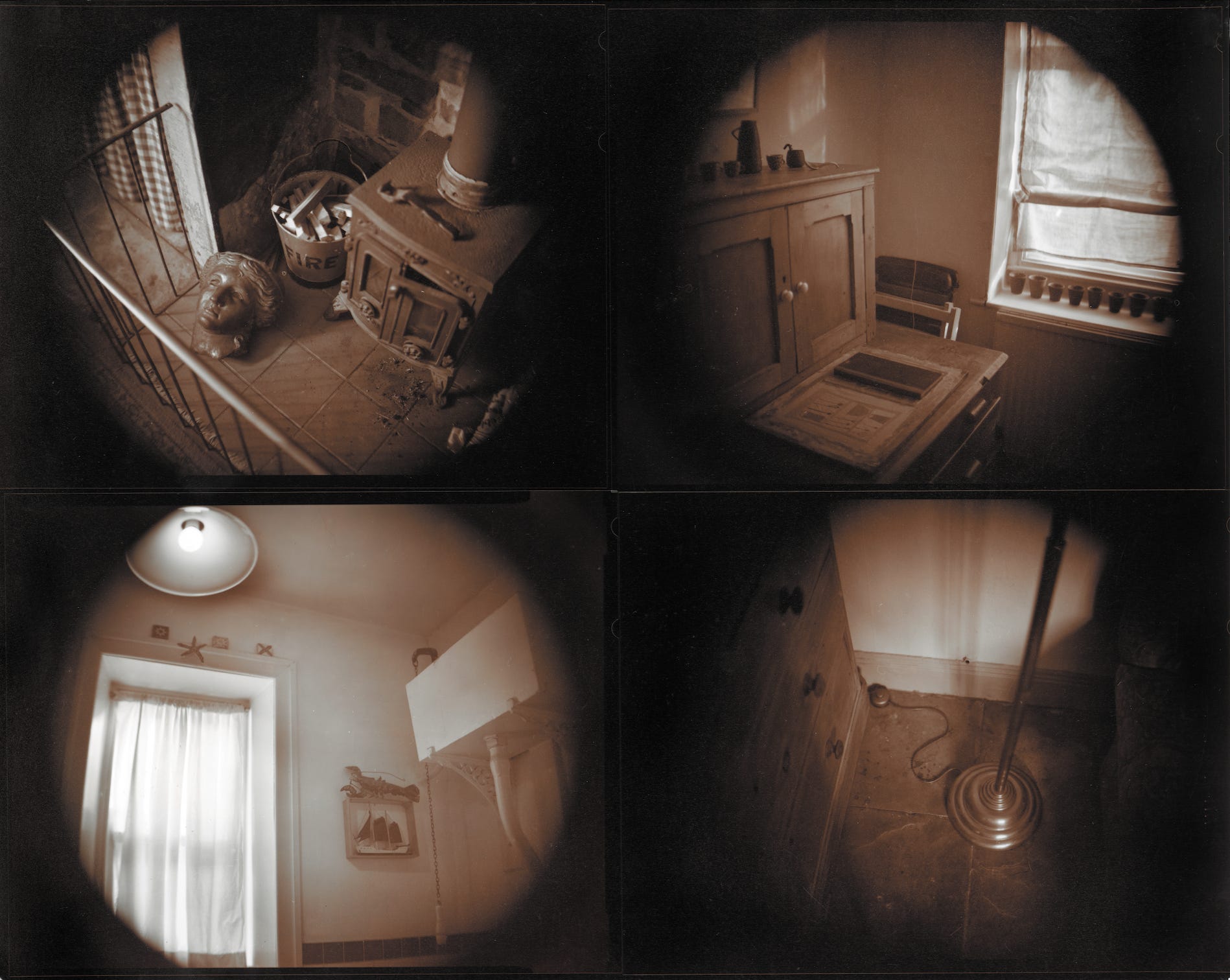
Take out one camera and one lens, and shoot three films or until you have at least six decent shots. Then switch to something at the other extreme: if you began with a telephoto, then switch to a super wide. Do the same with this, shoot three films/get six good shots and then change that lens to a standard for the next three films/six shots. This way you really get to know what a lens can do and what it can't. It is a good discipline to restrict yourself in this way, because you have to think about the type of shots you are looking for. This method of learning works best with fixed focal length lenses rather than zooms, because with a zoom there is always the temptation to change the focal length to suit your position.
Let me expand on this a little:
When photographing with a zoom, the photographer tends to stay in one position and alters the focal length until the appropriate crop has been decided. Whereas with a fixed focal length, the framing of the image has to be achieved by moving around until everything fits properly in the viewfinder. Using the zoom method, the photographer misses all the other interesting angles and never gets to learn a valuable lesson of composition about making things fit by choice of viewpoint. Using a zoom lens tends to make you lazy in your composition, and with telephoto zooms there is a tendency to get in too close. As the photographer Ernst Haas once said: 'The best zoom lens is your legs.'
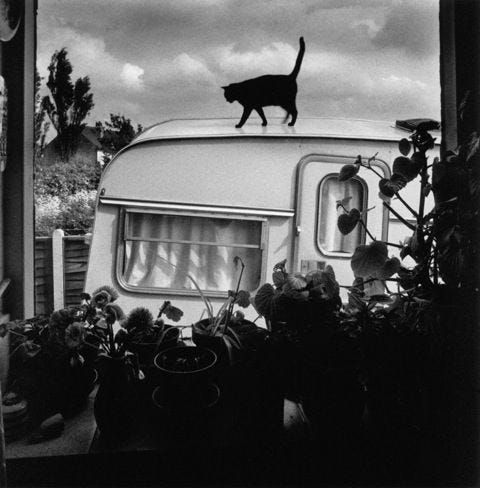
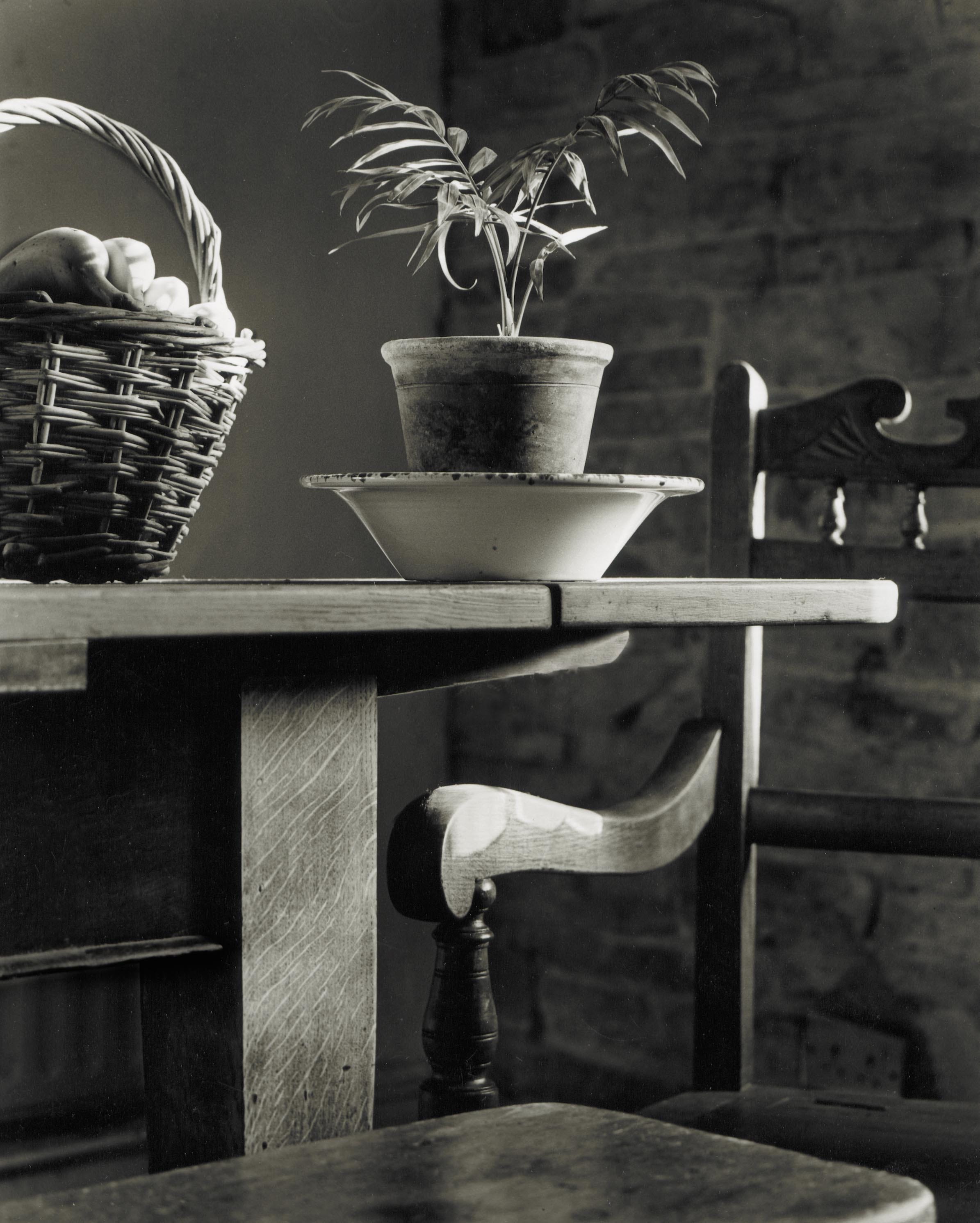
That is about all I have to say. I have deliberately not said what equipment was used for each of these images, so you will have to guess…
If you find my articles interesting or useful, please spread the word to anyone you can think of who would be interested.
If you have enjoyed this post and the information here and elsewhere on my Substack and you would like to support me, you can subscribe or just buy me a coffee at Ko-fi.com/andrewsandersonphotography You can send as little as £3.00, or more if you are feeling generous. This money goes towards materials used for the tests and printing for these articles. Alternatively you can be a paid subscriber.
Thank you for reading, please let me know your thoughts.
Andrew Sanderson April 2025.
Congratulations on the nuptials! Great article too, in light of the film explosion. My compass keeps pointing me to 35mm, 28mm FOV but sometimes I rebel :).
Much of my photography is confined to home and the immediate area. I found your book a great source of inspiration. Highly recommended.