Sunny 16.
Myth busting in the sunshine.

The Sunny 16 rule. Have you heard of it? Do you rely on it? Are your negatives regularly underexposed?
I have a problem with it, - I think people should test it, or shut up about it.
First of all, let us explain what Sunny 16 actually is: It is a commonly mentioned maxim that states that in sunny conditions, the camera can be set to f16, and the shutter speed will be the same as the ASA/ISO. It is often bandied about on photography groups on Facebook, Online forums and on YouTube videos.
Why do I have a problem with it? Because it isn’t accurate for many photographers around the world.
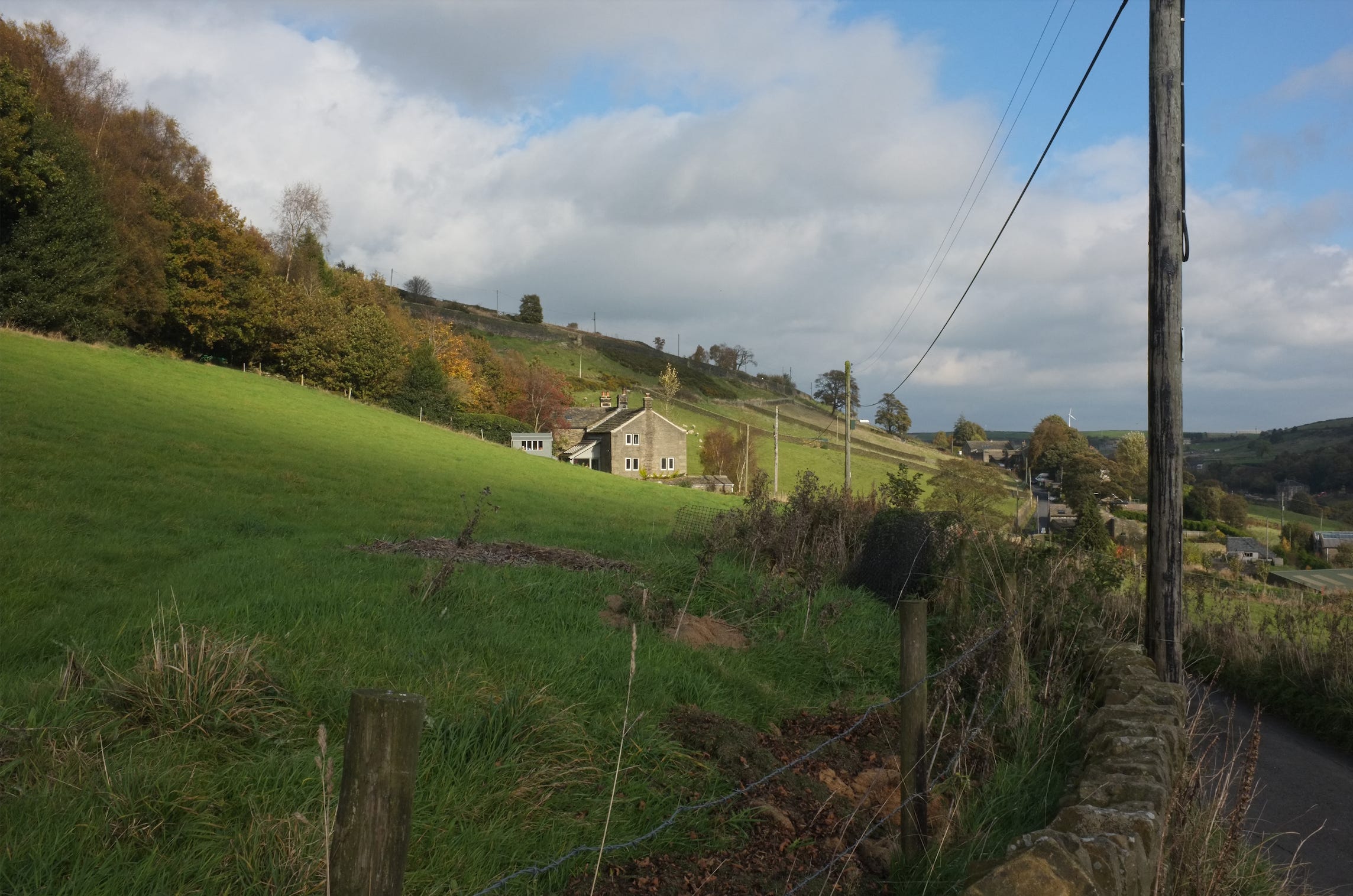
Why? because the brightness of the sun is not constant from the Arctic to the equator, and even varies a full stop between coast and countryside. Add to that, there is variation from winter to summer, so why is it spoken of as a constant?
No doubt there are photographers in California getting enough exposure with sunny 16 most days, but I live near Huddersfield in Yorkshire and most of the time a sunny day means 125th at f16 for a 400 ASA/ISO film. (This equates to Sunny 8/11).
In the UK, if you are somewhere away from the sea, you might just get sunny 16 if it is high summer, if you have the sun high in the sky and it is directly behind you. Earlier or later in the day it will be a bit less, and if you turn sideways it will be even less, because you will need more exposure to show detail in the shadows. In winter in the UK you might get enough light for sunny 16 if there is a clear blue sky and snow on the ground, but on many days it might be three stops darker.
Photographers who shoot film using the sunny 16 rule then scan, may not notice quite how underexposed their negatives are, because a lot can be pulled out of the thin parts of a neg in Photoshop as you know.
If you print your negatives in a darkroom, a thin negative is horrible to print from. The higher contrast grade can compensate a bit, but the result is always disappointing.
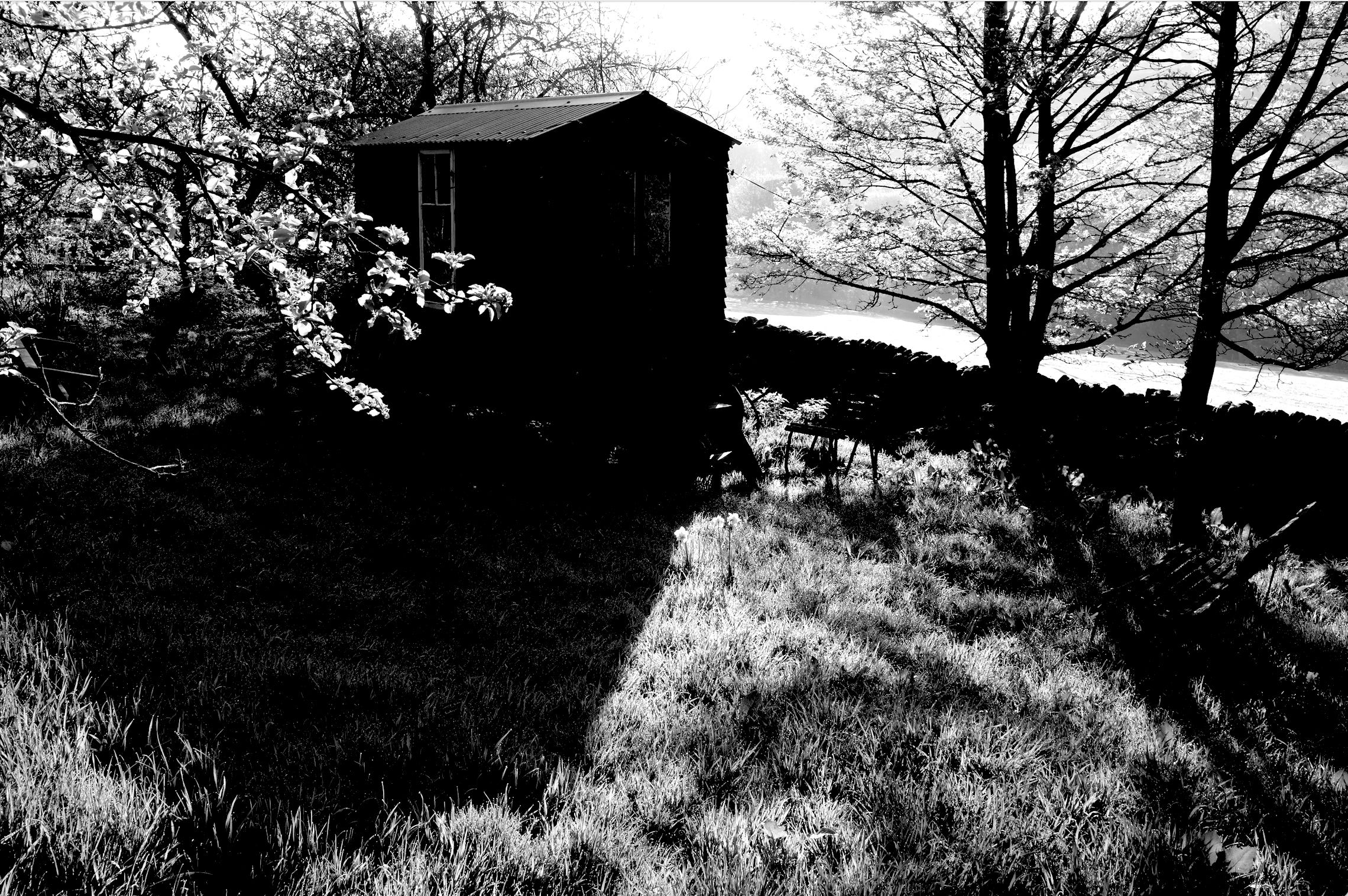
My preferred film is Ilford HP5 400 ASA/ISO. If I was exposing according to the Sunny 16 maxim, in sunlight the setting would be a 400th of a second at f16. Now there is a 400th of a second on Mamiya RB67 cameras, but most other cameras have 250th, 500th and 1000th. The nearest to 400 is a 500th, so that is often chosen. Immediately the choice of the faster speed loses a small amount of light. Added to that, a location and time of year that isn’t top notch sunshine will underexpose even more. If you compare this chosen setting to the one I regularly get, there is a two stop difference! If I used a 500th at f16 in my town, my negatives would be two stops underexposed.
The sunny 16 rule was originally devised as a way of shooting transparency film at a time when light meters were not very reliable. It was important to avoid overexposure with transparency film, so slight underexposure was preferable. Exposing for negative films is different, they benefit from slight overexposure (but not overdevelopment).
In practice, with the sun off to one side, you would need to open up your aperture roughly one and a half stops from sunny 16, but no one ever mentions this. The advice to shoot at f16 is passed on because they read it somewhere.
Sunny 16 is one of those myths in photography that regularly crop up in articles, blog posts and comment sections, and If you try to suggest that any of these commenters might be mistaken, you are immediately pounced on by a number of people who are totally convinced of the thing, despite never having tested it. The Sunny 16 rule is one such myth in my opinion. I wrote about it on my old blog about ten years ago and mentioned it with a link on facebook and I was treated like a heretic.
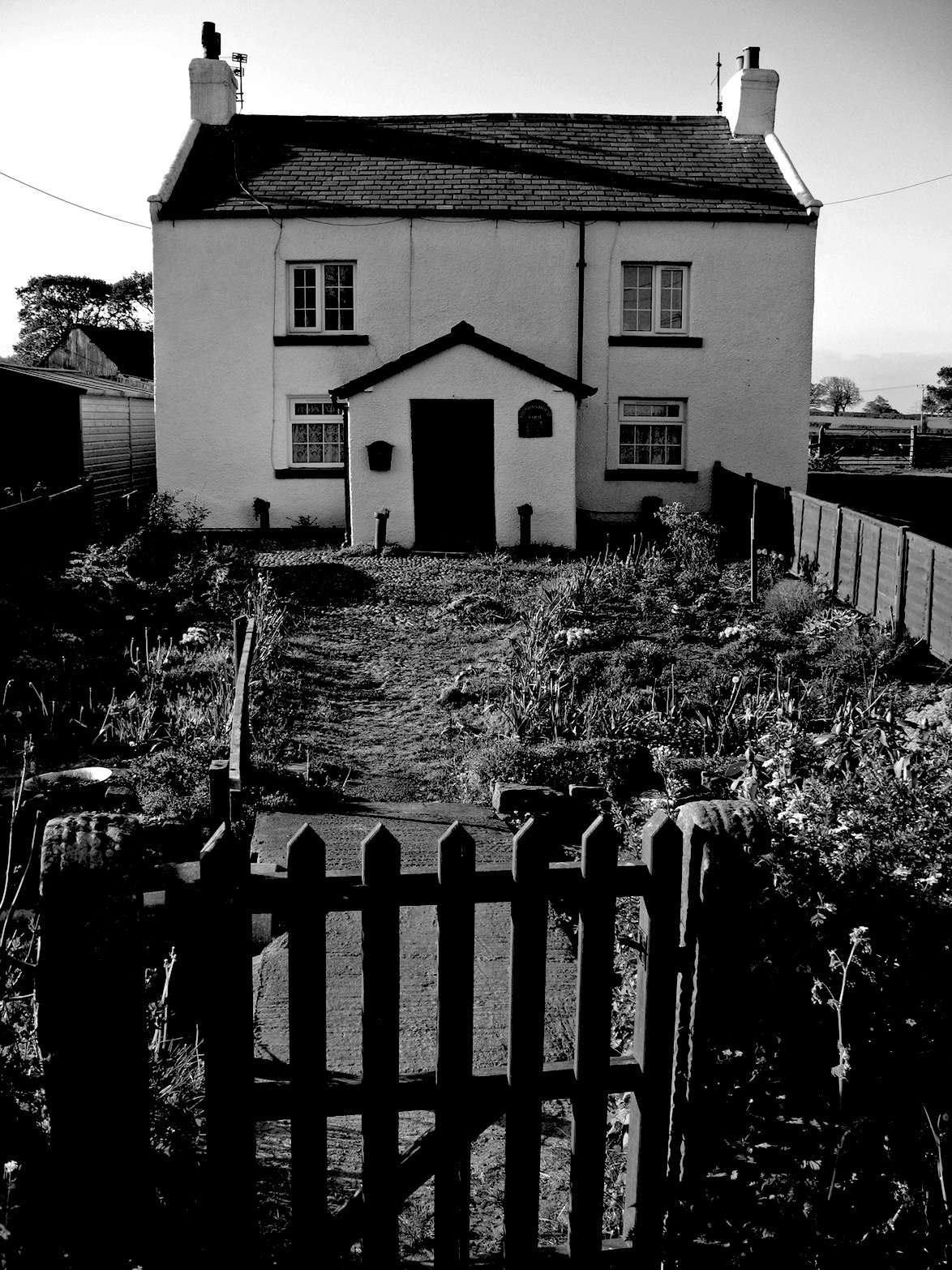
If you want to understand something in photography, devise a test for it.
The thing to do is to test it yourself. Take a shot tomorrow (April) at sunny 16, then take a meter reading with the sky excluded and do a shot at that setting. Make notes of the two exposures and the lighting conditions. Then try to remember to do the same in the middle of July and again in December -two shots each time. Compare your negatives and refer to your notes. You can now establish your own ’Sunny f-stop’ and keep it somewhere handy.
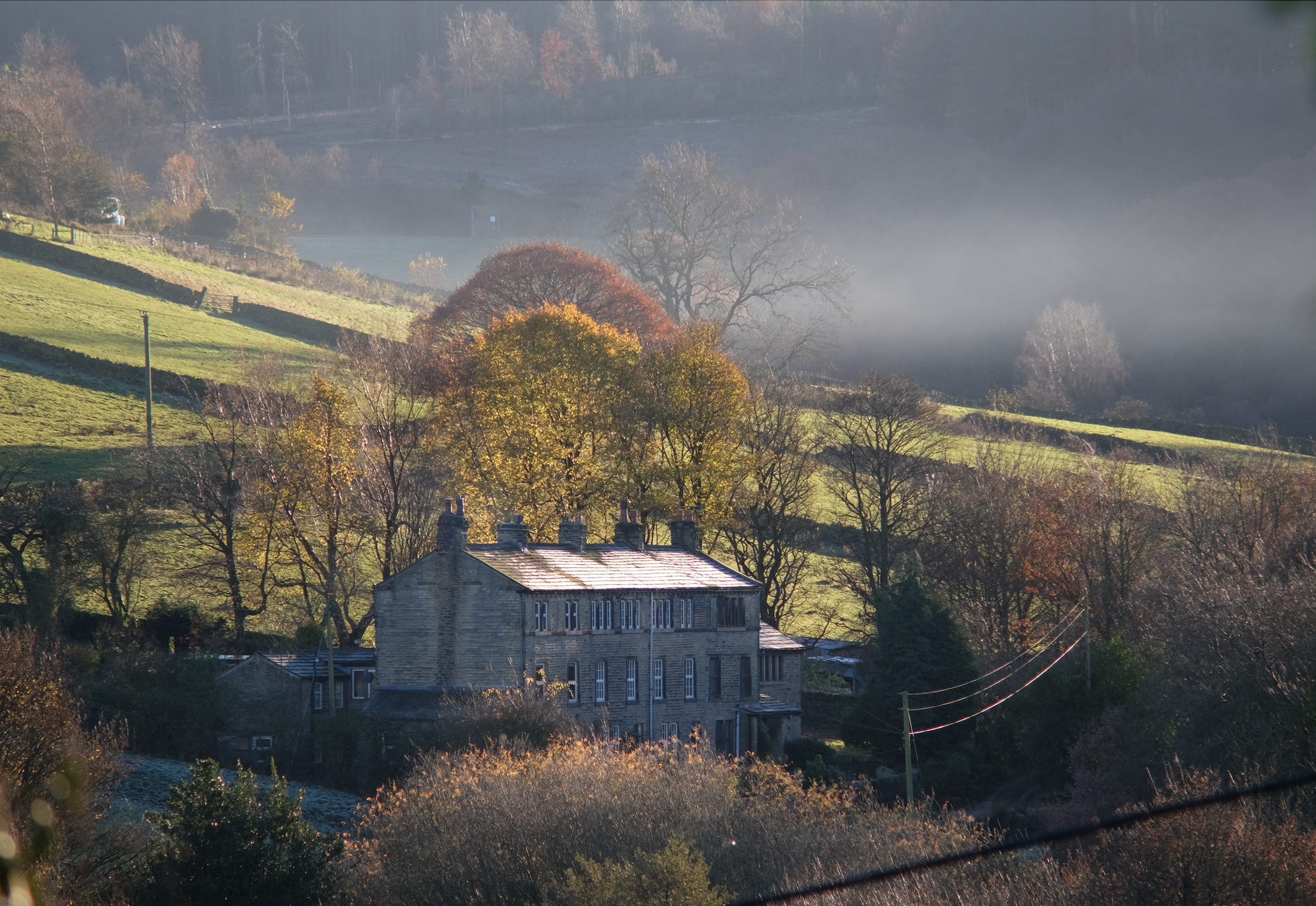
Disclaimer: I didn’t have access to my film negatives and prints this week because I have been on holiday with my family. I had to make do with digital shots found on my hard drive. I don’t like working this way, so I won’t be making a practice of it.
I’ll finish off by showing some of the stuff I have read online:
“Sunny 16 is ‘incredibly reliable’, and ‘It has been the standard for over a century”, (actually only since 1960 when ASA standards were set).
“It’s not foolish to believe in Sunny 16, because it’s not an opinion, it’s a fact” (Yeah, if the light is bright enough).
“Don’t remember having an issue with exposures... however I do always try and overexpose by a stop or so regardless” (I use sunny 16, but I overexpose by one or two stops?).
“I shoot mostly b&w and pretty much always use sunny 16 and adjust to slightly overexpose in most well lit conditions” (As above- this is not sunny 16).
One person even showed a picture with the details; ‘Sunny 16, Kiev 4 camera’ -the picture was a night shot!
I mention these comments not to ridicule people, but to illustrate the widespread misunderstanding around it.
Please let me know your comments.
If you find my articles interesting or useful, please spread the word to anyone you can think of who would be interested.
If you have enjoyed this post and the information here and elsewhere on my Substack and you would like to support me, you can subscribe or just buy me a coffee at Ko-fi.com/andrewsandersonphotography You can send as little as £5.00, or more if you are feeling generous. This money goes towards materials used for the tests and printing for these articles. Alternatively you can be a paid subscriber.
Thank you for reading, please let me know your thoughts.
Andrew Sanderson April 2026.
Other places to see my work;
Instagram; http://instagram.com/andrewsandersonphotography
Original hand made darkroom prints are available from my online shop; www.andrewsandersonphotography.bigcartel.com
I also offer one to one workshops at my darkroom/studio in West Yorkshire, UK. If you are interested please email me at andrewsandersonphoto@gmail.com
The “Yorkshire sunlight in autumn” hit my cross-Pennine genes like an emotional brick… – such a beautiful image: and however you exposed for it, it turned out perfectly! Thank you so much for finding it on your hard drive (just for me).
I shoot a lot with a meterless TLR and have used the sunny 16 as a guide line many times. That said, I almost always intentionally over expose, and, I live in California ☀️🙂