Shutter speeds and apertures.
Clarifying the relationship between the two for a greater range of options.

I wanted to begin my technical articles right at the beginning with a throrough, but hopefully easily understood, explanation of shutter speeds and apertures.
Let’s begin with shutter speeds.
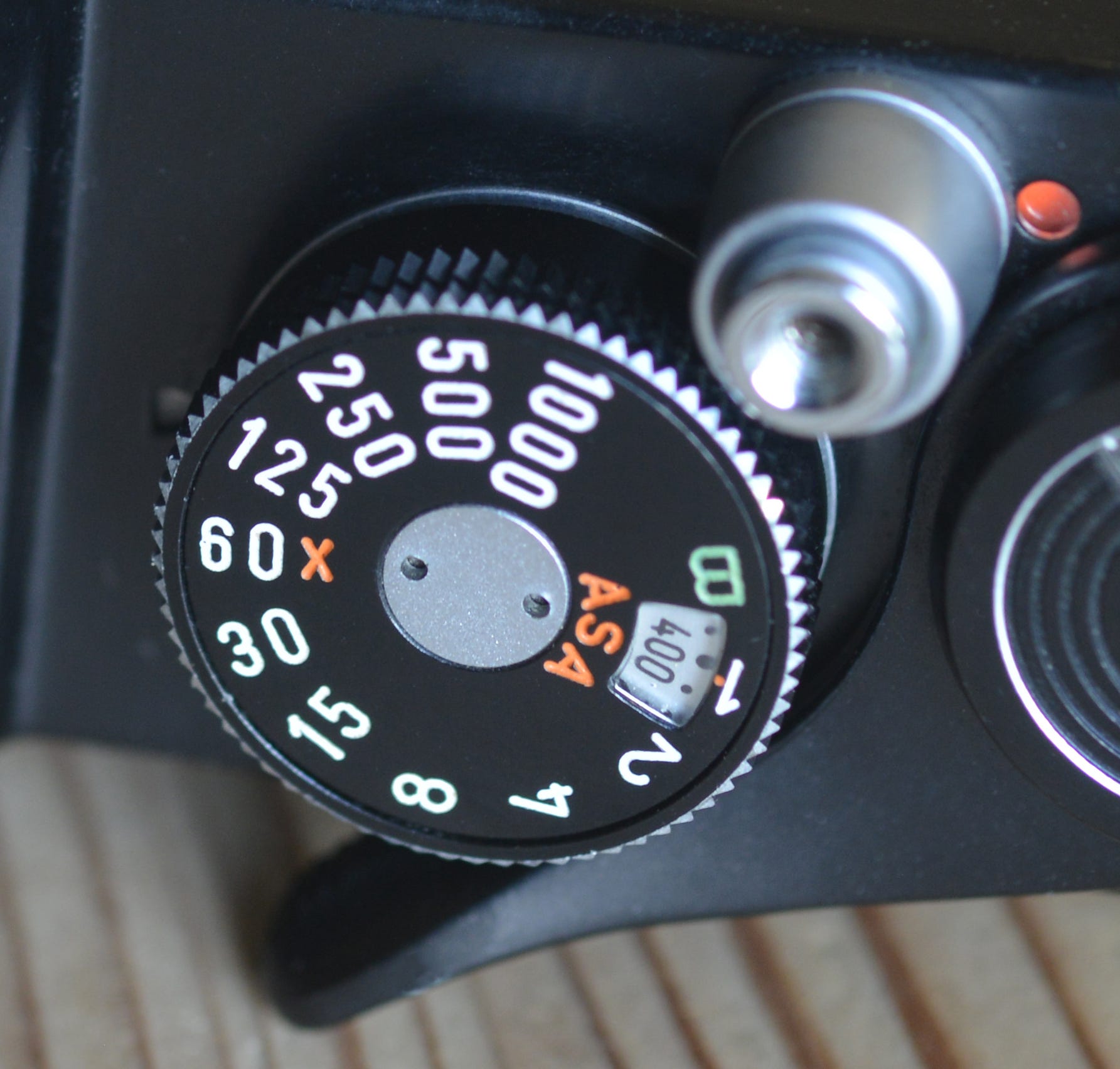
Do you have an empty manual camera to hand? Open the back of the camera, wind on to cock the shutter, set the shutter to 1. and fire it. The shutter is open for one second.
Now imagine that, instead of a camera in your hand, you had a device that allowed water to pass through an opening for one second and underneath you have a vessel to collect the water. With the shutter open for one second, there will be a certain amount of water in the vessel below.
Now set the shutter dial to 2 and fire it. This is half a second. If water were passing through there would be half as much as before. With the shutter set to 4 the amount of water that could pass through would be half as much as before, ergo a quarter of the original amount.
Going forward with the knowledge that each number equates to a fraction - more specifically half - of the one before it, you can see that each time you move up a speed, you are dividing the amount of water (light) that can pass through in half.
It follows then, that if you start with a faster speeds and then move down to the one below, you are letting twice as much through. When you take a picture, the difference between one shutter speed and the next is a doubling or halving of exposure, depending on which way you are going.
Shutter speeds are always referred to as fractions; a two hundred and fiftieth of a second, a sixtieth of a second, a quarter of a second.
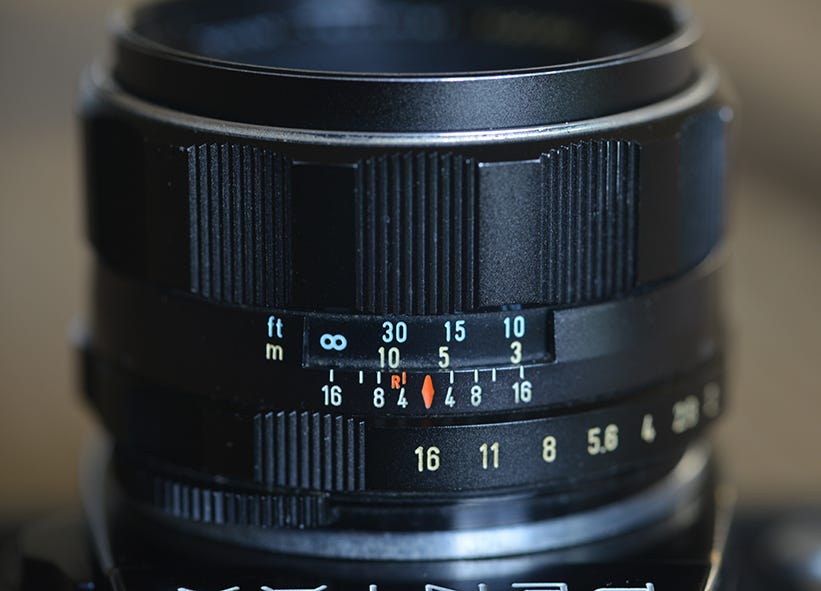
Now let’s move onto apertures. Do you have a manual, fixed focus lens, like a 50mm? As you look down at the lens and see the numbers on the aperture ring, the sequence of numbers is an odd arrangement; 2, 2.8, 4, 5.6, 8, 11, 16. What do these numbers mean? These numbers refer to the size of the opening of the aperture.
If you remove the lens and look through it, does the opening in the lens move as you move the aperture dial? Some do this whereas others only do it when you take a picture. If you can see a small hole when the dial is set to 16, then this explanation is going to make more sense.
You should be able to see that the aperture opening is smallest at 16 and gets larger as you move the ring past 11, 8, 5.6 and all the way to 2.
Now I would like you to imagine that there is no glass in this lens, just a variable aperture, and going back to the analogy of water, imagine that you are passing water through this opening.
Obviously a lot more water will pass through when the opening is at its widest and not very much will flow when it is at its smallest. This is exactly how light is either let in, or restricted when you take a picture.
Apertures are allways referred to as f numbers; f16, f2 or f4.
The aperture scale.
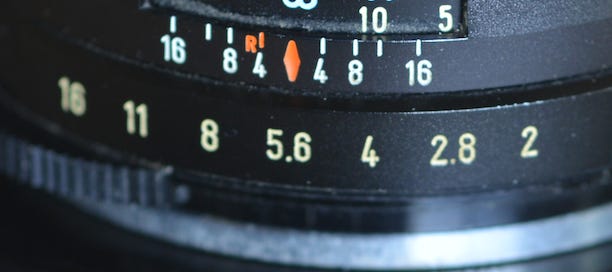
The difference between each of these numbers is also known as one stop, because changing from one number to the next allows either twice as much light through, or half as much, depending on which way you turn it. Looking at the numerical sequence, it would appear mathematically to be every other number, but as far as exposure goes this is not the case.
The term ‘stop’ goes back to the very beginnings of photography and originally referred to individual stips of brass with different sized holes drilled in them. If you wanted a certain aperture you simply inserted the correct brass strip into the barrel of the lens, and this stopped some of the light. The term now refers to each difference in exposure; one stop, two stops etc.
So you see, you have two ways to control how much light comes into the camera. Why not just have one, you may ask? This is because they have an additional function.
Fast shutter speeds freeze movement, and slow shutter speeds show movement. Apertures, on the other hand, control how much is in focus from foreground to background, also called depth of field.
You will have noticed that in some photographs there is only one thing that is sharply in focus,
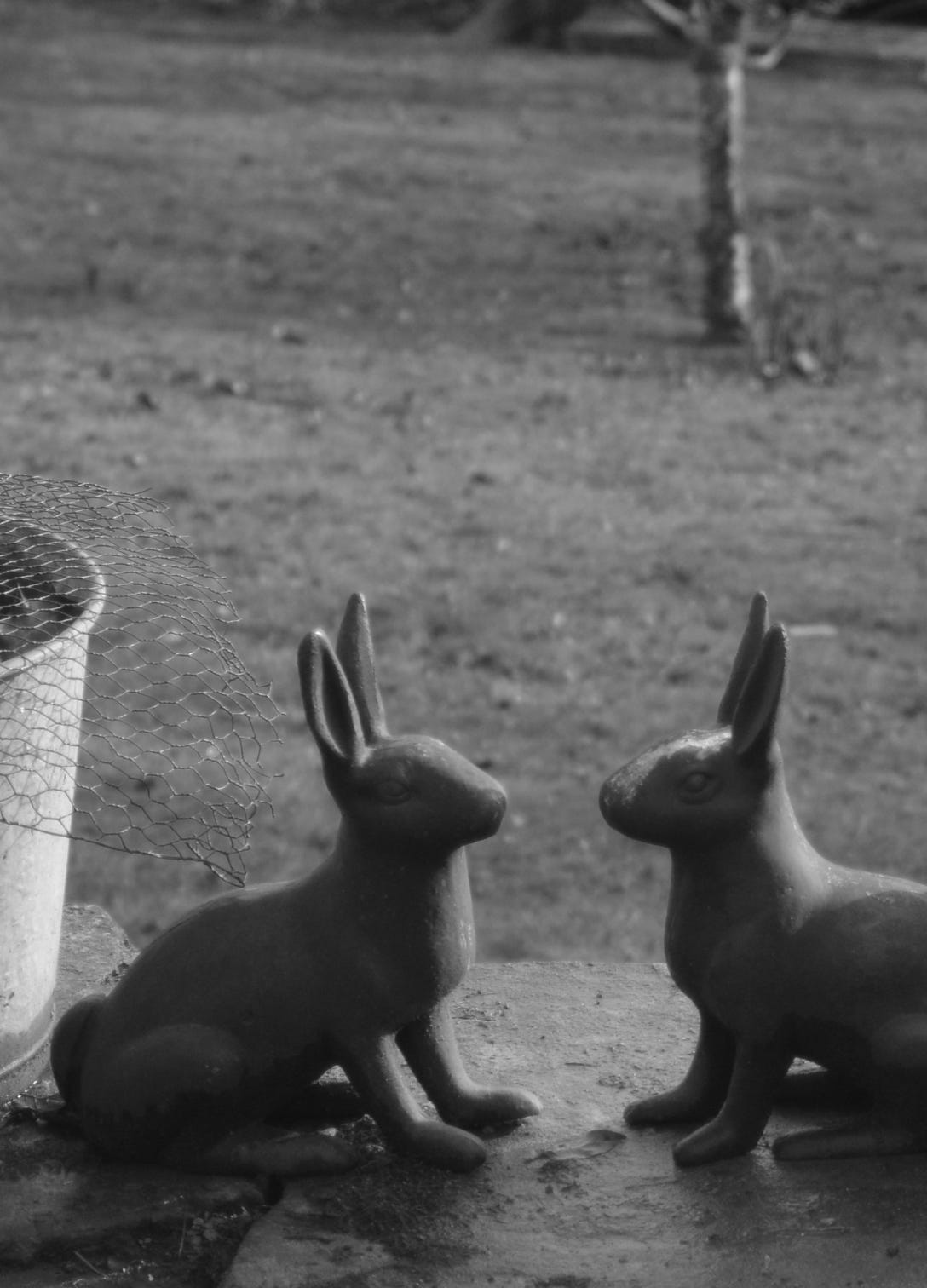
and in some other images everything is in focus.
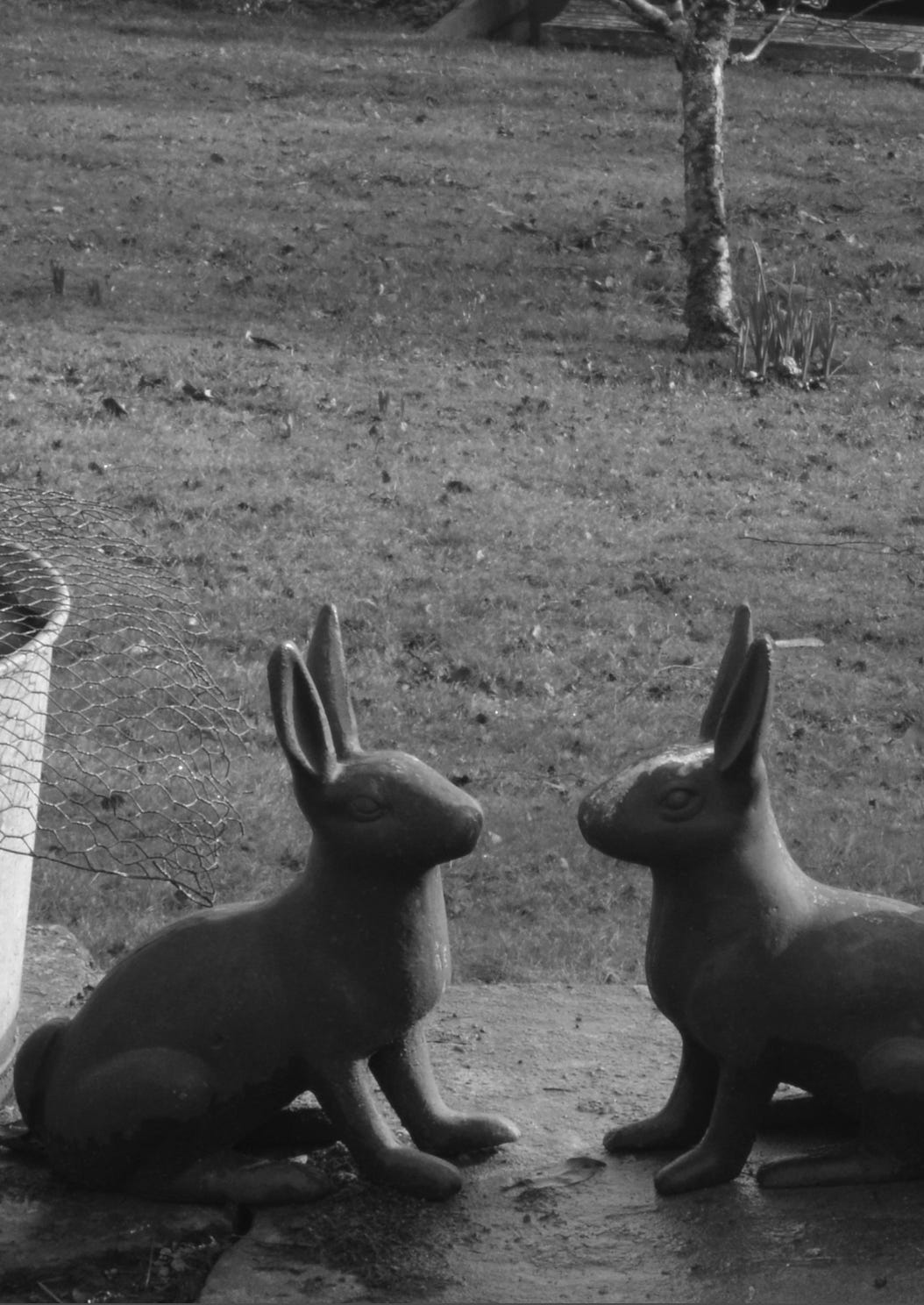
This is controlled by the aperture. A small aperture gives you lots in focus and a large, open aperture isolates one thing. The other numbers are the gradual change from one extreme to the other.
Because both the shutter speed scale and the aperture scale are each one stop apart, you have a fair amount of flexibility with which combination to use. Let us imagine that our light meter reading recommends a 60th on the shutter scale and f5.6 on the aperture.
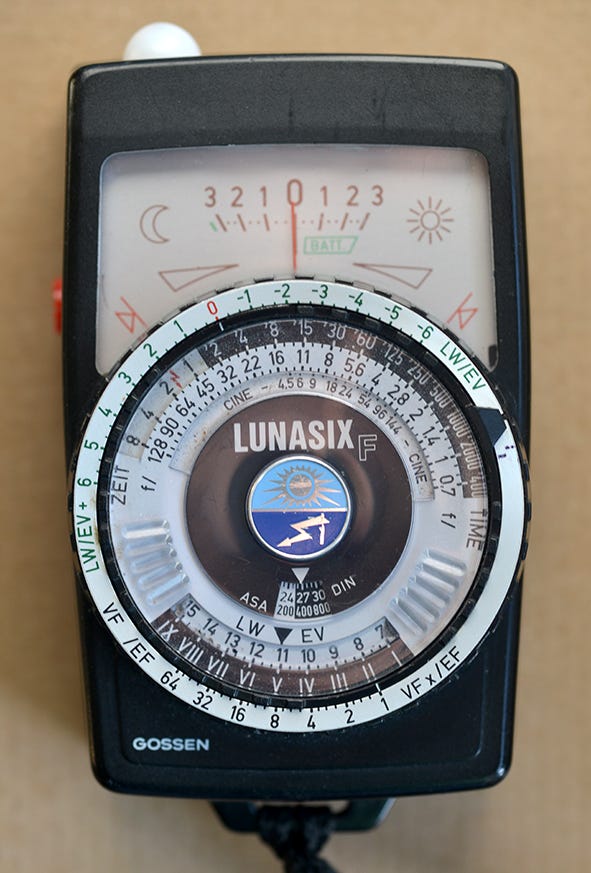
If the shutter speed is changed to 125th, half as much light will reach the film, causing underexposure. If the aperture is then moved to f4, then twice as much light is passed through the aperture, compensating the change of the shutter speed. This relationship holds true at all settings, so with a combination of a 60th and f5.6, I can open up the aperture to f2 for shallow focus, and then compensate for that exposure difference by moving the shutter speed to 500th. Picture I moved the aperture scale three stops, so I compensated by moving the shutter speed dial three stops. Exactly the same amount of light reached the film, but I was able to use the aperture creatively for isolating the focus (shallow depth of field). Let’s take this the other way; Starting with 60th at f5.6 again, If I wanted maximum depth of field (lots in focus), then I would move the aperture ring to f16, which is three stops different. I would then need to move the shutter speed dial three stops down to let more light in, and in this instance that would be an 8th of a second. All of these options and more can be seen at a glance with an analogue light meter such as the Gossen Lunasix.
Understanding depth of field.
The diameter of the lens aperture determines how much of the scene will be in focus. The aperture size varies and can be set in a wide range of possible sizes, but how does this make sense and how can it be controlled? At one end of the scale the aperture lets in the most light in, but the focused area will be shallow, and at the other end the light is restricted, but the focus extends much, much further.
Looking at the camera when you are out shooting and trying to remember which number means shallow focus, and which number means lots of depth of field, can be confusing. There are two ways to think about it so that it makes sense.
Firstly, think of those numbers as fractions; 1/2, 1/4, 1/8th, 1/11th and a 16th. (do not confuse this with shutter speeds which are actual fractions, this is just a visualisation). At f2, the opening is roughly half of the width of the actual body of the lens.
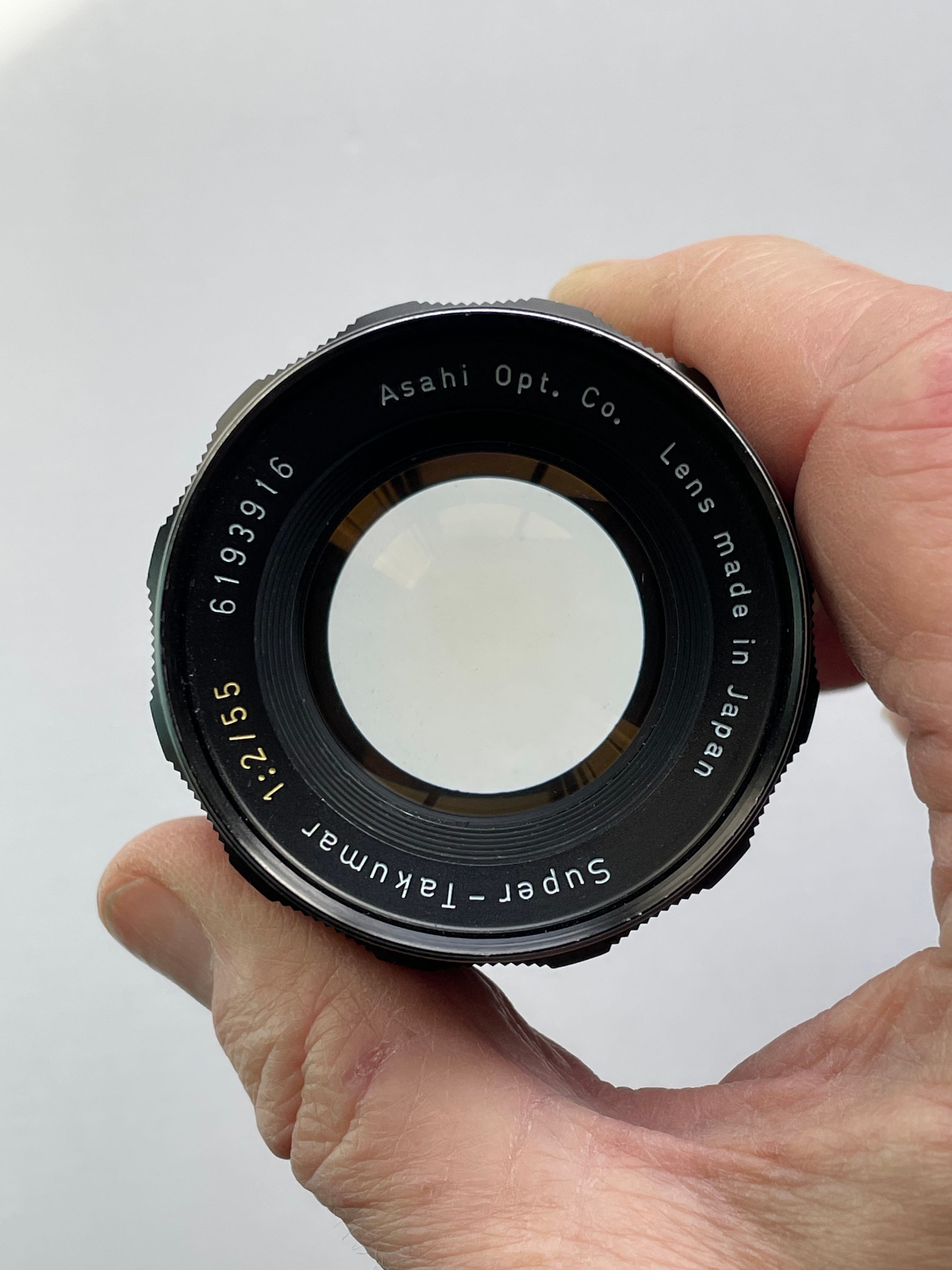
Closed down to f16, the width of the hole is about a 16th of the width of the actual body of the lens.
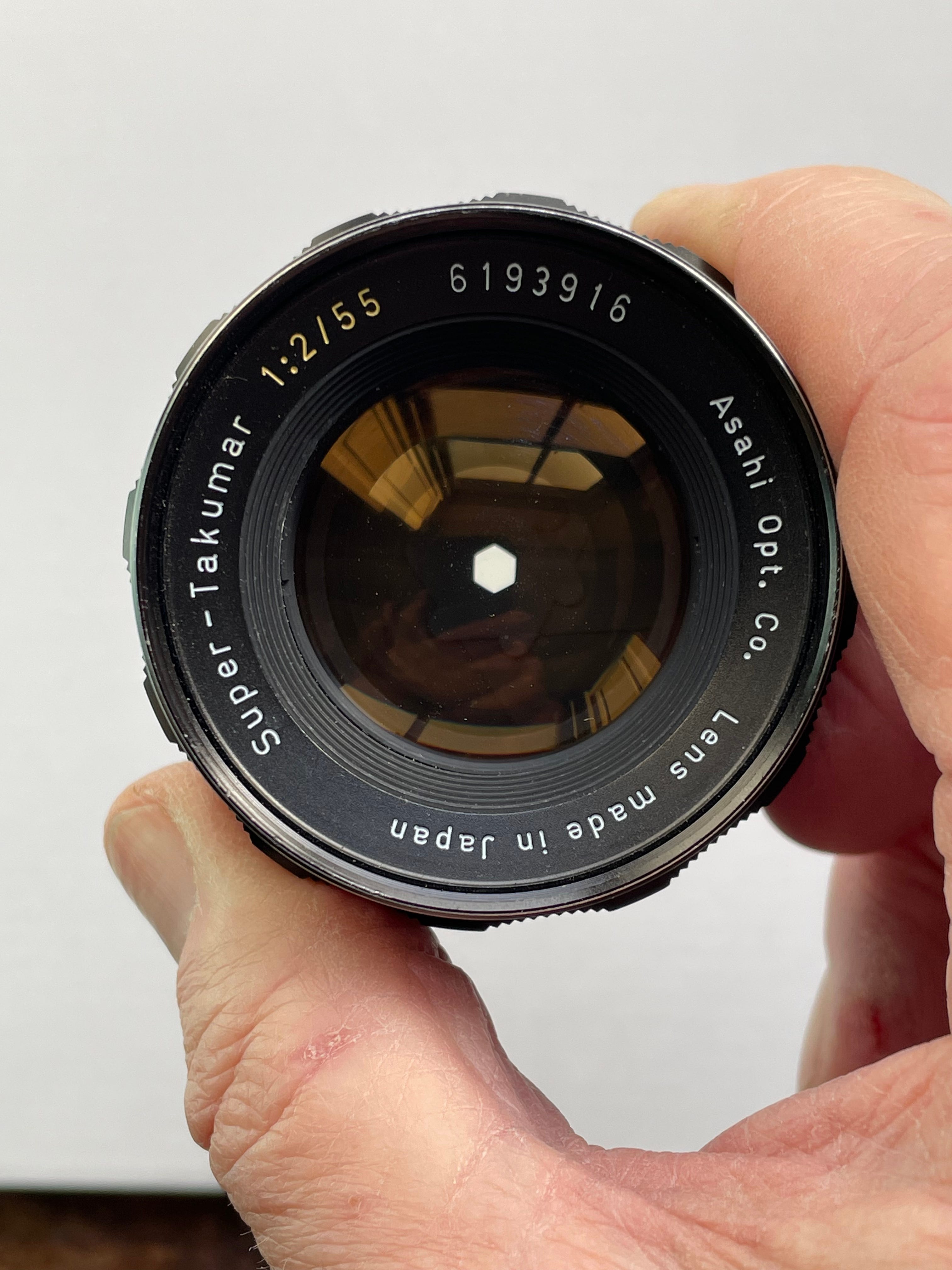
Remember the water analogy when we discussed shutter speeds? Imagine again that there is no glass in the lens, just an opening that can be large or small. If I give you a golf ball sized lump of plasticine and ask you to roll it into a sausage shape that will fit through the largest opening of f2, your shape would not be very long. If I then closed the aperture down to the much smaller hole of f16 and asked you to roll it out so that it would fit through that, it would be much longer. This shape is a representation of the area of focus.
It can be easily visualised, then, that a small hole gives a longer area of focus and a large hole gives a shorter area of focus.
The area of focus extends both ways from the point of focus; that is to say that if you were focused at 20ft away and you closed the aperture down to f16, the area nearest to you would become sharper and the area beyond the point of focus would become sharper. Depth of field is different for different focal lengths, but a 50mm lens focused at 20ft and closed down to f16 will give a sharp image from 10ft to infinity.
Secondly, if you are confused that a large number means a small hole, which means a large depth of field, simply think about it in these terms; the larger the number, the greater the depth of field.
Judging how much depth of field you have, and where it is going to be, is important. Lenses of fixed focal lengths (not usually zooms) have a scale on the lens that makes it easy to see what part of the scene you can get in focus for the aperture you are using.
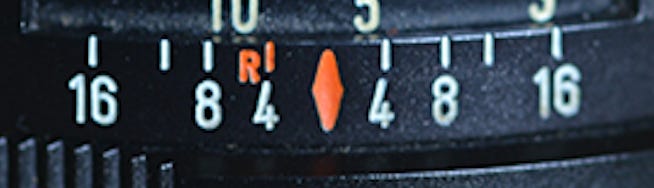
Imagine that you are shooting a landscape and it is your intention to get your subject and infinity in focus. Put infinity to the little marker that represents your aperture.
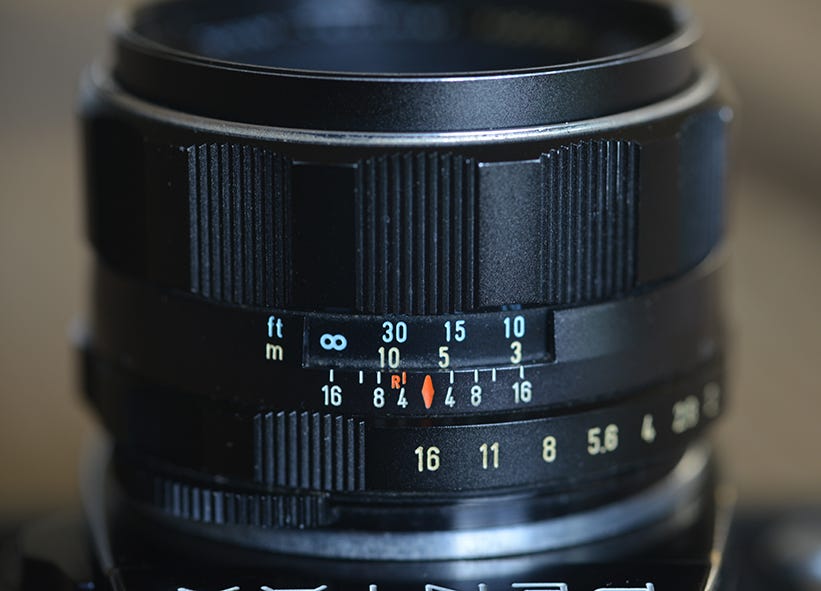
In my example here I have my aperture at f16, so I place the infinity symbol where the 16 is. If I look at where the other 16 is at the other side of the scale, it will tell me what the closest point of focus will be. In this case it is 10 feet away, so with the lens in this position I have from 10 feet to infinity in focus.
If I was shooting an interior and I wanted foreground furniture and windows behind all in focus I could focus on the closest bit of furniture and then on the distant window and see if those points on the distance scale were within the two 16 markers. If they were, the picture could be taken with everything in focus. If not, I would have to make an important decision about where the focus should be. Foreground and mid area sharp with background out? or foreground unsharp but middle and distant sharp? The depth of field scale gives you options, but you have to work within the limitations of the optics and the light you have.
So far we have discussed the relationship between the speeds and apertures and how a slower speed can be selected if a smaller aperture is desirable. This leads us to something that photographers need to be aware of; camera shake.
It should be fairly obvious that slow speeds give fuzzy pictures. It is not possible to get a sharp picture if you are hand holding the camera when you are set on one second. Conversely, it is almost impossible to deliberately create camera shake when the shutter speed is set to 1000th or above. So at what point does this change significantly? What is the slowest shutter speed that can be used in conjunction with handholding whilst still avoiding camera shake?
The answer depends on the lens you are using. If you are using a telephoto lens that magnifies the view in the distance, it will also magnify any slight movements that you make, and you will need a fast shutter speed, whereas a standard 50mm lens shows no camera shake (with careful handling) between a 60th and the fastest speeds.
Understanding which shutter speed is the lowest you can use for a chosen lens is a simple matter, If you look at the focal length, then choose a shutter speed closest to that number, (or slightly above to be on the safe side), then you have your answer.
Focal length Shutter speed
1000mm lens 1000th
500mm lens 500th
200mm lens 250th
135mm lens 250th ideally, though you might just get away with 125th
90mm lens 125th
50mm lens 60th
35mm lens 30th
28mm lens 30th
24mm lens 30th
17mm lens 15th
In our example above, where the aperture was at f16 and the shutter speed at an 8th, camera shake would have been inevitable without a tripod.
That’s about it, my little piece about shutter speeds and apertures turned out a little longer than I expected, but I didn’t want to miss anything out. I hope you found something of interest and it clarified som things for you. If you know anyone who is new to photography who might benefit from this explanation, then please link them to it. I will be adding more articles on the technical aspects of analogue photography in the coming months.
beautifully explained.