Shadows.
Using areas of black to improve your composition.

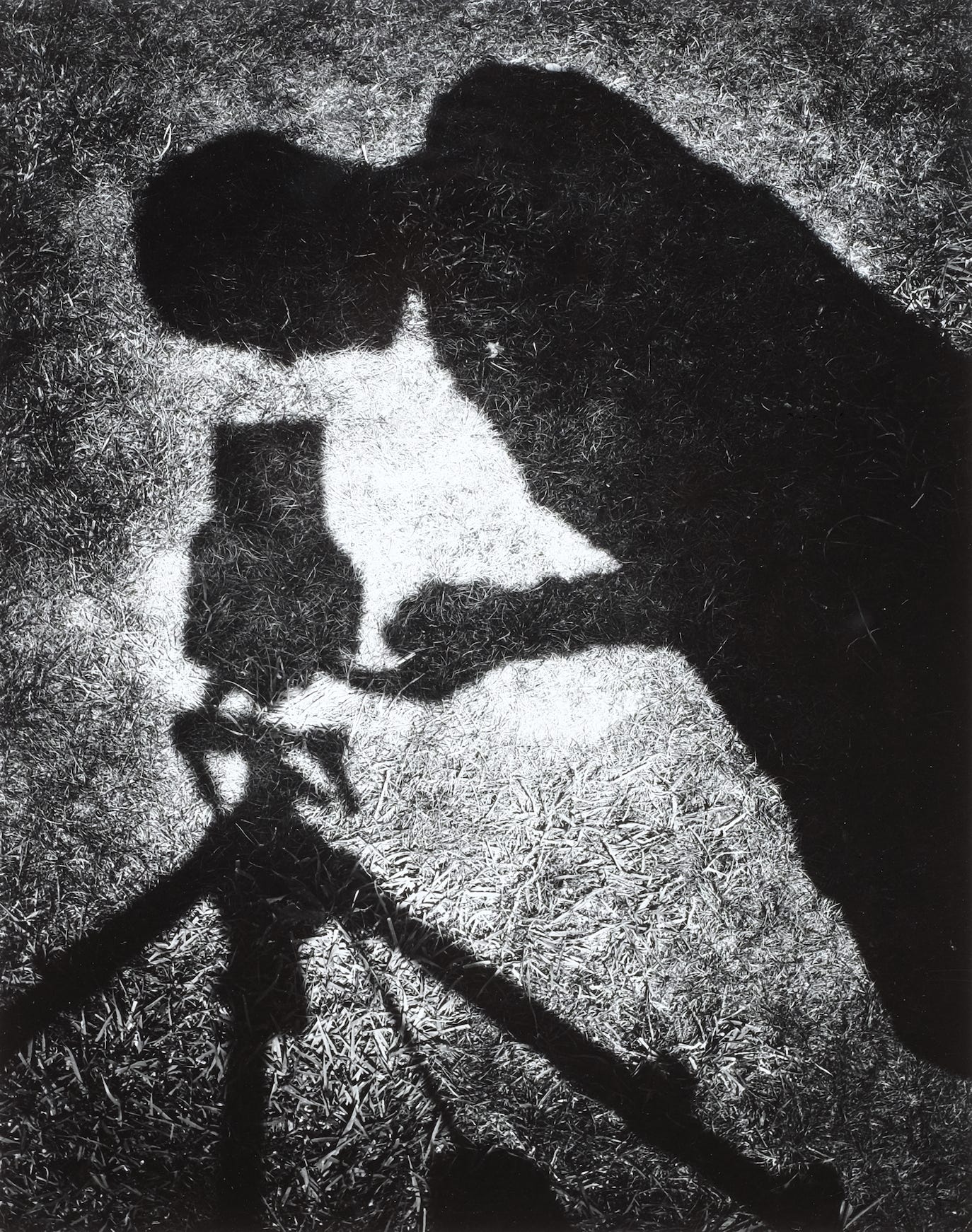
As photographers we are primarily concerned with light, but often the most interesting shapes come from the absence of light – the shadows. We are usually instructed as photographers, that our exposures should be worked out accurately to ensure that we have plenty of shadow detail, but it can also be that having a deep shadow, or even a solid black, can give a stronger picture. Using shadows creatively can impart a powerful compositional element, -the black areas give strength to the image.
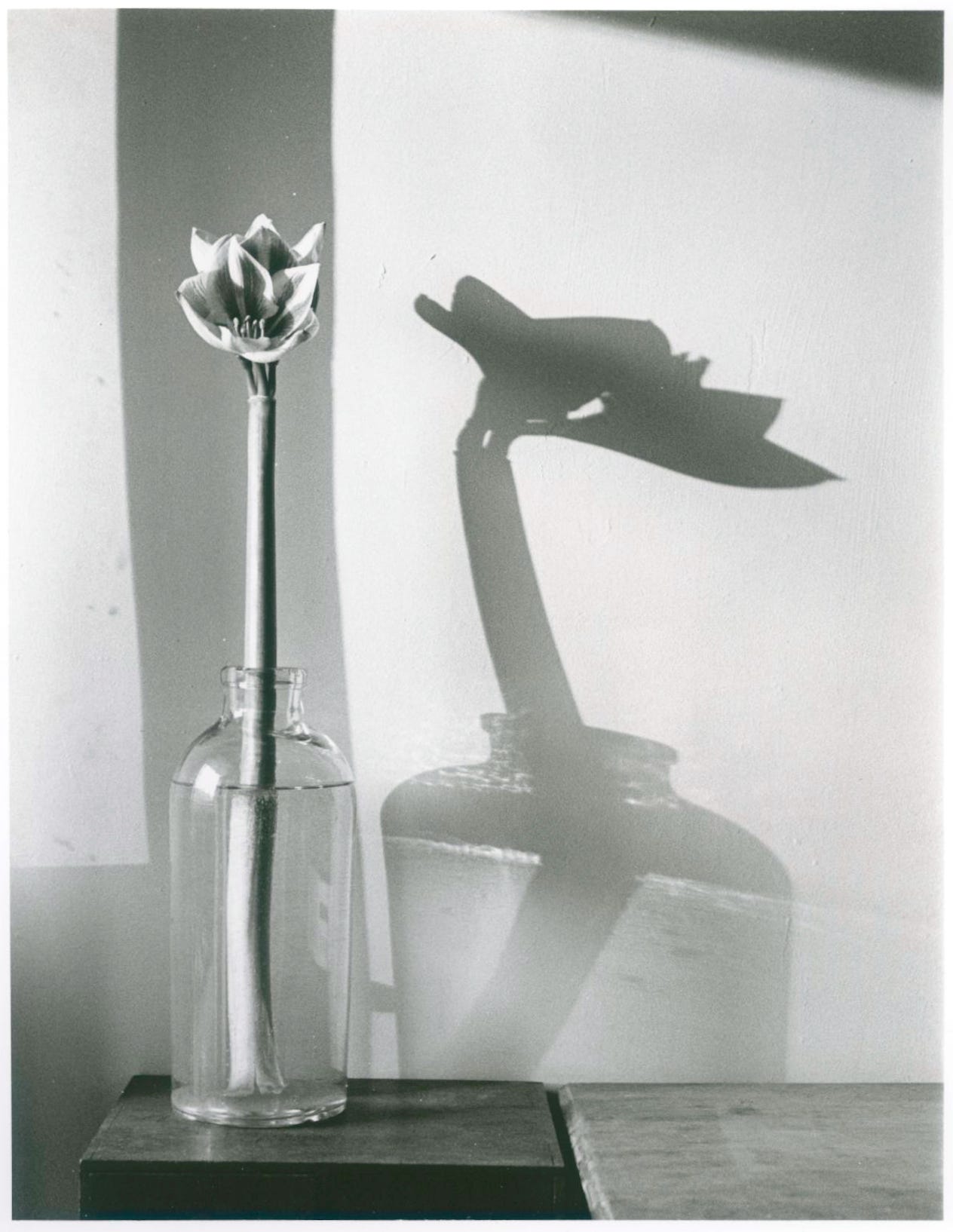
The way shadows become distorted as they spread over an uneven surface is also very interesting to me, and has been a very important element in many of my shots. In this shot of the Amaryllis, the wall was uneven so the shadow took on a more fluid shape.
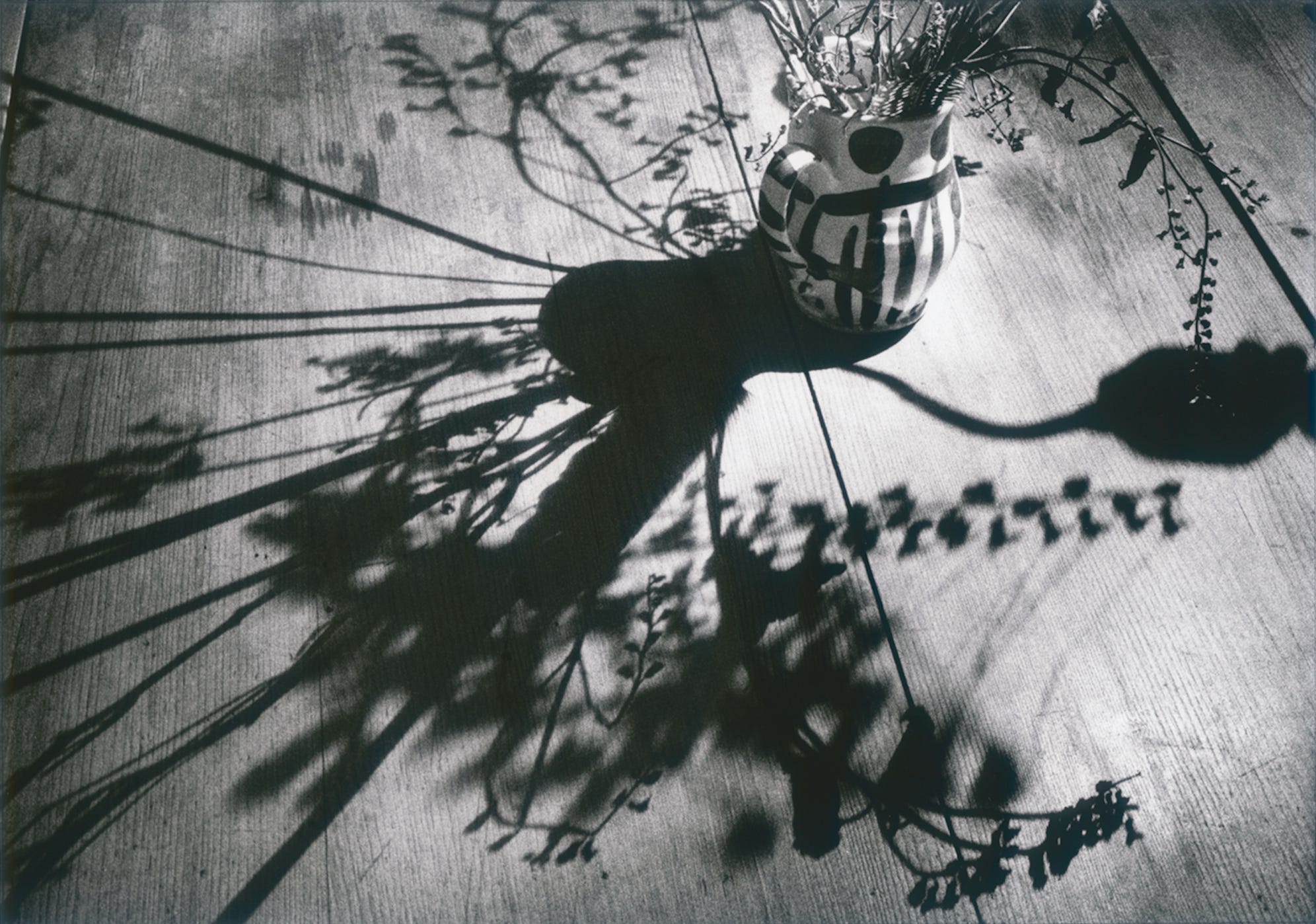
The shot above was just observed as the sun streamed in one day, but the next image was created deliberately with a strong halogen bulb. In this picture, the small, intense light source was held close to the dried flowers and this gave large, exaggerated shadows. These black shapes become an really important part of the composition.
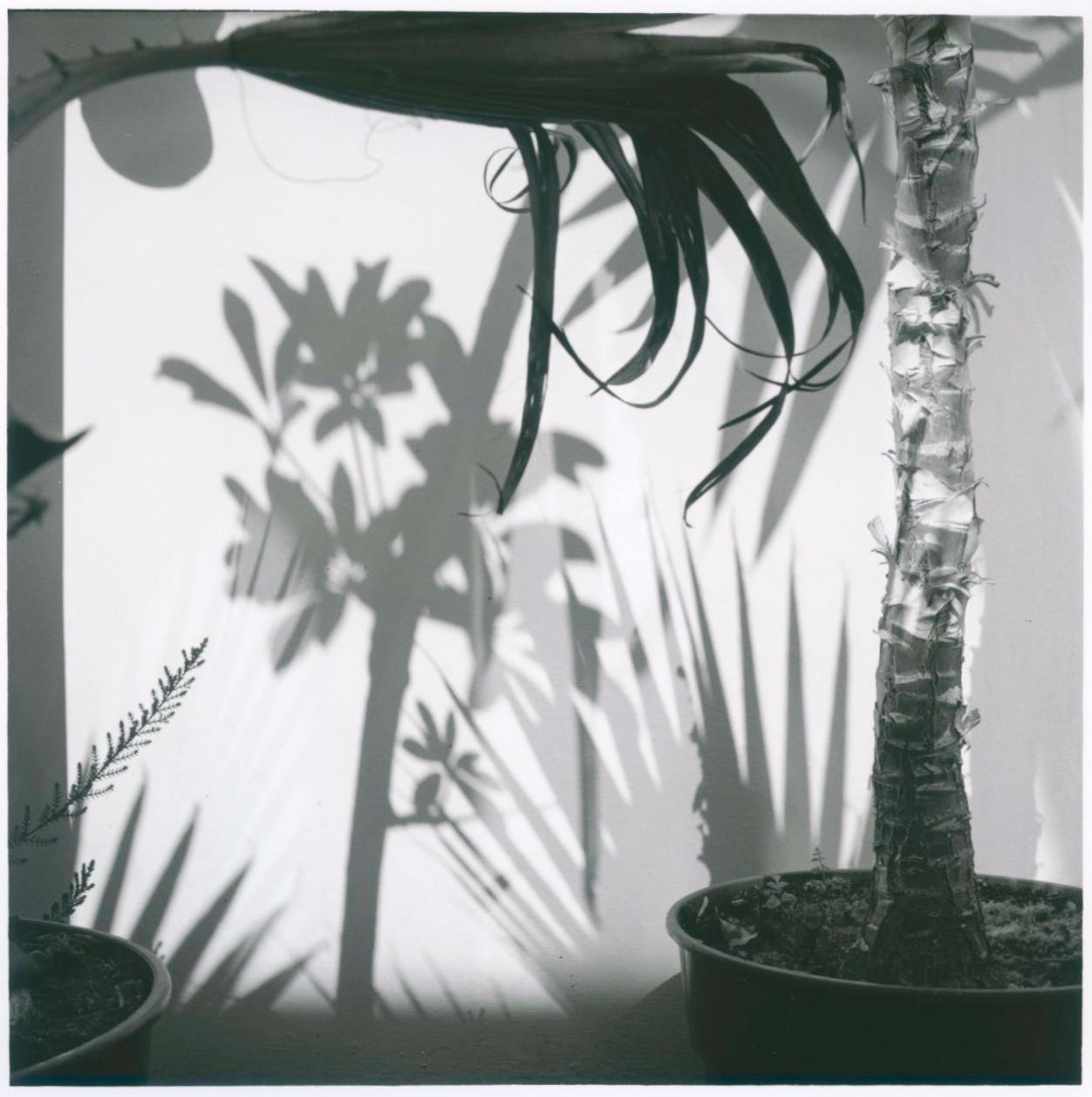
In the following shot I have a silhouette and crossed over shadows which combine to create abstract shapes.
This was taken in my fathers conservatory, he had plants casting a shadow on the wall, but sunlight was reflecting off glass and this gave a second set of shadows. It looks as though some of the shot is a single exposure and some is double exposure.
In the following image, the shadow of the railings are like arrows pointing at you and I think that the shapes are more apparent than if I had shot the railings themselves, with such a distracting background.
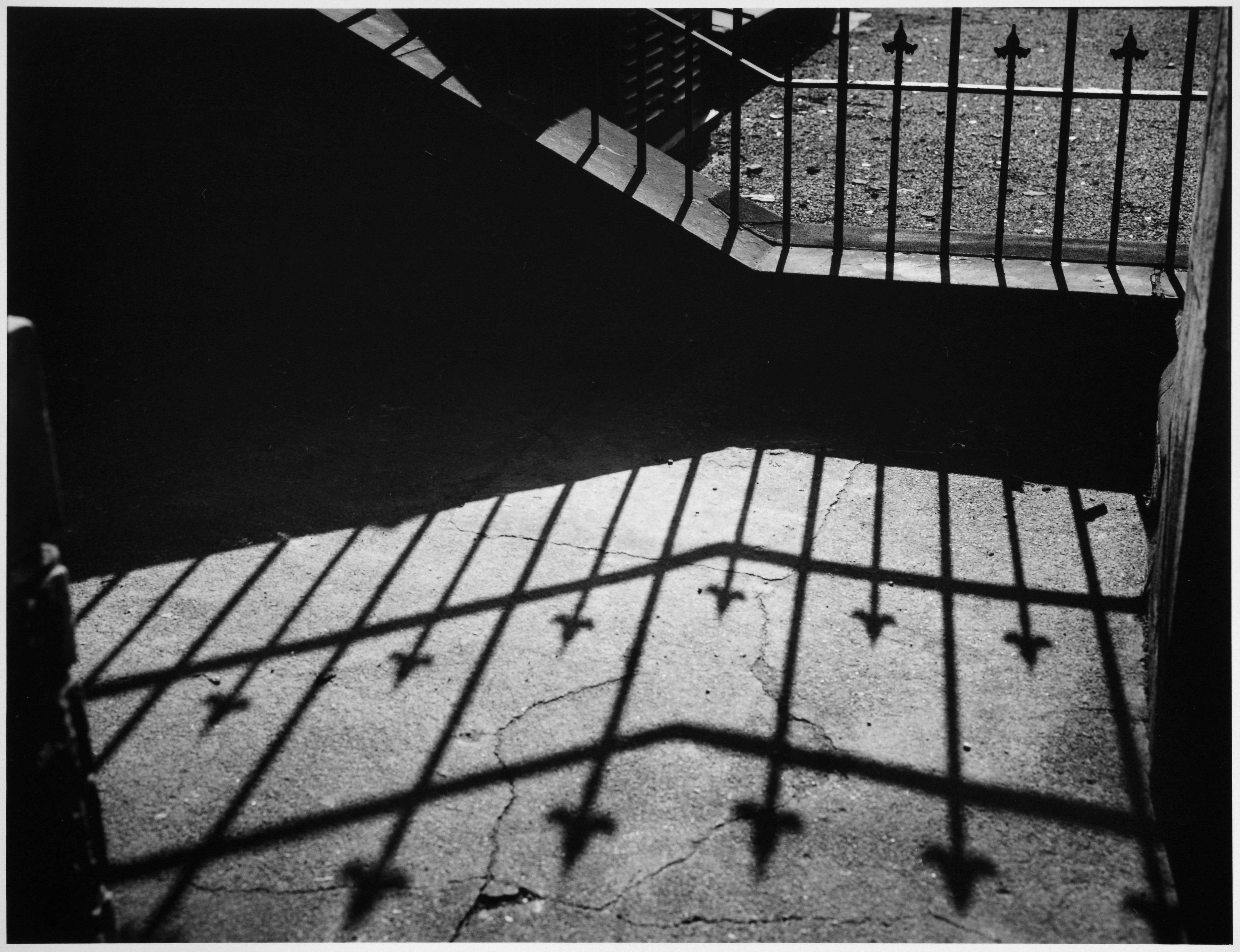
So to be able to spot this kind of image, you need to be more aware of the shadows rather than the scene itself. To do this I find that whilst looking at a potential scene, squinting really helps. When you half close your eyes you reduce the light intensity to the point where the darker tones don’t register and appear black. You can then assess the strength of those shapes as regards the composition of the image.
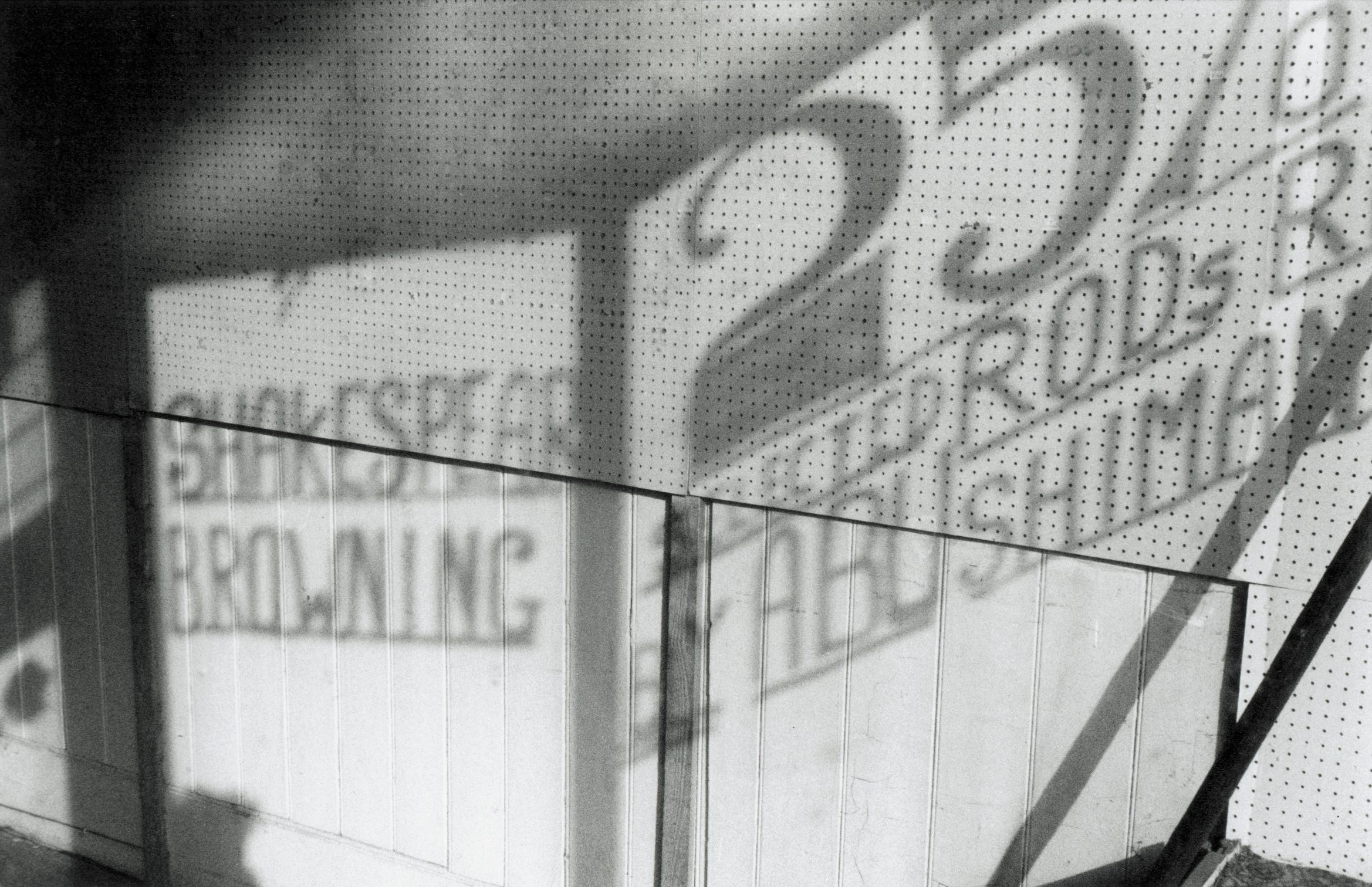
Here the shadow falling across the wall from a bay window gives a false perspective to the interior of this shop.
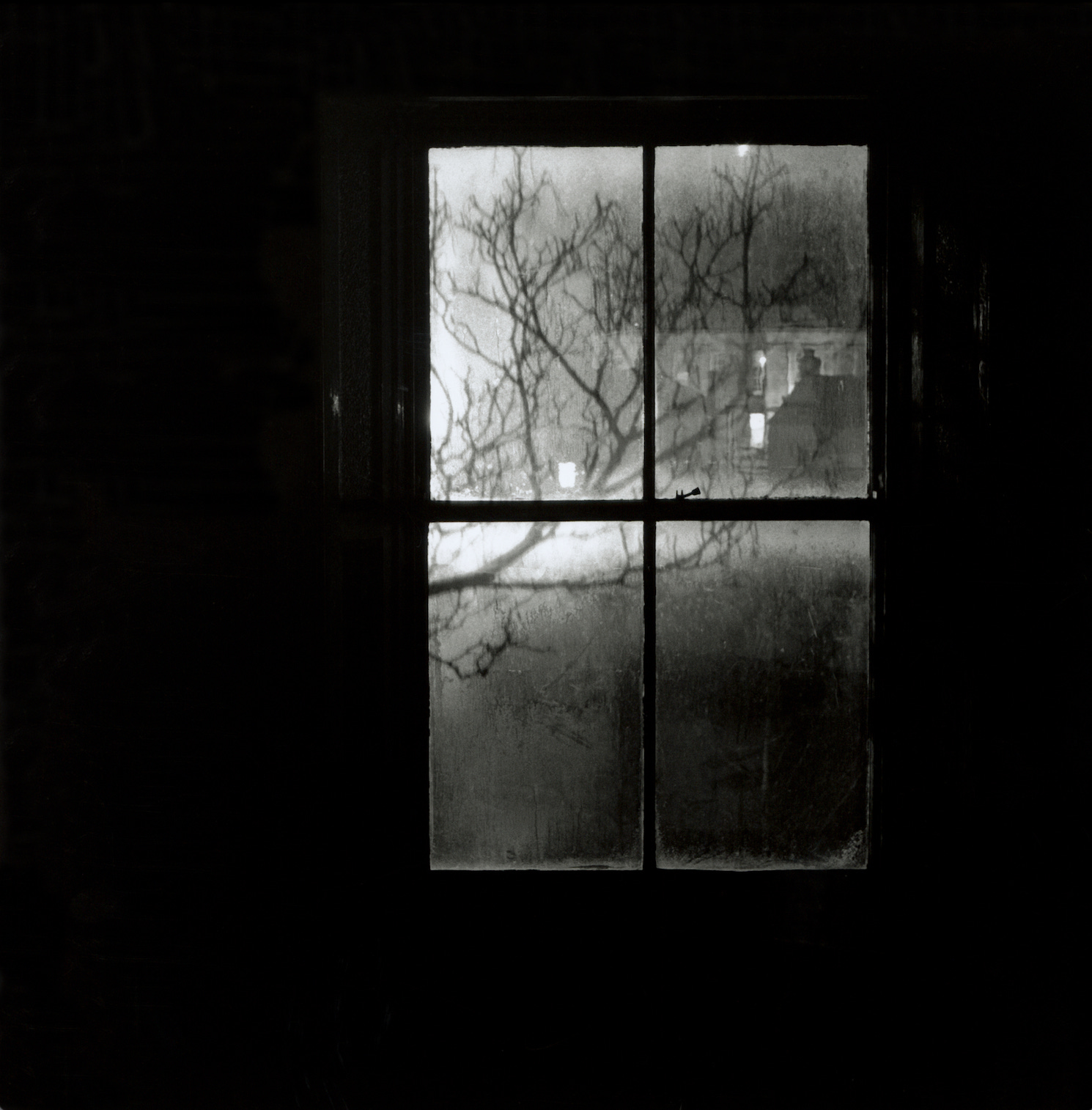
A number of years ago I was doing up an old property and had to work late into the evening. When I locked up and put the light out, I noticed the shadows from a tree over the window, so the next evening I took a medium format camera and a tripod and got this shot.
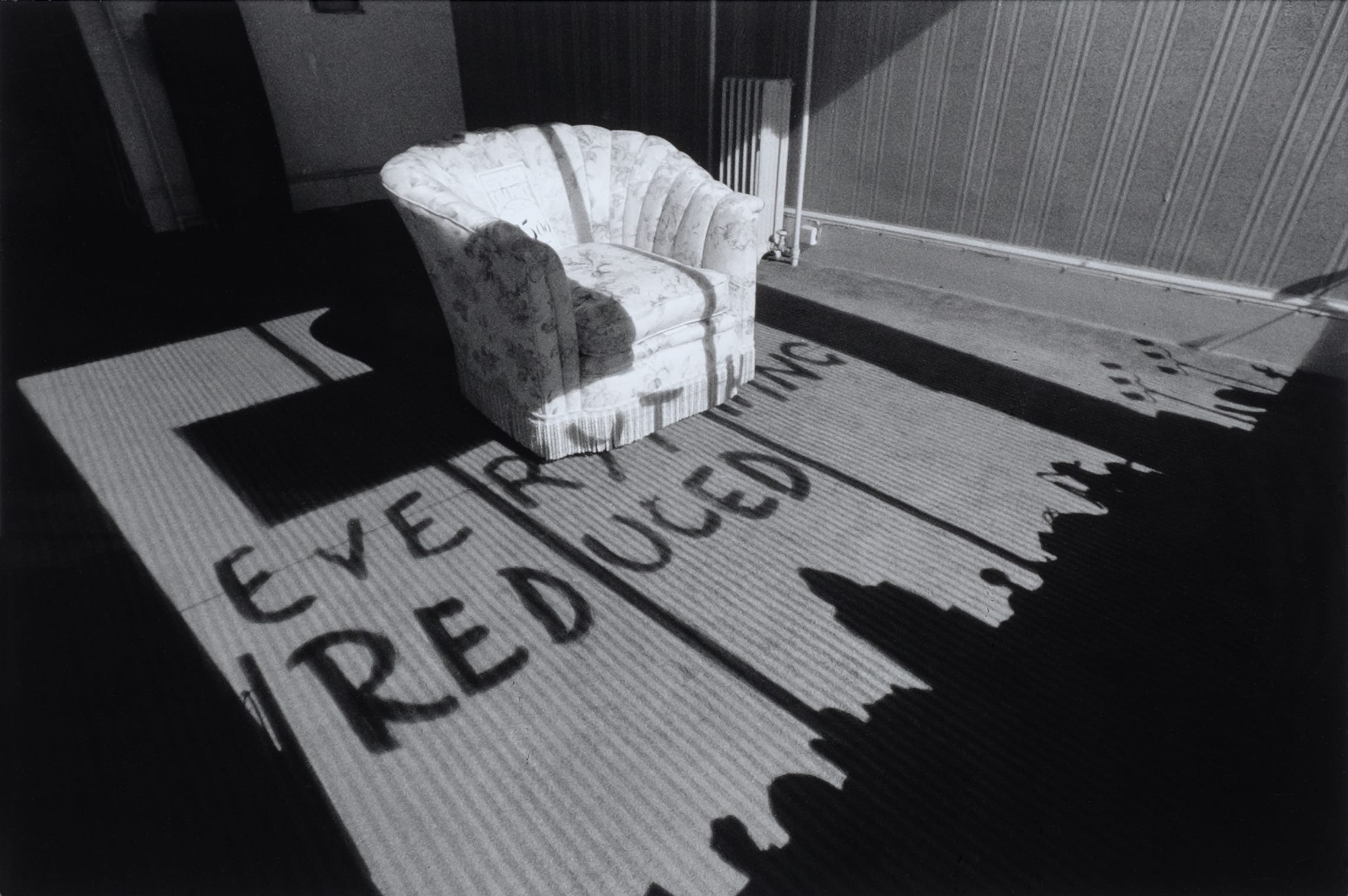
The building had been my fathers antique business and we were turning it into a gallery. Towards the end of his time there he had a sale, and the words he wrote on the glass with Windolene cast a shadow over the last remaining chair in the shop at night.
I love this image because the small shadows in the foreground look like a cityscape that has been reduced.
How to get deeper blacks in your pictures.
Getting a deep black in the shadow area with film could be achieved by a number of methods, depending on whether you have a process/scan workflow, or if you print in a darkroom. For those who scan the method is very simple; Open your positive image in Photoshop, open Levels, then bring your sliders in at either side to match the mountain range of the histogram. You should now have the full range of tones in the image. To bring up the blacks more intensely and block up the shadows, simply move the left hand slider further in until you get the look that you are after. You can do this with any image you already have, though some will be better suited than others.
If you are printing your negatives in a darkroom, you could underexpose your shot slightly to reduce information in the shadows, or you could expose normally and increase the blacks during printing by using a Grade 5. Uprated films perform better because the shadow detail is largely lost anyway.
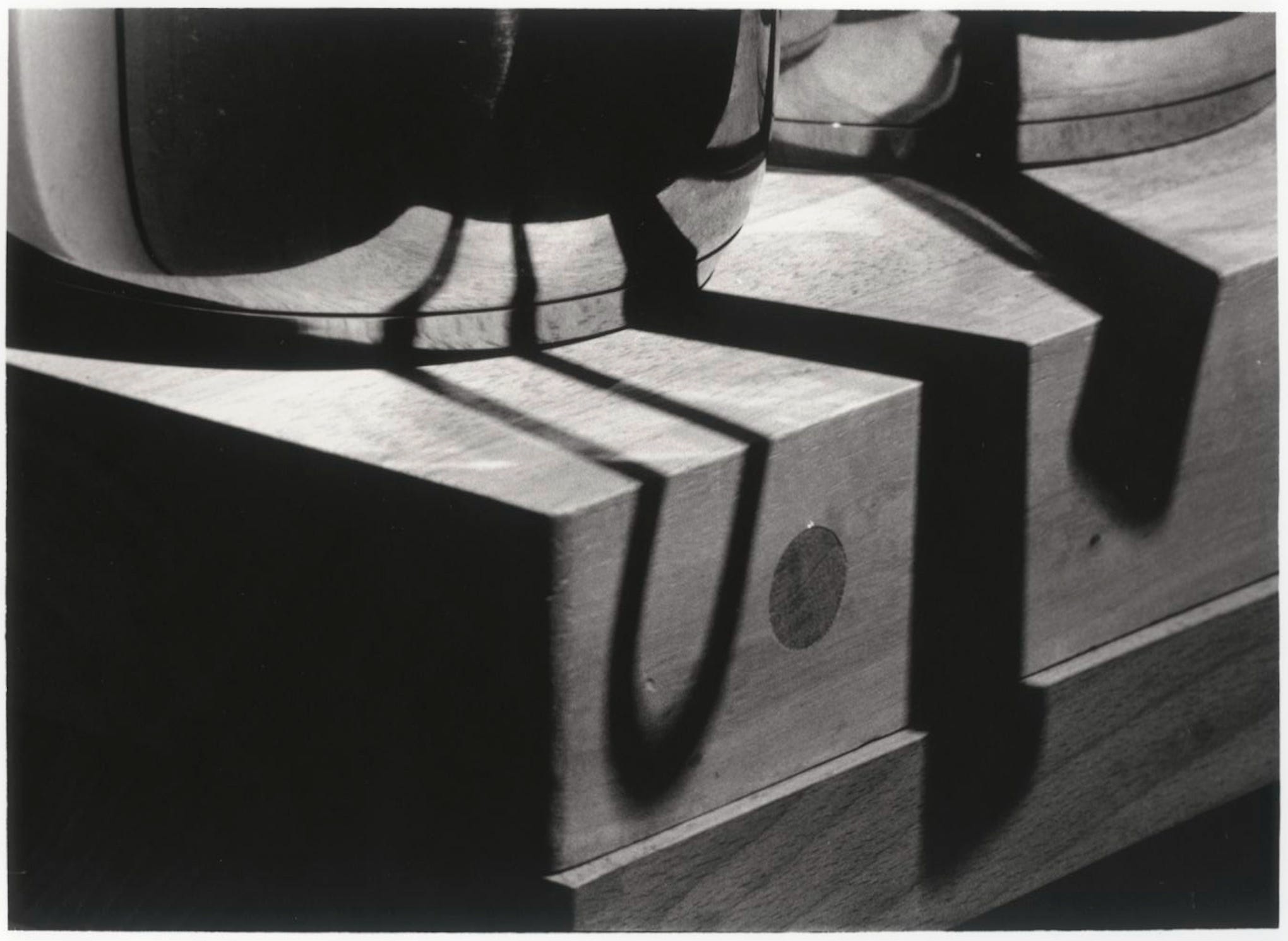
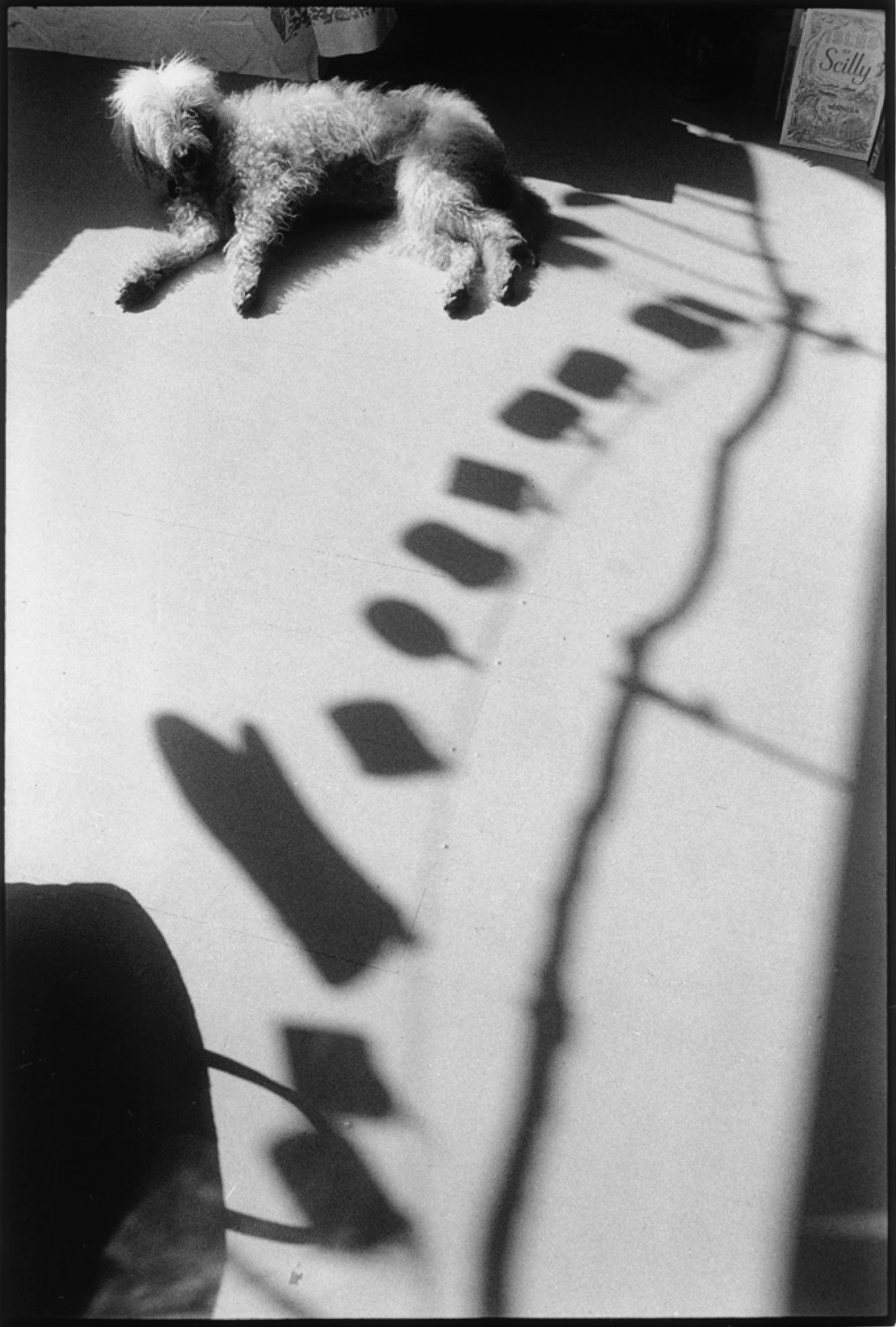
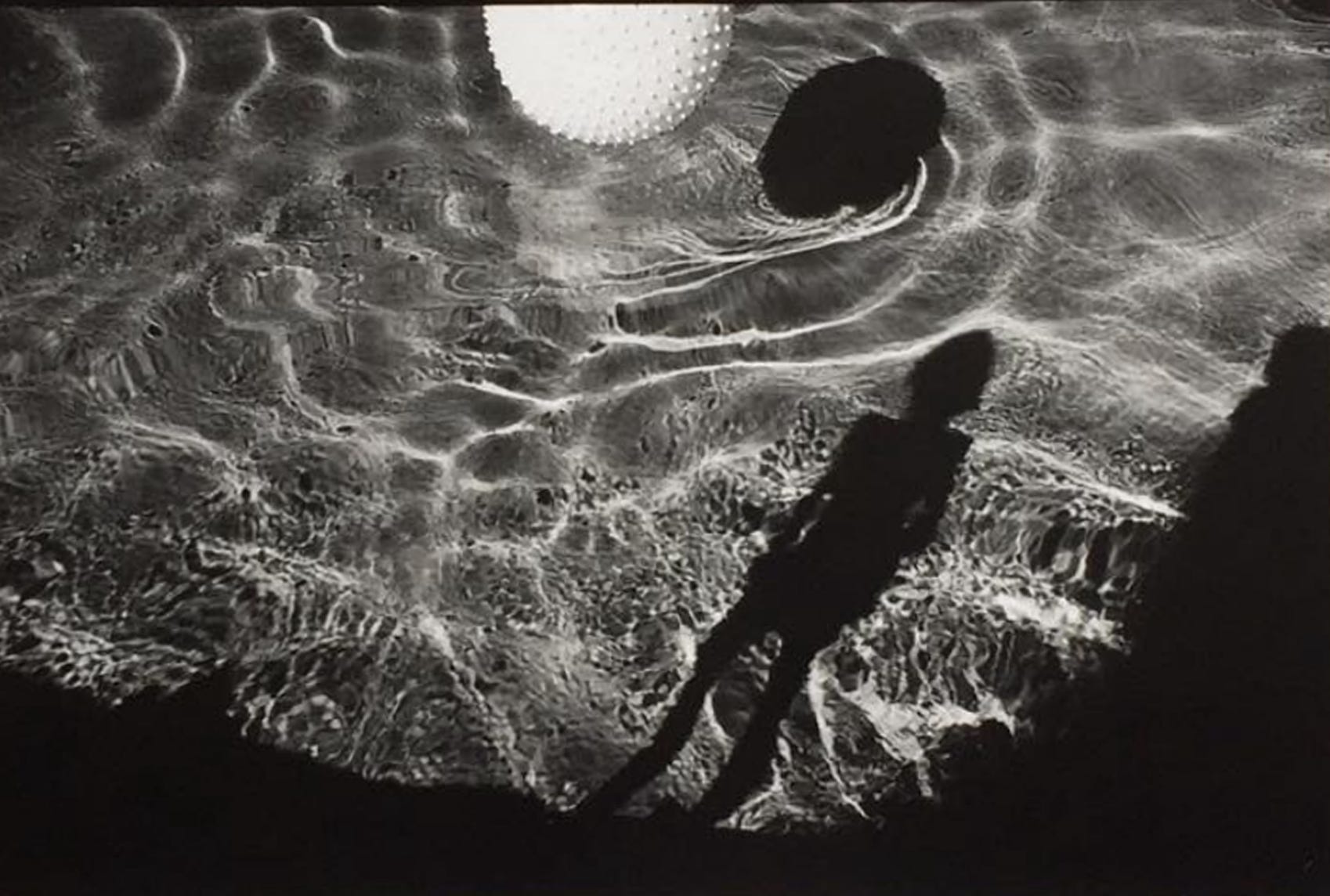
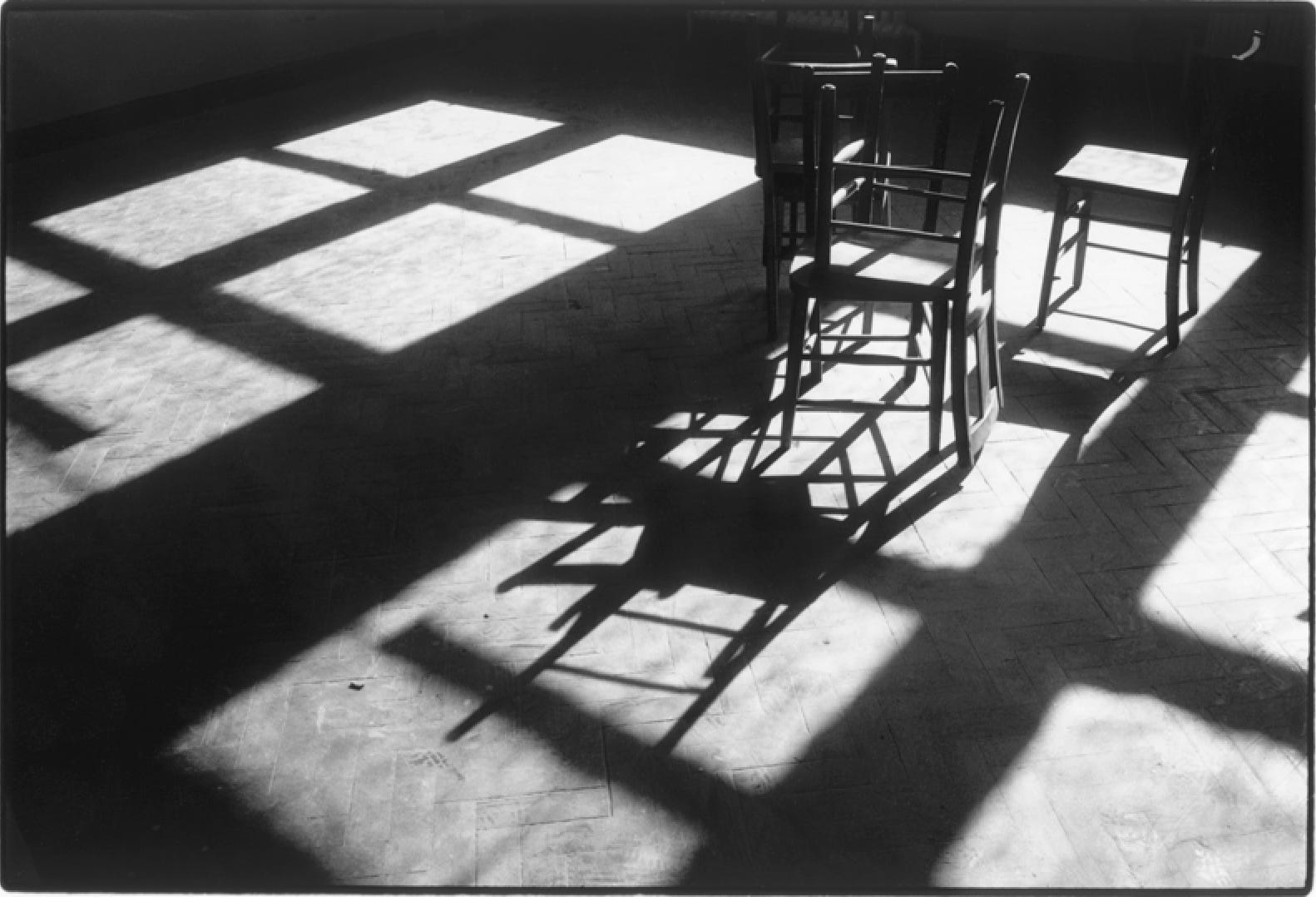
Here are some other examples of pictures where I have employed shadow as a compositional element.;
Do you think this is something you might like to try? Do you know any other photographers who make good use of shadows? Please add a comment.
If you find my articles interesting or useful, please spread the word to anyone you can think of who would be interested.
If you have enjoyed this post and the information here and elsewhere on my Substack and you would like to support me, you can subscribe, or just buy me a coffee at Ko-fi.com/andrewsandersonphotography You can send as little as £3.00, or more if you are feeling generous. This money goes towards materials used for the tests and printing for these articles. Alternatively you can be a paid subscriber.
Thank you for reading, please let me know your thoughts.
Andrew Sanderson September 2025.
Wow, there are some really fantastic shots in here. The ‘Everything Reduced’ one is my favourite.
I’ve had a bit of a play with photographing shadows digitally, but I'm not sure if I’d be brave enough to try and get it right on film… I may have to use this as inspiration to go and give it a try 🤔
I’ve always admired Roy DeCarava’s shadows, especially their seductive positivity. They feel like deep pools of energy, rather than simply the absence of light.