See like a visitor.
Seeing past the evryday.

This weeks article is largely taken from my book: Home Photography. I have revisited it and added some new thoughts.
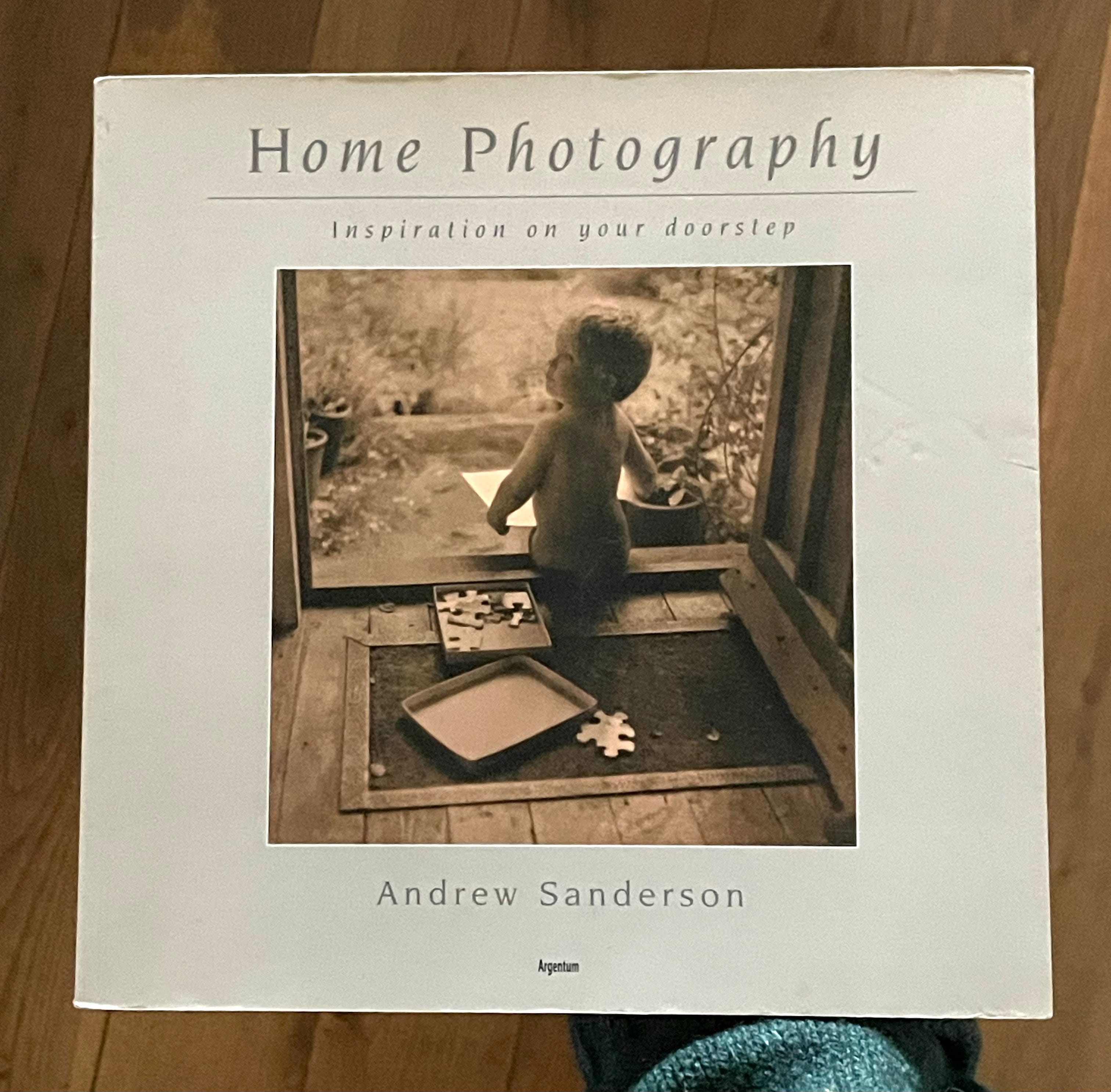
Like many people, I have been abroad a number of times and also travelled to various places within my own country. This often produces some interesting landscapes and architectural studies, even a few decent portraits, but the place I spend the most time is my home.
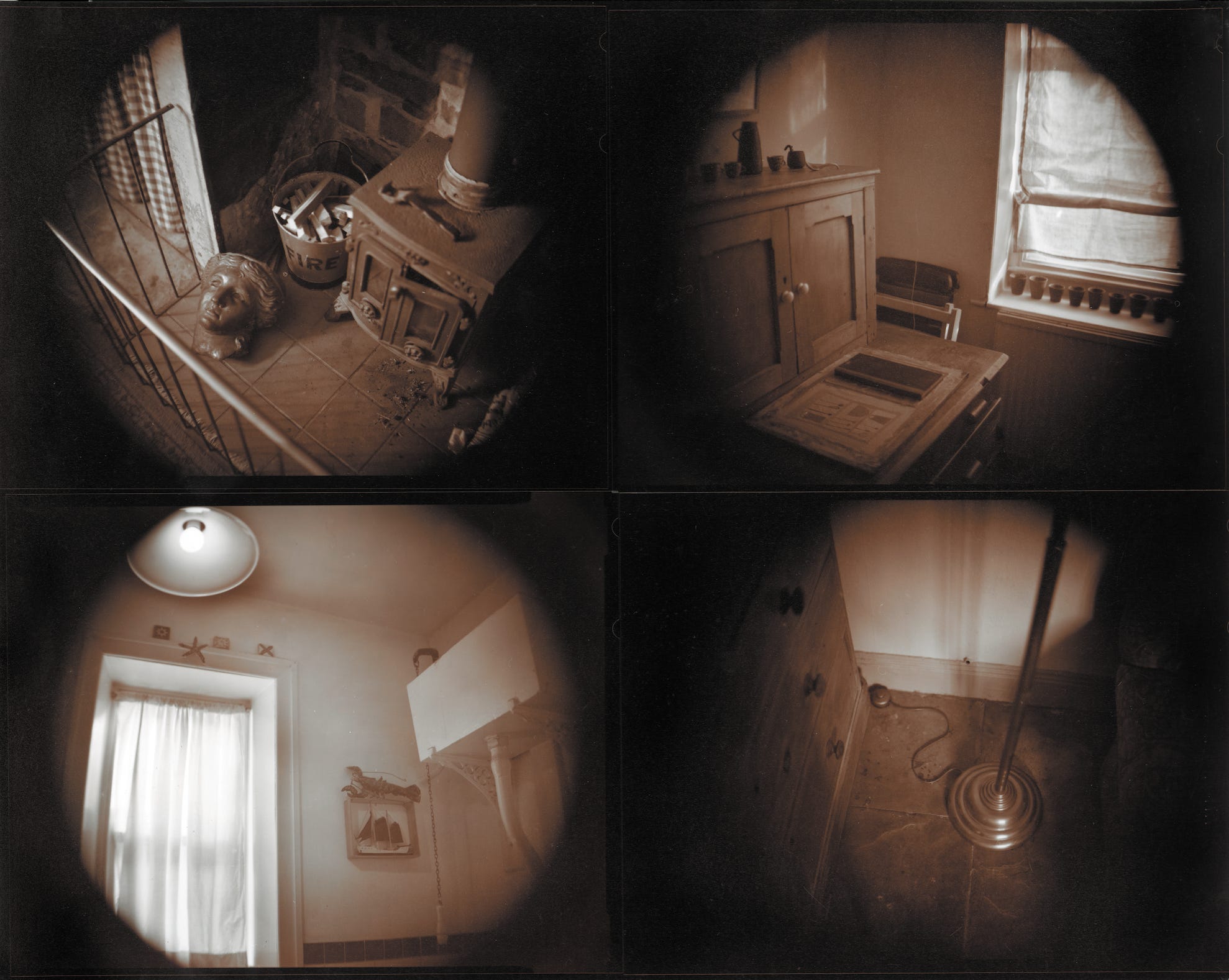
Some time ago, when life got more busy and travel was not an option, I figured that if I wanted to keep my interest up and my enthusiasm alive – by continuing to create pictures that please me and get me buzzing about photography – then I had to look more closely at the picture possibilities in my own location. Because my travel time was limited, I couldn’t keep looking for new countries to provide my inspiration, I had to find it wherever I was.
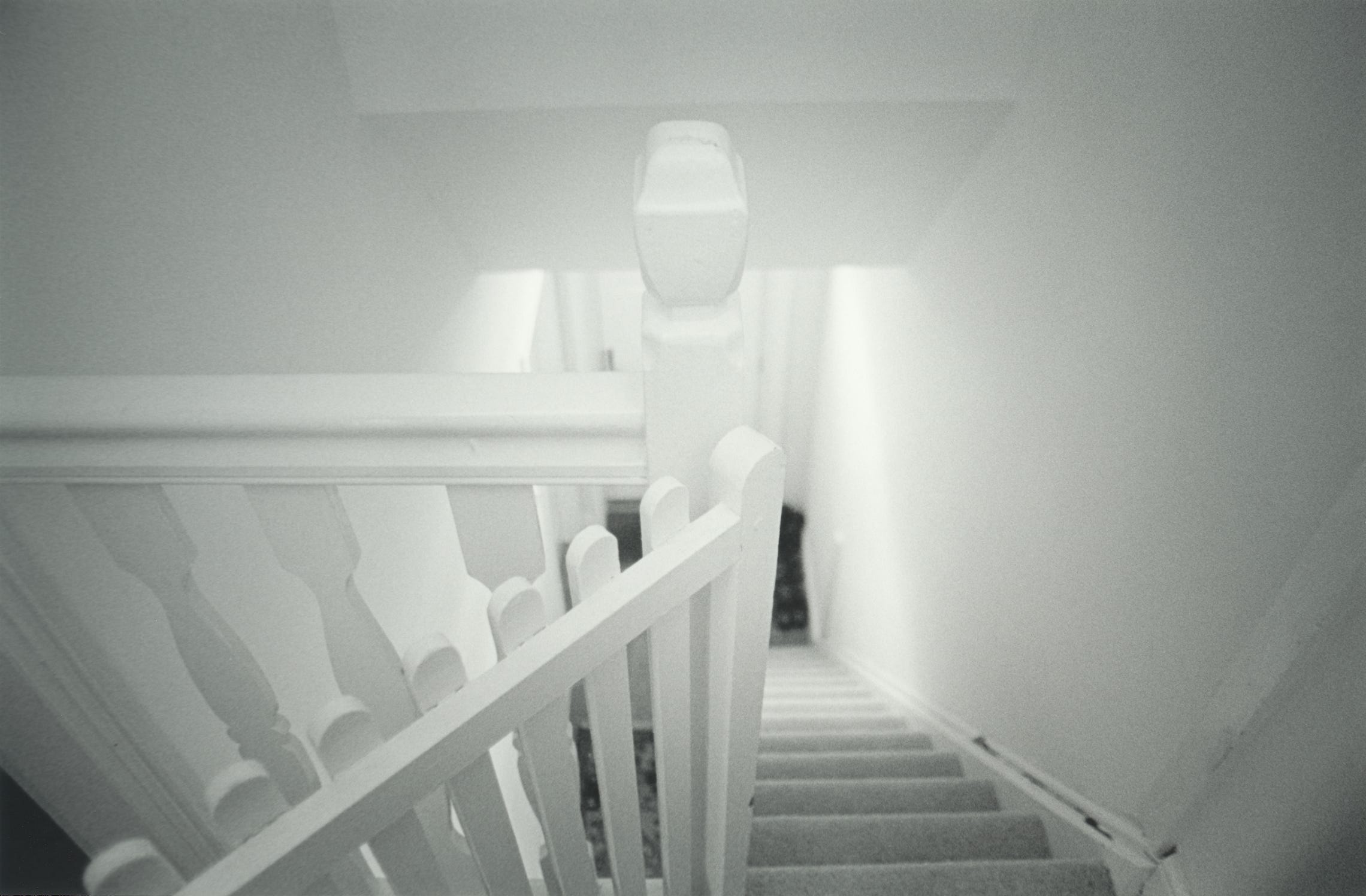
It occurred to me that if I could find great pictures in another country, and a visitor from that country could do the same where I lived, then I just needed to see my own place as a visitor and I would find inspiration at home. All I had to do was to see my surroundings afresh to create great pictures!
At first this was a little difficult, but one trick I employed was to hold a mirror up and walk around the house seeing everything backwards. It’s a simple thing, but it was such a transformative experience, every room looked like a totally different house.
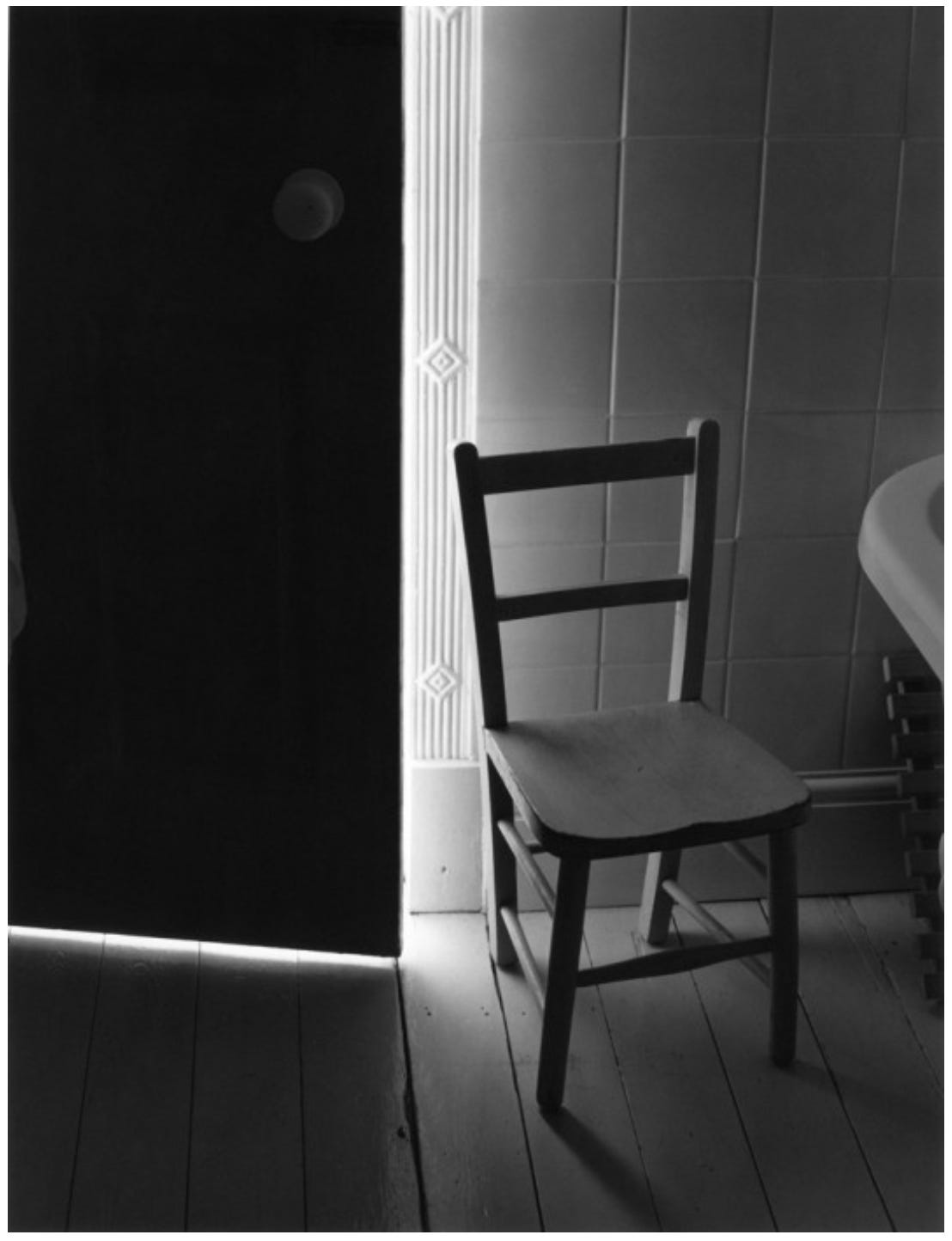
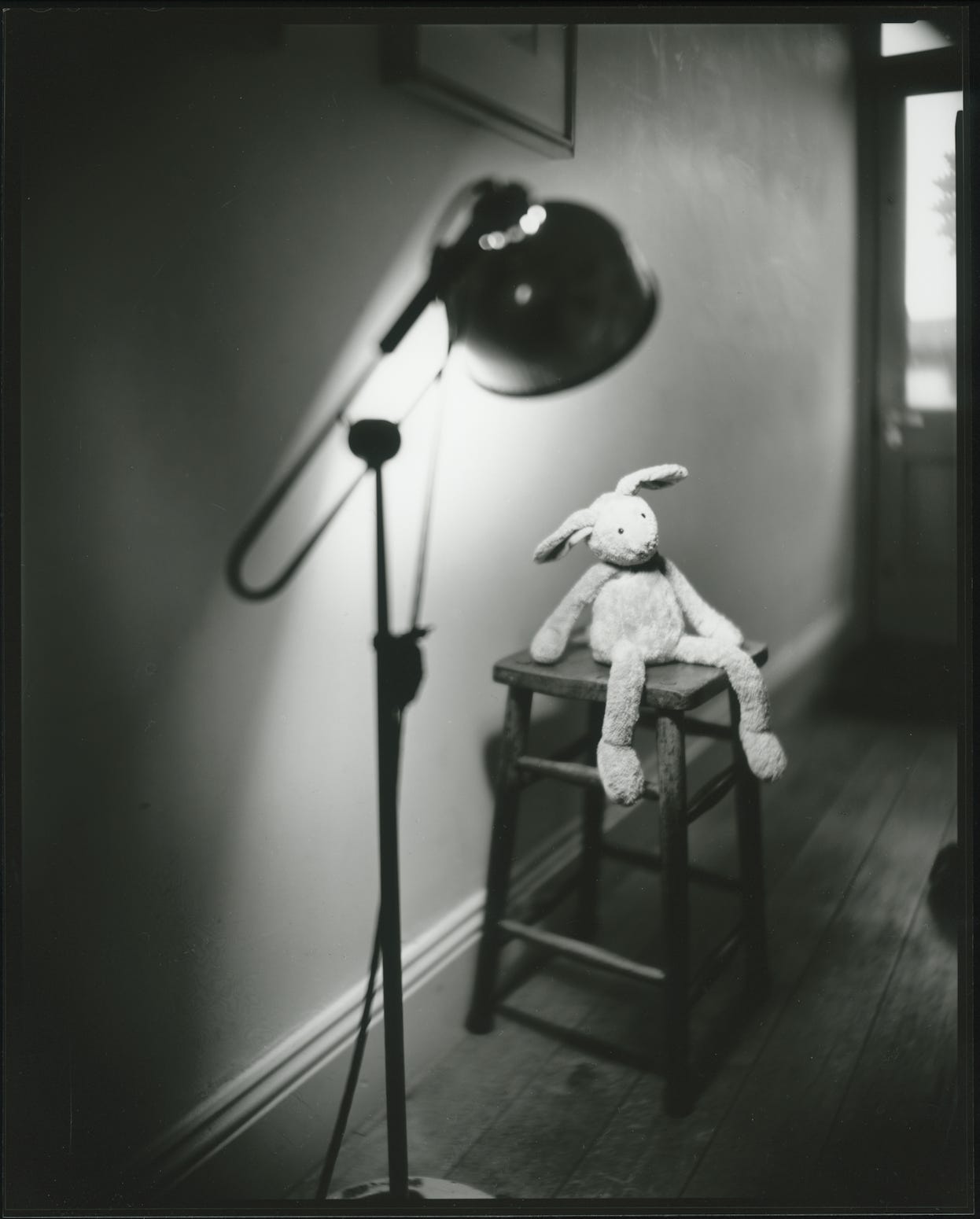
I wanted to learn to see like a visitor, so I had to stop myself from taking my surroundings for granted. Our minds are constantly doing reality testing and deciding unconsciously if something is worth paying attention to or not. Familiar things are disregarded as the mind looks out for difference and change. Turning this off required a conscious effort to keep stepping back from routine and adopting the position of an outsider. I would randomly remember the task at various times of the day, then set about making a picture immediately. I gave myself the task of seeing four pictures everywhere I went in the house, the more I thought about it, the more excited I got about the possibilities.
I wasn’t responding to inspiration, I was actively making images from what I had, trying to produce the strongest composition that I could. Even though I wasn’t waiting for visual inspiration, the very act of concentrating the mind on the here and now produced images that I was excited about.

Whenever I got the thought I would look around with photo eyes, seeing everything as a monochrome print, mentally drawing boxes around things, exploring different compositional possibilities. The pictures, once decided upon, had to be taken immediately, which wasn’t always convenient. I was often criticised by my wife for being antisocial when I had to take pictures in the middle of a dinner party, or at some other ‘inappropriate’ time.
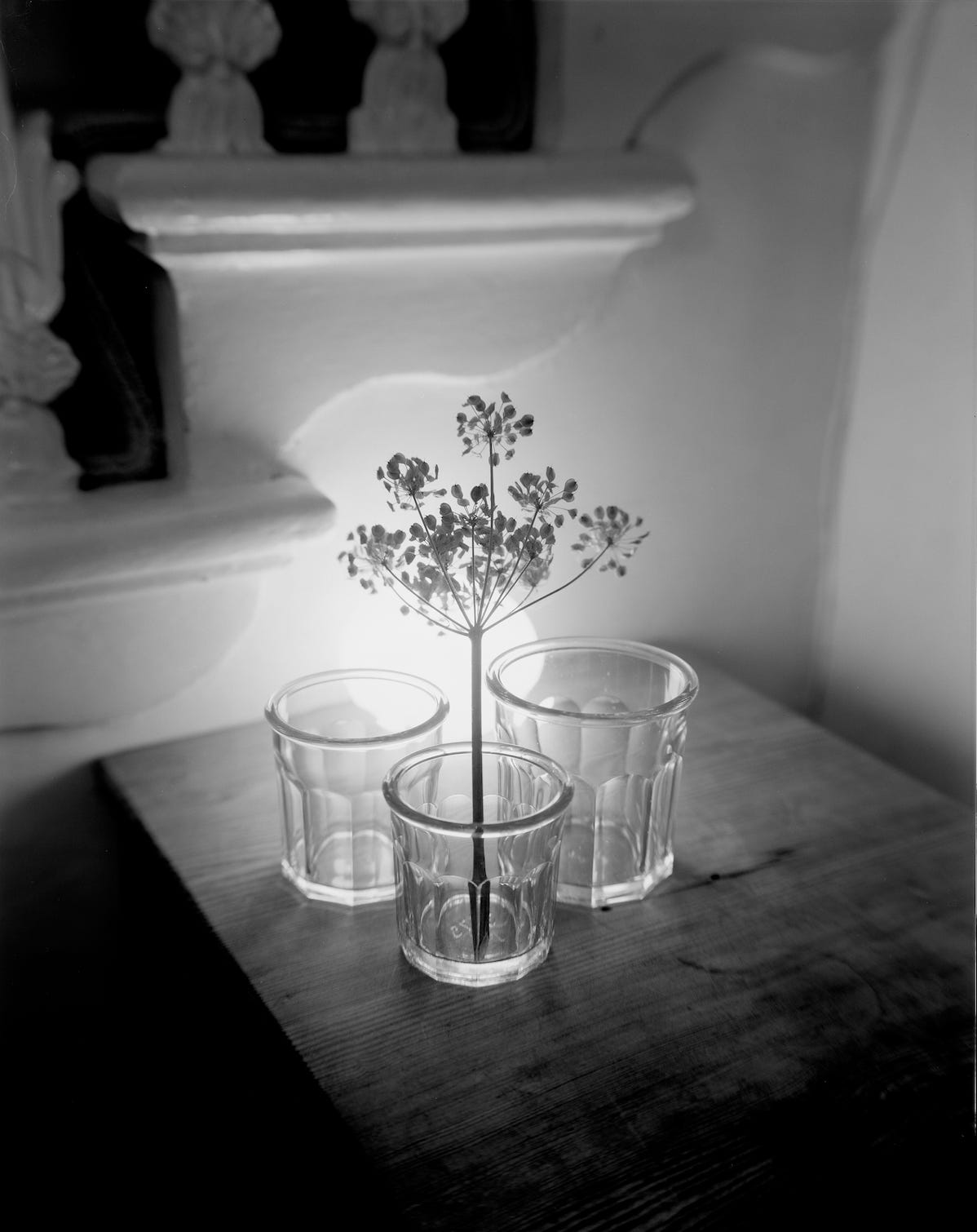
You may not wish to take it quite this far, but I do think that the four pictures task is/was very useful, and it may be worth trying for a while. If you wish to adopt it, then give it time to produce results. Don’t expect it to give you the goods on the first day, keep it going for as long as you can. If you find that you have missed days, don’t give yourself a hard time over it, just carry on as soon as you remember. Before you know it, you will have hundreds of shots and many of those will be strong images. You could set yourself the task of finding four pictures in each room of the house, or four pictures of each person in the house. Devise your own task if you like, as long as it gets you looking around and taking pictures.
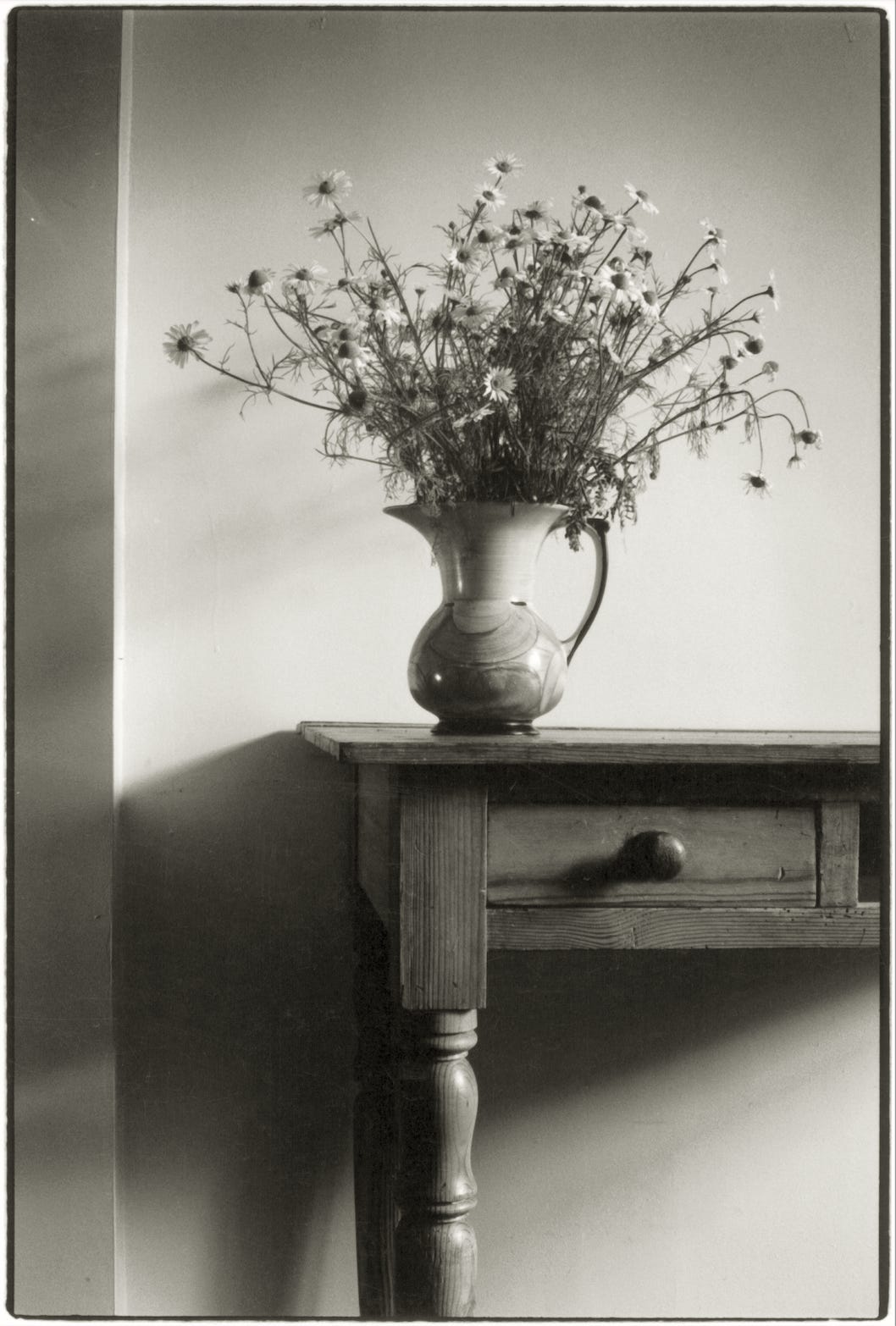
A simple scene of flowers on a table, or some toys left in a pile can provide interesting subject matter.
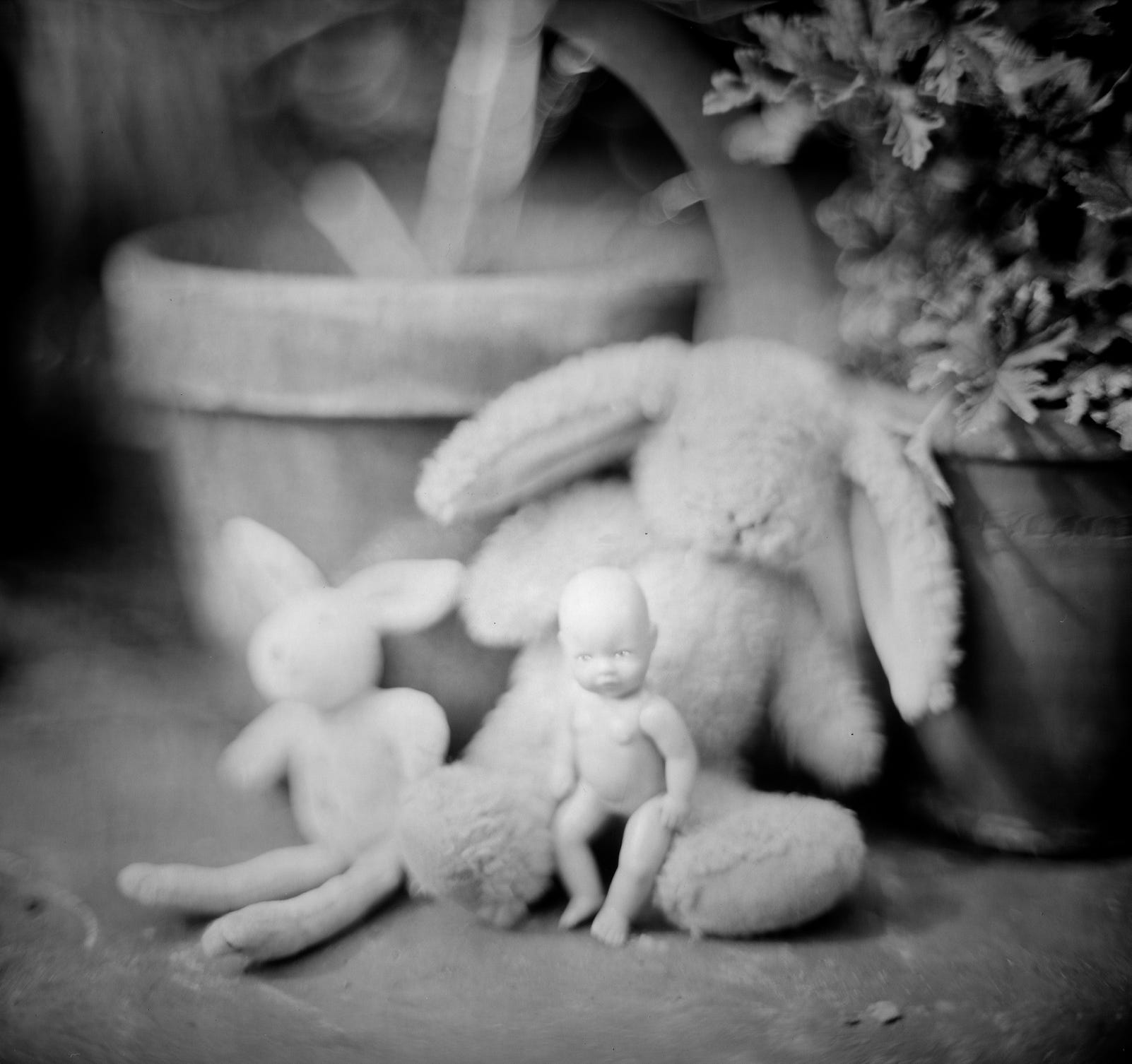
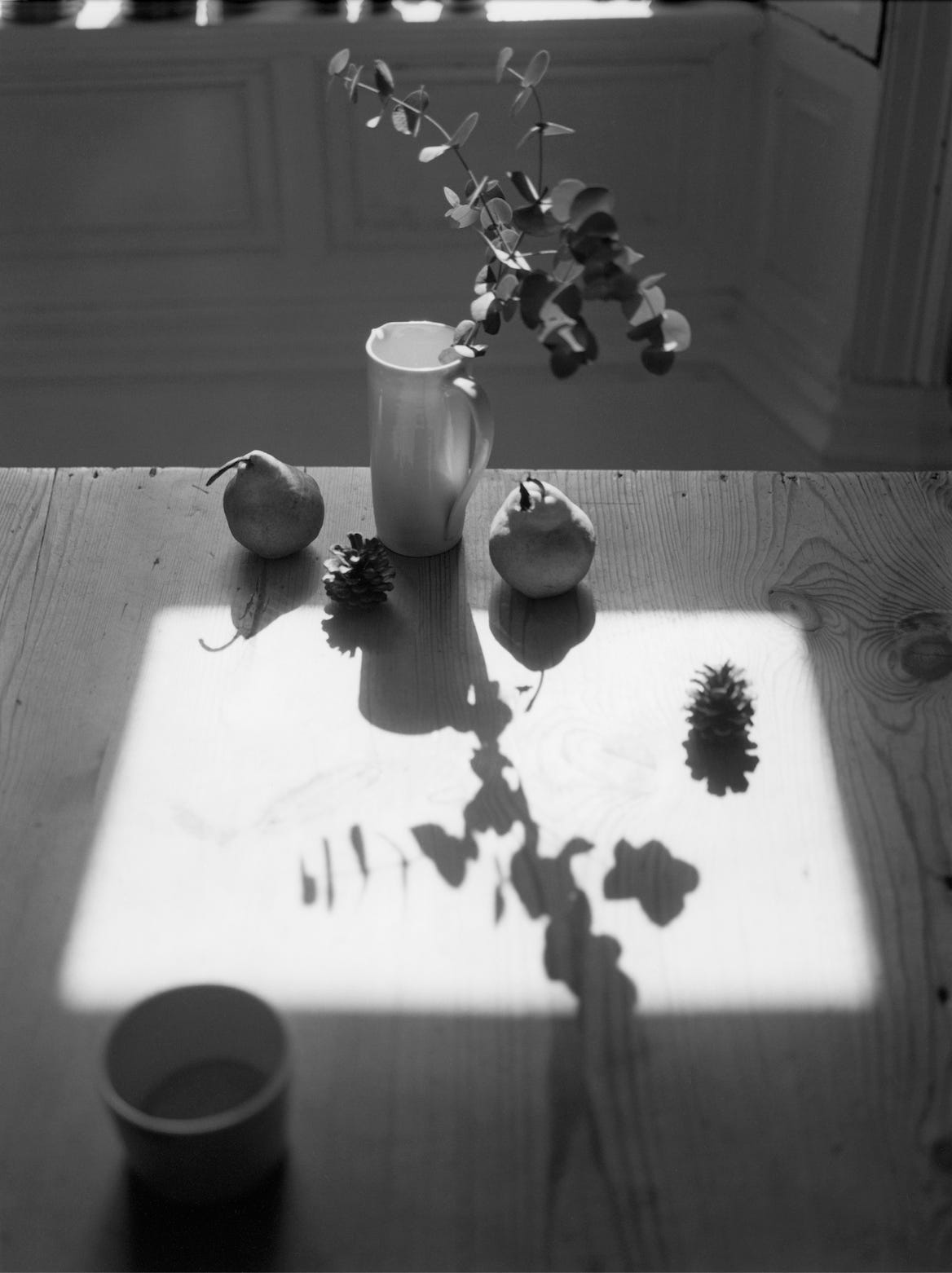
Light is always a good thing to notice, it transforms an ordinary scene, but I’m sure you already know that. You might just be indifferent to the regular way it lights up your everyday situation. Isolating a small area of it can draw attention to it.
If any of you are interested in exploring the idea of home photography further, my book is still available via the online auction sites, and booksellers.
Home Photography Published by Argentum, an imprint of Aurum books. ISBN 1 90253829 3
If you find my articles interesting or useful, please spread the word to anyone you can think of who would be interested.
If you have enjoyed this post and the information here and elsewhere on my Substack and you would like to support me, you can subscribe or just buy me a coffee at Ko-fi.com/andrewsandersonphotography You can send as little as £5.00, or more if you are feeling generous. This money goes towards materials used for the tests and printing for these articles. Alternatively you can be a paid subscriber.
Thank you for reading, please let me know your thoughts.
Andrew Sanderson May 2026.
Other places to see my work;
Instagram; http://instagram.com/andrewsandersonphotography
Original hand made darkroom prints are available from my online shop; www.andrewsandersonphotography.bigcartel.com
I also offer one to one workshops at my darkroom/studio in West Yorkshire, UK. If you are interested please email me at sandyjottings@icloud.com
An inspiring article,Sandy.
Beginner’s Mind, in a different context.
Confined to my home for most of my time, I find solace in your book. I particularly commend it to those photographers who realise that they are in a rut.
I live in a much-photographed city, and I cycle past favourite ‘visitor’ spots every day. Looking for different light in the same places often works for me to create an image I enjoy.
You have helped me to articulate that thought, so thank you (as always). I shall try the ‘take four’ idea too!