Pure photography.
Should we manipulate our images?

The movement that came after pictorialism placed emphasis on purity and sharpness as a natural reaction to years of soft focus imagery, but were they pure? Were their images direct, factual representations of the world? Perhaps not as pure as the legend would have us believe.
They didn’t just point a large format camera at an impressive landscape, then print it as it looked. Image manipulation was practiced, even though they promoted the idea of purity of technique. For instance, The f64 group used filters to emphasise skies, altered the contrast of a scene by careful application of the zone system, and used darkroom techniques to subdue or emphasise areas. Ansel Adams had an enlarger made with a home made light box, consisting of many small lamps that allowed for lights behind different parts of the negative to be controlled individually. Their vision may have been pure, but they used manipulation to control the viewers response to the print. This is not a criticism, I believe a photographer should and must exert control over the image, because without this the image is boring. If you want to show your vision to the world, you need more than an image straight out of the camera.
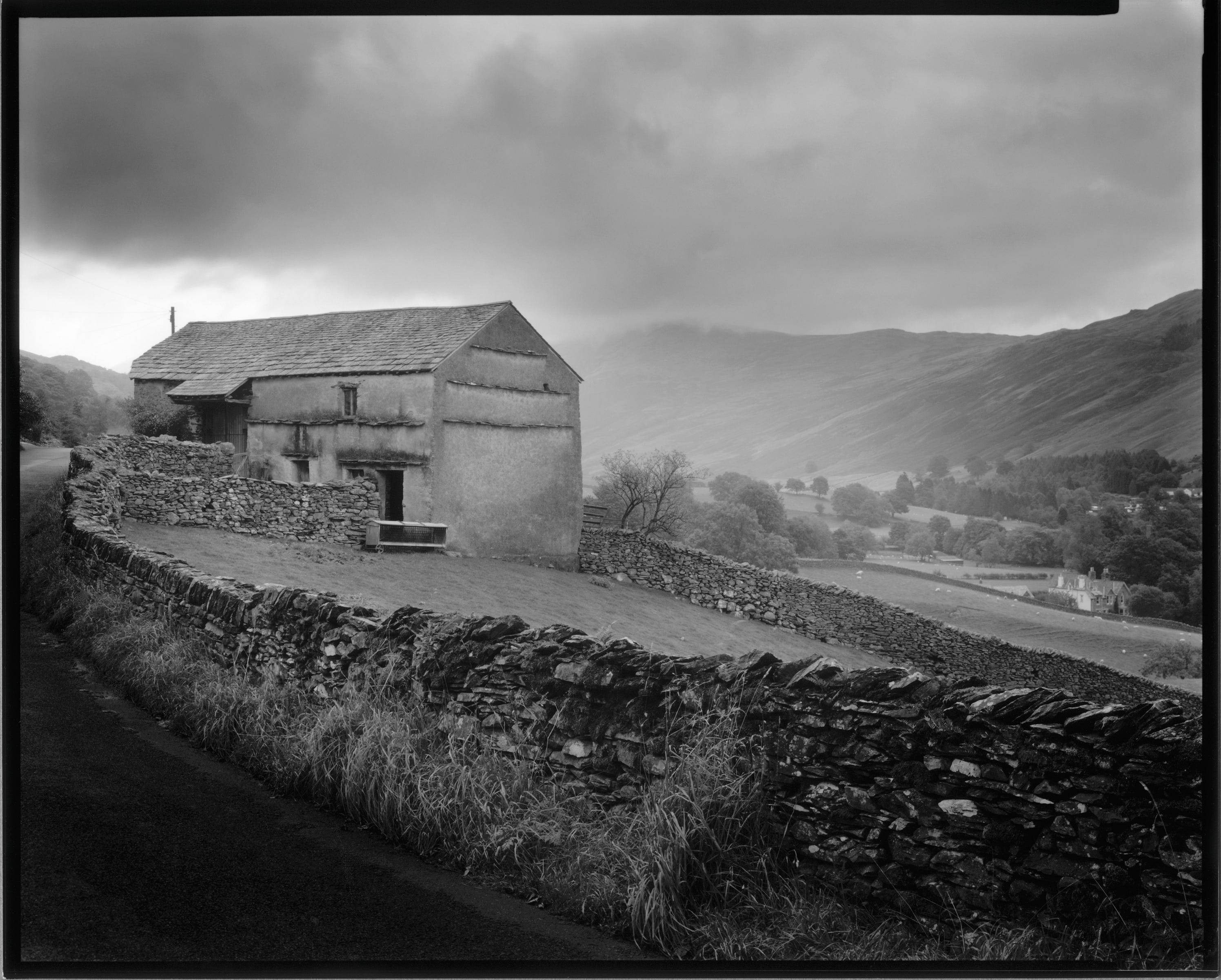
The f64 group may have wanted to distance themselves from the Pictorialists, but the only thing they really jettisoned was soft focus. They still lifted shadows and subdued highlights, paid attentioin to composition and were concerned with beauty. The Pictorialists just did it in a more exaggerated way.
Pictorialism is a dirty word these days, but the principles of composition and tonal manipulation to create an image which is pleasing to the eye, are what makes a photograph more interesting than a snapshot. If you practice them people will want to look at your work. Many people do, to differing degrees, In which case you could say that many of us are modern pictorialists. We might not put ourselves under the banner of ‘pictorial’ photographers, but we have to employ some of the things that they learned. Photography is seen as a mechanical art by the uninitiated and we strive to be thought of as ‘Artists’. From the purist to the garish, we all put our manipulated work out there. Phone apps that apply ‘filters’ are the most tasteless and obvious example of that these days. The more dedicated amongst you will be using a tripod, using the correct filter for the sky, checking and re-checking exposure before shooting, then taking care over processing and how the image looks before the final print is made. All of this, or combinations of it, are necessary for a photographer to distil the essence of a place in order for the viewer to have a more immediate appreciation or understanding of it.
If you think about the application of composition and tonal manipulation to create an image which is pleasing to the eye, then you have to see that many well known names have done it, and that is why you like their work. Don McCullen did it, Fay Godwin did, Sebastiao Salgado does it, Bill Brandt did it. There are many more, but the point is, unless you want a boring picture, you have to make decisions about what you want in the frame and what you definitely don’t. You have to make decisions about how the light influences the viewers perception of the image. If you are making darkroom prints from your negatives you will very soon discover that a straight print from a negative is a very dull thing indeed.
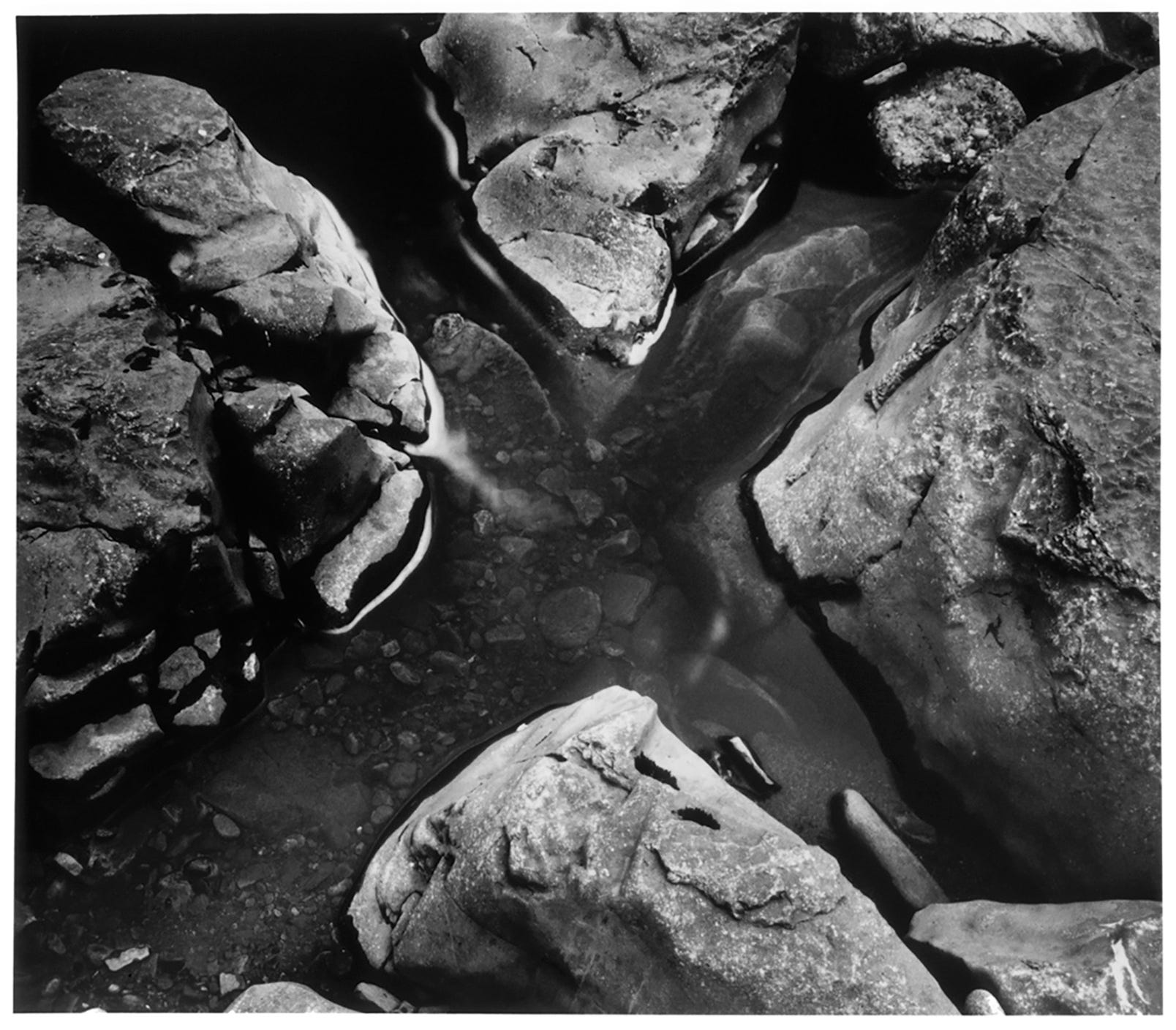
Purity of vision.
The vision of the photographer is paramount. The photographer must show the world as they see it, not imitate the way another photographer sees it. How many clones of Michael Kenna’s work are there out in the world? It doesn’t make you look good, it dilutes the excellence of Kenna’s work. Stop it, you are boring me.
To be original takes practice and application of course, and it is easier to fall back on convenient habits. The more you put into photography, the more you get out of it.
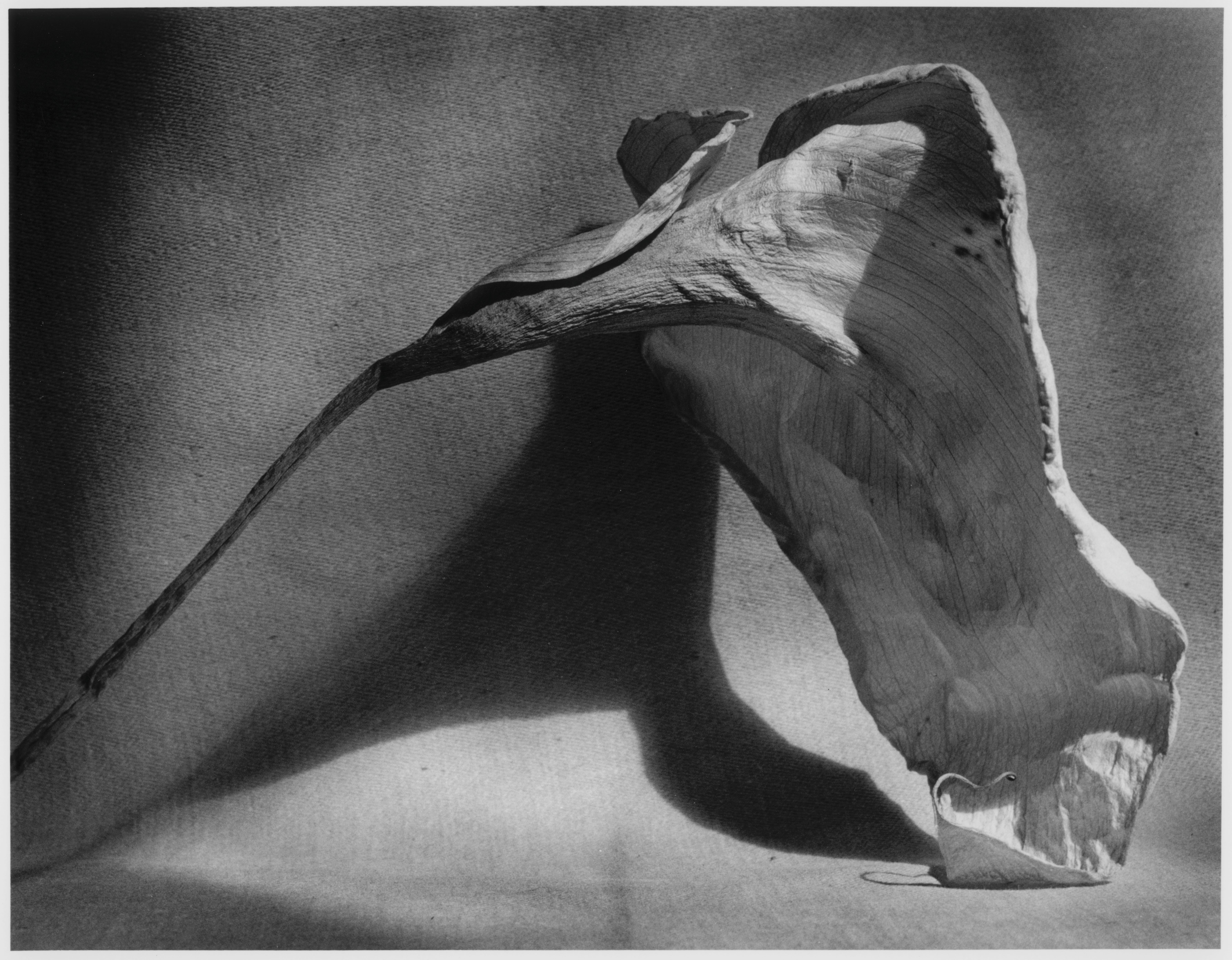
I have criticised digital photography in the past, not because I am stuck in my ways as a darkroom worker, but because of the laziness it creates. The easier photography becomes, the lazier photographers get. If you want to feel a greater sense of satisfaction in your work, then you need to overcome some difficulty, you need to push on where others would give up, then when you get the final image you will feel an enormous sense of achievement. For some, that means getting up at some ungodly hour and driving to a location time after time until they get the ideal lighting situation, for others it might be mastering the zone system, for wildlife photographers it is getting to remote locations and having to wait for a long time.
You have to put the effort in.
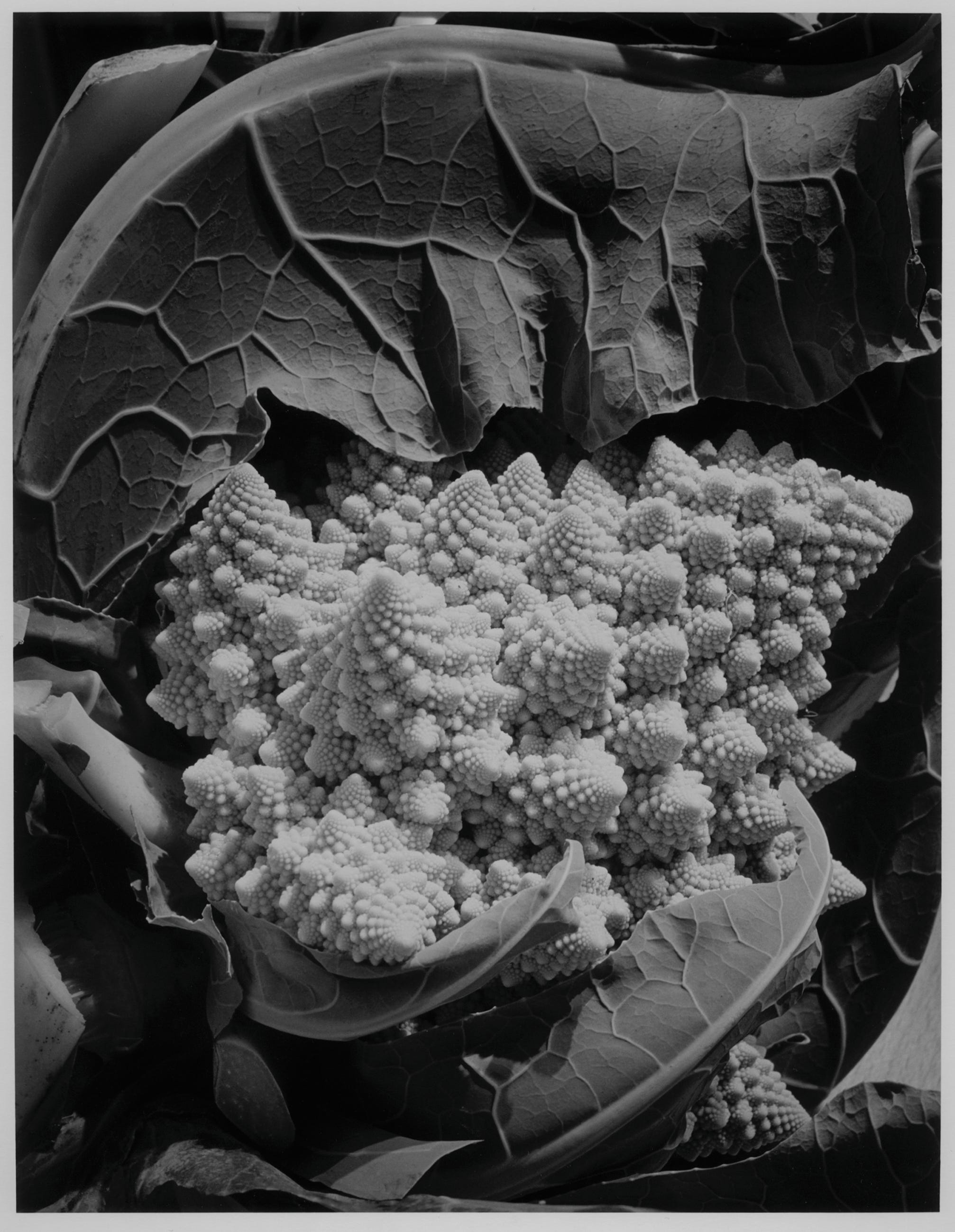
Photographic technique is obviously important, and spending many years perfecting it, but another thing that will make a difference to your work is how you think. If you are true to yourself then your work will be original. Photograph the things that are important to you, the things you notice. Your view of the world, wether good or bad will, if consistently presented, give your work a unique voice. Think about your pictures, think about them long before you take them. Think about your work at every available moment, then when you get a camera in your hand, you are like a coiled spring.
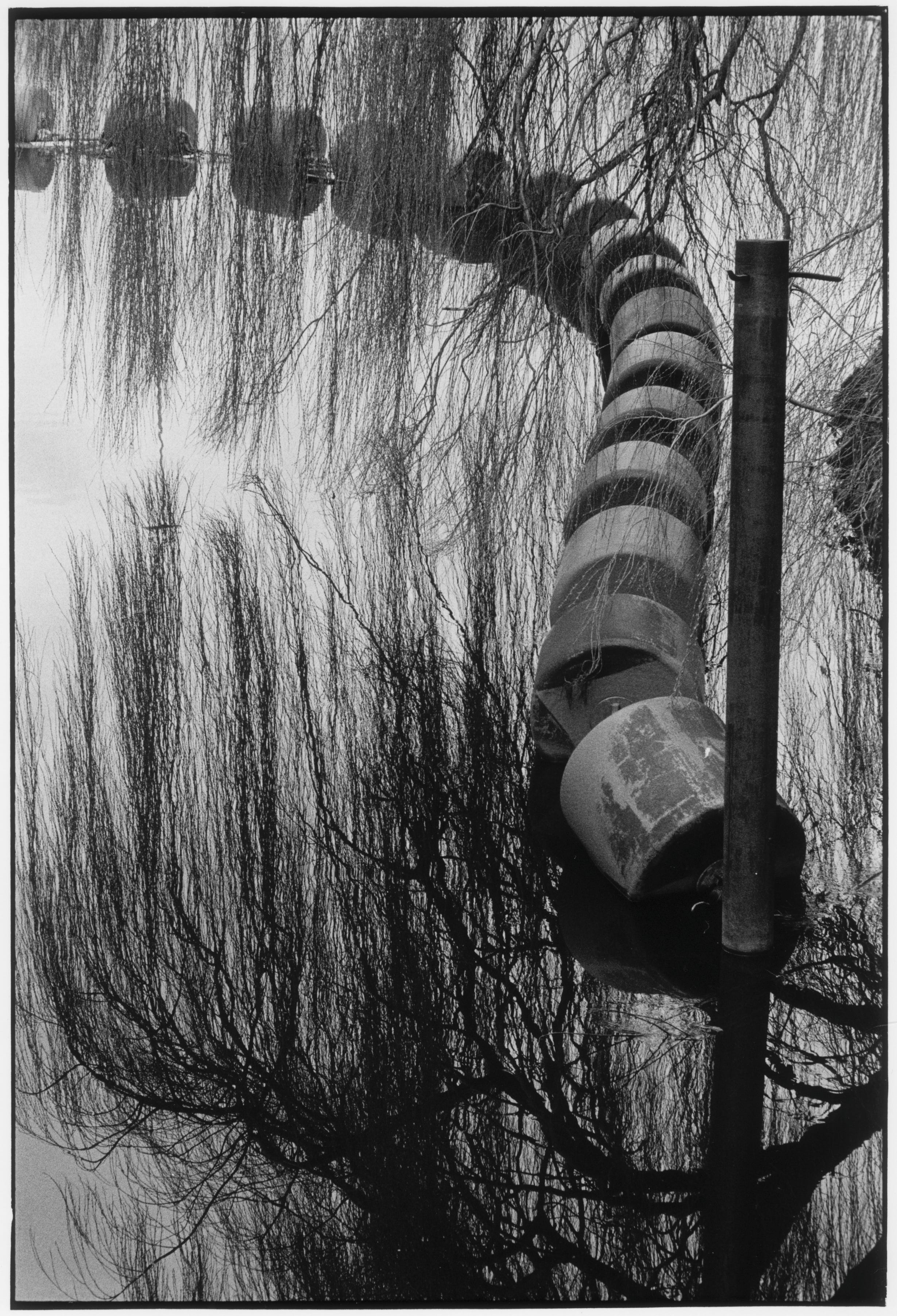
One of the most important areas that you need to put your efforts into is composition. I have taught as a guest tutor at hundreds of schools, colleges and universities in the uk and I haven’t found one place where this is taught, or even thought to be important. If you are a young photographer leaving Uni and trying to make your mark on the world, your greatest asset is how you see. Everyone else has the same equipment and the same software, so you have no advantage there. If you know how to influence the viewer with your choice of composition and tone, you can apply that to any camera, any style of photography, using film or digital. Learning to see well in regards to composition isn’t achieved by looking at those silly diagrams that show typical shapes that are the compositional ‘rules, and it certainly isn’t the bloody rule of thirds.
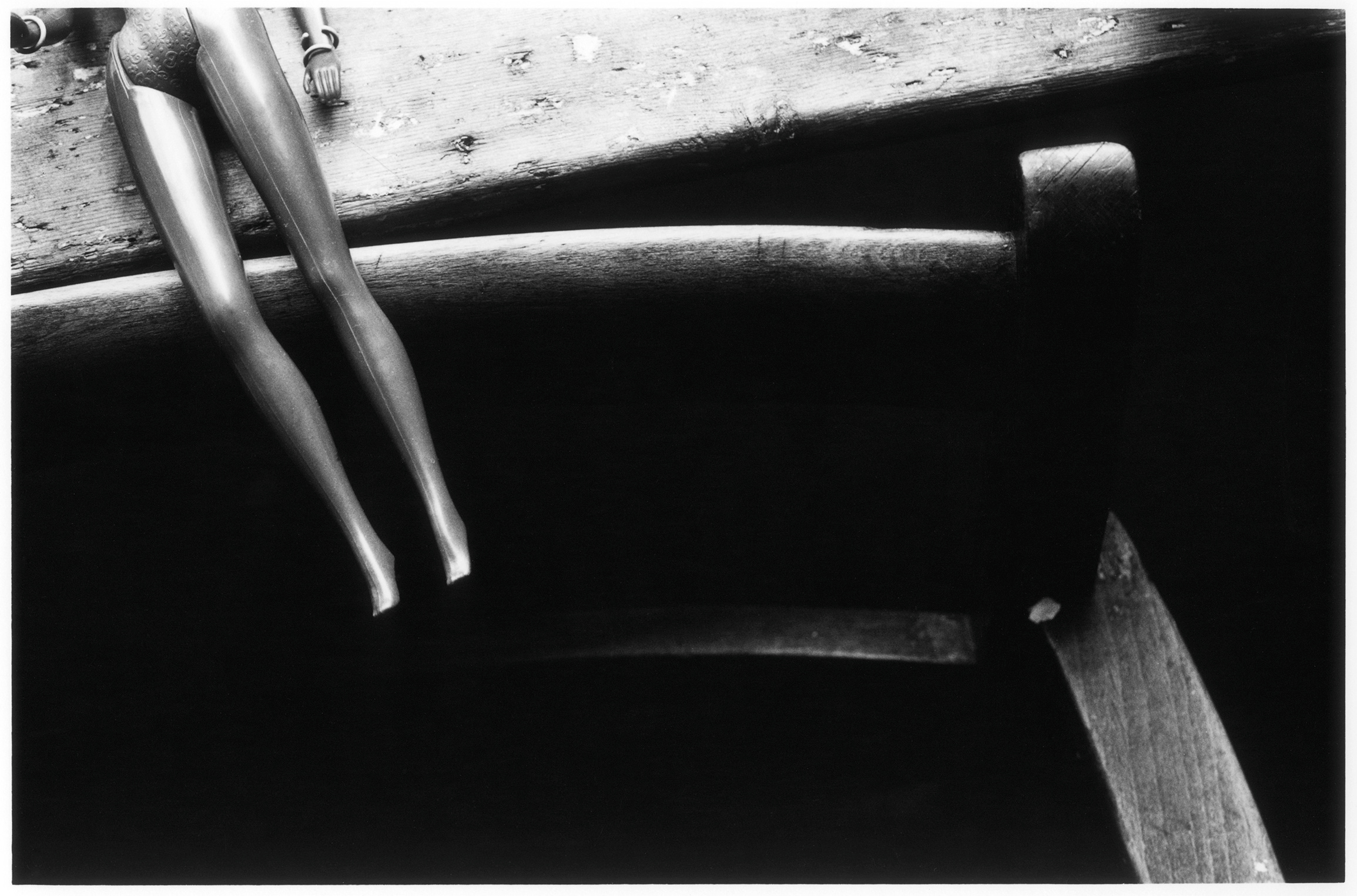
When I began photography I was still painting a bit and I enjoyed looking at art collections in the municipal galleries in the UK. Every city and major town had hundreds of masterpieces and I could spend a whole day wandering from room to room in these places. I looked at these wonderful images and asked myself; ‘why does that work?’ I wanted to know how the painter had managed to make me look at the picture and be affected by it. Paintings don’t happen by accident, every figure is there for a reason, every line and tone has been thought about, sometimes for months and years. I didn’t know anything about composition, but I was fascinated by it and I understood that it had the greatest influence over the viewer. The more I looked at great paintings, the more I absorbed a sense of what worked.
As photographers we know that light and tone are important, but putting that into practice is another matter. if you don’t know where to put the light and the tone
they will work against you.
If you find my articles interesting or useful, please spread the word to anyone you can think of who would be interested.
If you have enjoyed this post and the information here and elsewhere on my Substack and you would like to support me, you can subscribe or just buy me a coffee at Ko-fi.com/andrewsandersonphotography You can send as little as £3.00, or more if you are feeling generous. This money goes towards materials used for the tests and printing for these articles. Alternatively you can be a paid subscriber.
Thank you for reading, please let me know your thoughts.
Andrew Sanderson March 2025.
Fantastic article to which I’ll return because there is just so much here to reflect upon.
I like where you say, “If you want to feel a greater sense of satisfaction in your work, then you need to overcome some difficulty, you need to push on where others would give up, then when you get the final image you will feel an enormous sense of achievement”.
So true with this and with so many other things in life. Just… keep… going.