Portraits.
A proper record of friends.

Do you photograph your friends? Do you photograph your family? Of course you do, your phone is full of holiday pictures, shots of your friends larking about and of them at important family events, but is anyone doing a serious head shot of anyone in their life? When these people die, what sort of image do you have to remember them by? I have a lot of portraits of family, friends and of local characters, but the body of work has come together rather randomly.
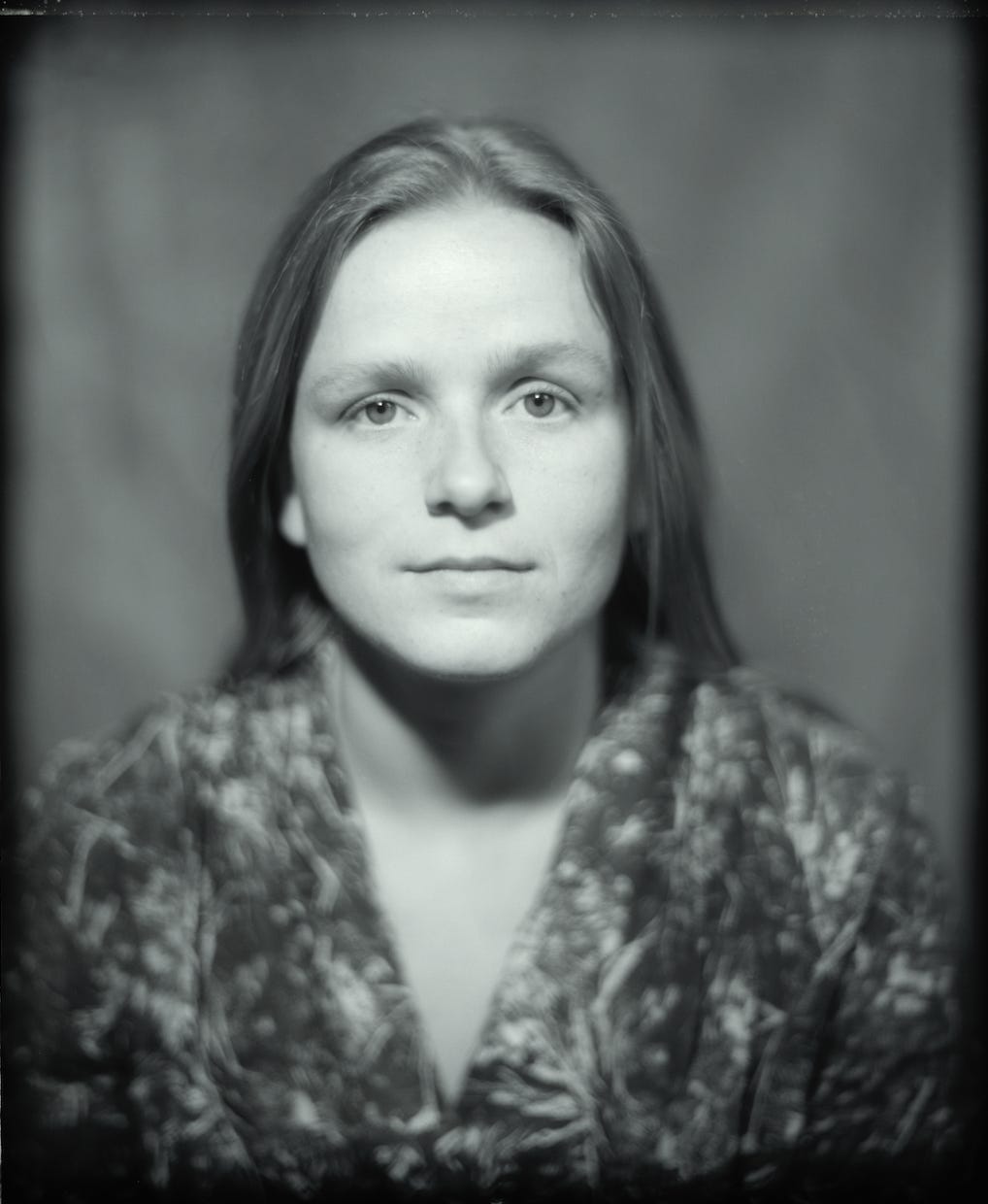
I didn’t begin portrait photography because it was ‘cool’ or because I saw the work of Arnold Newman, or Irving Penn, or Richard Avedon. I was just madly into photography and whenever people visited me, I would just say; ‘Let me get a quick shot of you’. Friends would call round and if they brought someone new, they got photographed too. I did this occasionally, not with any kind of purpose, just because I enjoyed it, but as the years went on, people started to die. As the numbers stacked up, it seemed more important to record the people I knew whilst they were still around. The first seven people shown in this article are all no longer with us.
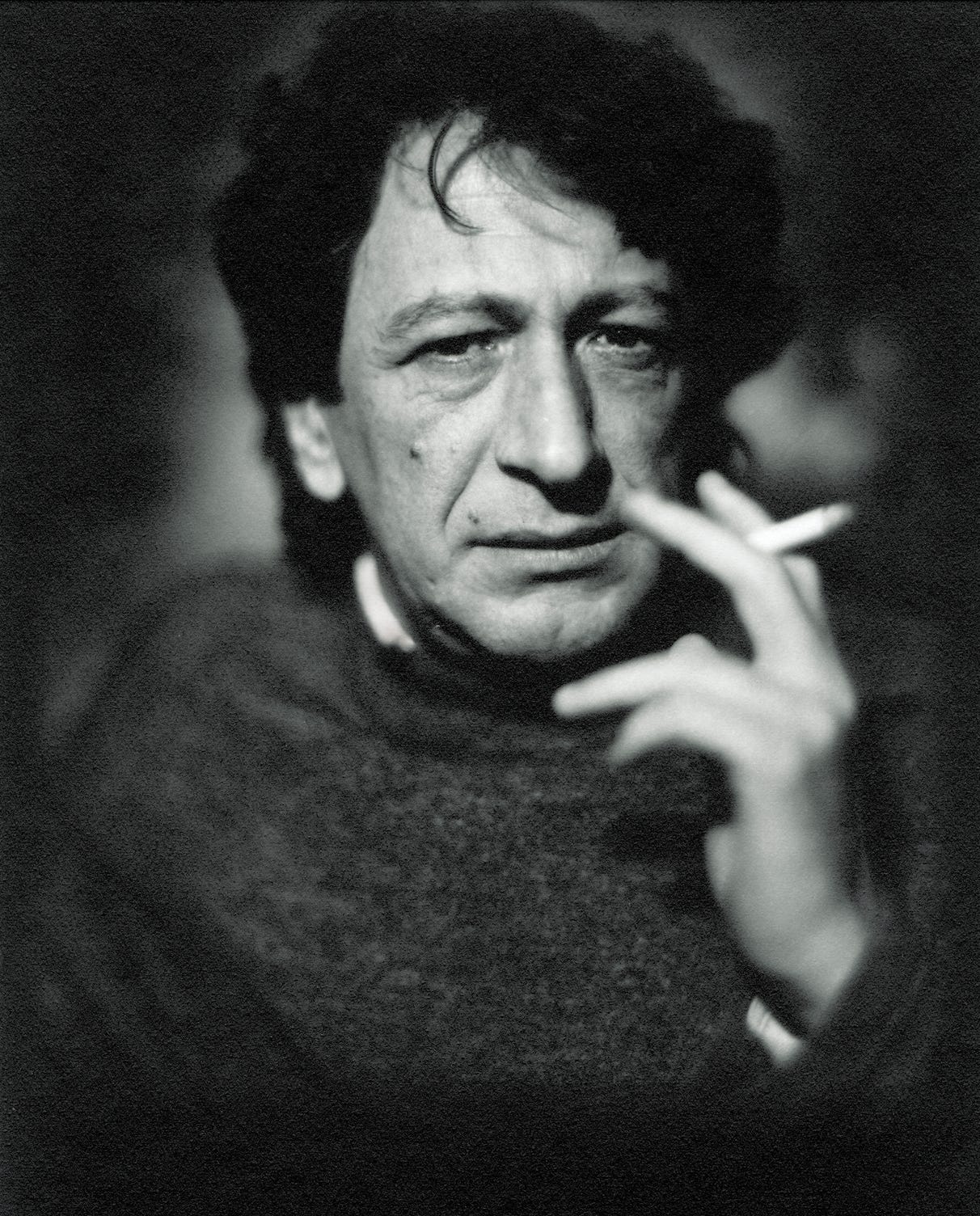
Gradually portraiture has become a really important part of my portfolio. Previously I had really only been interested in Landscape photography (the still life interest came later).
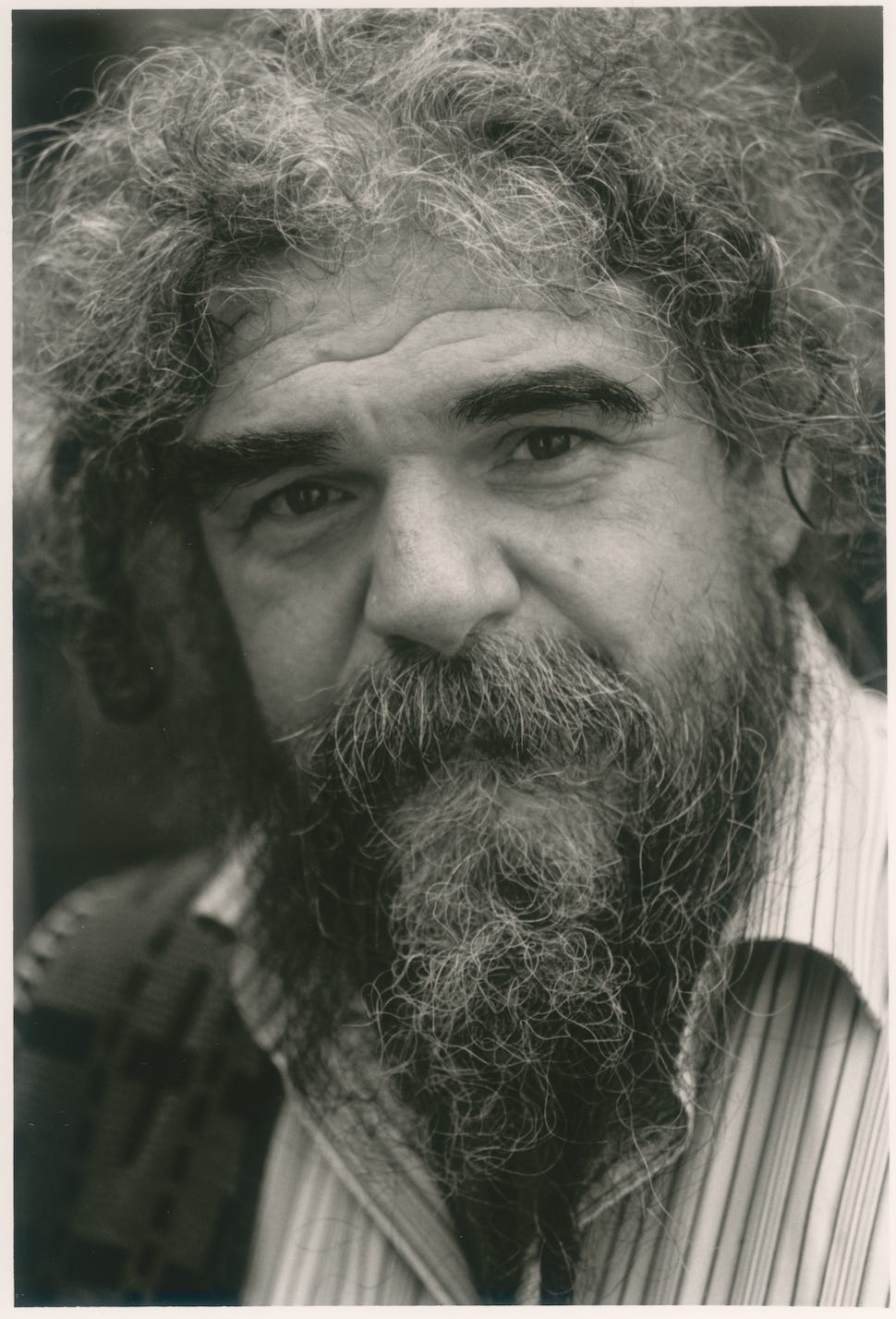
I made more of an effort to photograph the people who visited me, but it wasn’t until a few years ago that I decided to be more proactive about it and actually invite people round to have their portrait done. I initially had an idea to photograph all of the shopkeepers and pub landlords of our small town in one year, as a kind of historical document of this time, but covid came along and it was impossible. By the time we were back to normal the impetus had gone, but I still wanted to get a few local characters on film for posterity. There are many people in the town where I live who I had seen around town and were well known for something. Some were achievers, some were in trouble a lot, some were a bit mad and some were just popular, chatty people.
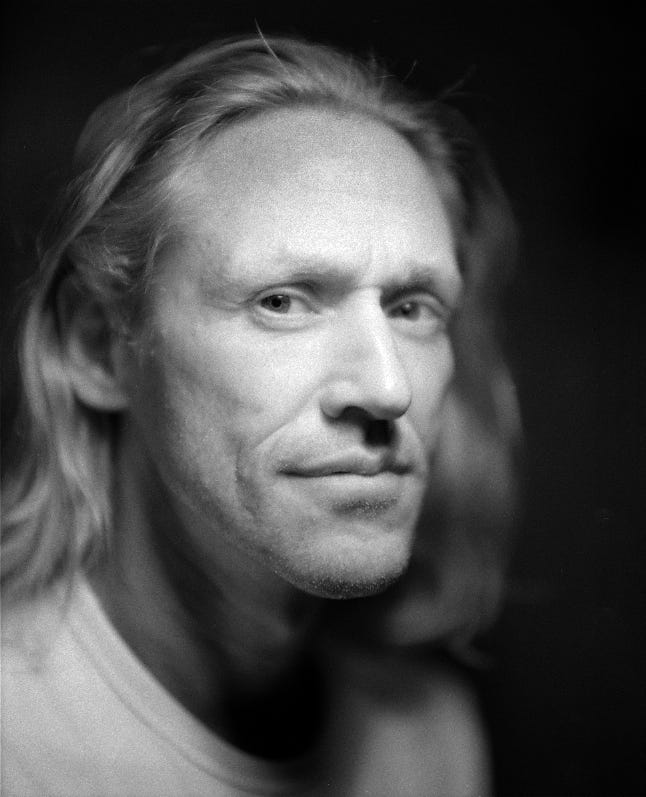
I approached them and explained that I had this loose project and I would like them to come to the studio for a quick portrait, and so far everyone has been really enthusiastic. The only thing that gets in the way is the difficulty of getting our diaries to match up, everyone is so busy these days. Sometimes the shots had to be in their place of work.
I now have quite a few portraits of people who I didn’t personally know previously, but who have now become good friends.
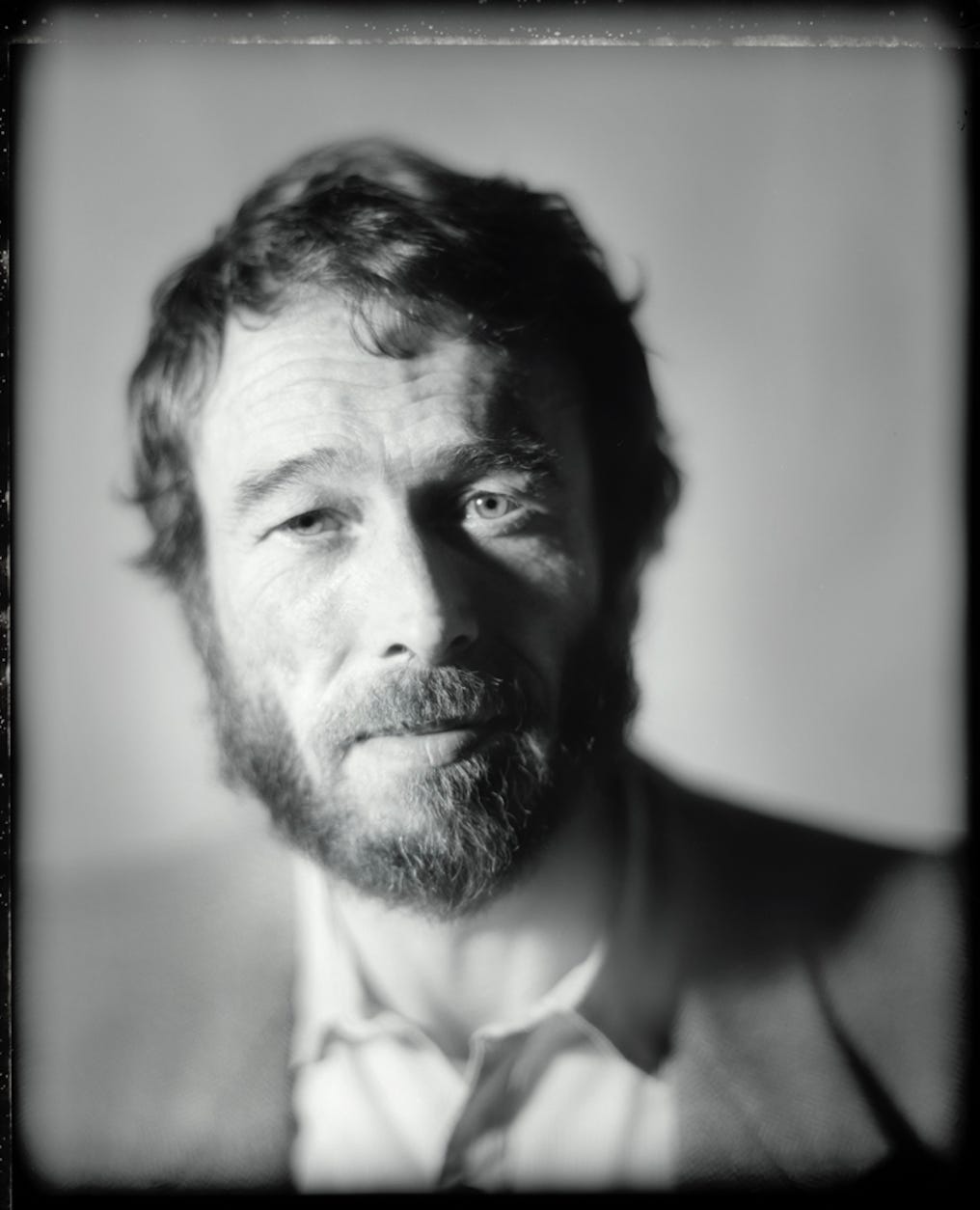
Many of the images you see here look like they were shot in a professional studio, but in the early days all I had was the one room that I slept and worked in. For a background I painted my wall in a messy pattern of black and white patches and this, when it was out of focus in the background gave a bit of variation to the tonality. I had a simple set up with one 1Kw tungsten lamp and a camera permanently on a tripod.
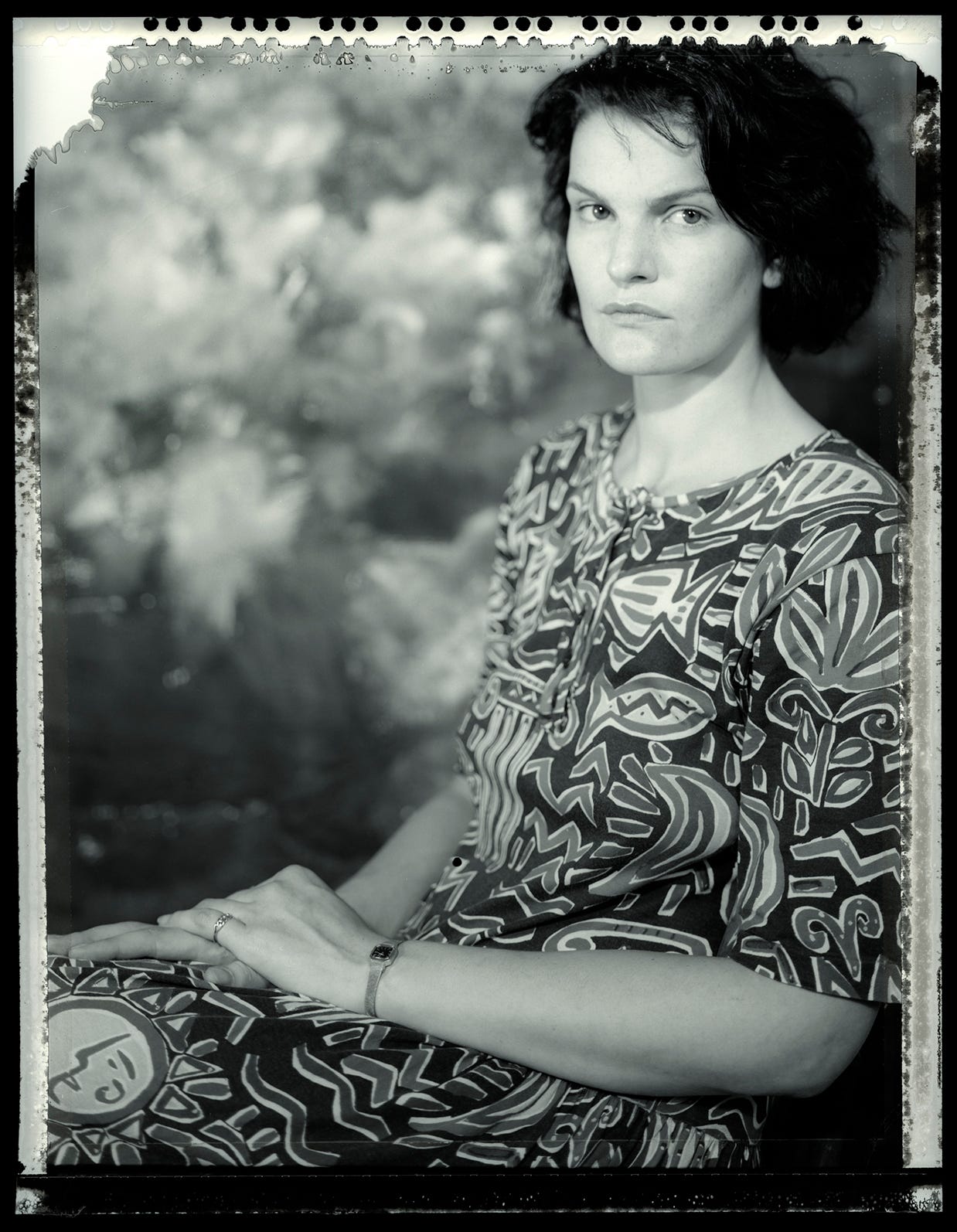
I didn’t have many cameras at that time, and no fancy equipment. I had a Pentax Spotmatic, a Mamiya RB67, a battered old MPP 5x4 and a wooden Thornton Pickard ‘Junior Special’ camera, which was quarter plate (a bit smaller than 5x4). This was the camera that stayed on the tripod, I used it for almost every shot, because there was a magic to it that I couldn’t get with the other cameras.
A fear of photographing people.
Most people have a fear of attempting portraiture, maybe it’s because they find it hard to ask strangers for a picture, or perhaps a fear that they won’t get a good likeness and the sitter will be upset or disappointed with the result. I was very shy when I was younger, so the idea of speaking to strangers was really scary, but I used my photography as a way of fighting that shyness.
A studio?
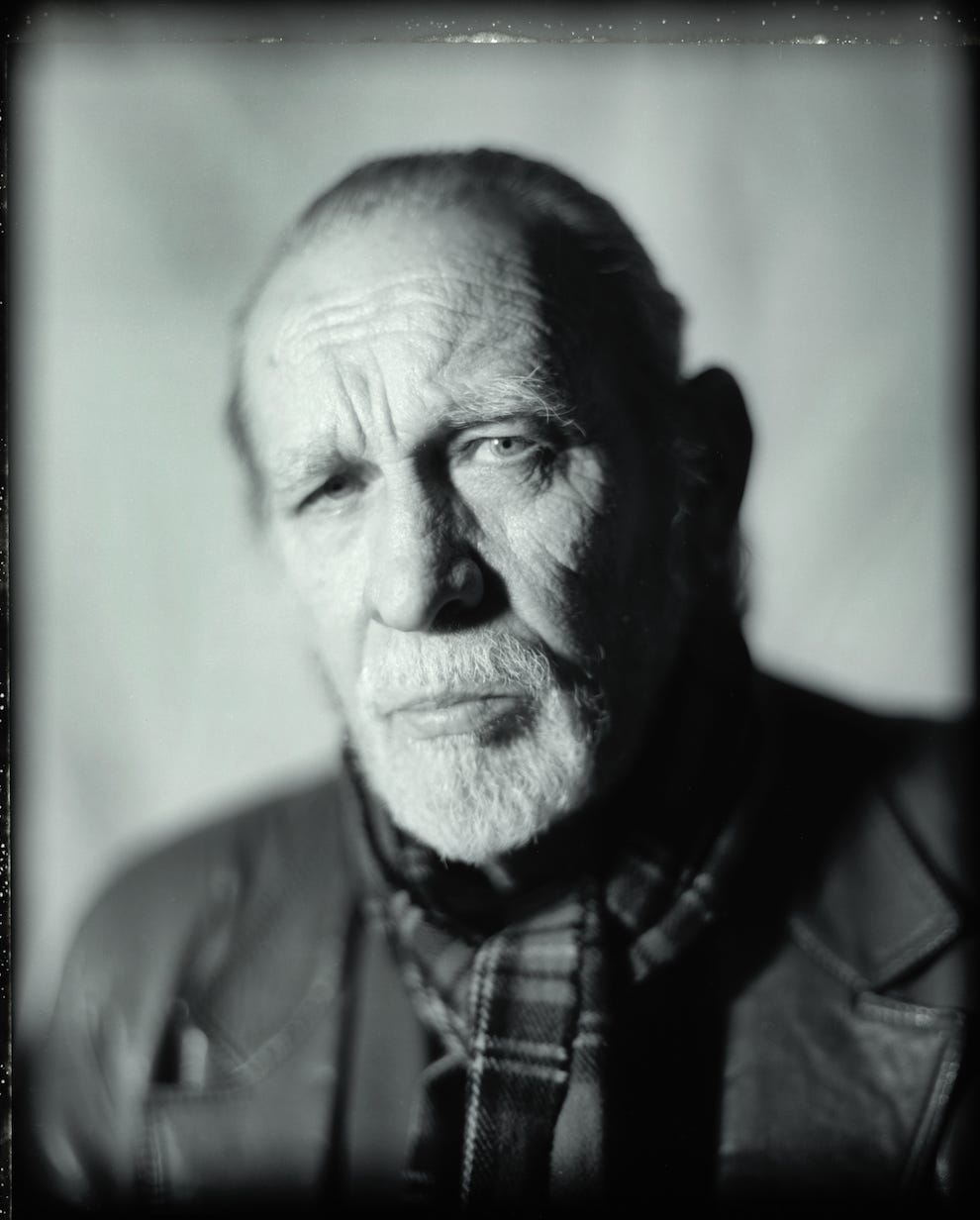
I used my makeshift studio for almost all of my shots, but a studio is not a requirement for decent portrait photography. Placing people in their natural environments or place of work can work really well, and this often gives added context about the sitter. Placing people next to a window is an old trick and it can be very effective, but if that isn’t an option then you may have to think about lighting.
Lighting needn’t be complicated or expensive, as I said before, for years I just used one big tungsten lamp. I have also lit people by torchlight, candlelight and streetlight, so don’t be afraid to try other things.
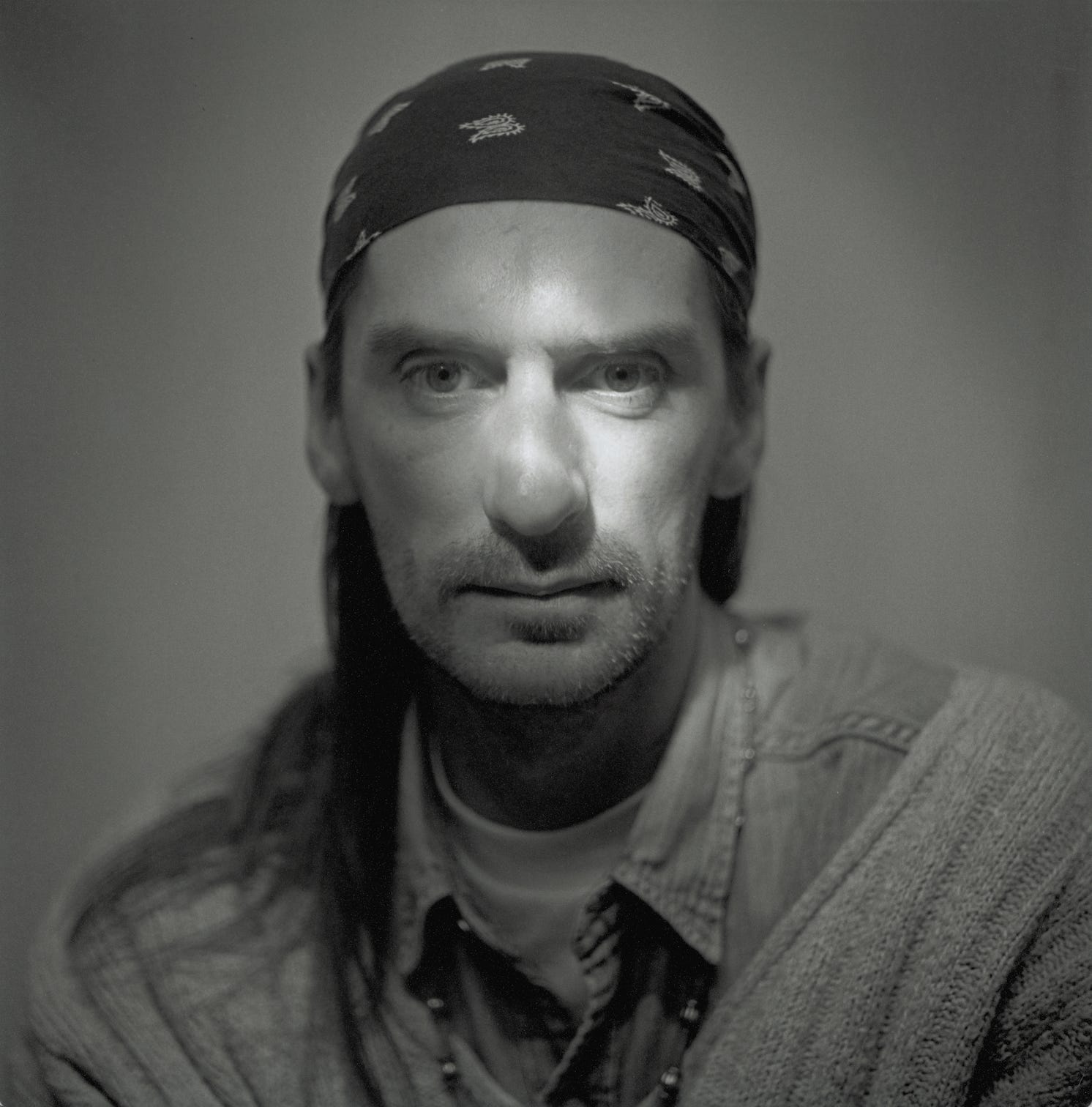
In the portrait of David Eustace above, I used a torch to add a highlight over the face.
Talking to your sitters.
If you can chat to your sitters as you photograph them they will feel more relaxed. People like to be flattered, and they like an opportunity to tell you about their interests, illnesses, or life. If you invest a bit of time with people you get such a lot back. Sometimes you’re stuck with a bore, but in my experience this is quite rare. In fact the opposite thing happens, in my local town I have made long-term friendships with people because I initially approached them about taking a picture.
As well as the well known locals, I also look for people who have something that stands out, a type of dress, a particular individual look, style, beauty, intelligence, or a presence. Sometimes I’m drawn to people because they represent an archetype or character that we’ve all met before. If I wasn’t distracted by a million other photographic ideas and techniques, I would love to do a project on those people. It would take a long time, but could be really fascinating.
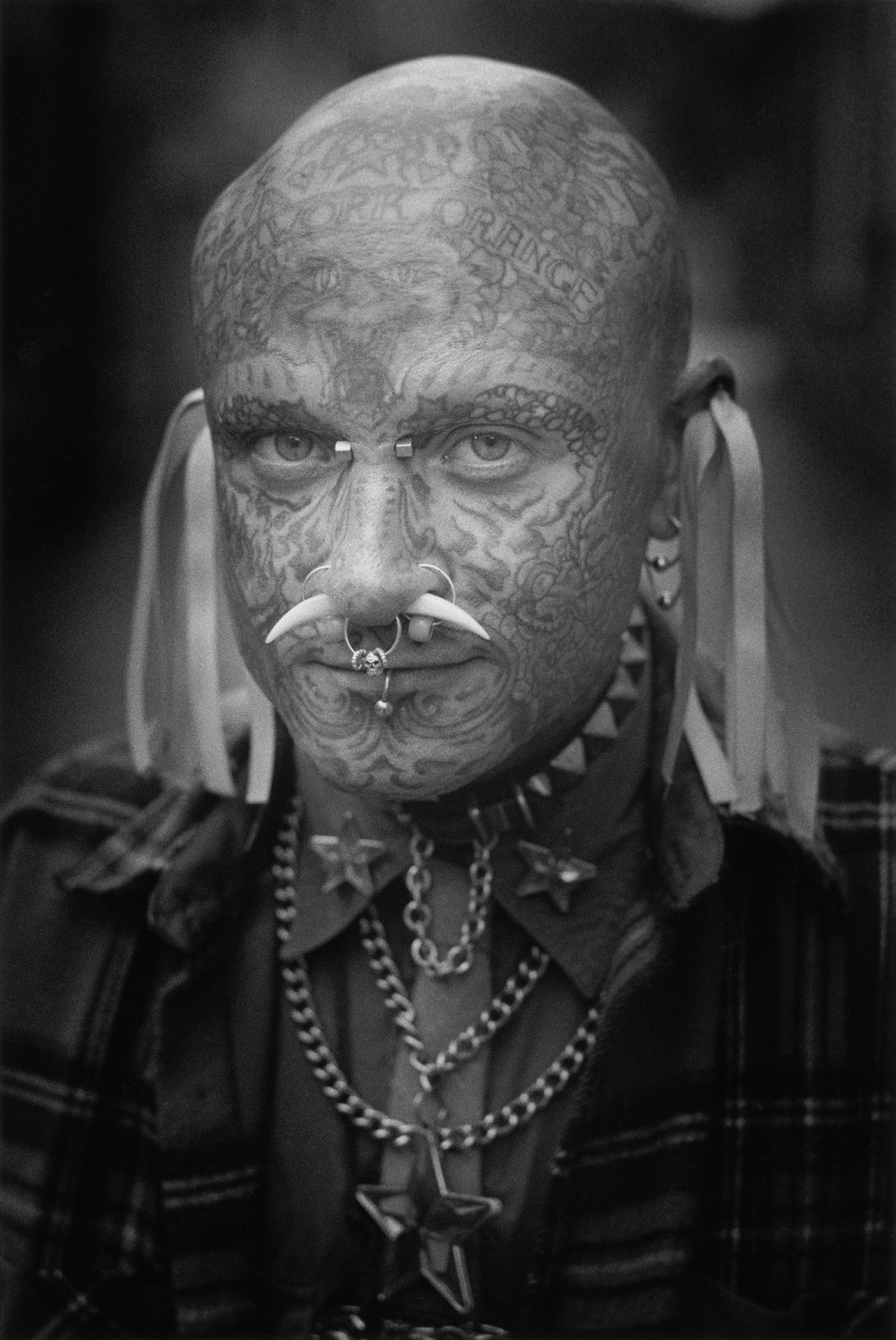
I met Paul in our local off licence when I went in to buy beer. I heard this softly spoken voice, almost like a buddhist monk, and turned round to see this face. I was shocked by the incongruity.
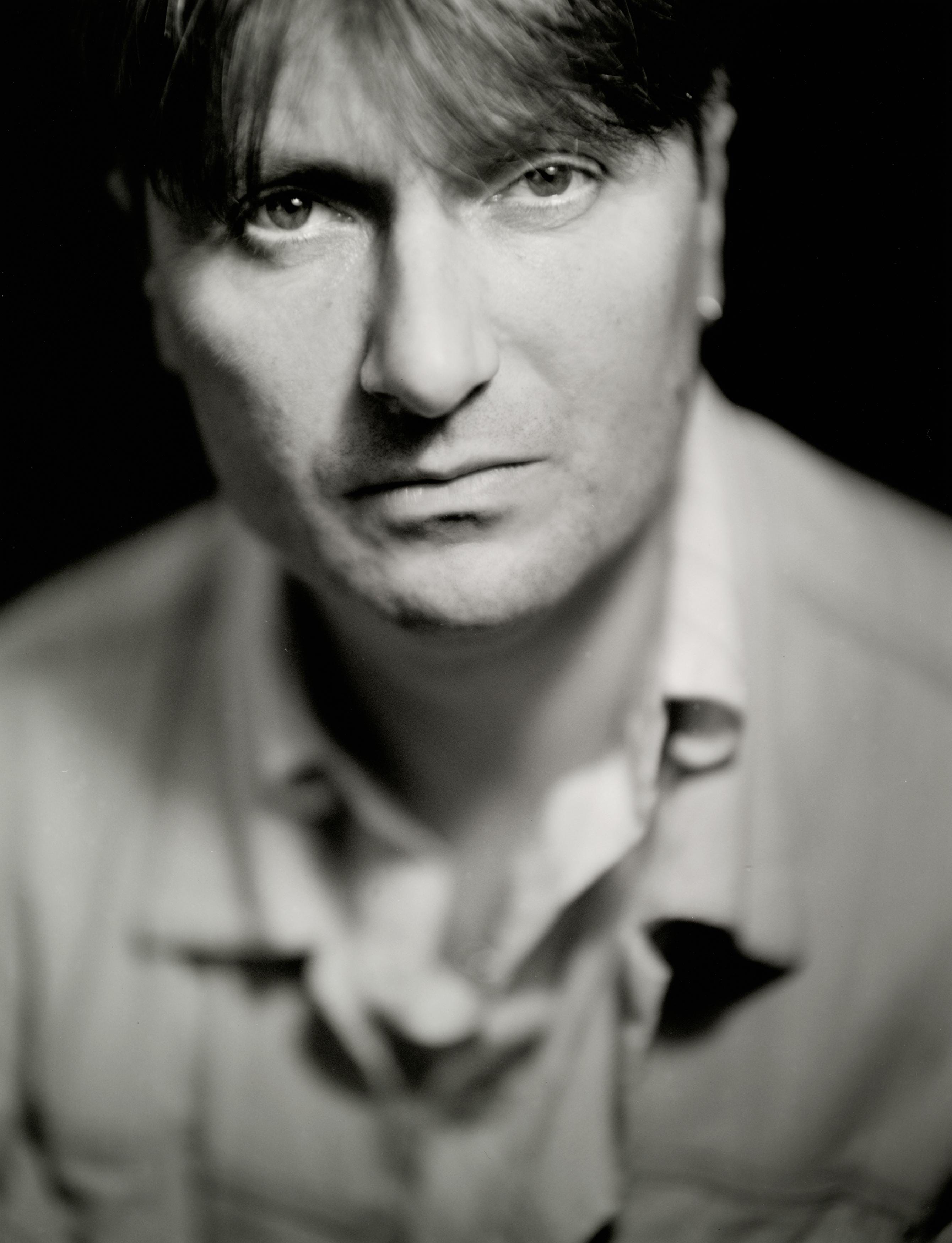
I am really pleased that I continued this as a body of work. There were times when we had visitors and we were all drinking and joking, and it was a bit of an effort to break off and do a portrait, but many of those shots became a really important record of that person. I found as I went along that in many cases the resulting image said far more about this friend than any of the snapshots that I already had. There was a different power to them.
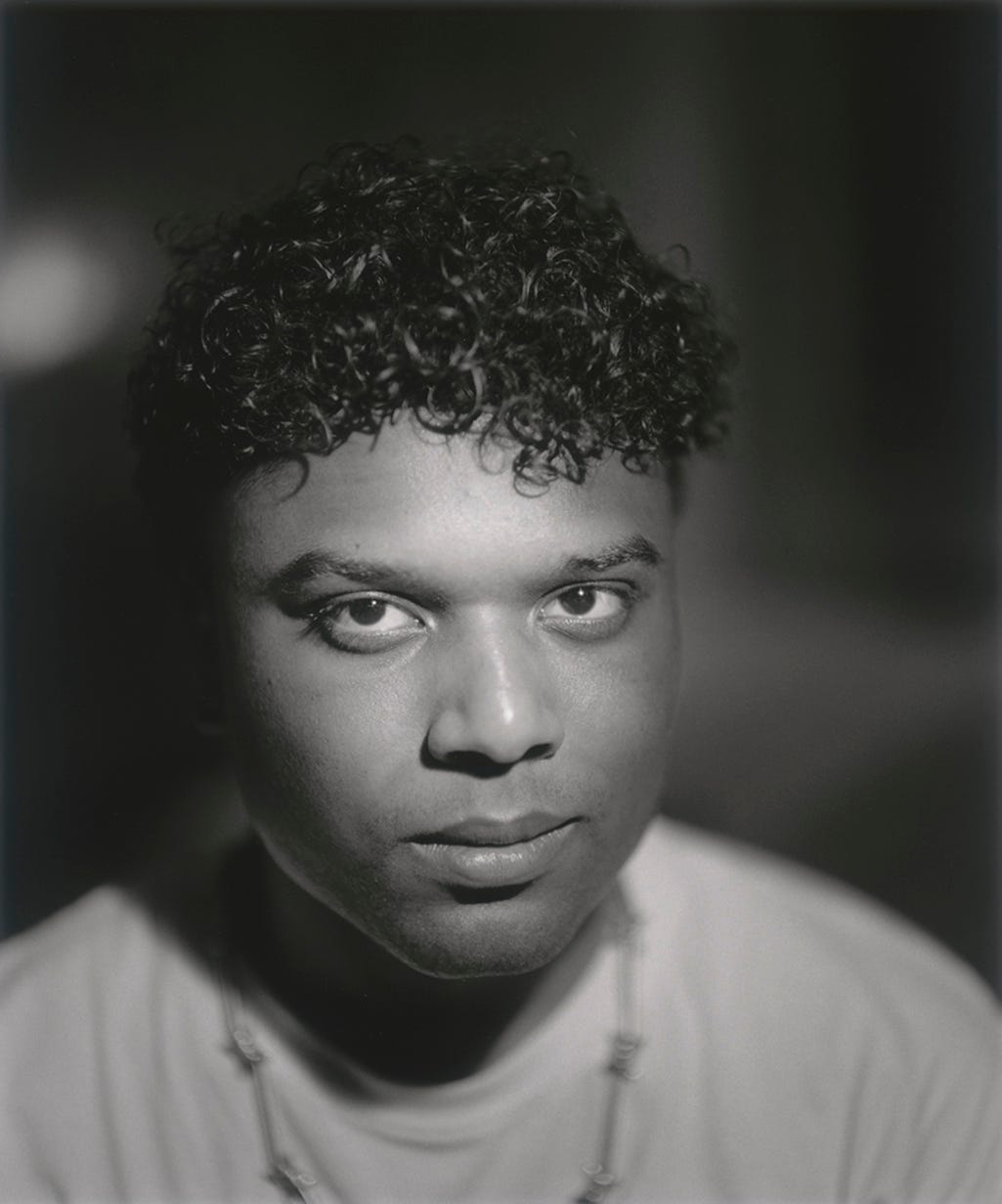
Don’t be afraid to ask friends and relatives to sit for you, If they know you are into photography, half the problem is solved. If portraiture is not your usual thing, you can use that as an opening line. You could say; ‘I’m thinking of getting into portraiture and I need to get a bit of practice in, would you mind sitting for me?’ This way, there is no pressure or expectation.
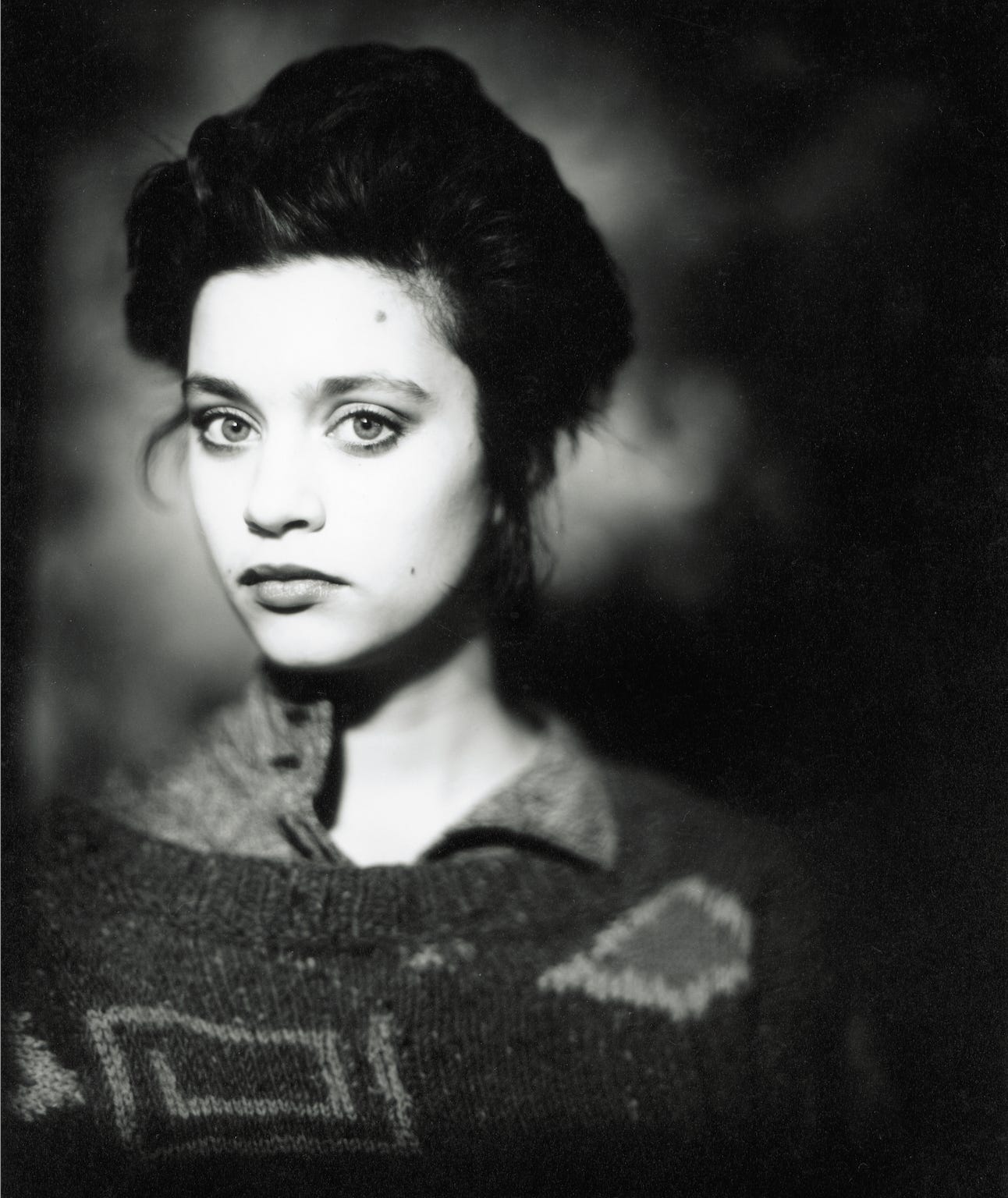
I hope you are inspired to begin your own archive of friends and acquaintances.
If you find my articles interesting or useful, please spread the word to anyone you can think of who would be interested.
If you have enjoyed this post and the information here and elsewhere on my Substack and you would like to support me, you can subscribe or just buy me a coffee at Ko-fi.com/andrewsandersonphotography You can send as little as £3.00, or more if you are feeling generous. This money goes towards materials used for the tests and printing for these articles. Alternatively you can be a paid subscriber.
Thank you for reading, please let me know your thoughts.
Andrew Sanderson October 2025.
You hit a lot of nails on their heads here. Taking a good portrait image of somebody we know or love will take on an importance we couldn’t expect, perhaps sooner than we imagine.
Also, love that you started meeting people in their workplace. That’s a great way to get portraits done with that special flair in it. Don’t like the idea of people being defined by their work, but I also wouldn’t say it isn’t important to who they are. Cheers~
As always, an interesting post, Andrew. Portraiture is an important subject in photography but also one of the most difficult ones, I find. I don’t make many portraits. Mostly from my children (when they allow me and feel like it) but very few of family and friends. As you say, people in general get nervous when they are asked to pose. Is something unconscious, in my view. I think is the scare of seeing oneself and maybe don’t agree with it.
I wonder if in some way, lenses can ‘deform’ a bit a face. Not deformation in the literally sense but more ‘little bits and pieces’ that can appear different to someone. In any case, there is a scare that is ‘human’. I bought last week a book about the famous Harcourt studio in Paris. For the ones that know this studio, you will know that if one was photographed by Harcourt you need to be an important person. Portraiture at the highest level, I would say. Not that we should be all ‘Harcourtists’ because this is impossible but only to say that it is not an easy task and that the studio and the equipment matters if one wants to do it right. In my opinion the best portraits are the ones that I made instantly without the person realising that it has been photographed. When my book will arrive I will write a little post about it.