One shot discipline.
Do you need to take so many?

In todays world of photography, in almost every situation that a camera is used, a number of shots are taken no matter how important or unimportant the situation. It has become the norm to shoot the heck out of everything and edit down your images later. Obviously, the job of a news, sports or fashion photographer requires this, but amateur photography does not.
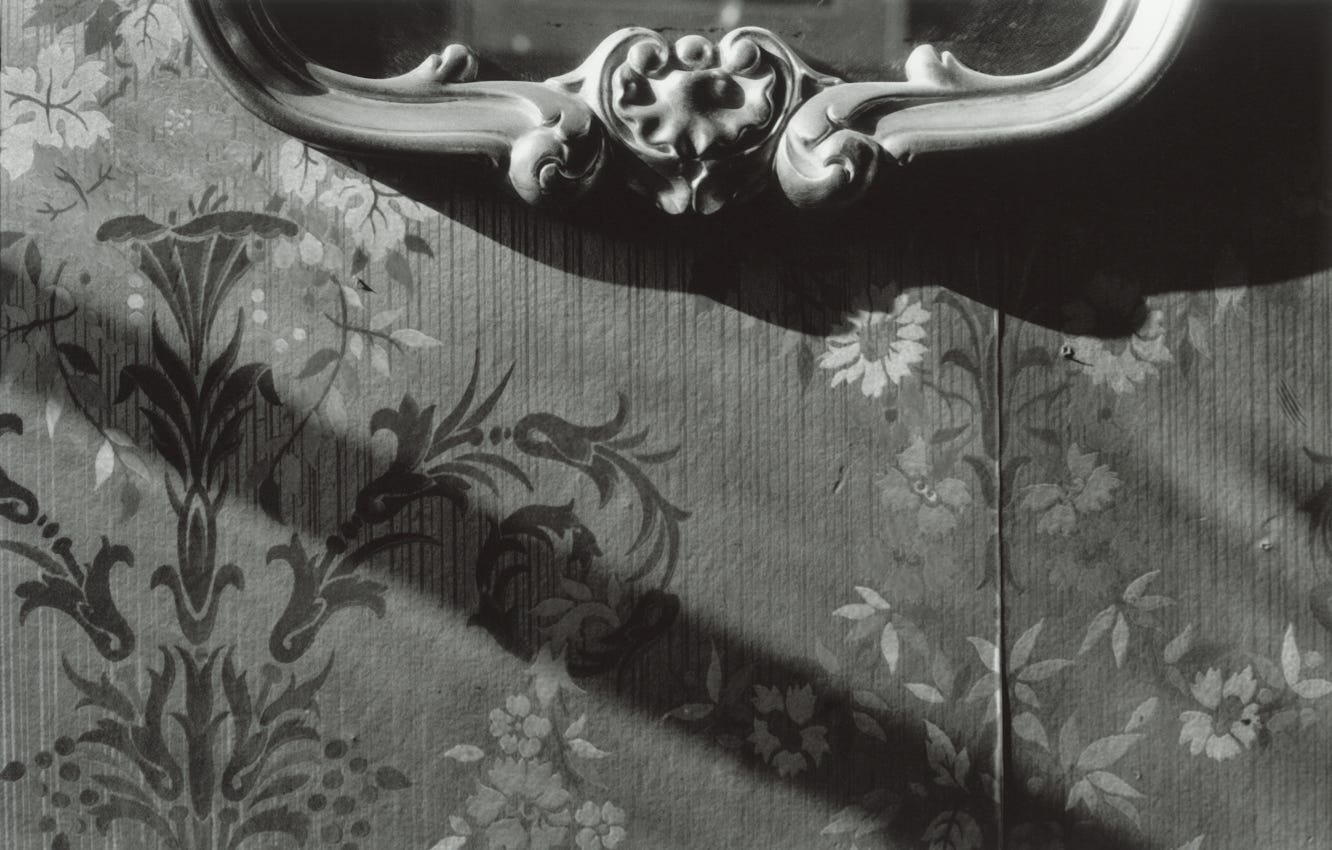
Taking lots of frames and shooting the heck out of everything is not going to cost the digital photographer or phone snapper any more than taking one shot would, the only cost is the extra time involved shooting and editing. So what’s the problem? I can see why people take lots of frames, they are trying to get the perfect image by accident, not by observing. Shooting loads is safe, but it doesn’t teach you to see the perfect moment. I believe that less is more in these situations. Cartier Bresson coined the term ‘The decisive moment’ to describe the ideal time when everything comes together to create a perfect photograph. He didn’t say: ‘The decisive six-shot burst that allowed me to pick one good one”.
A friend of mine studied photography many years ago, and her teacher used to cut a short section of 35mm film and load it into a 35mm camera. Each student had a camera with one shot and they were all sent out with the expectation that they would come back with a perfectly exposed frame. This made them think more carefully about what they chose to point the camera at and how they shot it.
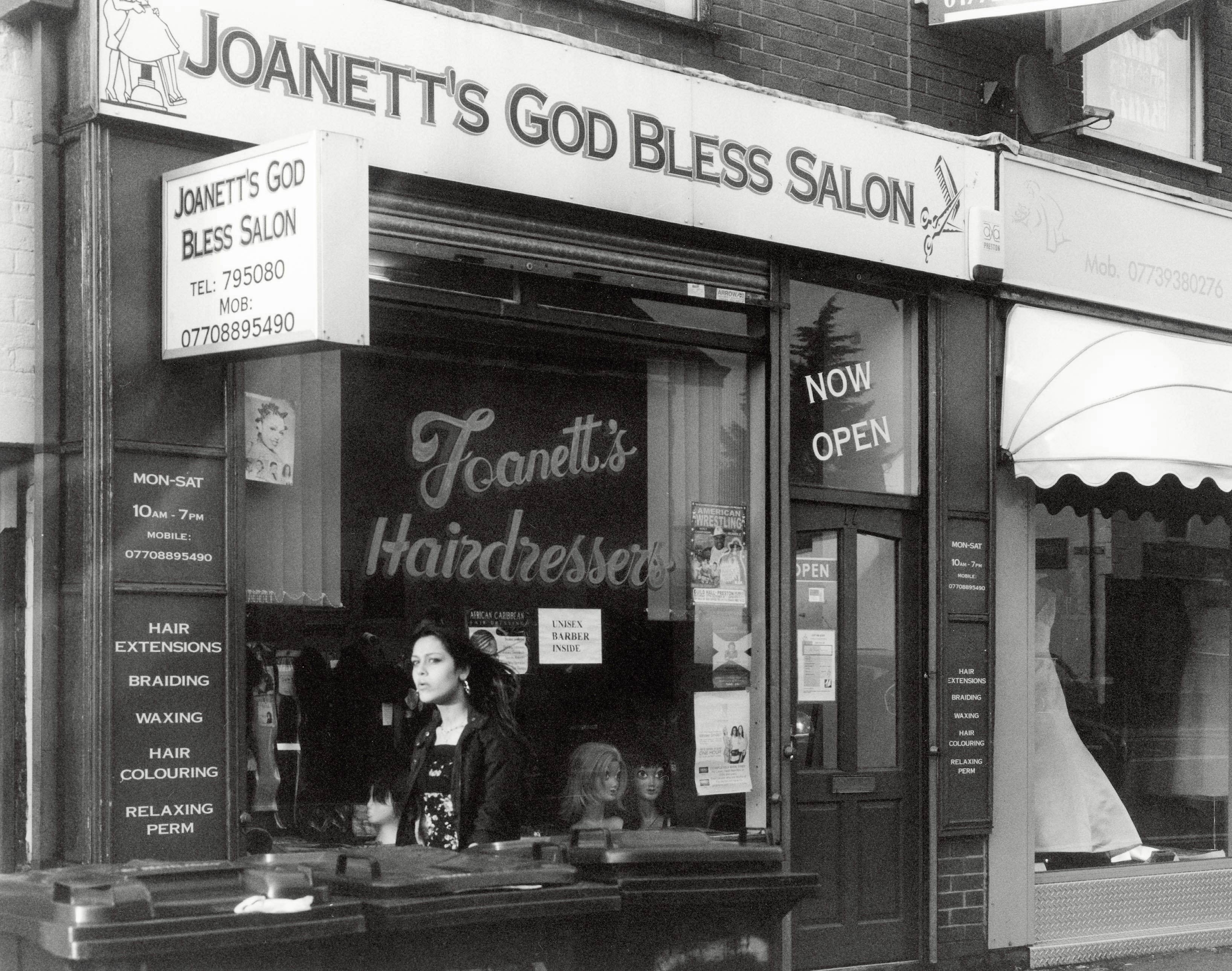
Sometimes the situation you see in front of you doesn’t give you time to explore lots of possibilities. With the image above, I only got a brief moment to get the shot as the car I was in was briefly delayed by the vehicle in front. With the next image, I had a fraction of time to get the shot before the boy pulled his head back into the carriage and was gone.
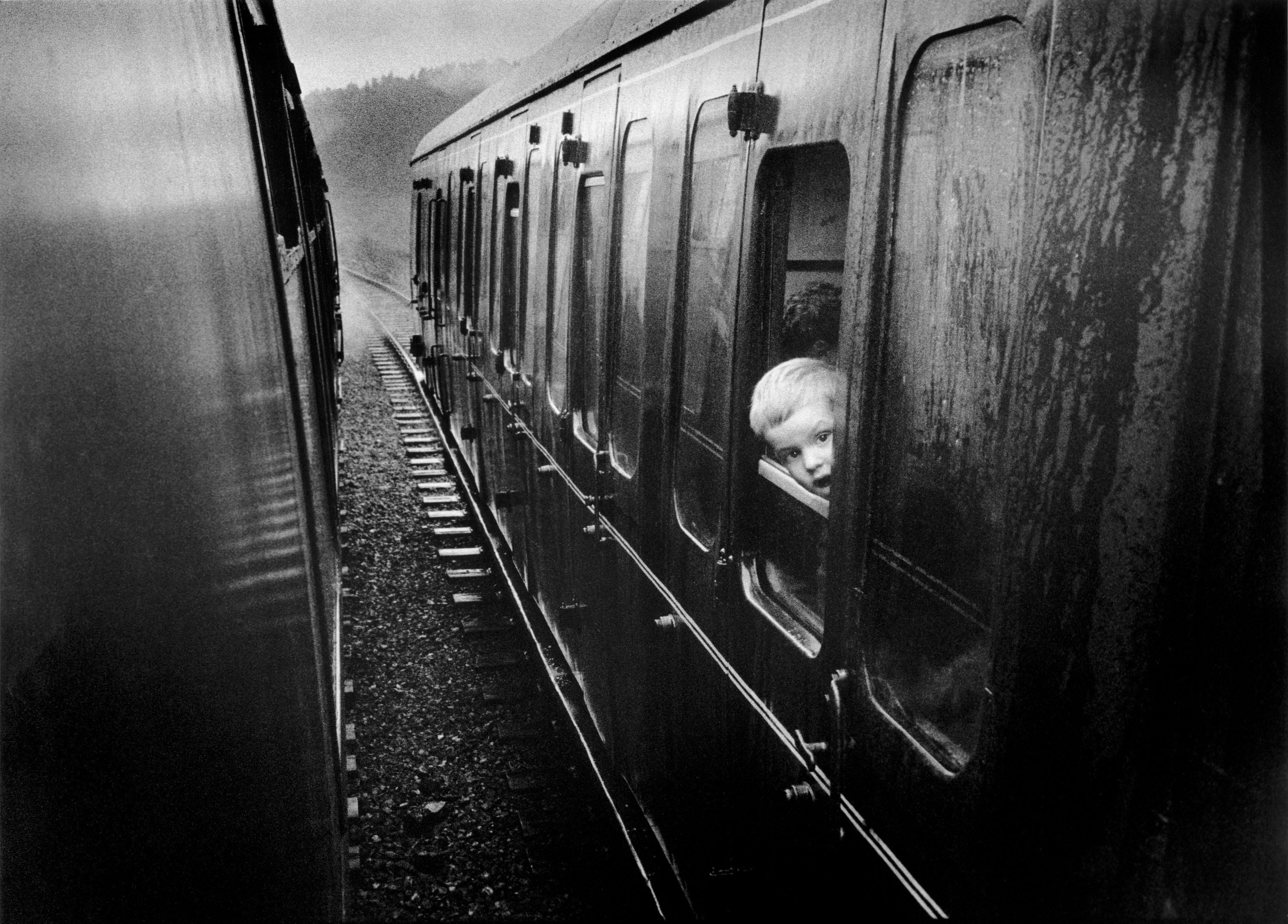
When you shoot film, unless you are rich, you have to tread a fine line between conserving your film stock and taking enough frames to get the shot you are after. Personally, I have always erred on the side of shooting the minimum number of frames possible, and in 99% of situations this has meant taking only one frame. If you were to look through my contact sheets you would find that most of them consist of 36 different frames (35mm), 10 different images (6x7), 12 individual pictures (6x6). This is not a boast, this is a discipline imposed originally by financial constraints, which has become a habit. Sometimes it is obvious in the moment that another shot must be taken, or something in the scene has changed for the better, and that is fine. I’m not going to stick to just one frame if something better presents itself, I’m just avoiding shooting for the sake of it.
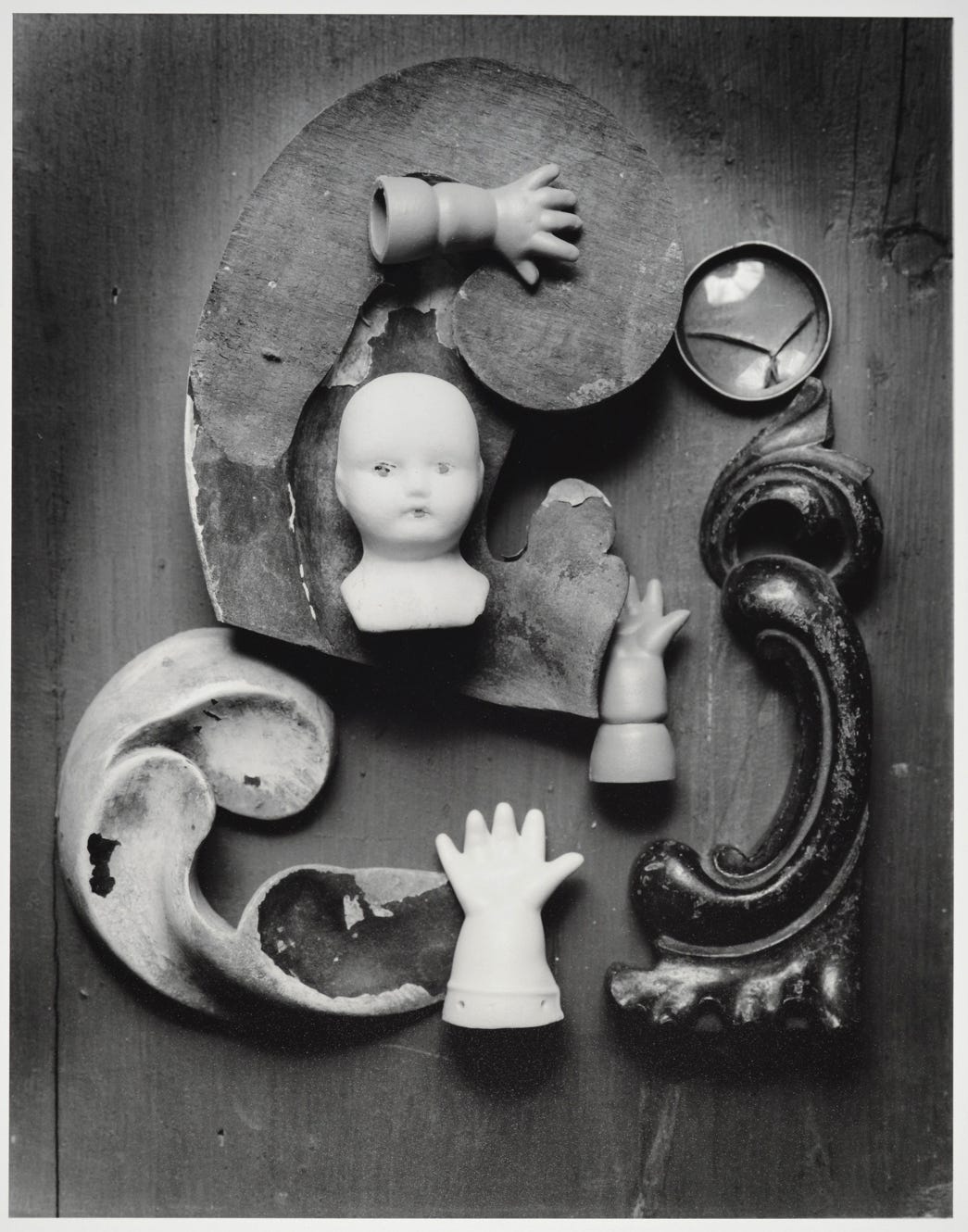
The image above was a simple still life set up of some of the collected junk I have in my studio, it was taken on one sheet of 5x4 film.
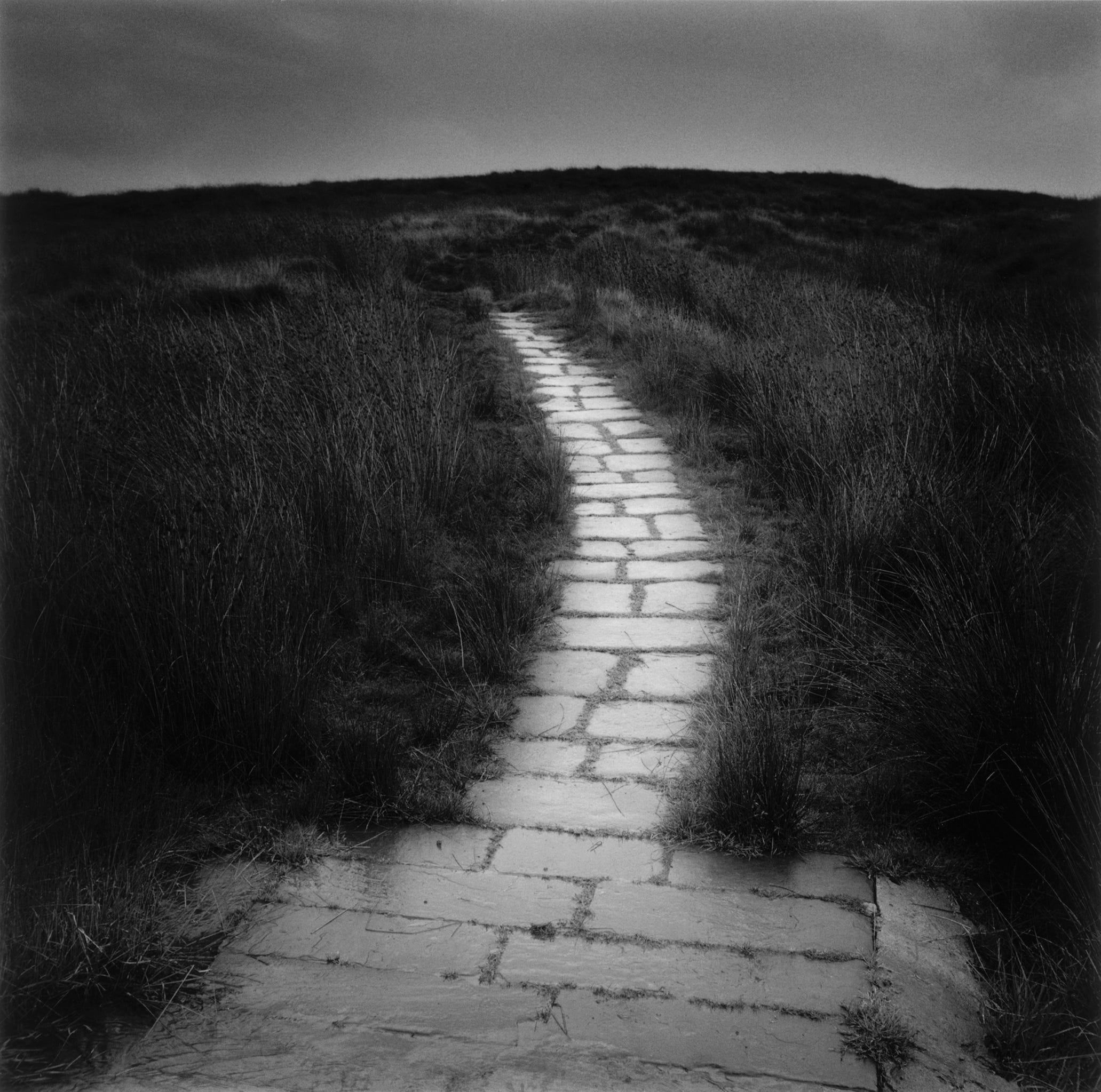
The picture above was the only one I took of this scene. I remember wondering if it was really worth a shot, but decided to ‘waste’ one frame on it. The image has become one of my most successful prints.
I decided to write about this because I believe it has made a difference to the way I see. When you only have one frame to expend, you make sure the composition is right, and the exposure is right, you check your focus, and you process each film carefully. All of these things eventually contribute to a higher hit rate. If I don’t look properly, or meter carefully, I can end up with nothing to show. This self imposed rule applies to Still life, Landscape, Observational stuff and Night photography. The only time I think about shooting a number of frames is when I am doing a studio portrait. In this situation it takes time for the sitter to relax and the only way to do this is to be prepared for a few less than perfect frames. If I’m doing a portrait on large format I have to have a half way point, because 36 sheets of 10x8 film would be very expensive, so I’ll keep it to two sheets of 10x8, or four sheets of 5x4.
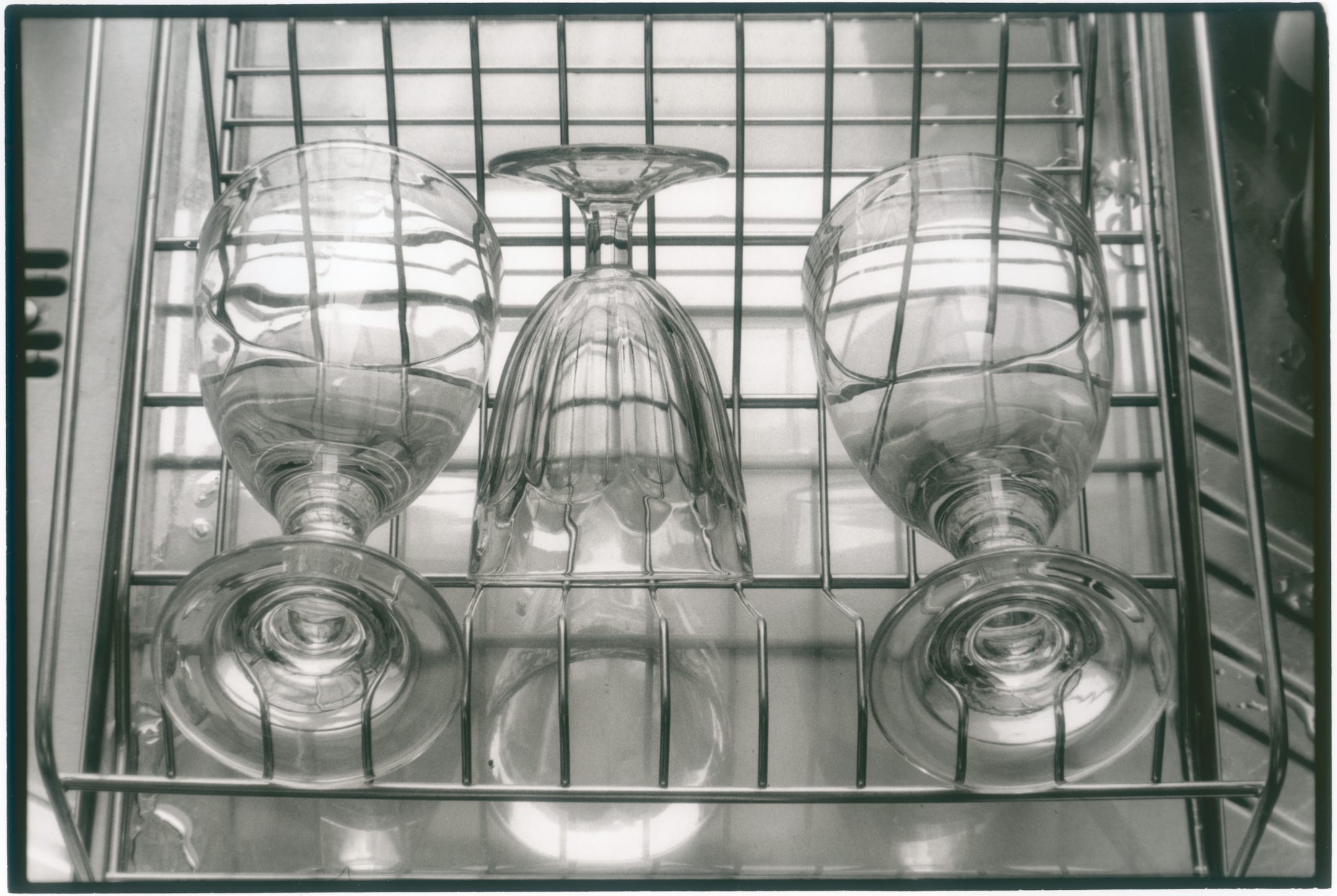
When I am shooting something and I have the camera on a tripod with the composition worked out, there really is no need to take more than one frame.
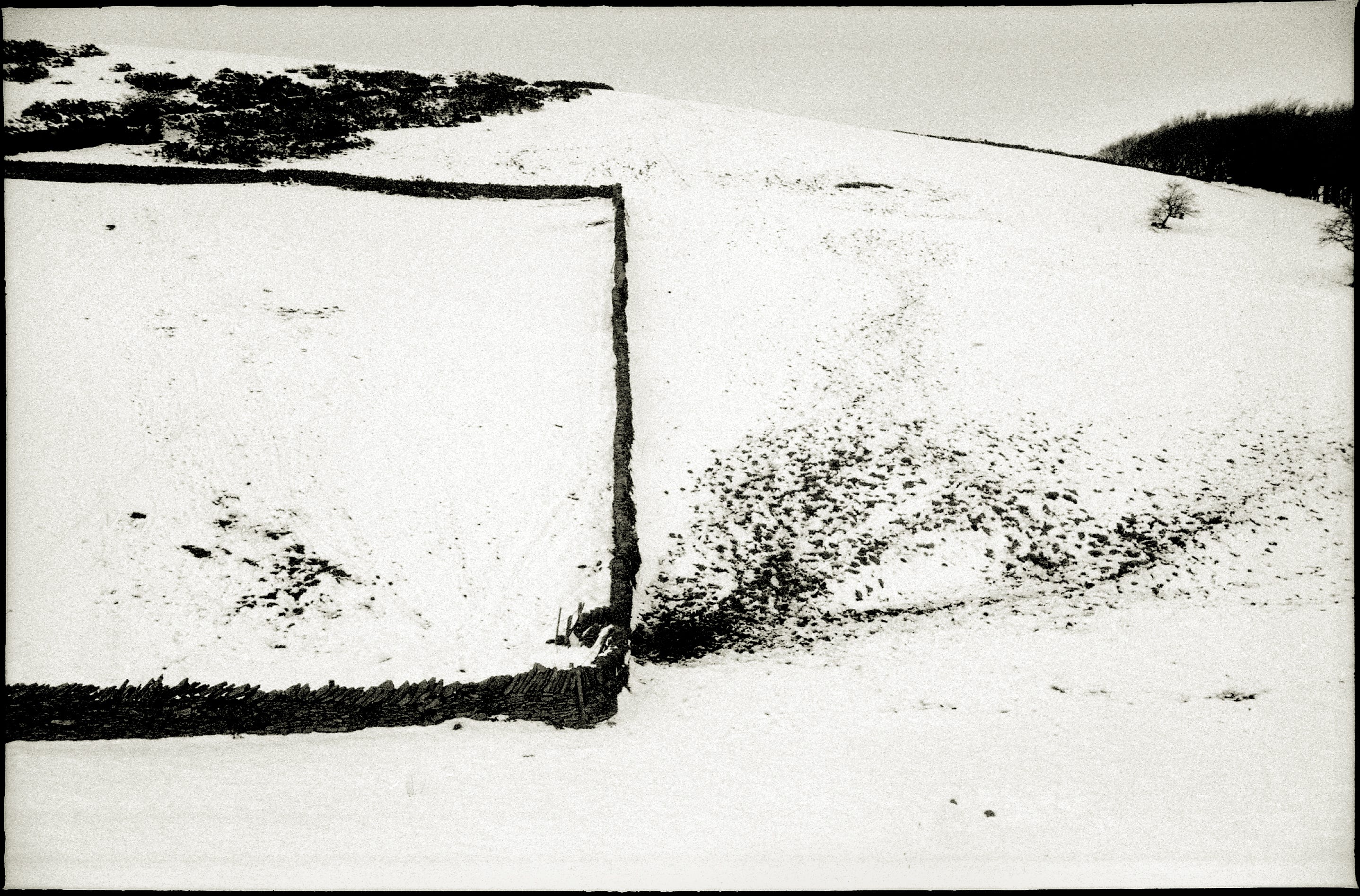
Having many choices might seem like a great idea and having many options also, but in actual fact it is the restrictions that we have, either through lack of equipment or the limiting factors of our materials that make us concentrate more. If I was to go out with a 35 mm camera and a wide range of lenses for every possible focal length, I would not see more pictures. The unlimited possibilities cause confusion and indecision, not clarity.
The single shot exercise that my friend did at college, mentioned above is an extreme example, but I do enjoy the limitations of going for a walk somewhere with a camera and only one prime lens. The last time I was out I took an 18mm super wide and it was great fun looking for compositions that would suit that look. On another day I might just take out a 300mm lens and have the compositional limitations that a lens of that type would bring. These are obvious extremes, but I am sure that you can see my point.
When I first took up pinhole photography there were no commercially made cameras available, we had to make our own. Usually cameras were made out of cardboard or an existing box or tube, and one piece of light sensitive material was placed inside in the darkroom. When you went out to take a shot you only had one chance to get it right. I have fond memories of how exciting that was.
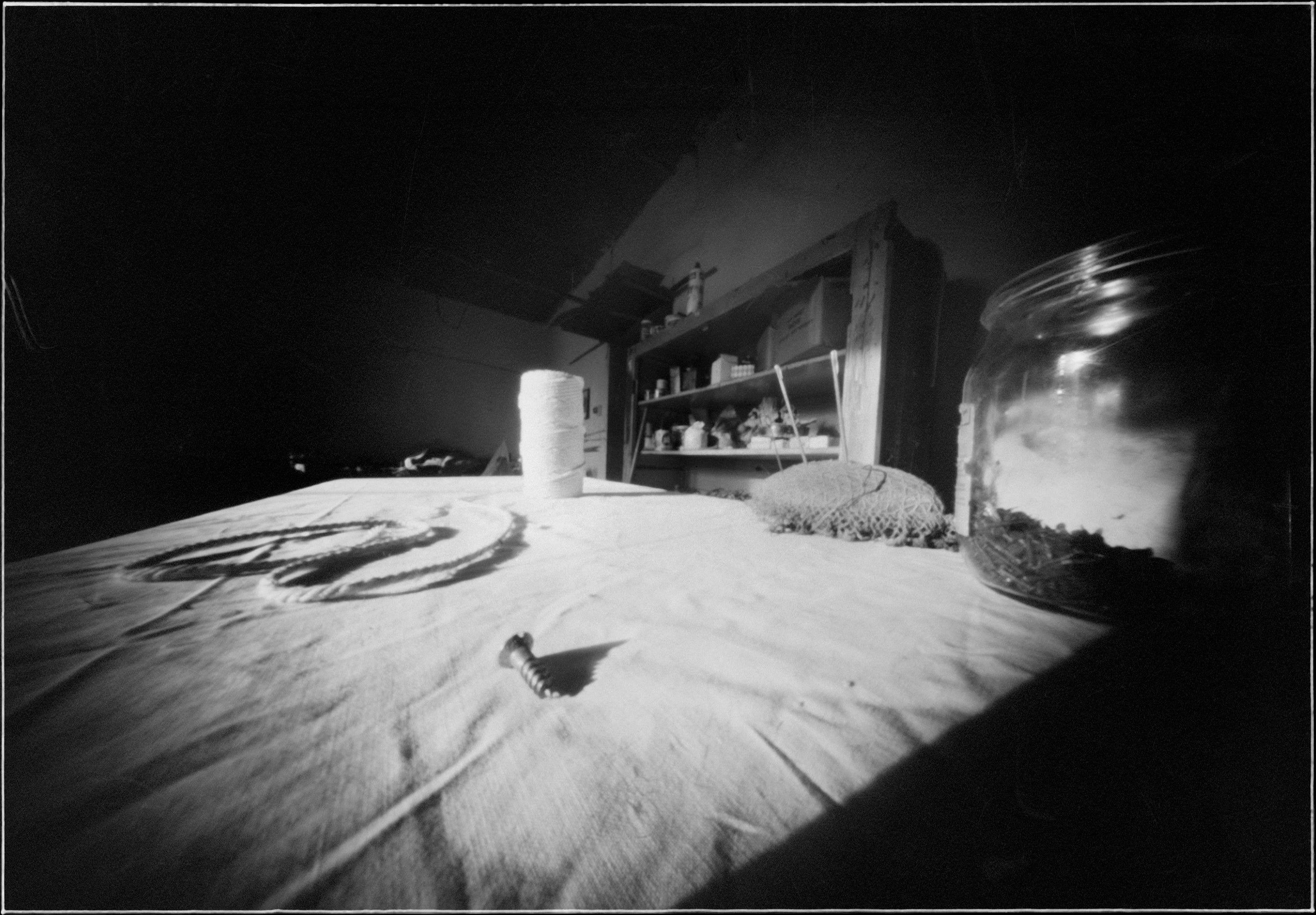
With the unlimited shooting possibilities of the equipment we have available now, I think that the special feeling I describe is sadly absent.
How would this discipline suit your type of photography? Why don’t you give it a go? I’d be very interested to hear your views and to find out if you thought it beneficial.
If you find my articles interesting or useful, please spread the word to anyone you can think of who would be interested.
If you have enjoyed this post and the information here and elsewhere on my Substack and you would like to support me, you can subscribe or just buy me a coffee at Ko-fi.com/andrewsandersonphotography You can send as little as £5.00, or more if you are feeling generous. This money goes towards materials used for the tests and printing for these articles. Alternatively you can be a paid subscriber.
Thank you for reading, please let me know your thoughts.
Andrew Sanderson January 2026.
Other places to see my work;
Instagram; http://instagram.com/andrewsandersonphotography
Facebook; https://www.facebook.com/andrew.sanderson.96155/
Original hand made darkroom prints are available from my online shop; www.andrewsandersonphotography.bigcartel.com
People starting photography could learn a lot by using an all manual meterless camera with a fixed single focal length lens with a range of shutter speeds and F/stops along with using a hand meter for critical exposure.
It helps us to think more carefully about composition, exposure etc and it can be a very enjoyable experience.
This approach seemed to go hand in hand with shooting slide film (as I predominantly did in my younger days). My friend, who encouraged me to take photography more seriously, often tried to get me to shoot more film. Then again, he shot mostly b+w and did all his own developing/darkroom. Maybe I was just tight with film😬. Going digital certainly freed me up. Since coming back to film a few years back I've been a bit less frugal though, even when trying out a new-to-me camera I can't just blast away at any old thing, I still have to try and make a competent attempt at each frame..