Old father time exposure
My father took pictures when I was younger.

When I was growing up in the 60’s, my dad was in the local camera club. At the club meetings they would often set up lights and shoot portraits and in his spare time he shot landscapes. The camera he had was a twin lens camera. Its full name was a Meopta Flexaret IV and it was one of many Rollei inspired twin lens cameras.
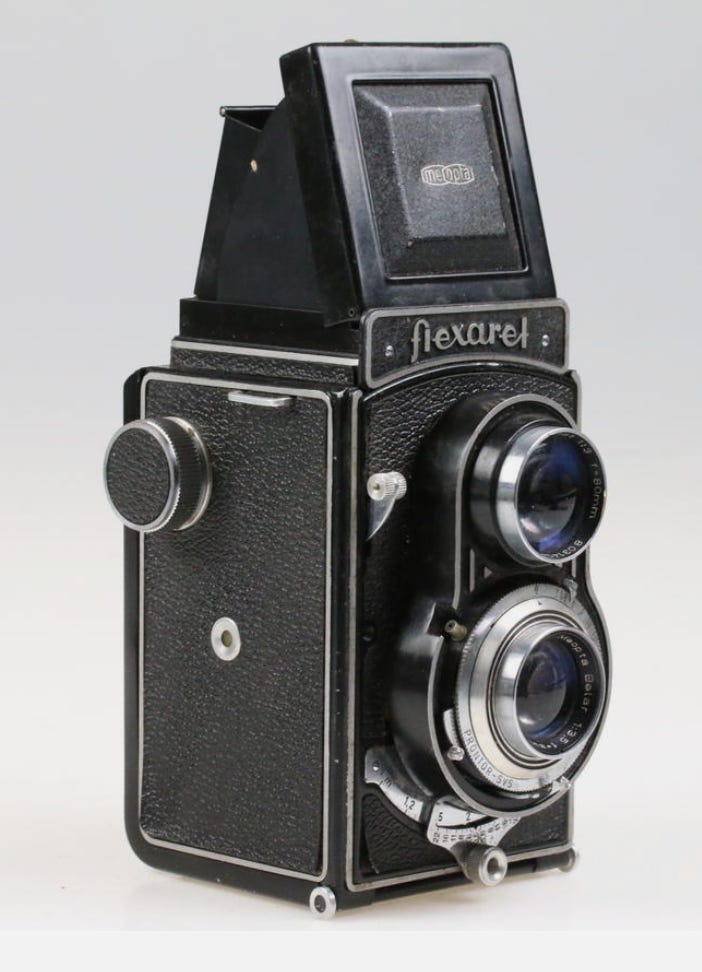
The Flexaret was a cheaper, simpler twin lens which appealed to those who could not afford a Rollei. It was pretty basic and no match for the Rollei, which was very expensive in the 50’s. Although it was way behind in optical quality, in it’s favour it is quite a bit lighter than a Rollei, my 3.5 weighs in at 1074 grams, but the Flexaret only weighs 797 grams. I assume he just went for a model he could afford,
The Flexaret was produced between 1946 and 1971, and there were 7 different versions made. Despite the limitations of this camera my dad managed to make some nice images with it. I still have his negatives and his camera, though it looks a bit worse for wear, The example above is from ebay.
He gave up photography and darkroom work when we moved from Stockton-On-tees in the north east of England, to Honley in West Yorkshire in 1971. There wasn’t room for a darkroom in the new house, so his stuff went in the attic. When we lived in Stockton, every weekend or holiday was spent looking for landscape pictures in picturesque North Yorkshire or the Lake District. When I was a child I remember his darkroom being in the tiny ‘box’ bedroom, though I didn’t show any interest in it and he never tried to get me interested. A couple of years after we moved to Yorkshire I borrowed his camera to take pictures of me and my friends messing about in the woods and his photographic end was my beginning. I still have the negatives from that first roll of film.
The last time I tried to use it I got terrible negatives, the lenses were not very good to start with, but have now developed some sort of milky layer inside the elements over the years which scatters light and makes everything look like you are peering through a steamed up window. It sits on the shelf now, purely as an object.
My interest in photography became an obsession and a then career, Within ten years I was shooting anything and everything and it was all I thought about. Thinking back I find it a bit odd that he gave up what he appeared to love and never mentioned it again, he didn’t even show any interest in me being a photographer.
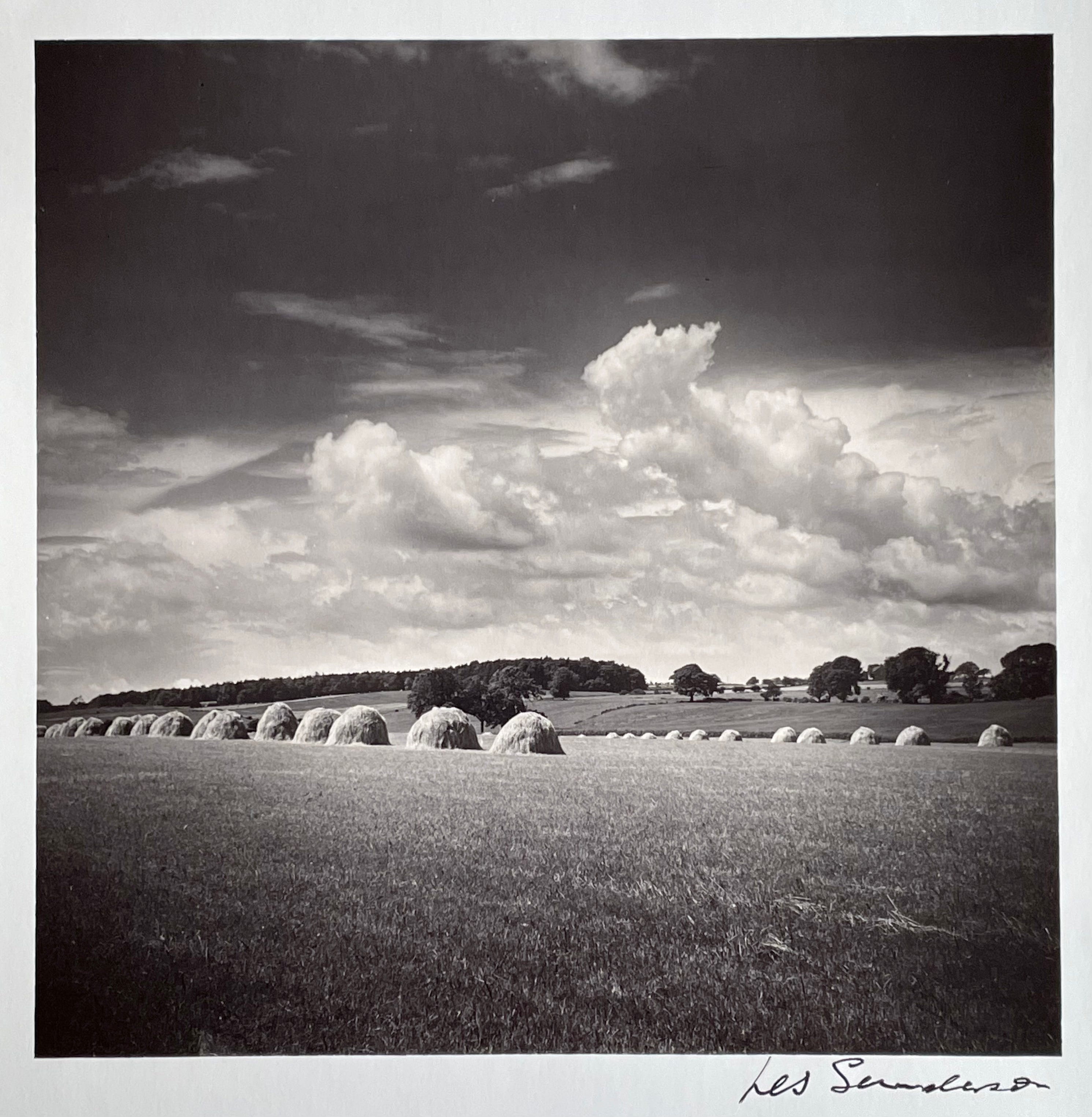
Recently I was reminded of this camera and my dad’s pictures when I found a print in my studio. On his 76th birthday I made a really nice print off one of his favourite negatives (This was twenty years ago, he has been dead for a few years now).
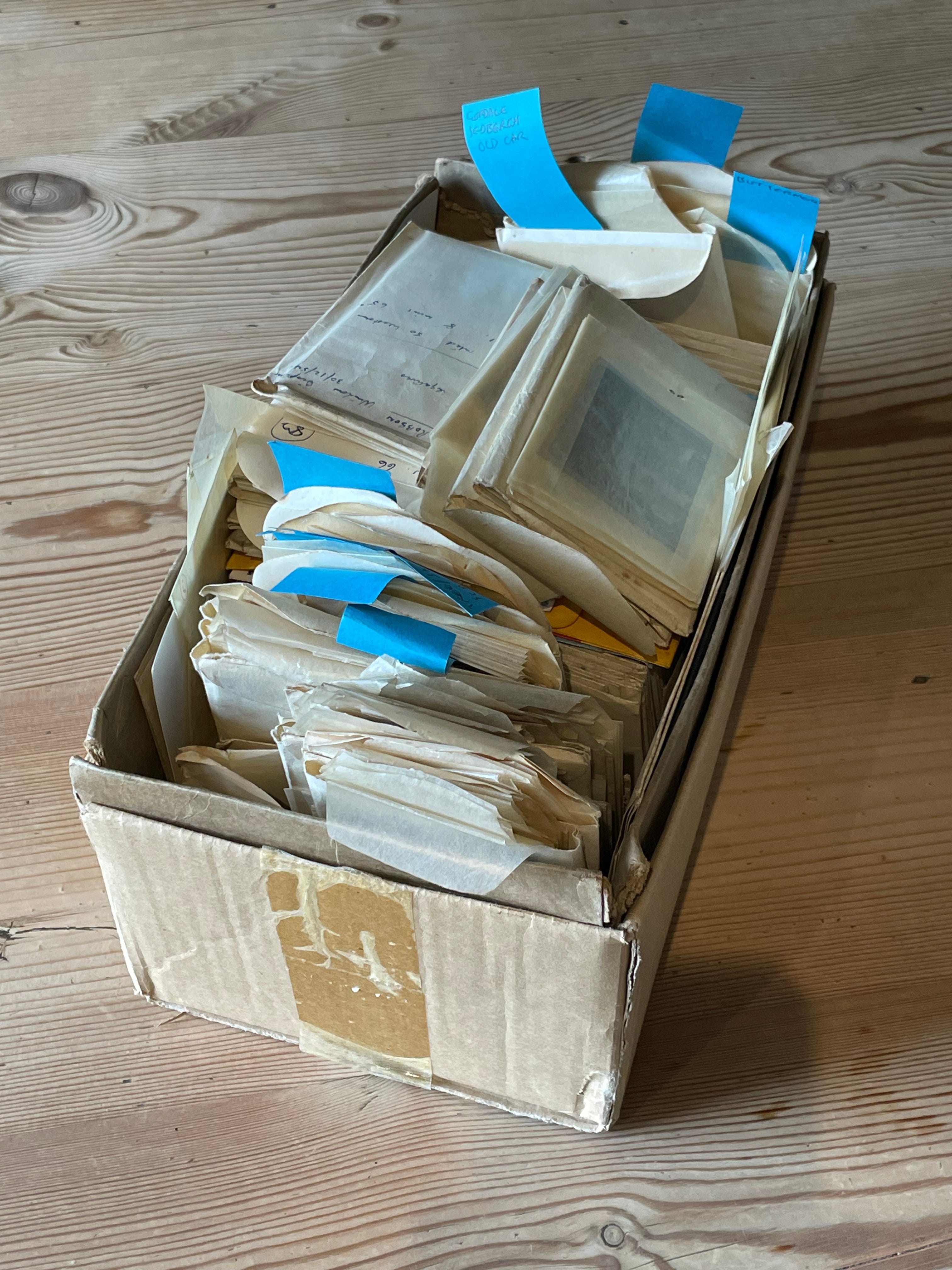
In the old days he printed on fixed grade papers and was content with a perfectly straight interpretation of the negative, consequently, his skies showed some light tone, but to my eyes lacked something. Once I had decided that I was going to do a print for his birthday, I had to go through a lot of negatives to find the one I wanted. In those days it was quite common for people to cut their films up into individual frames and put each one in a separate glassine bag. This meant that I had to pull each one out in turn and hold it up to the window, a fiddly job.
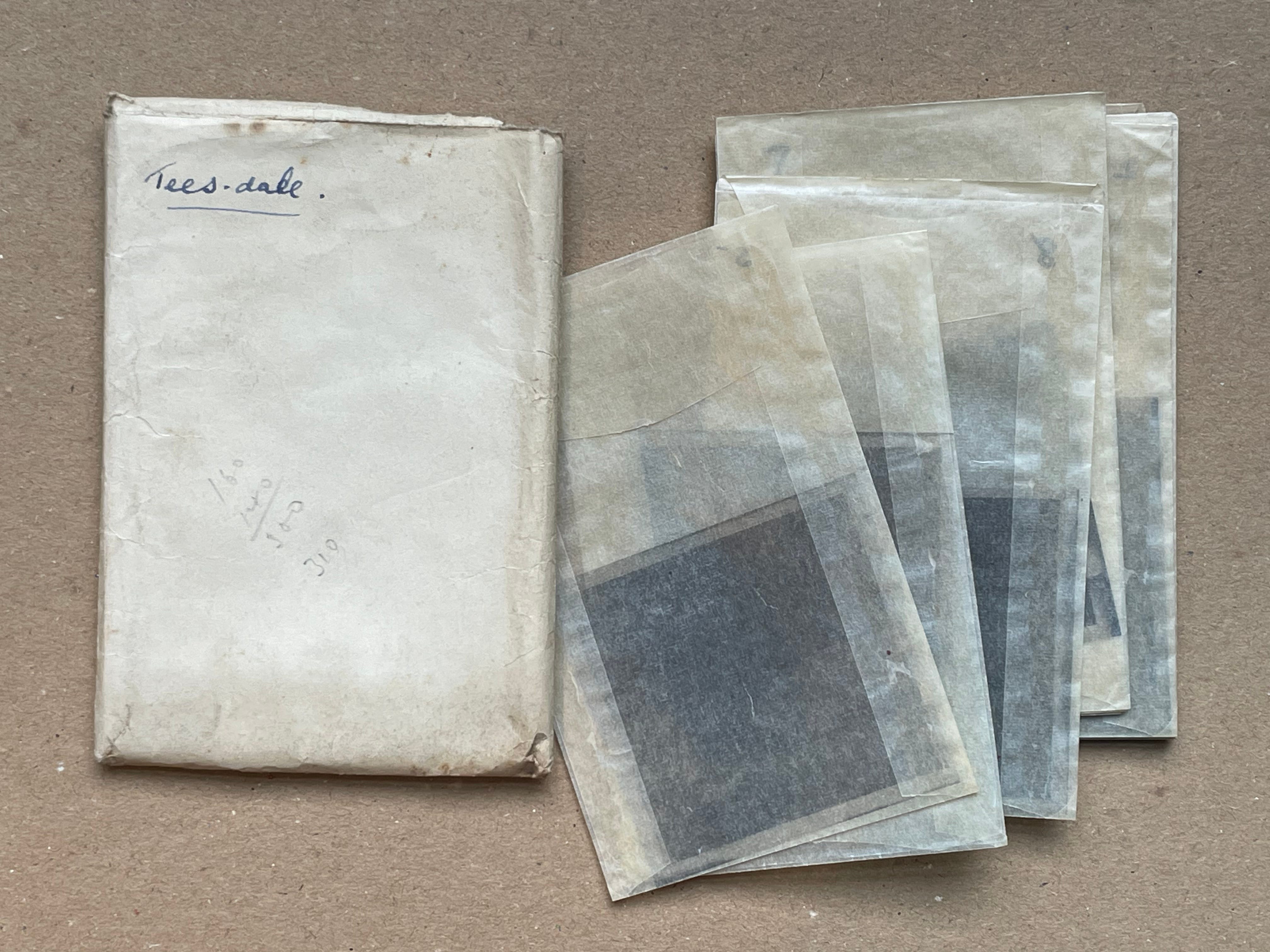
Printing the negatives was even more inconvenient, getting a single frame positioned correctly in the carrier without getting fingerprints on it was tricky. There were some cryptic notes on some of the packets, but not much to go on, just strange films processed in obsolete developers, very rarely dated and what information there was, was in handwriting that I couldn’t always decipher.
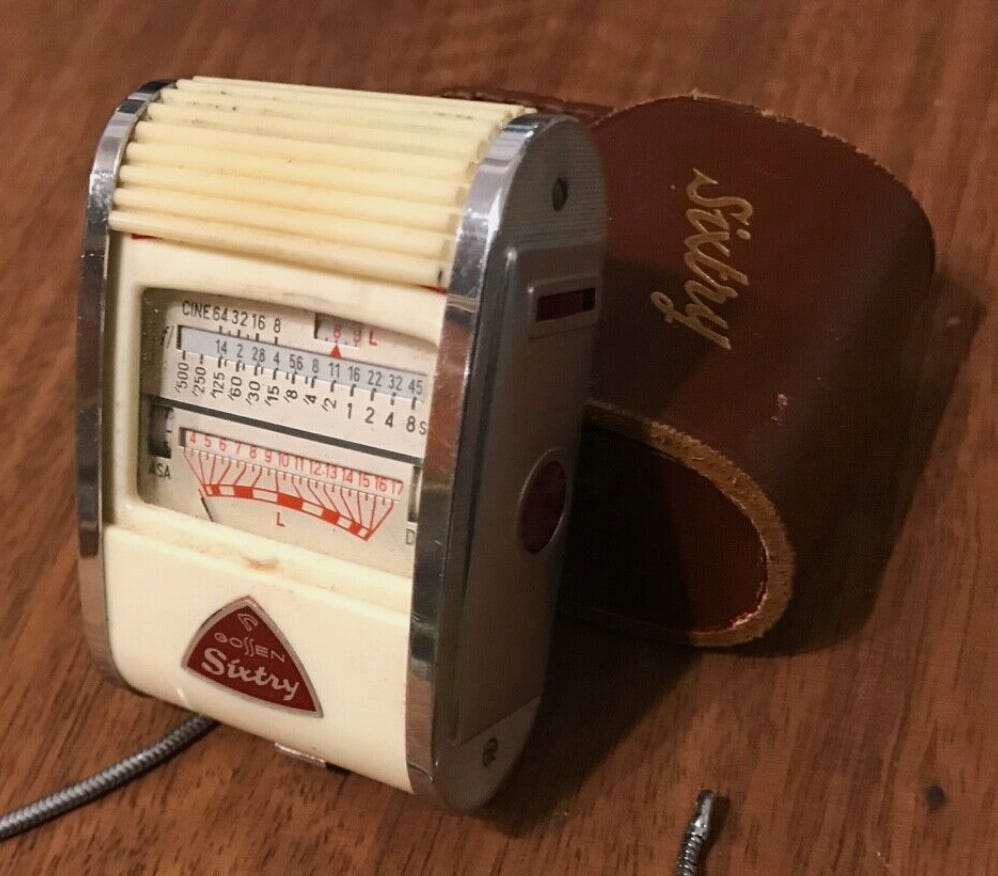
I eventually found the negative of a field of ‘stooks’ of corn and I wanted to see what I could get out of it with modern papers and split grade printing. My intent was to make an expressive print without it looking false or over dramatic, because I knew that would not be his style. The print wasn’t difficult to do, his negatives were not over exposed or over developed. Thinking about his basic twin lens and the Gossen Sixon light meter he used, he got nicely exposed negatives just about all of the time. I never asked him about metering, but he must have had a good understanding of it at the time.
I began film photography in my early teens, and as a headstrong youngster I thought I was doing everything right. It never occurred to me to ask my dad how to process films properly. Without advice, it took me many years to realise that giving a ‘little bit extra, just to make sure’ was not good processing practice. Many of my early films turned out rather high in contrast, but his were nicely done, he must have had good advice along the way.
When the 10x8 print was done, I gave it a slight sepia tone which I always think improves the highlight tones. I took it round to his house and got him to sign it. Shortly after that he was unable to use a pen, so this is the only signed print of his I have. The print never got framed and it came back to me when he died.
Somewhere in my studio there is a package with about a dozen 16x12 inch prints mounted on board, with exhibition notes on the back. These are mainly cliched, corny studio portraits of young women with beehive haircuts and wizened old men pretending to be Scrooge, or some other character from Dickens. There are also four or five landscapes and one still life. I wish I had printed up more of his images when he was fit, well and able to have a conversation about them.
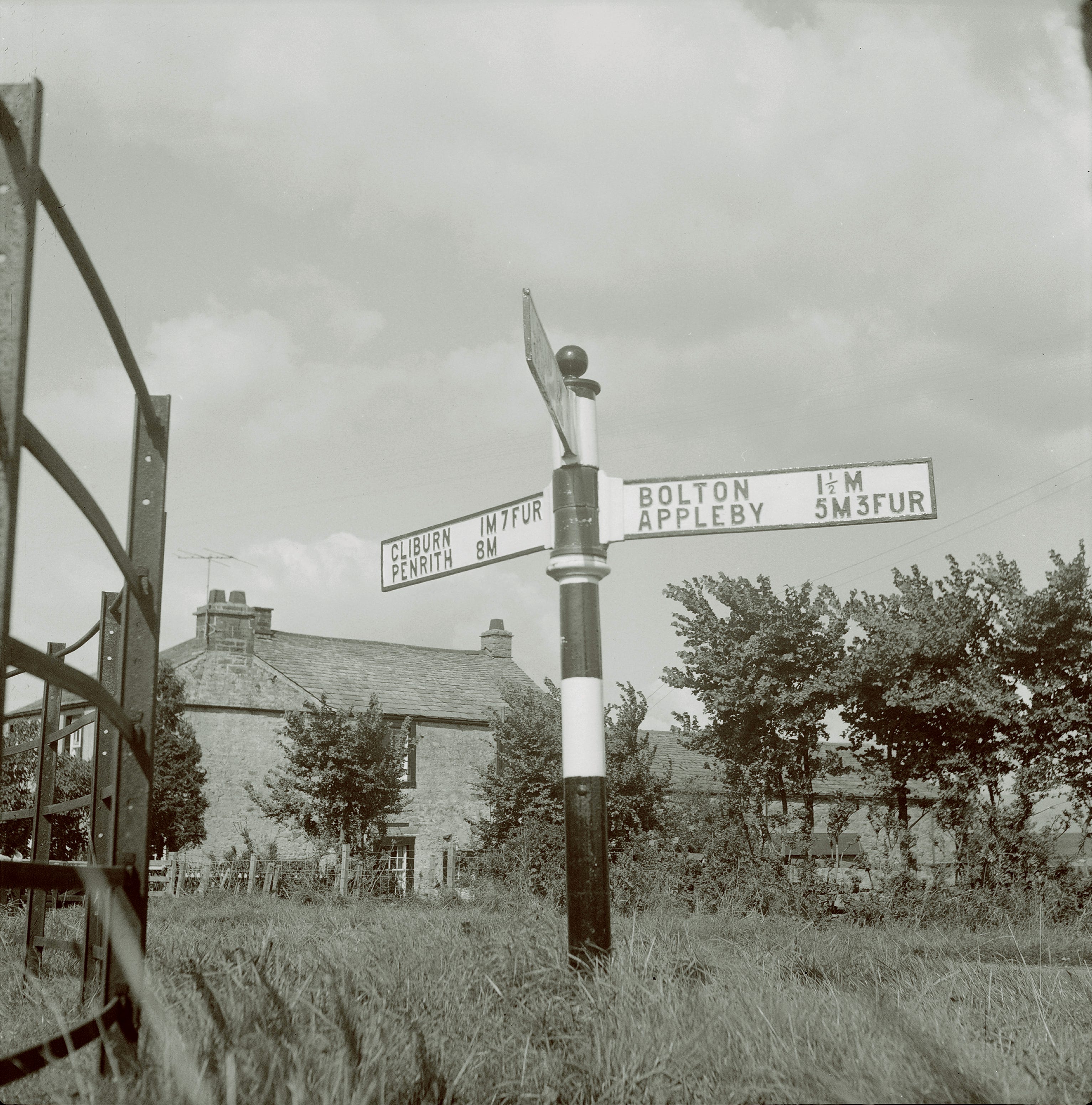
Here are a few of his images, scanned from his negatives;
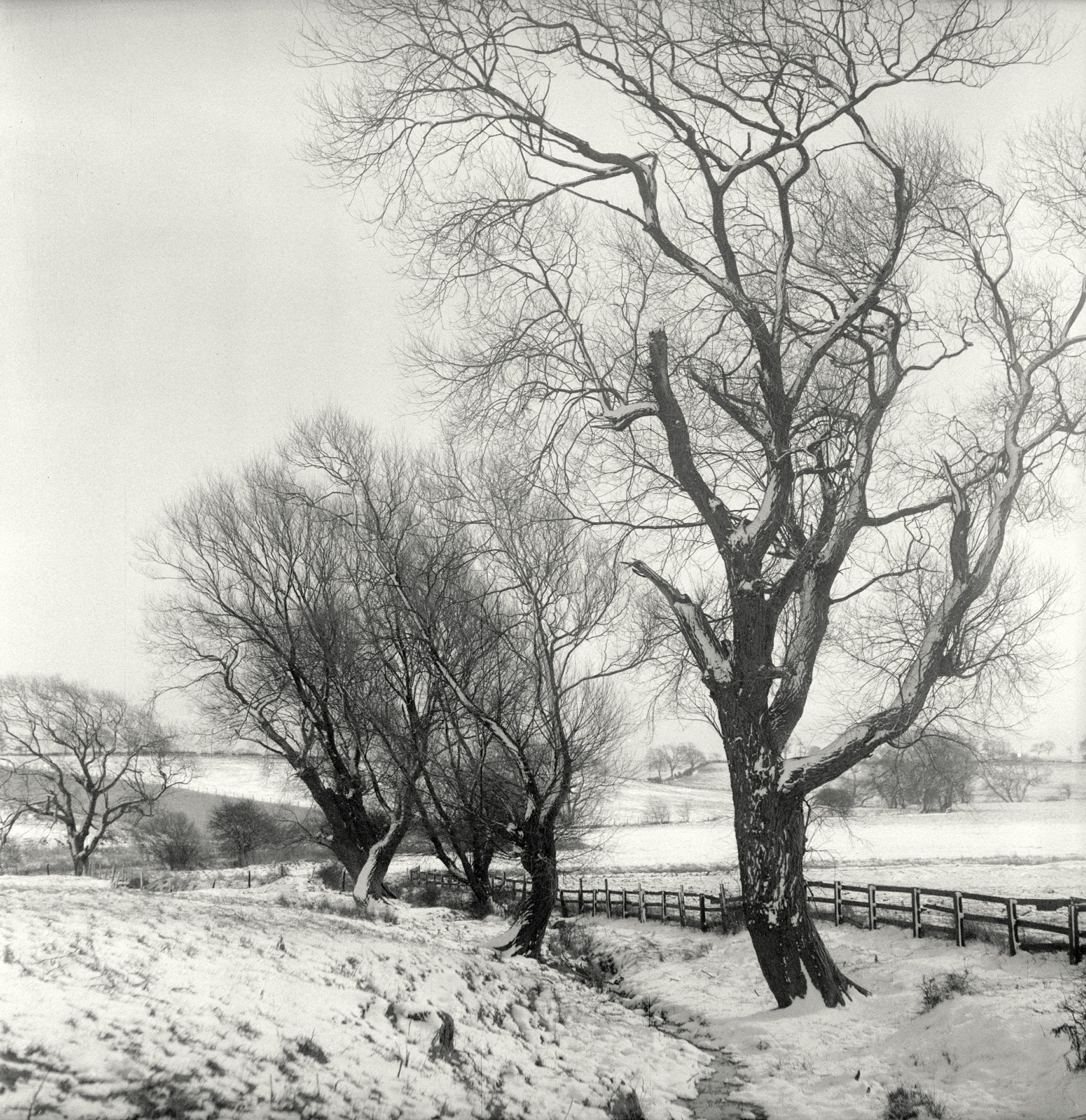
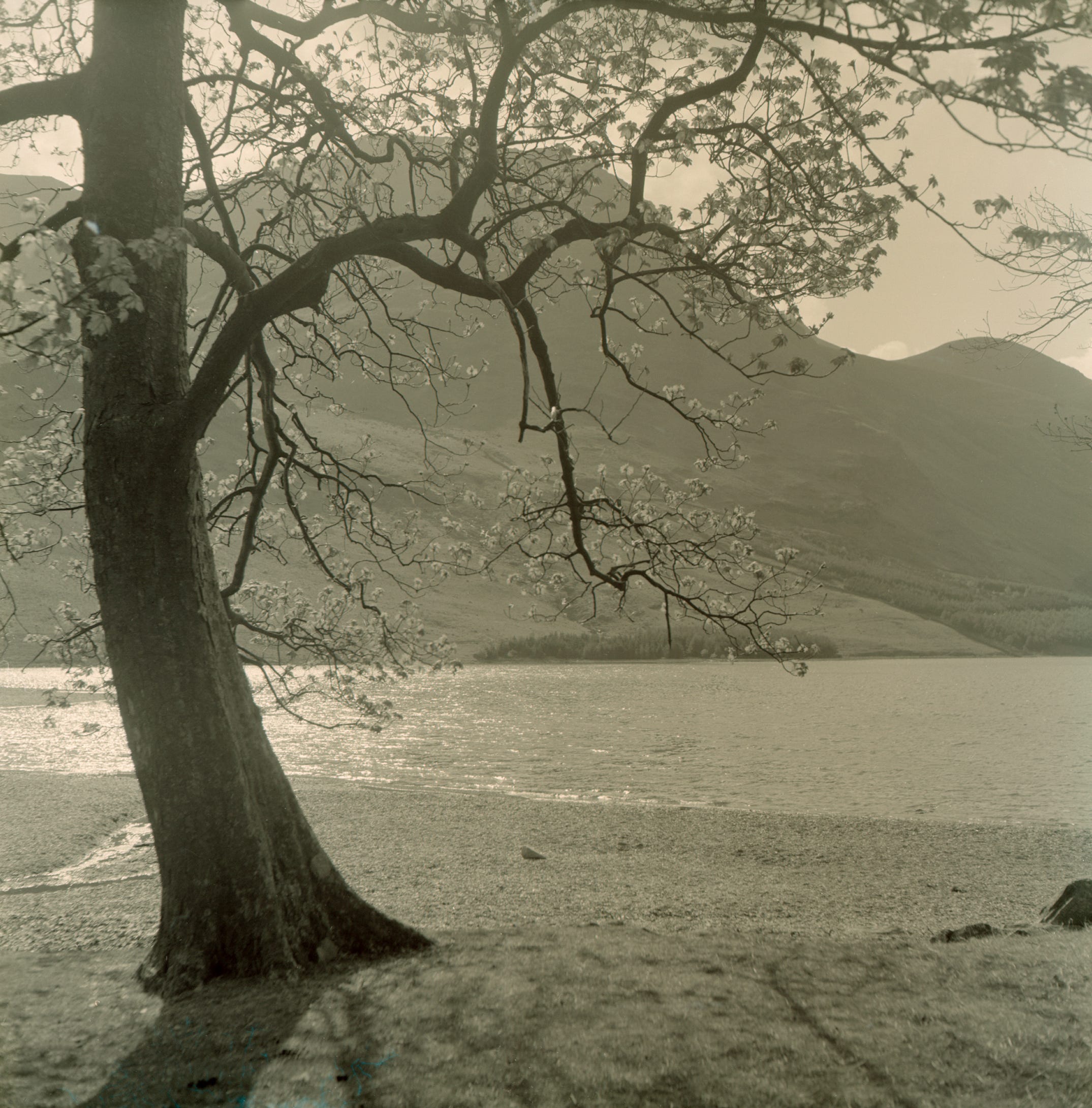
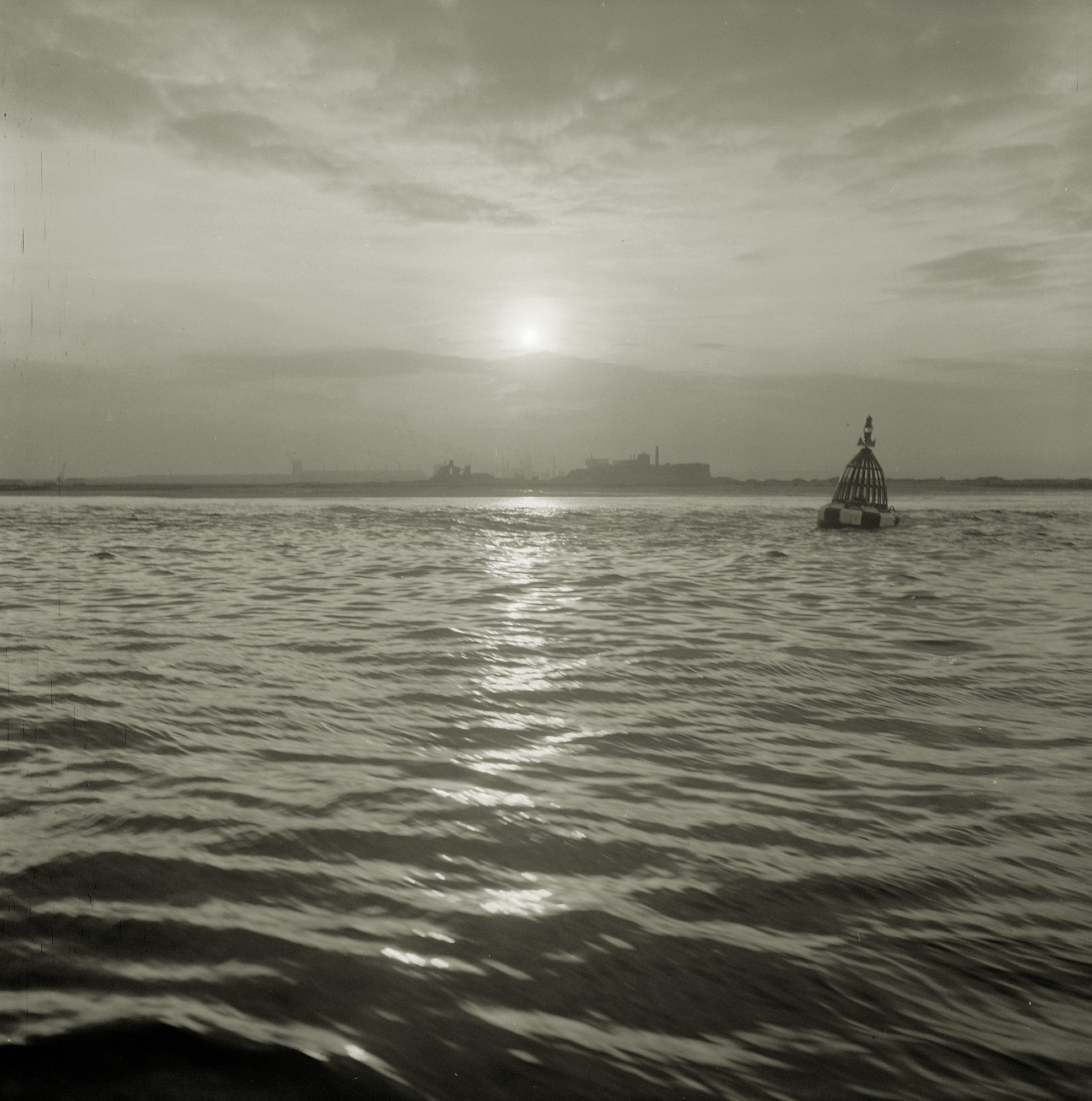
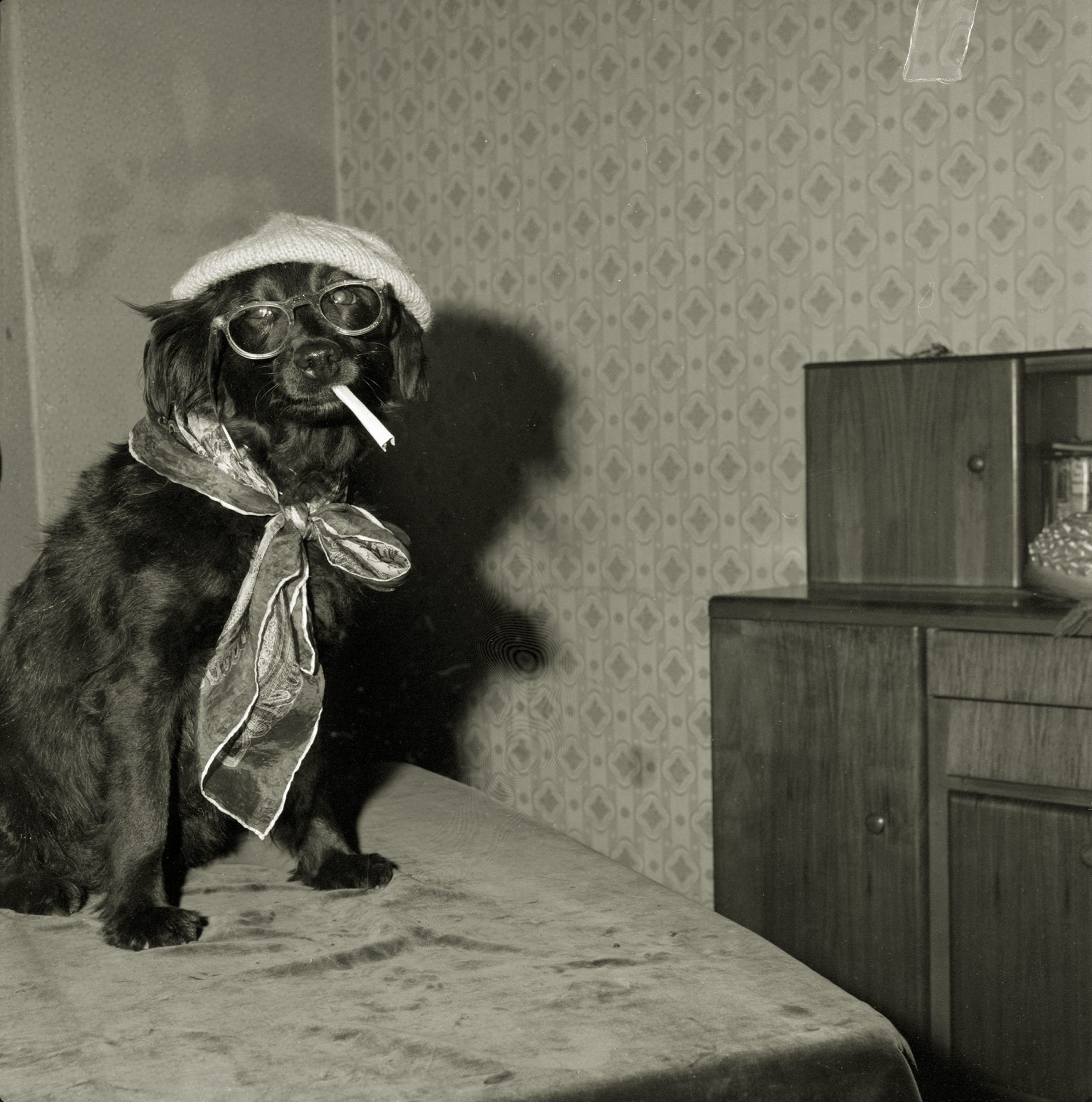
And this one, which I have always loved. I must find the negative and make a print for my studio.
Thank you for reading, please let me know your thoughts. If you find my articles interesting or useful, please spread the word to anyone you can think of who would be interested.
If you have enjoyed this post and the information here and elsewhere on my Substack and you would like to support me, you can subscribe or just buy me a coffee at Ko-fi.com/andrewsandersonphotography You can send as little as £5.00, or more if you are feeling generous. This money goes towards materials used for the tests and printing for these articles. Alternatively you can be a paid subscriber.
Andrew Sanderson November 2025.
Other places to see my work;
Instagram; http://instagram.com/andrewsandersonphotography
Facebook; https://www.facebook.com/andrew.sanderson.96155/
Original hand made darkroom prints are available from my online shop; www.andrewsandersonphotography.bigcartel.com
I too started with my Dad’s camera, right about the time he lost interest. I was maybe 15 at the time and still have his camera now at age 54. It’s on a shelf, as well. In my case, it was an early 1980s Canon AE-1. I don’t think he ever took photography seriously. The camera was just a gadget to mess around with — but it certainly changed my life.
Beautiful story, and you can tell your father had an eye for photography.