Magic and mood
Do you

Magic and mood.
Do you like it when your pictures have some kind of magic about them? What do you put that down to?, was it the place, the light? Have you thought about how that image would have looked if a different camera was used, or a different film? Are these considerations important to the success of an image?
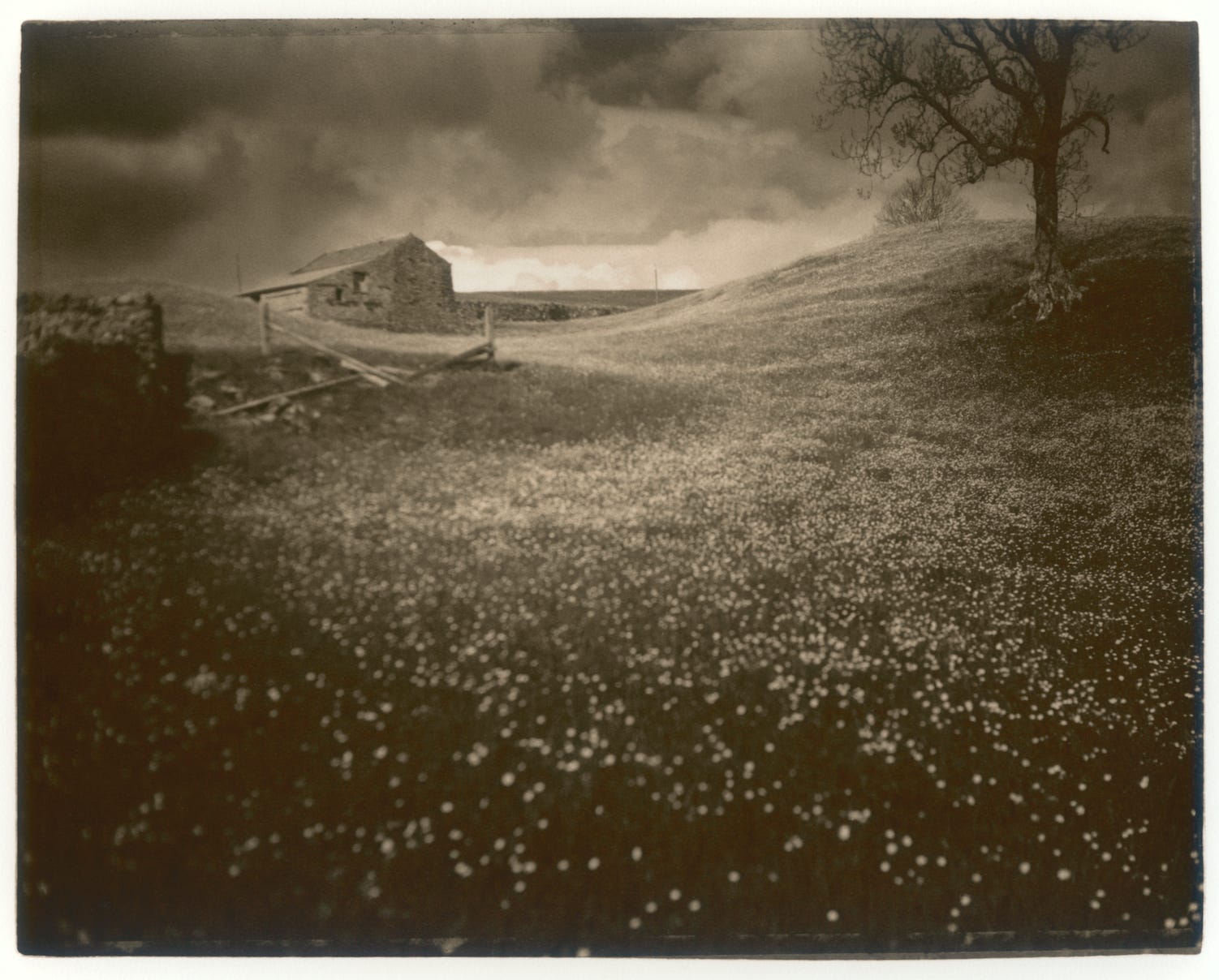
Keld, North Yorkshire.
There is a saying that often comes up on photography related social media pages; ‘The best camera, is the one you have with you’. I have read this a number of times but I have never agreed with it. The camera you have with you is often a compromise, which is not at all the same thing. Just getting something on film or grabbed on the phone might be fine if you are capturing an important news event, but it is a long way from ideal if you wish to work creatively. It’s often a case of; Well that is going to have to do for now.
Different film/camera/lens combinations suit different situations and scenes. There are nine formats between half-frame and 10x8, and certain ways of working are preferable many of those formats. It is possible to do sports photography on a 10x8 camera, but it’s not the right tool for the job. A 35mm compact is great for very quick street photography, but it is a poor choice for still life.
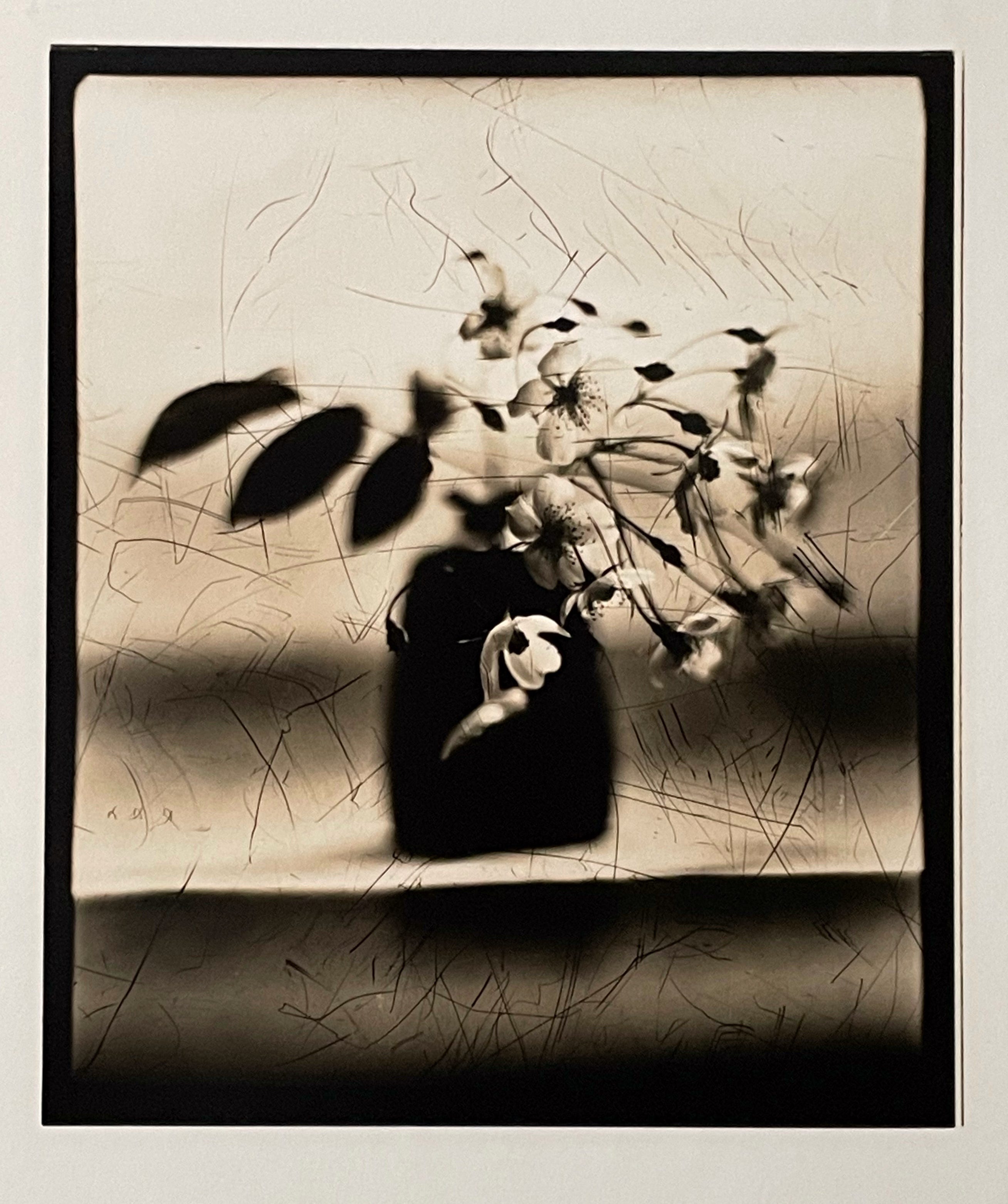
Creative possibilities don’t end with film size.
Choice of equipment is only part of the story, in any given photographic situation there are a multitude of options. There are hundreds of photographic emulsions to record on, unlimited lighting possibilities, blur, focus shift, movement, black and white, colour, hand colouring, lith printing, gum printing, cyanotype, bromoil, platinum, salt printing, not to mention lens choice or angle of view. Added to that of course, is the importance of the actual moment you press the shutter.
There are other factors of course, location and available light. Location doesn’t have to mean that you are somewhere exotic or difficult to get to, not all great images are taken in front of the Taj Mahal, or in Yosemite park. With the right combination of interesting elements, good light and the appropriate equipment, an otherwise fairly mundane scene can have great potential. The photographer can then decide what photographic equipment to use to bring out the best in the scene. Sometimes that might be Portra 160 in 5x4, or at the other extreme it could be 35mm Ilford HP5, uprated for contrast and grain.
In landscape photography for instaance, I believe there are two ways to work; You can either find a great location and decide to go back with the equipment that you feel would best serve the shot, or you can go off somewhere with a particular camera/film/lens combination that will give you a certain look, and select only the scenes that would suit that combination.
Both approaches require the photographer to be visually aware and to have imagination. Both methods will produce better work if the photographer can visualise the image first.
Good equipment?
These days there is more importance attached to the ’status’ of a piece of equipment than what can be done with it. The people who buy cameras as jewellery spring to mind, as do the hordes of people on youtube and photography blogs who are obsessed with minute differences between lenses, or the latest version of something that worked perfectly well already.
With all of the aforementioned choices and possibilities regarding film size and type etc, is it not feasible that you might find some way to make the most ordinary of subjects look special? Which leads me to the question; What is it that makes an image work?
Obviously there are different reasons for taking photographs and therefore different criteria for their success or failure, but let us leave sports, record shots, surveillance images and a whole host of other areas alone and think in terms of creative photography. What gives an image that wow factor?
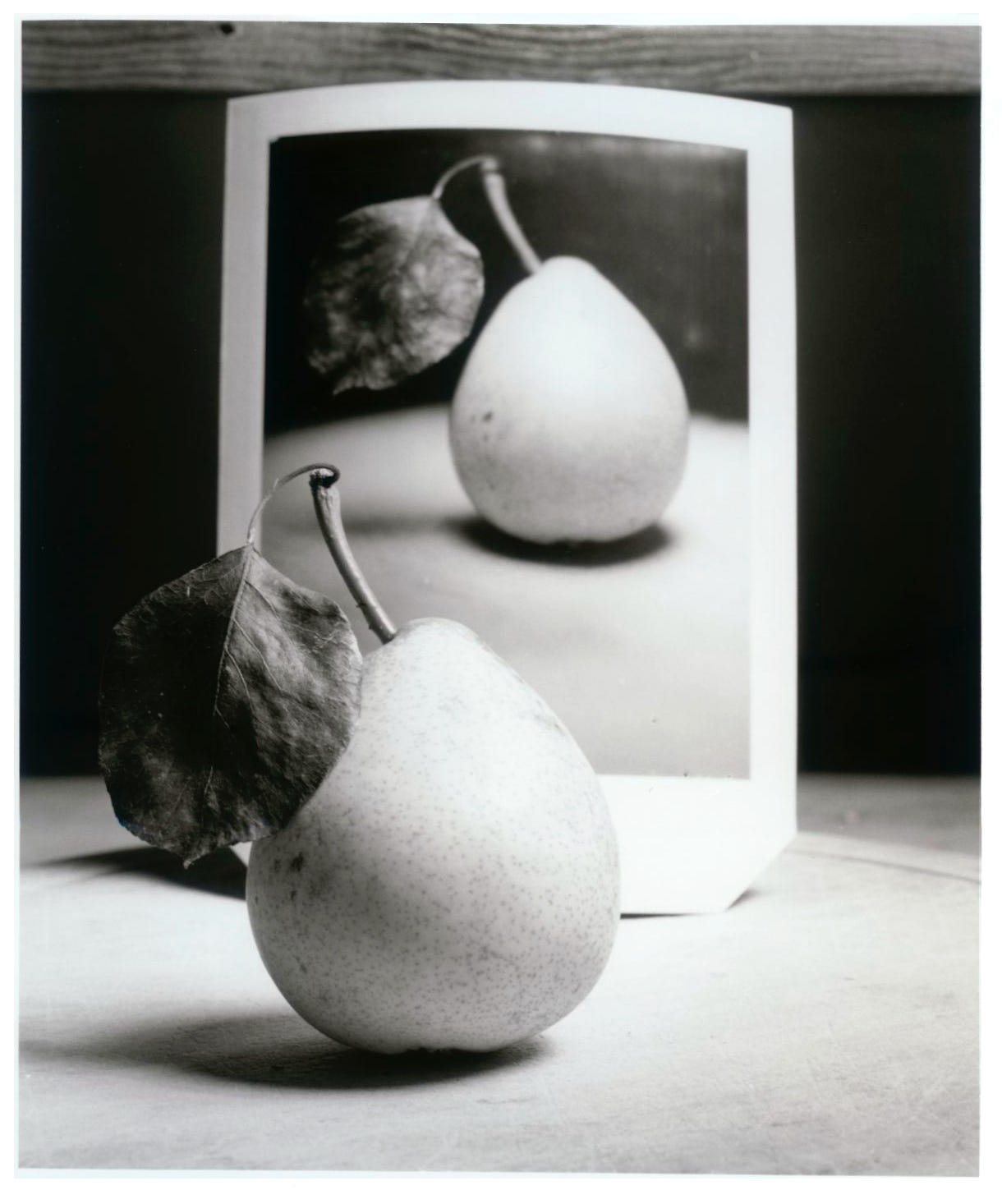
A nice pear.
I have mentioned the importance of composition in previous articles and I’m going to bring it up again. If you can recognise what elements of a scene are not helpful to your image, you can exclude them from the frame or subdue them.
Just as importantly, the areas that you wish the viewer to pay attention to must be made more obvious. Applying these two principles alone will make a huge difference to how your work is viewed. The second element is light. This can be of vital importance for some shots, but it doesn’t mean that every shot has to have dramatic lighting. The important thing to remember is that the light is your friend, and if you can make it look like it is shining on your subject matter, but not on the uninteresting parts, then you will have a degree of magic in the shot.
The final element that I find makes all of the difference for my own work, is emotion. You have to feel something when you create art, otherwise the viewer will have a sterile experience. The more you are connected to your work, the more it works. People who can’t access their emotions produce pictures with no connection to the viewer.
Emotion in-emotion out. If you feel strongly about the image as you are making it, somehow that comes across to the viewer. I have found this to be the case over and over again.
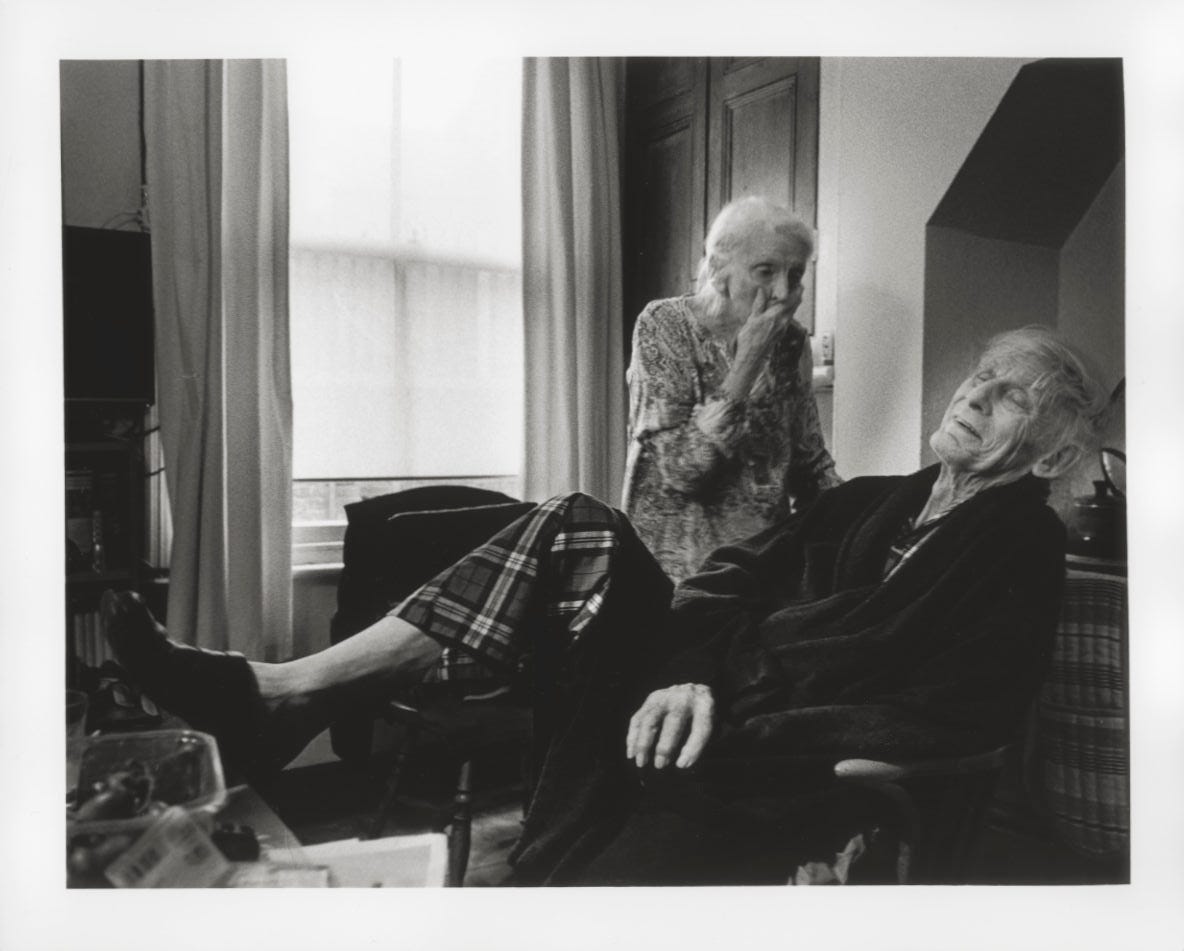
Bill and Molly.
When you get all of these elements right you get magic in your images, a combination of the right light, the right viewpoint (composition), the right equipment (the camera that will suit the shot, not just the highest quality), the correct exposure and preferably a decent print of it.
For film and darkroom work the important things are mainly film choice and processing. The method of printing, the style of print, the correct choice of paper and the appropriate print size all matter too. They are all small considerations, but each is important in its own way. Get each element right and the finished picture is far better for it. The same thing applies to digital, don’t be content with the file that comes out of the camera, work on it, think about whether it needs cropping etc and print it on a high quality paper.
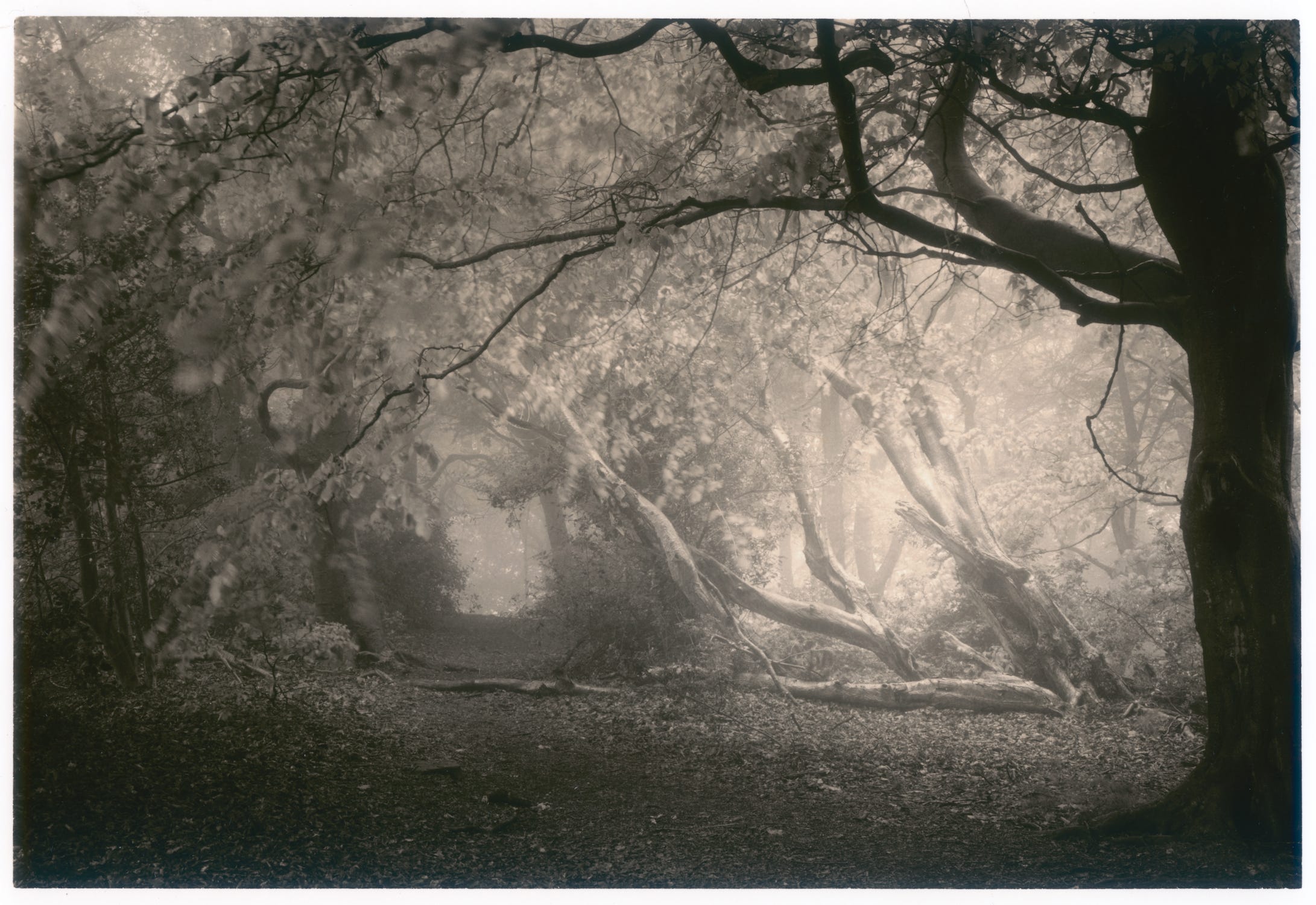
Woods above Hall Ing Lane.
There is a lot to get right and many elements to consider, and equipment is obviously an important consideration. I carry a camera with me every day, whether I am going shopping, getting fuel or visiting friends. Which camera I decide to carry is informed by where I am likely to be and what I might encounter. Sometimes a small compact like an Olympus XA2 is enough, sometimes I take a Nikon F3, other times I will have a twin lens reflex.
let the accident participate.
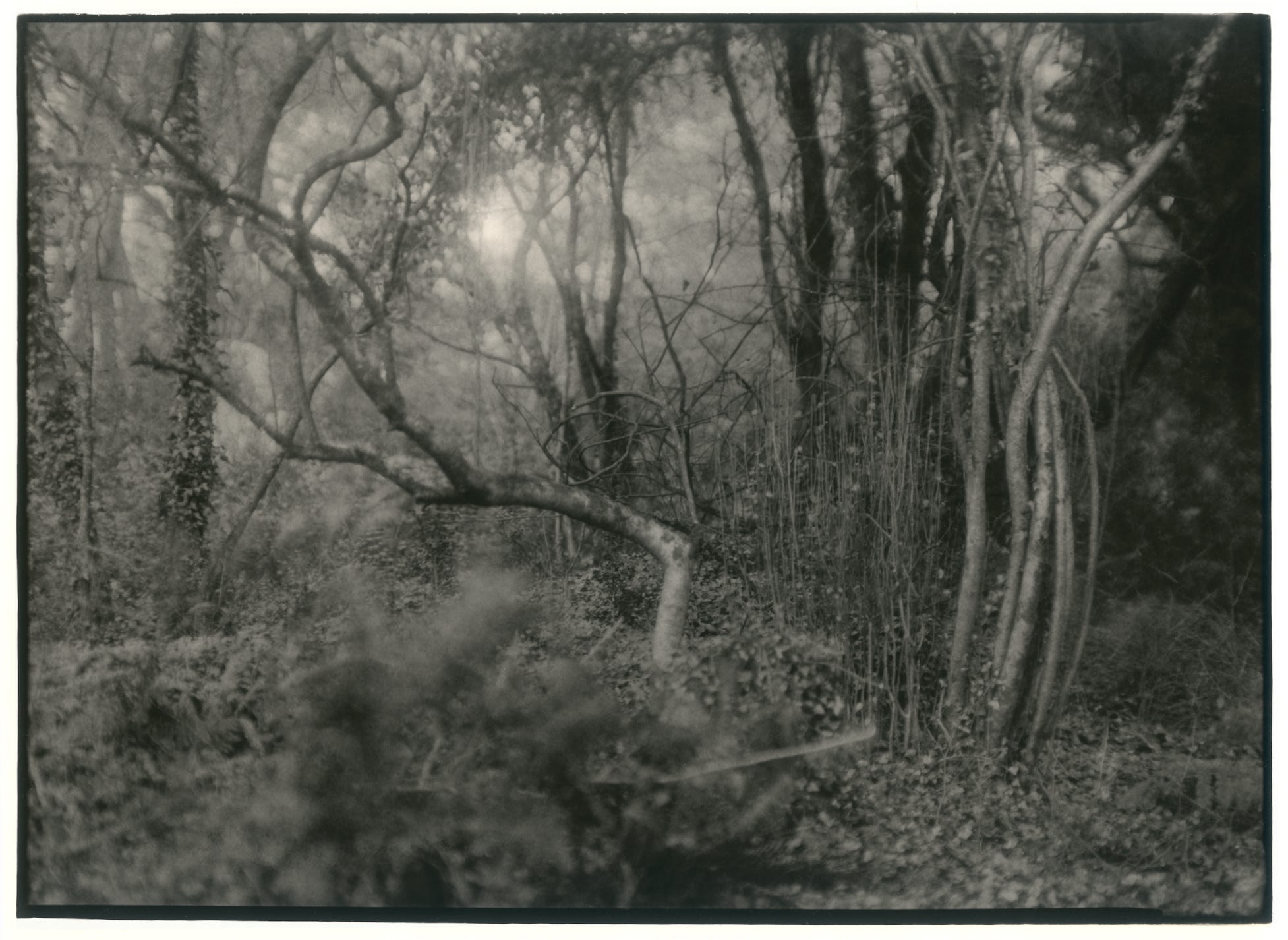
Trewince trees. paper negative and old process lens.
Do you have to have every aspect of the situation nailed down? Do you have to be obsessionally accurate with every single stage? Do you have to be a control freak about every aspect ? Will these things make your picture better? Well, surprisingly, no, not from a mood and style perspective.
Technically, yes, your work will be of a higher standard because you are paying attention to every detail , but the magic tends to comes into pictures more often if you let the accident participate. This sounds counter intuitive, it sounds illogical, but this is how I found it to be for many, many years.
I know what I want in an image, I know how to get it, and I control the exposure, the focus, the film format and the processing, but I always like to have a a certain looseness to the way that I work, because that's where unpredictable elements come in, and that's where the magic happens.
Take a look at the next two pictures;
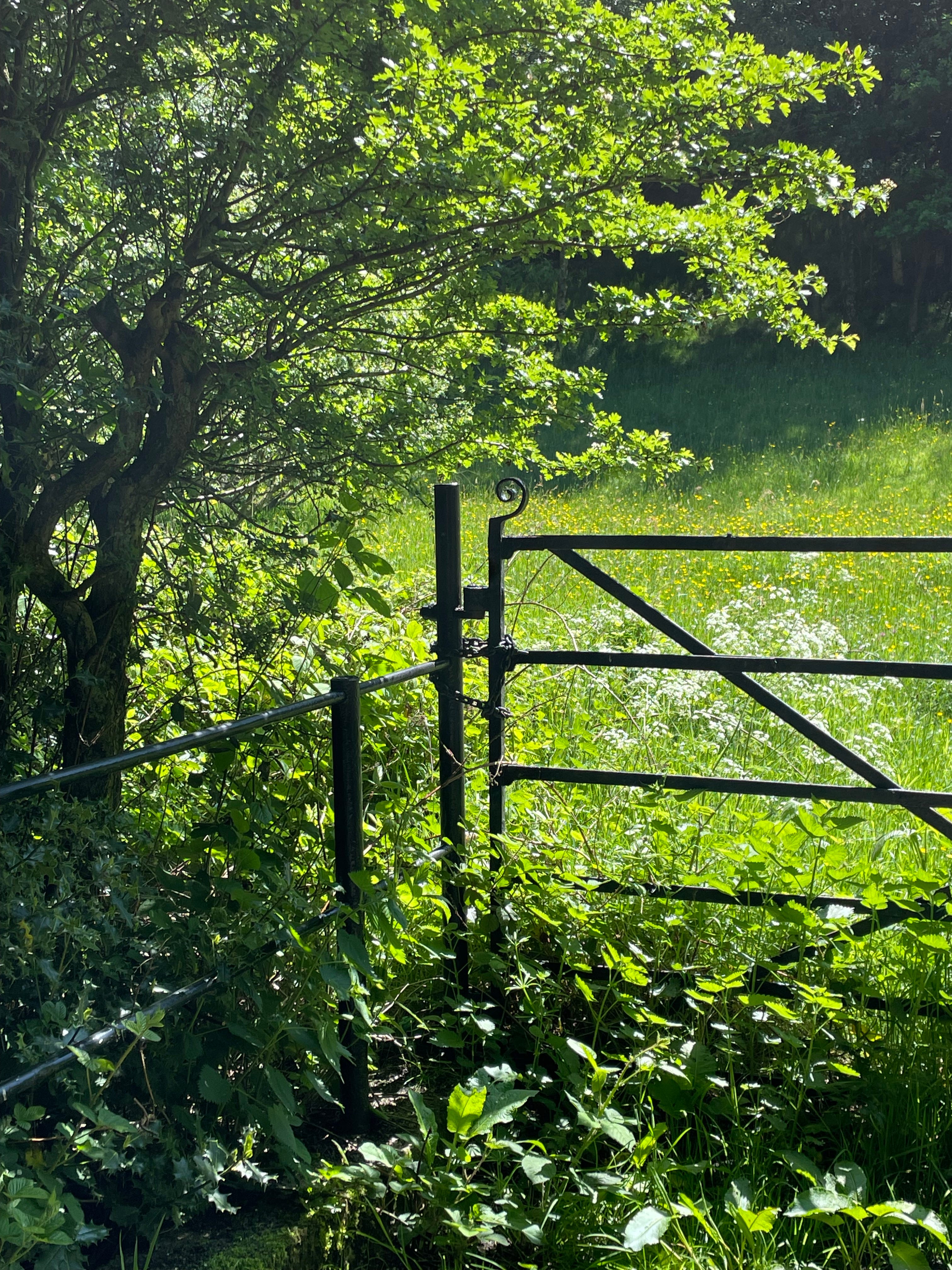
The colour picture is a simple phone shot, this image has no magic to it whatsoever.
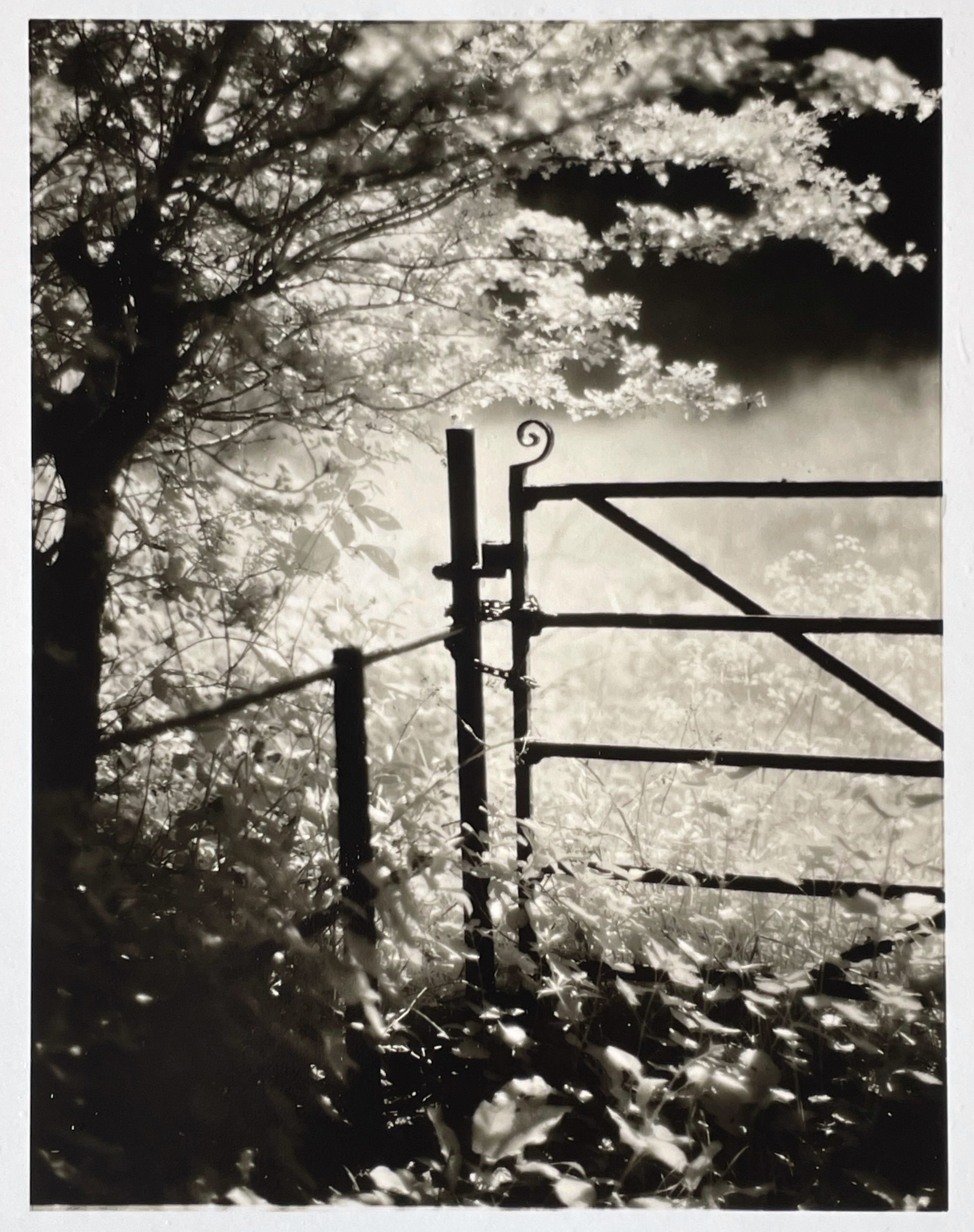
Gate at Bottoms Mill, Holmfirth.
The black and white was taken with an Aero Ektar lens on X-Ray film film in springtime. The early morning light and the glow of the unusual optics combine to create something magical. The optics are known to give a glow to things, but this works better with backlit or side lit subjects. The bright greens of springtime and the early morning sun combine to provide the ideal scene for this lens. The phone shot is sharp and yet uninspiring, yet the unsharp film shot has magic. Why is it that a drop in technical quality can give an increase in aesthetic quality? Clearly, ultimate sharpness and a long tonal scale are not essential every time.
I believe it is to do with how much you engage your imagination. When you present every colour and every detail you make the subject the most important thing. When you have some of the information missing, your imagination fills in the gaps and this is where your emotions are stirred and a sense of magic comes in.
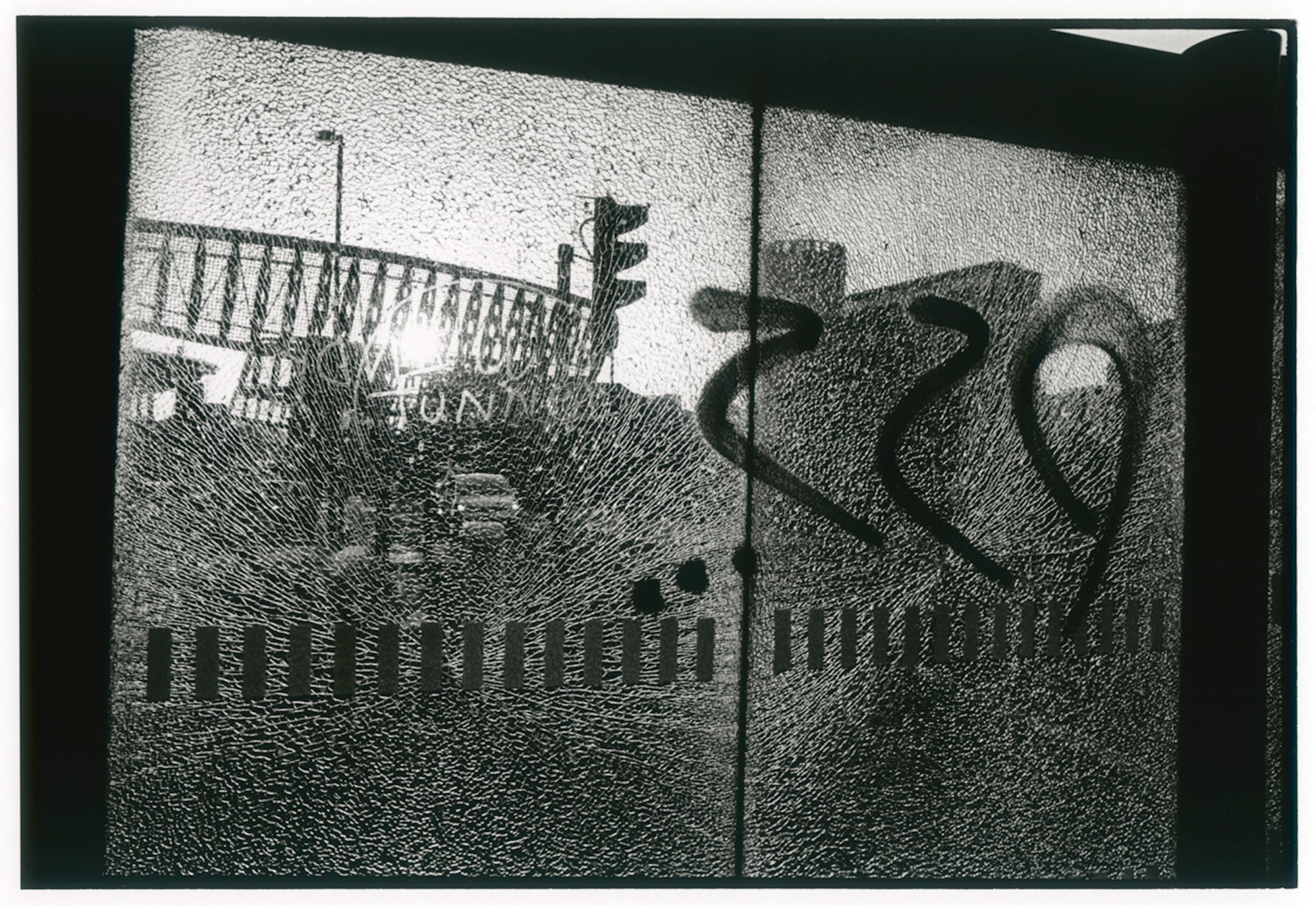
Broken bus shelter, leeds.
I am getting better at choosing the images that are my strongest work, but not on every occasion. Sometimes you don’t always recognise which shots have the magic. I remember going through a box of prints with my friend Matt Lethbridge once, I was looking for a particular image, but as I pulled out one particular print, Matt was really enthusiastic and told me that I needed to put it on my social media. I did as he suggested and sold quite a few copies! That image was the one at the beginning of this article.
The way you see the world and your situation is unique, so make the most of it. Combine this with a good enough knowledge of your medium to be able to get it to do what you want it to do, make the correct choices in all aspects of your work, don’t use substandard materials and think about what is important in the frame. Oh, and have fun. The magic will surely follow.
If you find my articles interesting or useful, please spread the word to anyone you can think of who would be interested.
If you have enjoyed this post and the information here and elsewhere on my Substack and you would like to support me, you can subscribe or just buy me a coffee at Ko-fi.com/andrewsandersonphotography You can send as little as £3.00, or more if you are feeling generous. This money goes towards materials used for the tests and printing for these articles. Alternatively you can be a paid subscriber.
Thank you for reading, please let me know your thoughts.
Andrew Sanderson May 2025.
Love all of these photos and the different processes!
Wonderful pictures and words. While I still personally believe getting the shot is preferable to getting no shot at all, I do totally take your point that the right equipment and approach can really escalate a shot to a different level.