Flowers and gardens.
It’s that time of year.

When the summer bursts into life and there are flowers in the garden it’s hard to resist the urge to photograph them. Often though, the results can be difficult to put across in a picture. Our eyes are selective and only really pay attention to the things that interest us. The camera however takes everything in equally and the resulting picture can look too busy and complicated.
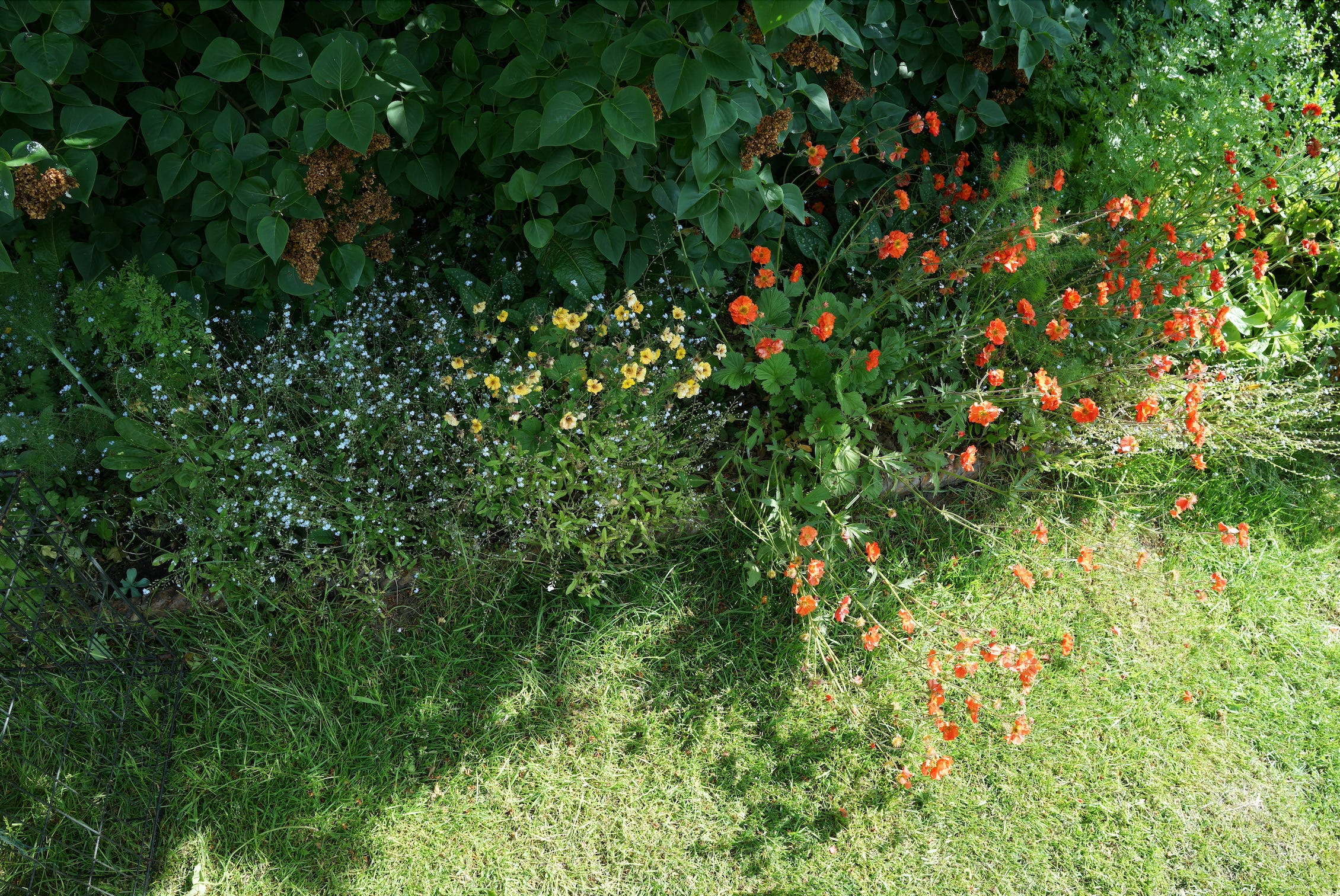
Taking pictures in the garden is not easy. The garden can be full of wonderful colours, but pointing a camera at it often produces a confusing mix of colour and a disappointing photograph. Getting in closer simplifies things:
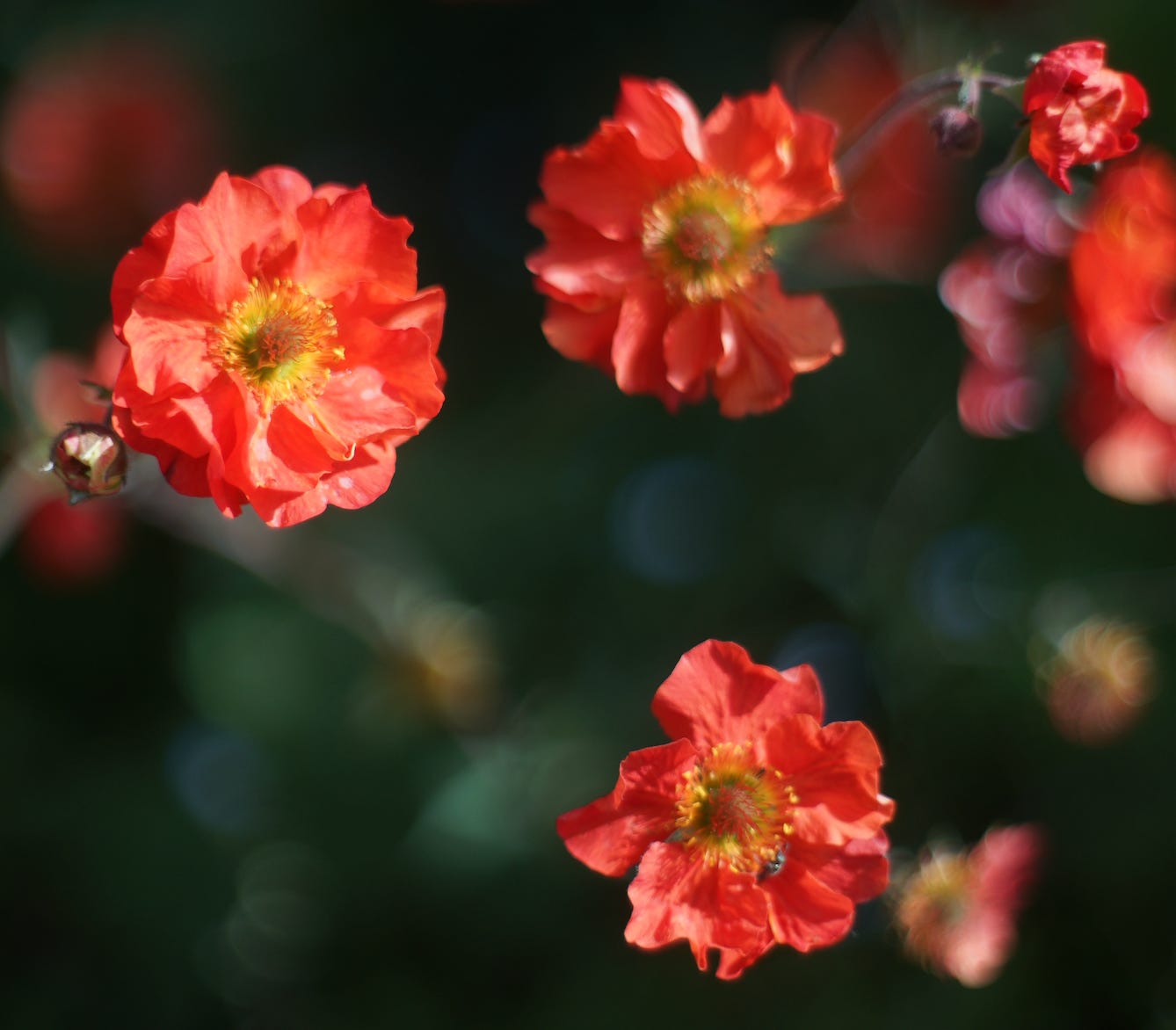
The tricky bit is finding the small details that tell the story of the whole. One flower on its own might be enough, or a few together. Three is a good number, but more can work occasionally.
The first thing to do when you are inspired by plants and flowers, is to pause for a moment and ask yourself to look more closely and to identify what it really is that has motivated you to get the camera. Then to look at the scene and decide if anything there is distracting or unnecessary for your final picture. Can you minimise the distracting parts by putting them out of focus? can you get in closer and eliminate them altogether?
Putting flowers in a vase on the table is easy and they immediately become much simpler to photograph. Pay attention to the background though, and decide if you are happy with other parts of the room being in the picture. In the following shot there is too much behind and I find it distracting.
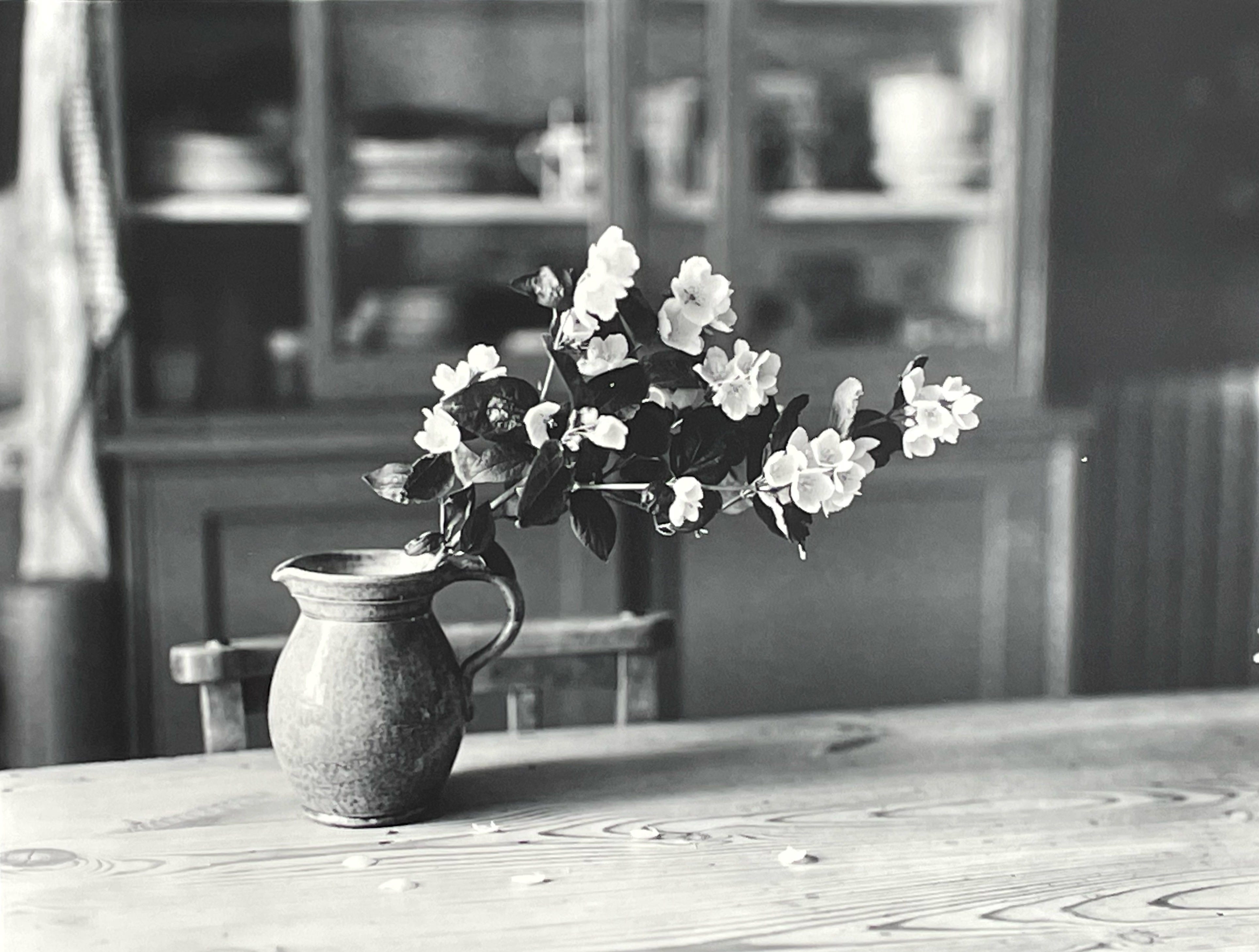
You can lose a lot of information by employing a shallow focus, or you can increase the lighting on the flowers and decrease it in the background. The next picture was shot in exactly the same place.
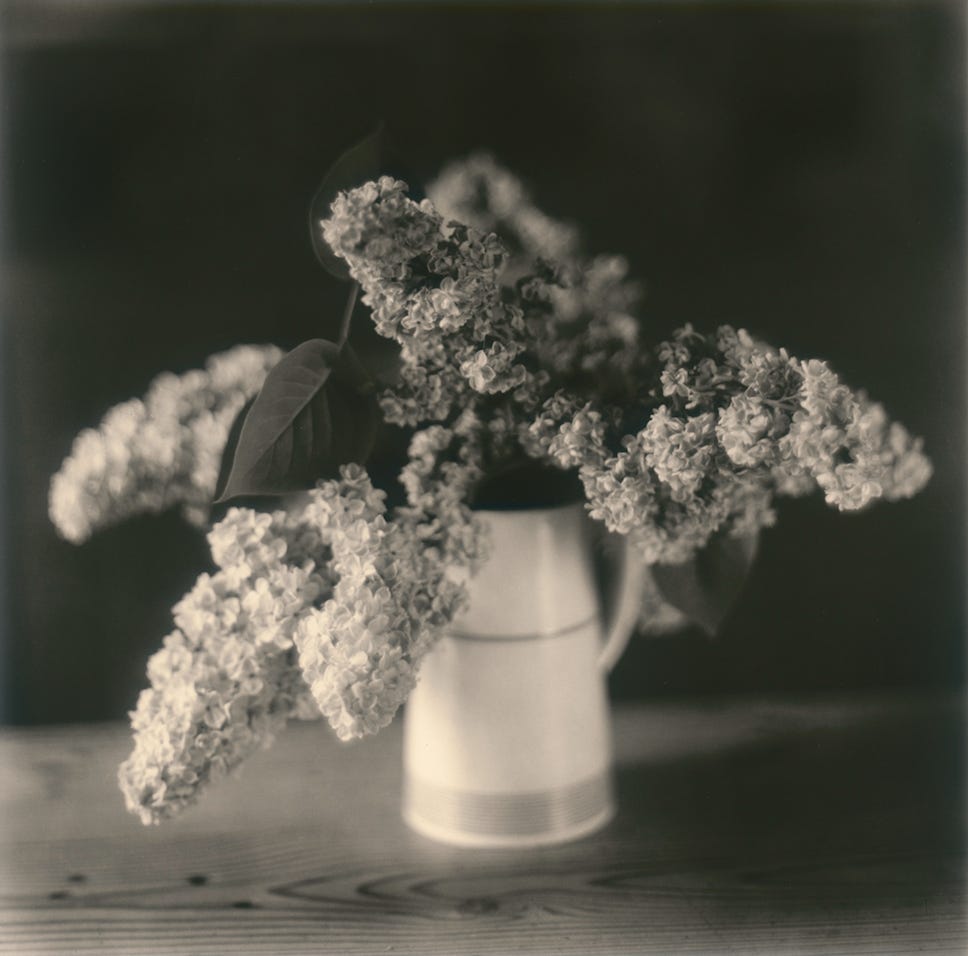
Alternatively you can use two pieces of board, one below and one behind. I have two such boards, painted grey for this purpose.
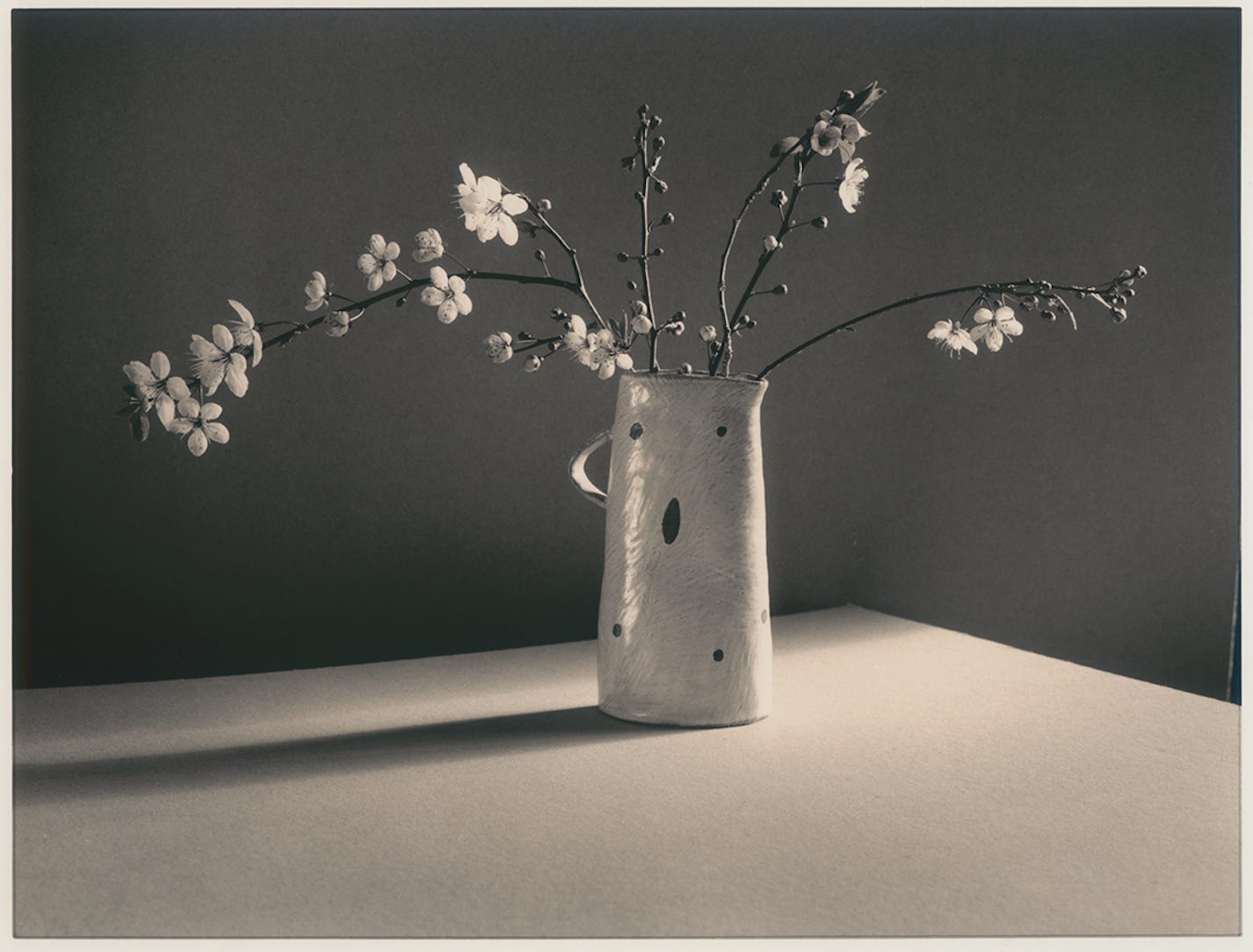
The blossom in the vase above was shot on the same kitchen table, facing the other way and would not have had as much impact if there was a busy background of furniture, fridge, or people. A plain tone really sets it off and it is so easy to do.
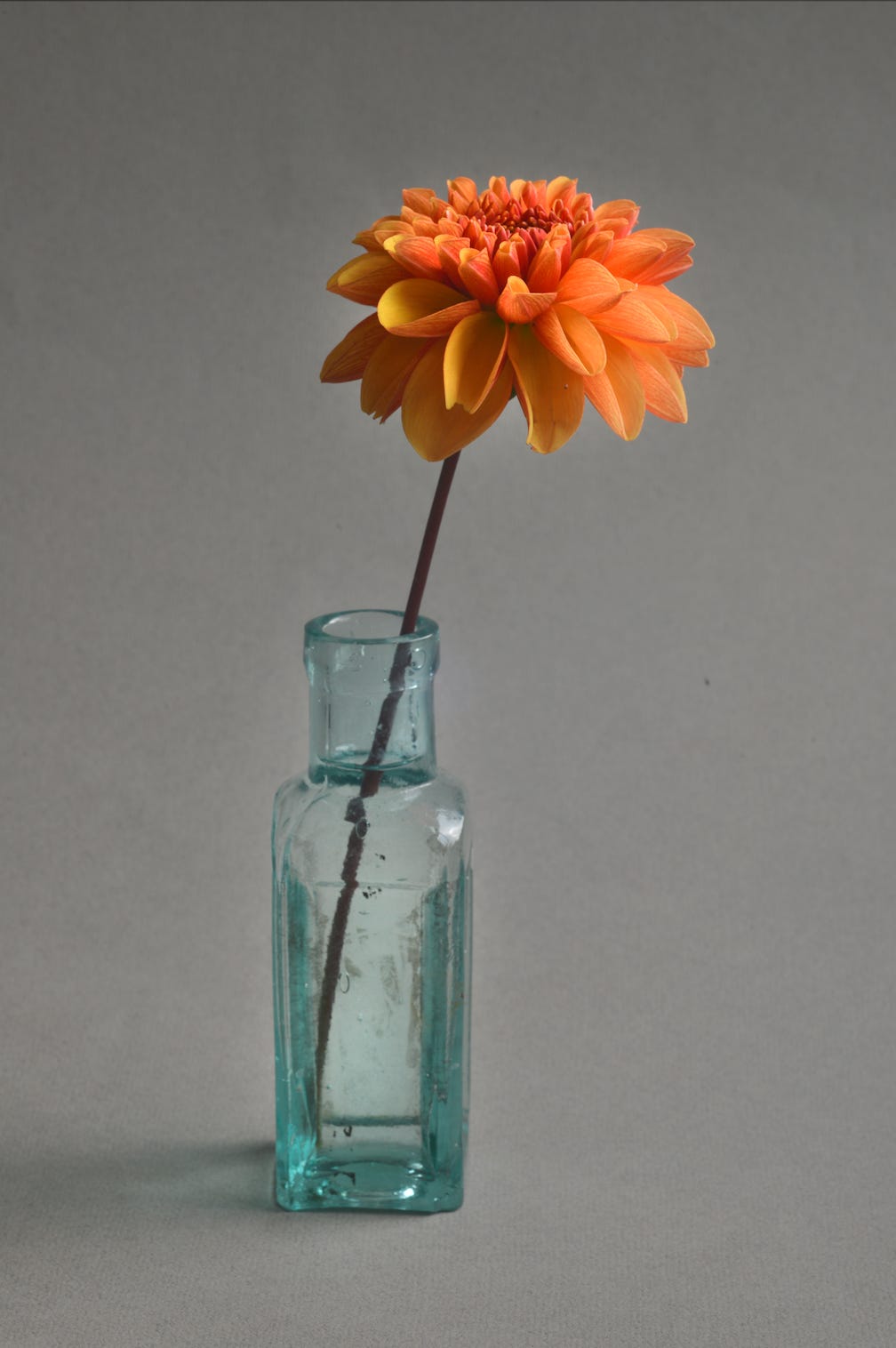
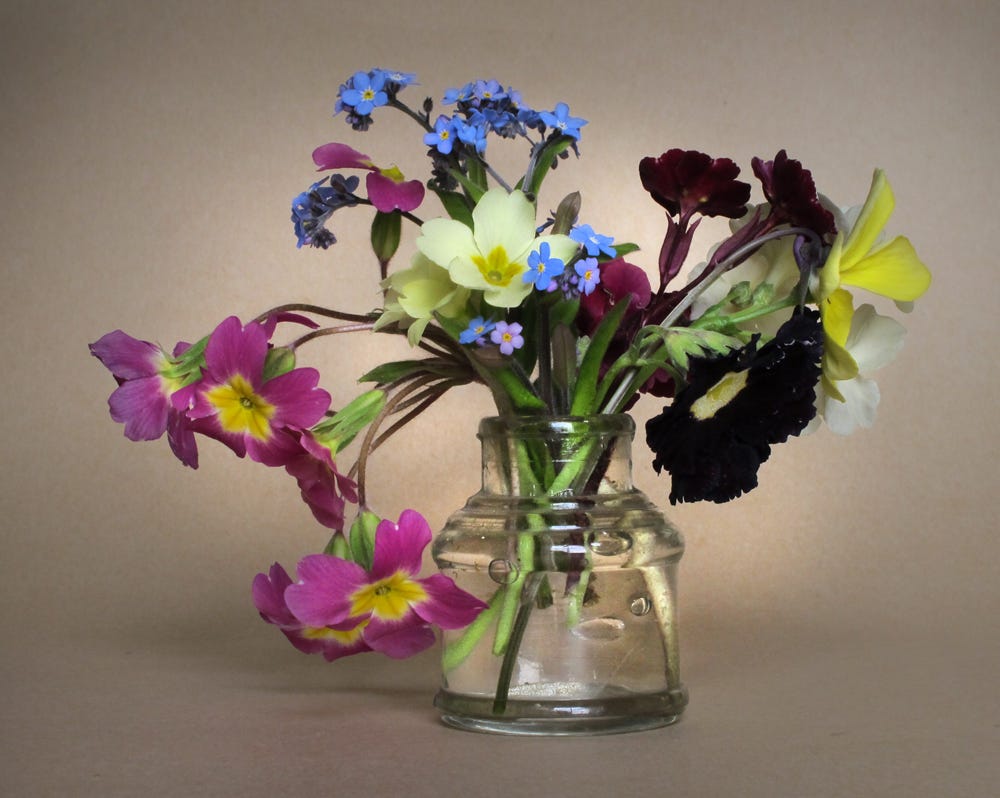
Isolating a flower makes a huge difference, immediately, the viewer knows what the subject of the picture really is. The simplicity of the shot here is heightened by the complimentary colours.
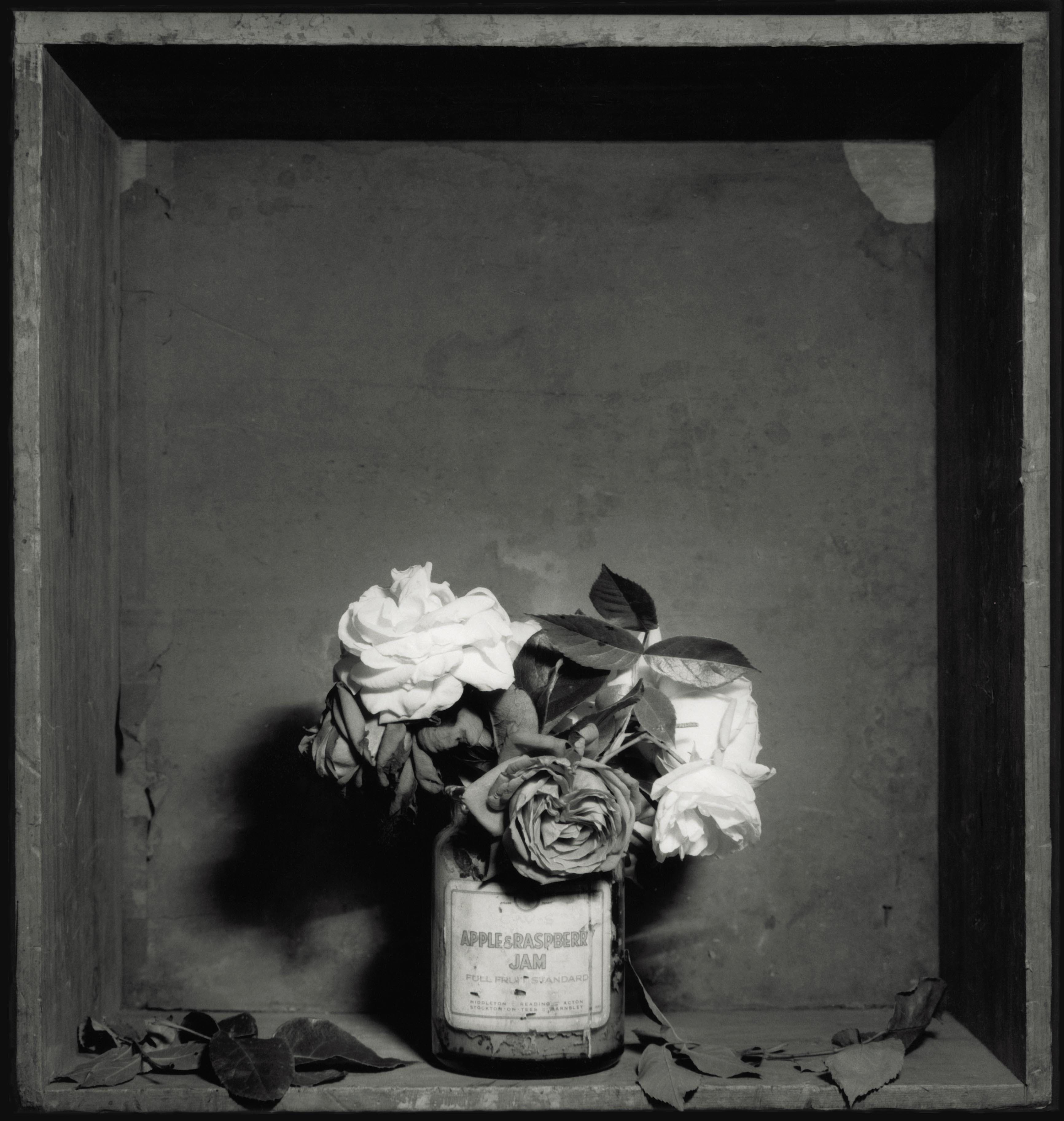
Big arrangements of flowers are possible, but there is more to it than a random clump of vegetation just rammed into a vessel. This arrangement of roses was put together with thought to where the colours sat and a clear delineation of the leaves on the right. This was taken as a reference picture for hand colouring the black and white shot I took of it at the time.
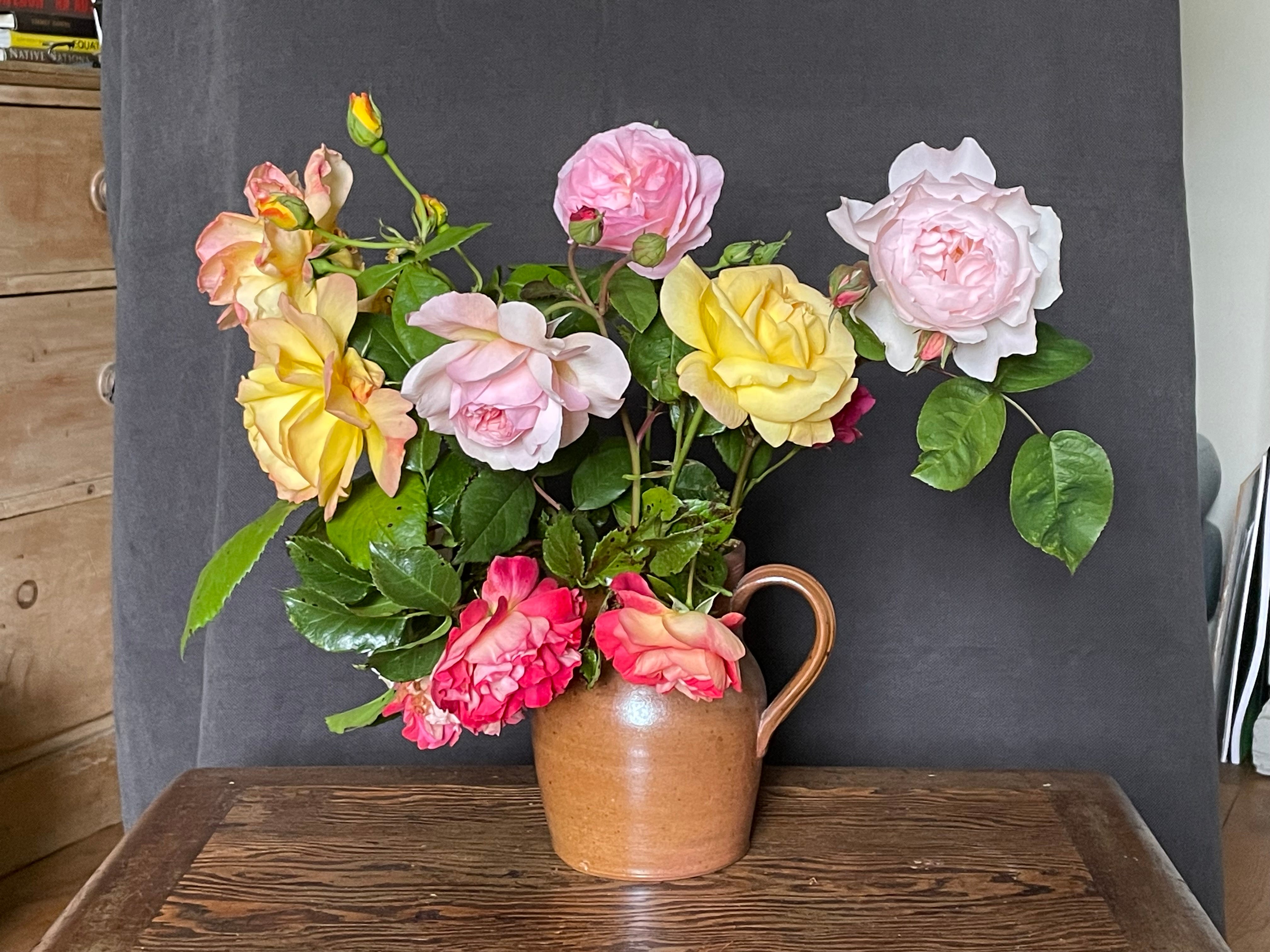
Many of my colour shots are purely for reference in case I want to hand colour a darkroom print at a later date. I also photograph flower arrangements for my wife who is a painter @debbiegeorgeartist on Instagram if you would like to look her up.
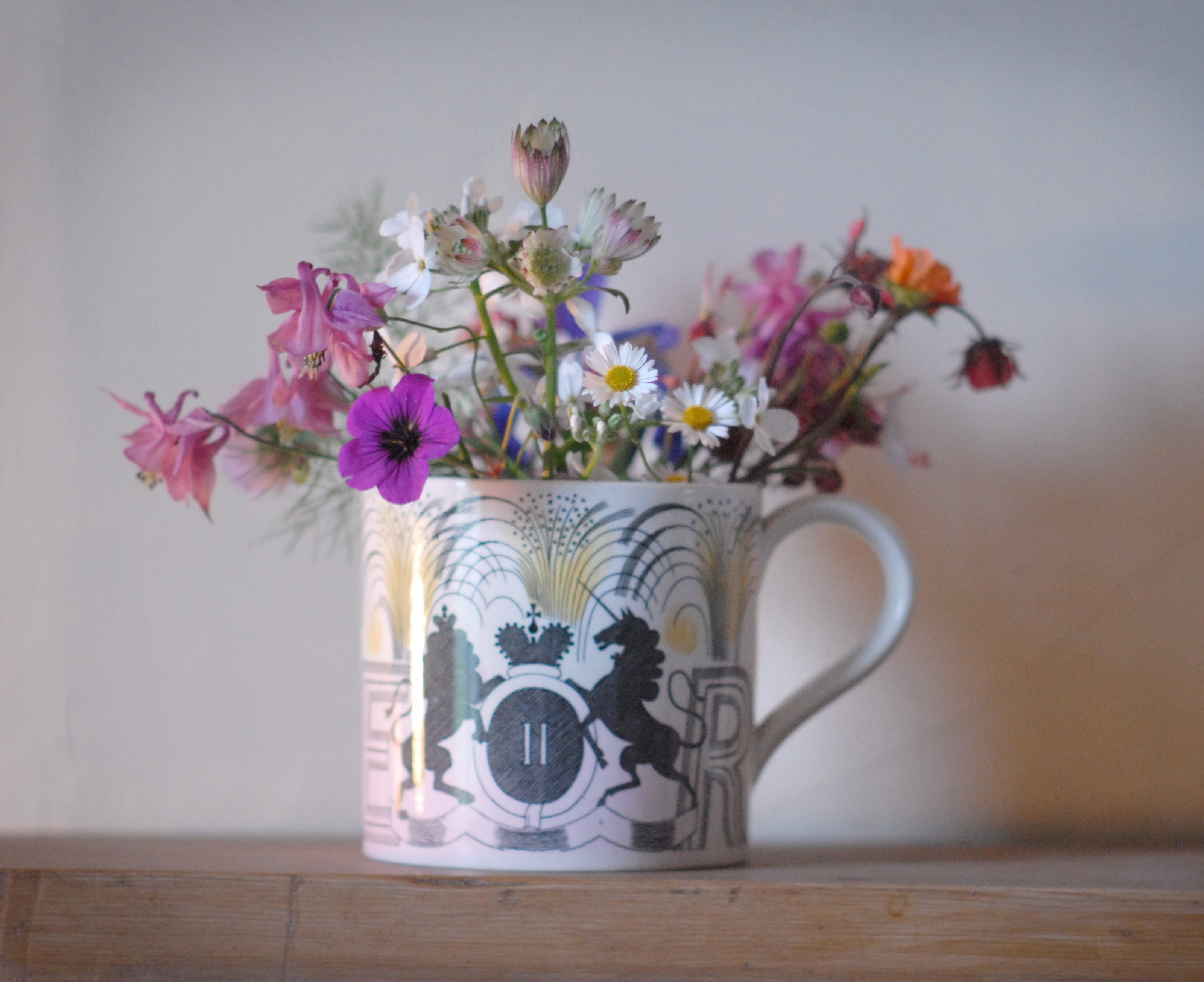
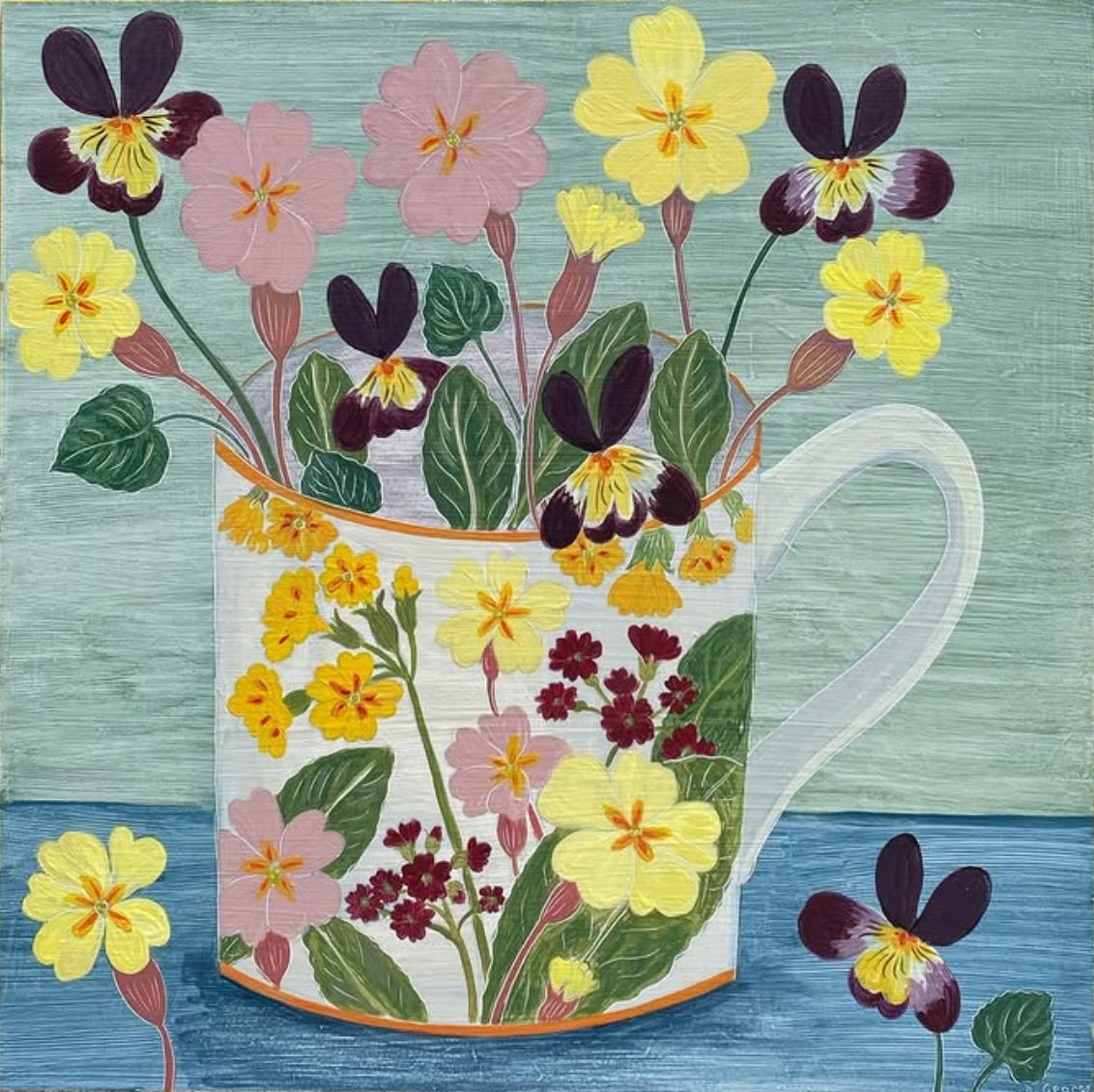
The subject matter isn’t limited to flowers, I also love photographing seed heads and dandelions:
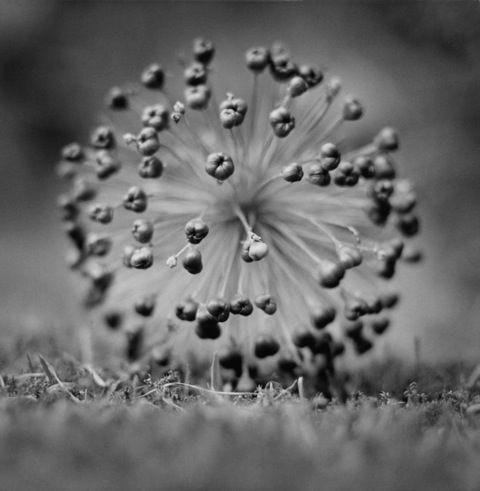
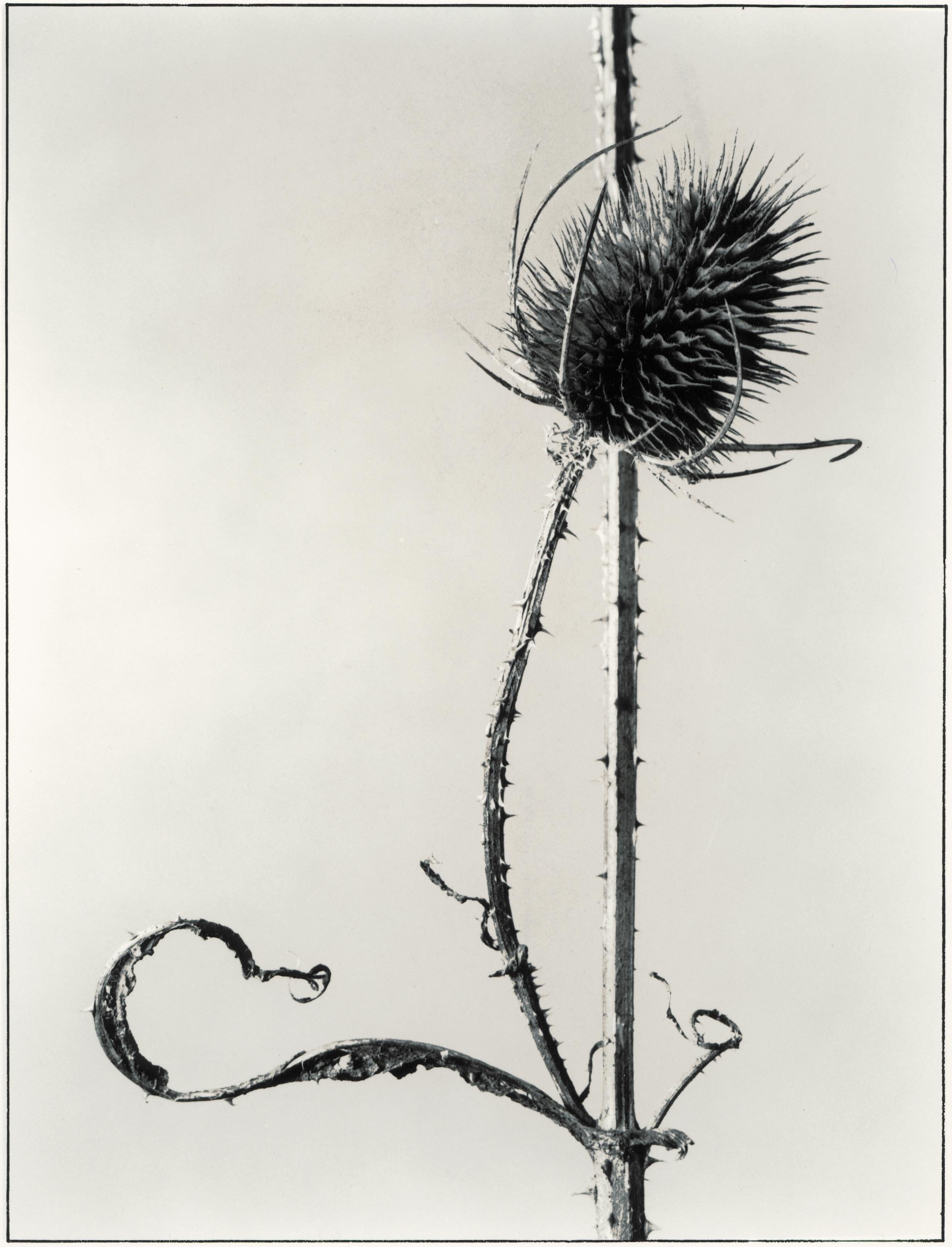
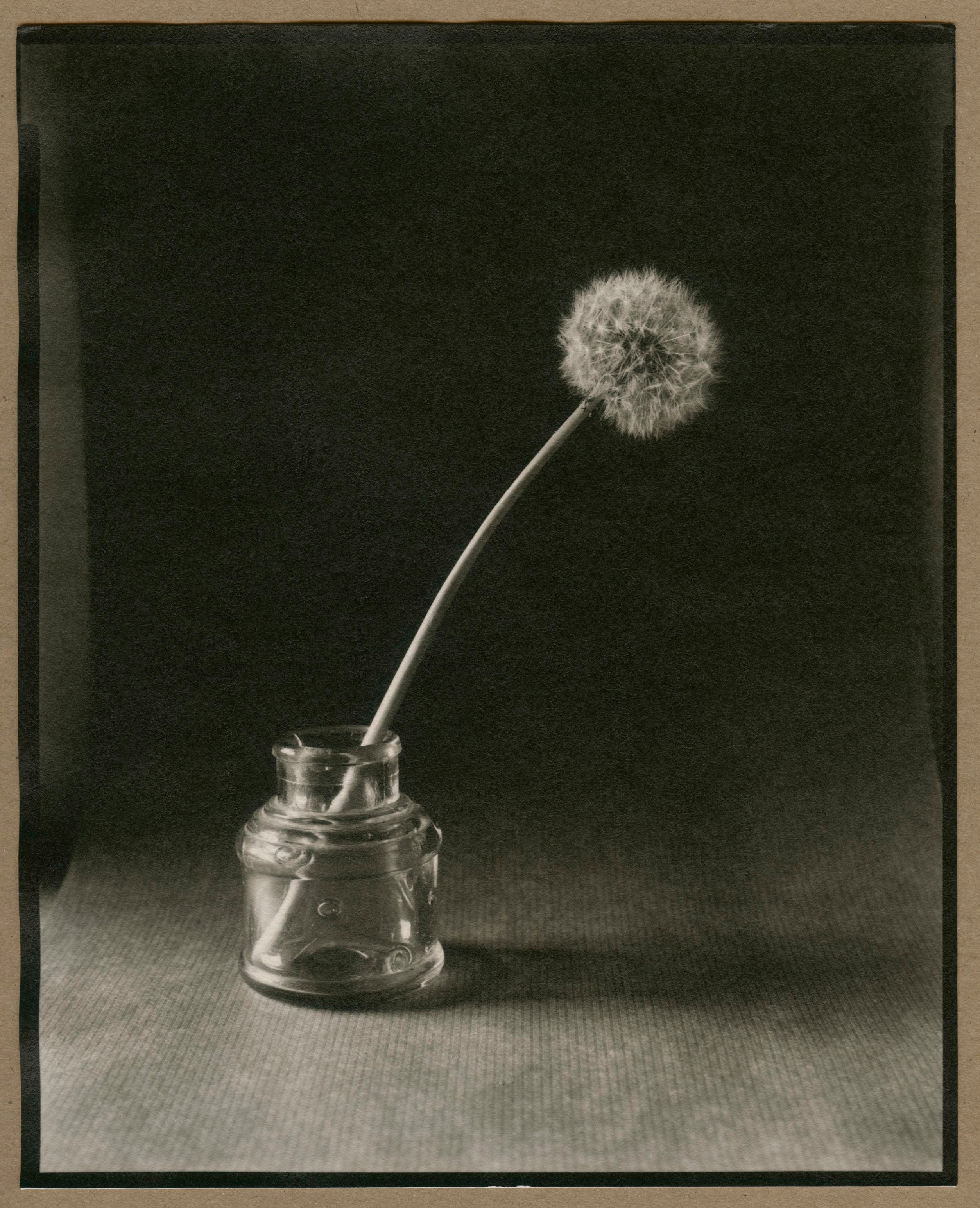
The dandelion was shot on 10x8 with everything actual size on the negative. This gives the contact print a 3D quality. I also like to photograph stages of decay and here I have placed a shrivelled and wrinkled Lily against a cloth background:
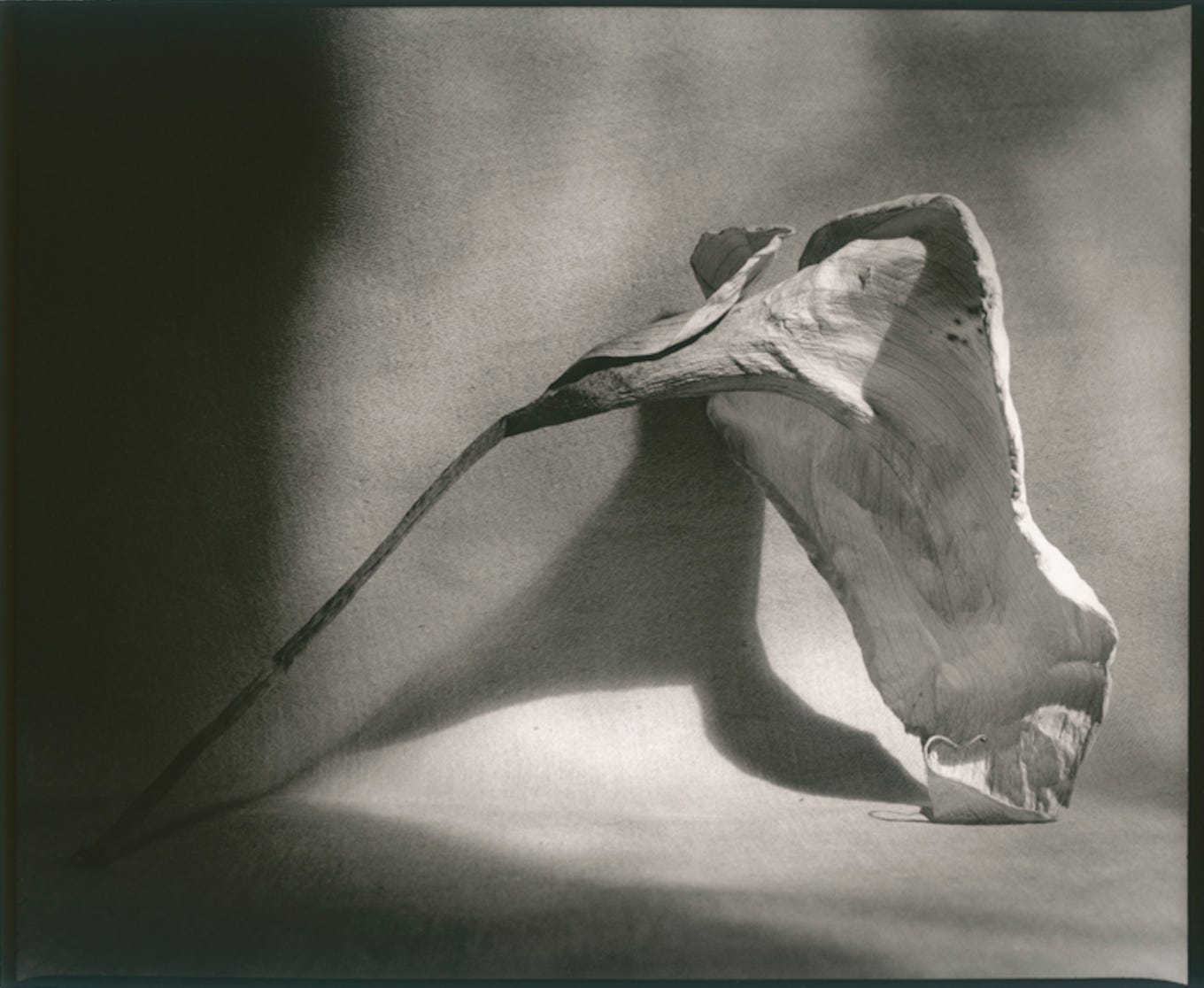
A dried daffodil looks like it is made of ancient paper:
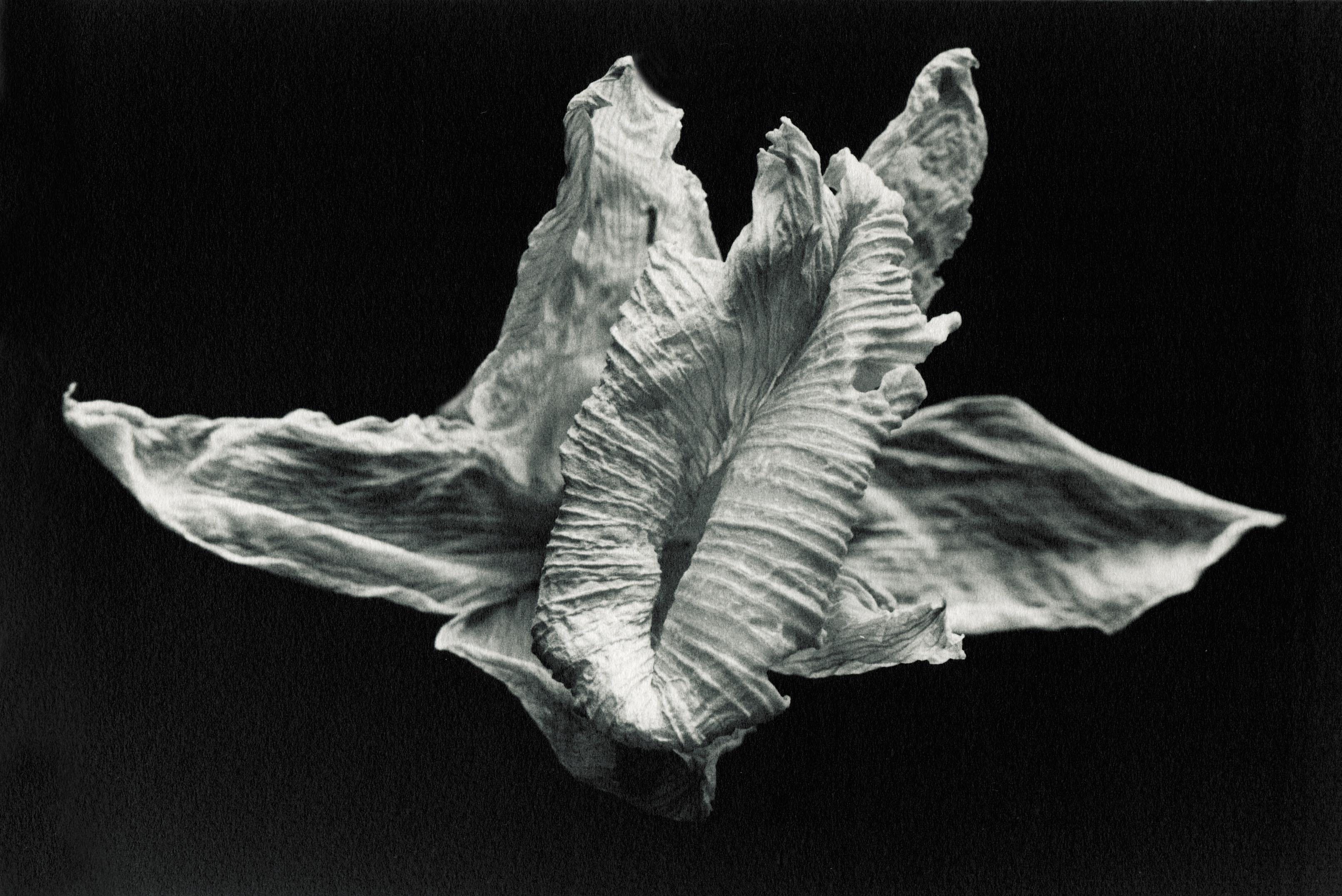
Shooting from above can show the flowers off and give a slightly different look:
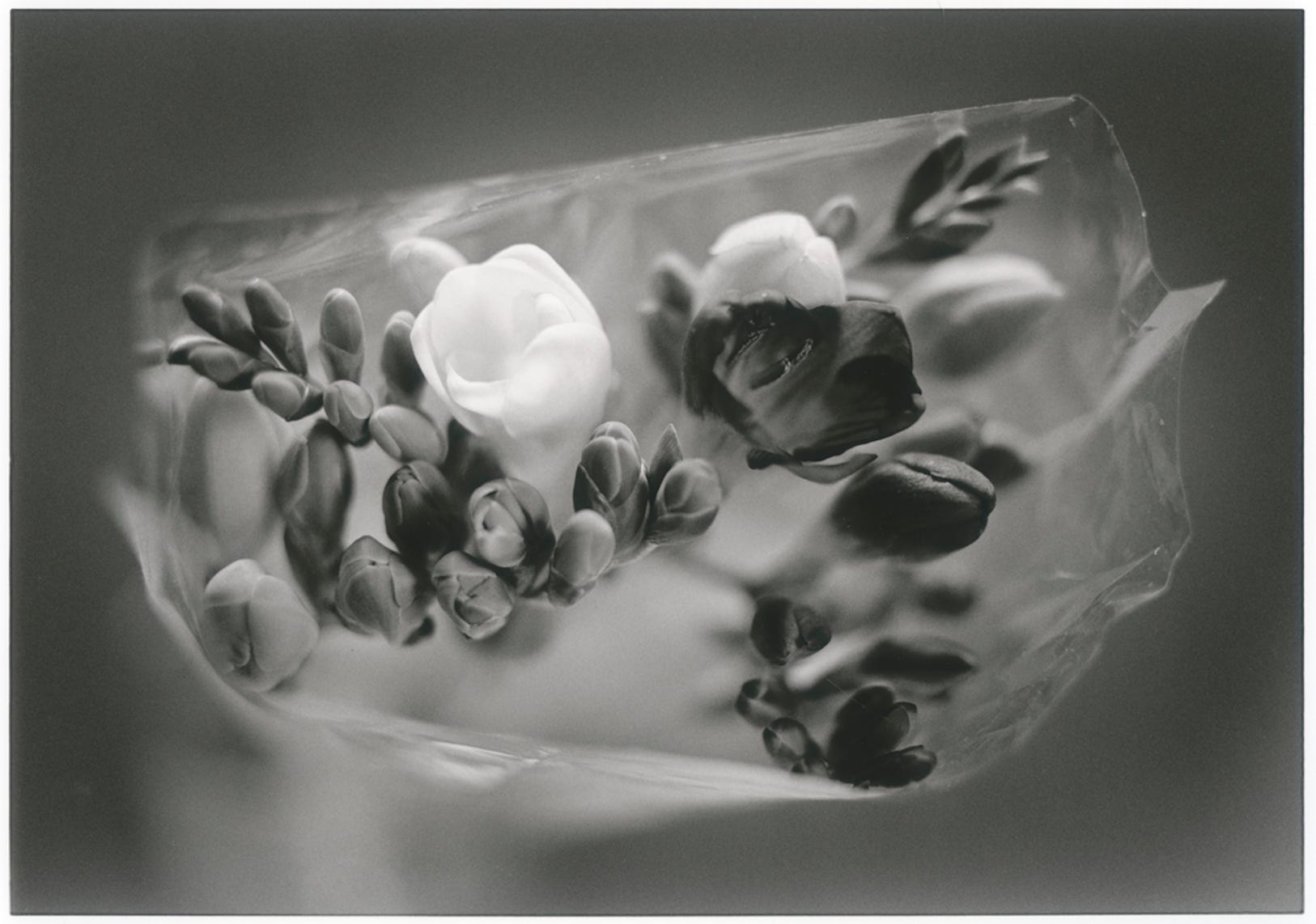
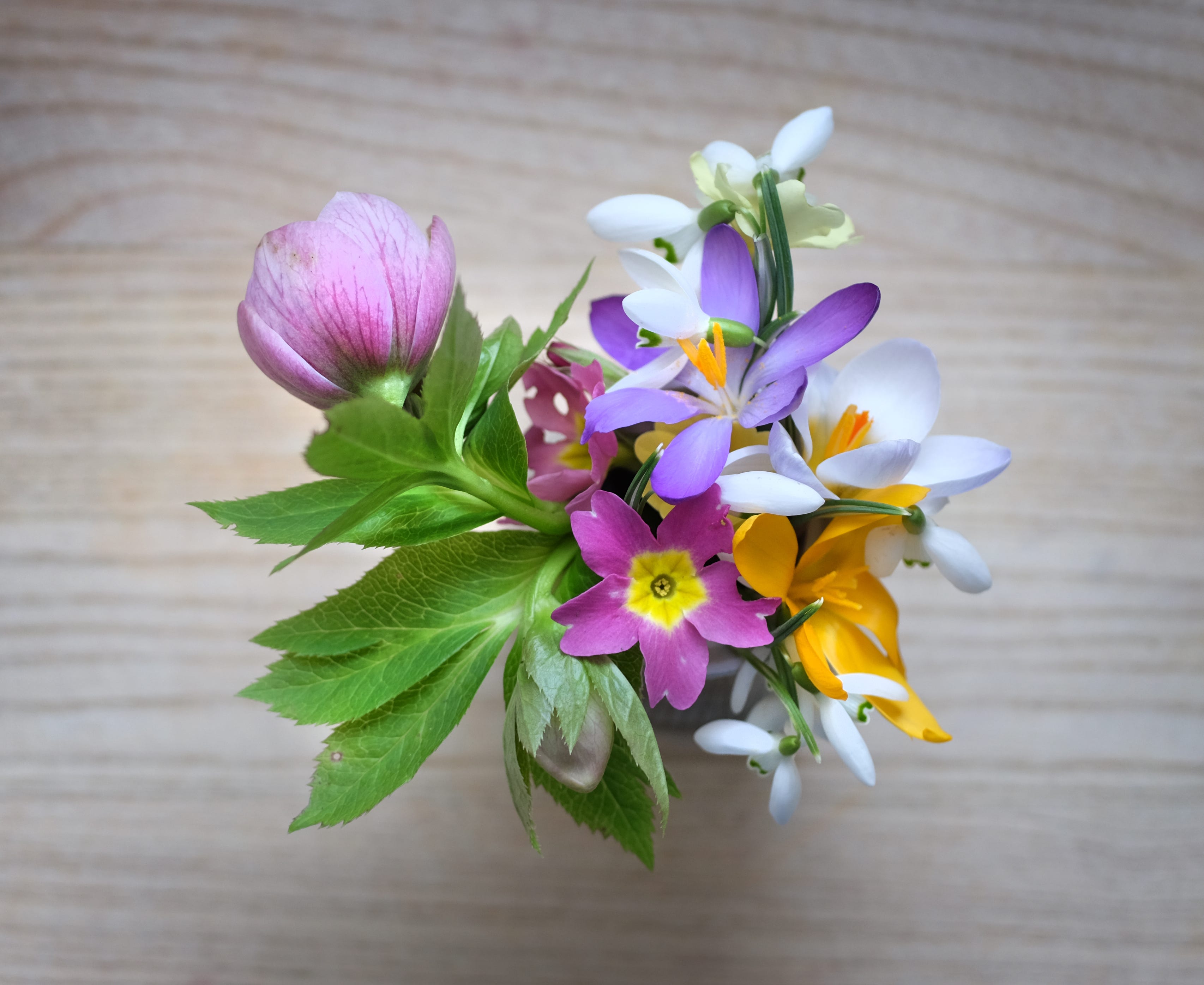
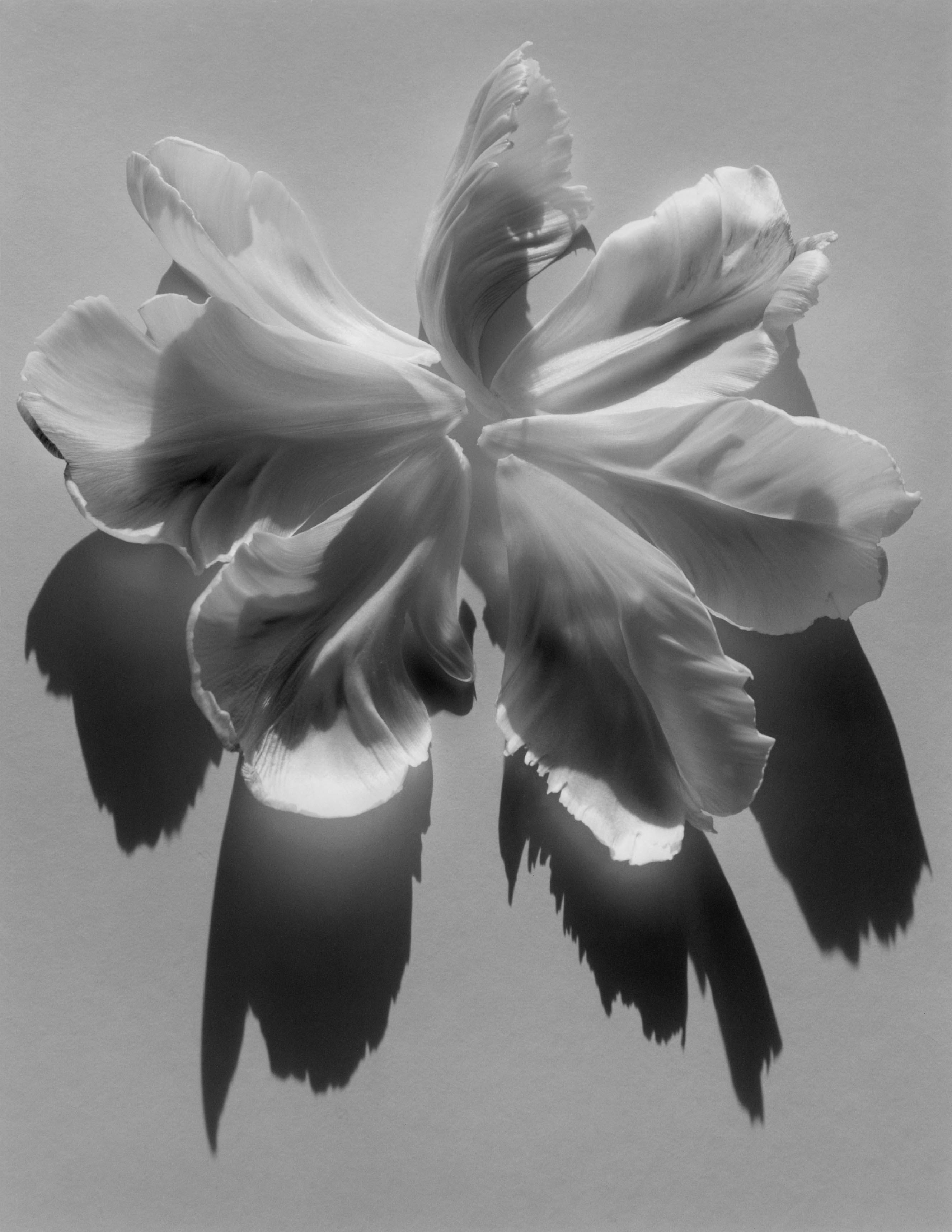
One day, I noticed that petals were falling off a large Tulip that we had in a vase, so I gathered them up, arranged them like a flower on a paper background and photographed it in the late afternoon sun:
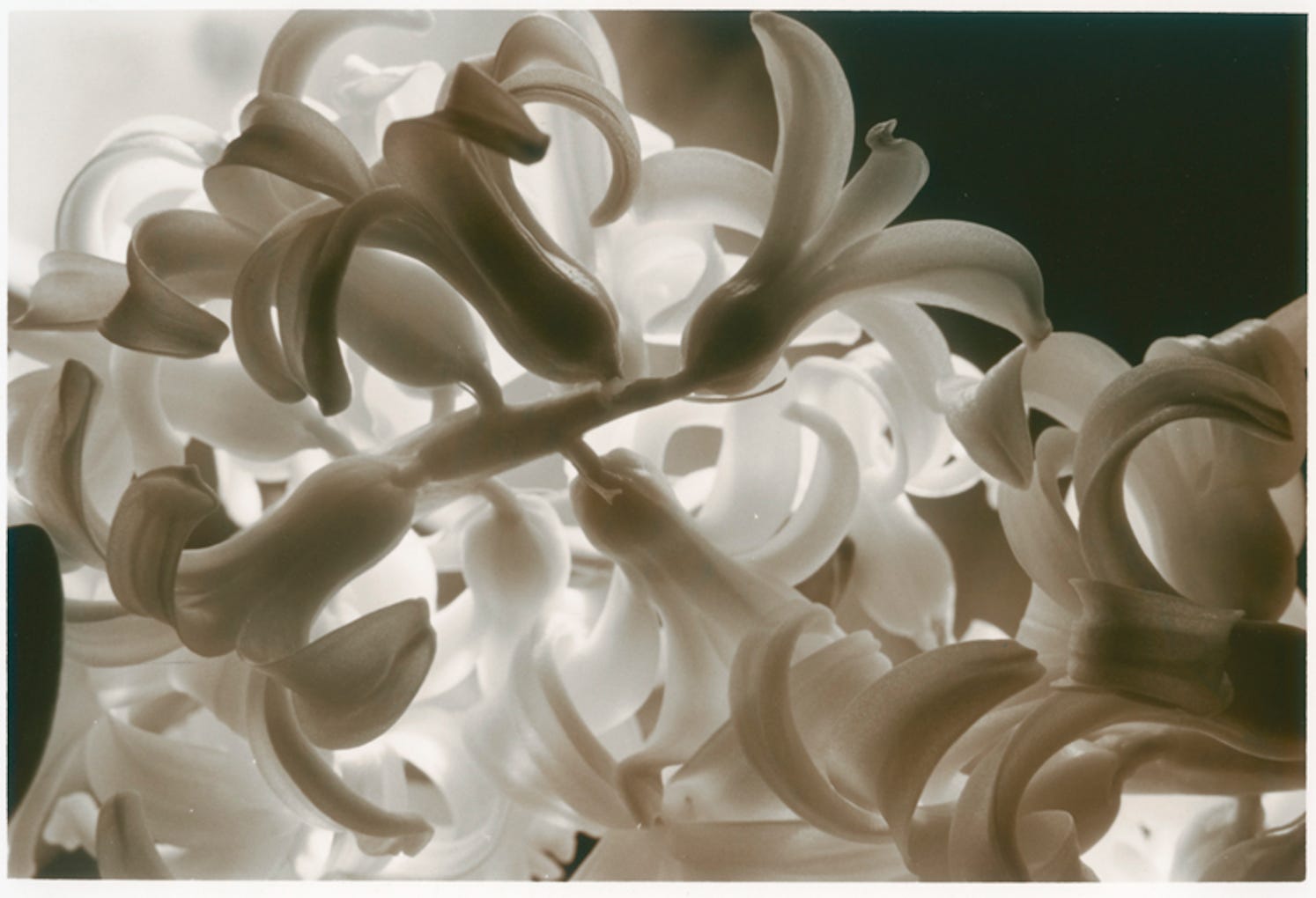
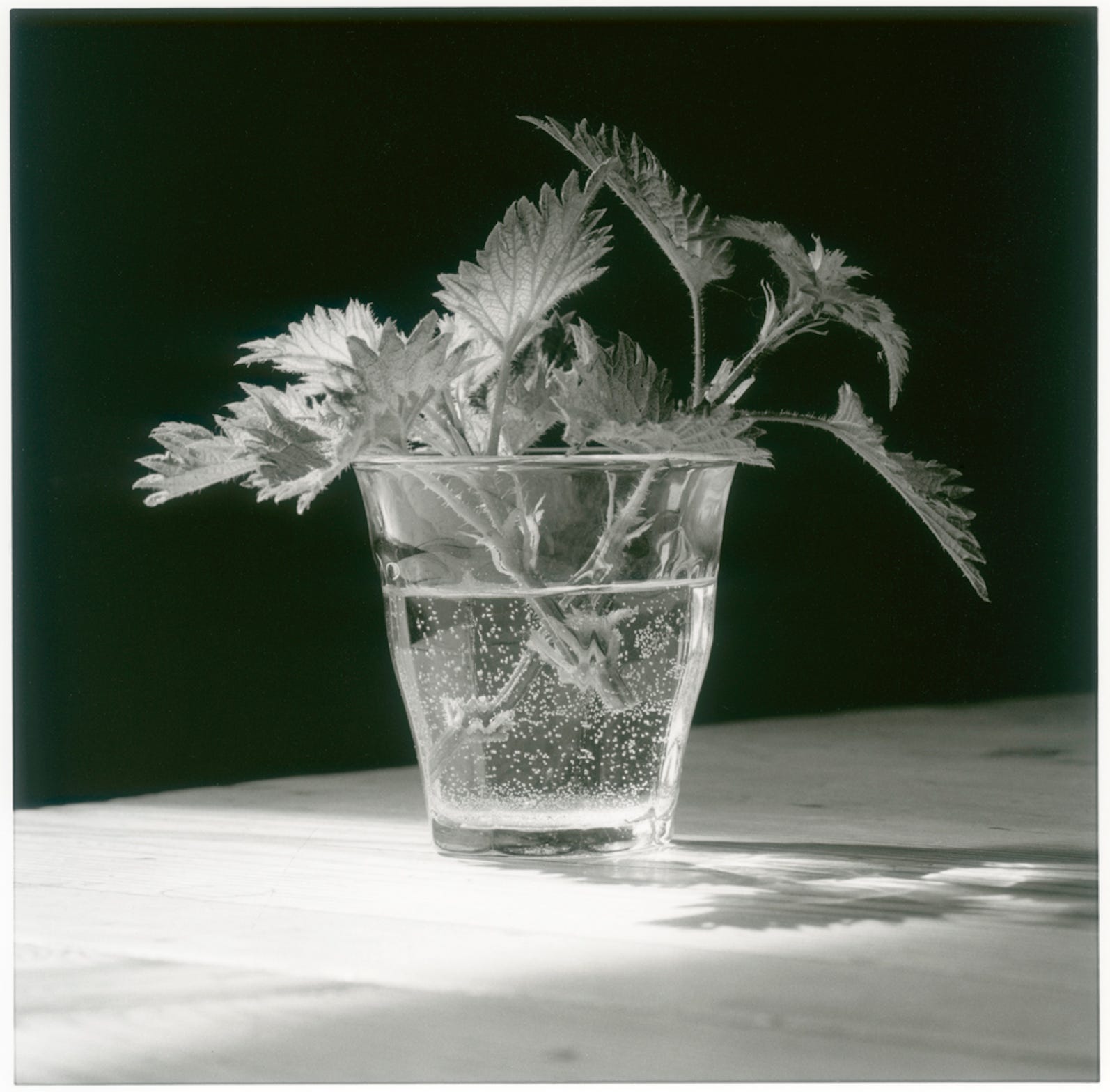
Lighting gives another dimension to flower photography. With this Hyacinth image I placed an anglepoise lamp behind it:
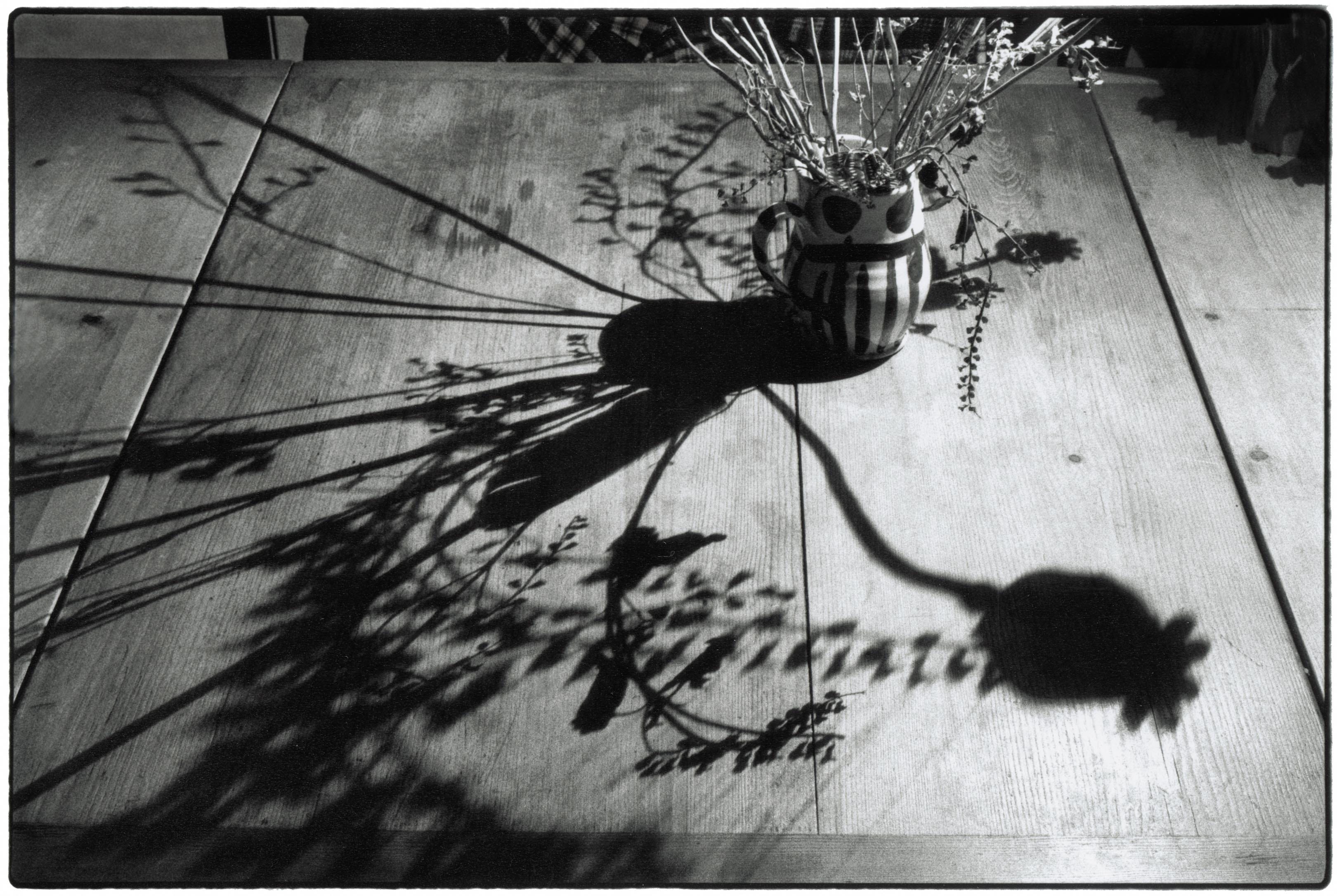
With the next one, I placed a small intense halogen lamp above some dried flowers and seed heads. The shadows were what made it interesting.
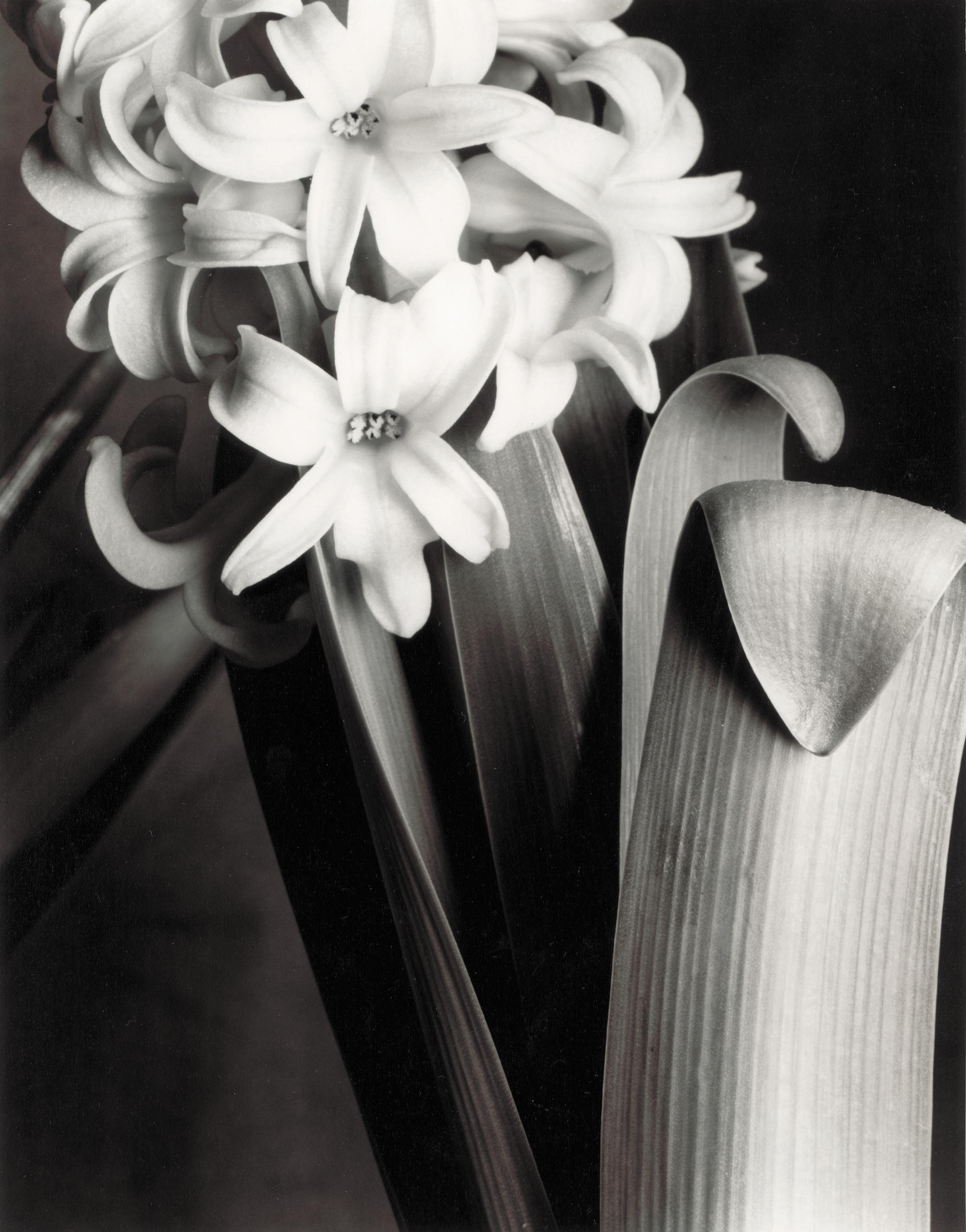
getting in close can make a stronger image sometimes, here I got close to a Hyacinth with a 5x4 camera:
And these peonies are like balls of wool:
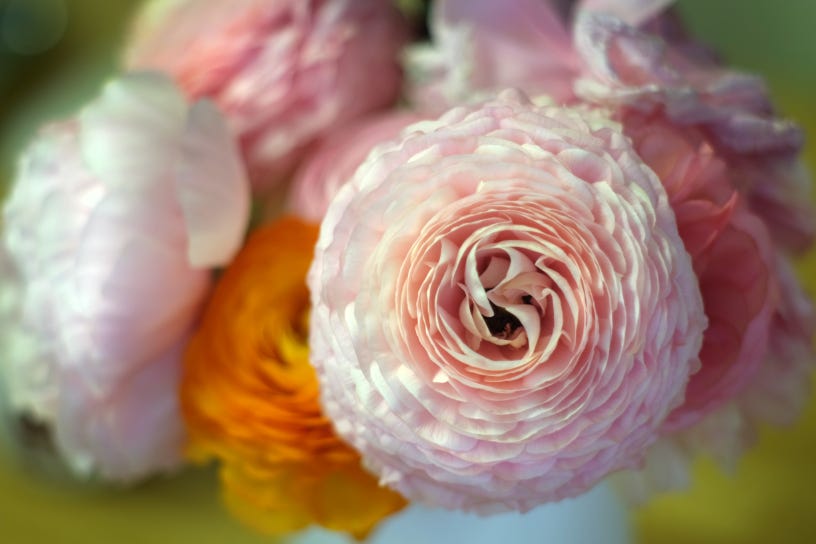
I hope these images have given you some ideas. I can’t say that all my flower pictures were worth the effort it took to get them, but a lot of the pleasure is in the act of photographing, and the final print is the icing on the cake when it works out well.
If you find my articles interesting or useful, please spread the word to anyone you can think of who would be interested.
If you have enjoyed this post and the information here and elsewhere on my Substack and you would like to support me, you can subscribe or just buy me a coffee at Ko-fi.com/andrewsandersonphotography You can send as little as £5.00, or more if you are feeling generous. This money goes towards materials used for the tests and printing for these articles. Alternatively you can be a paid subscriber.
Thank you for reading, please let me know your thoughts.
Andrew Sanderson June 2026.
Other places to see my work;
Instagram; http://instagram.com/andrewsandersonphotography
Original hand made darkroom prints are available from my online shop; www.andrewsandersonphotography.bigcartel.com
I also offer one to one workshops at my darkroom/studio in West Yorkshire, UK. If you are interested please email me at sandyjottings@icloud.com
Thanks for the good advice. I was contemplating photos in my garden just this morning.
A very pleasant read, Andrew! Although I've photographed many flowers in many ways already, I keep struggling with the question whether I've done justice to their beauty. Your obvious enthusiasm about it and beautiful examples ( I particularly like the arrangement of fallen tulip petals) have inspired me anew to keep trying.