Abstract.
Shapes as mystery.

Have you ever considered abstract as a photographic style? It does’t need specialist equipment and it is pretty easy to do, it just requires a little thought.
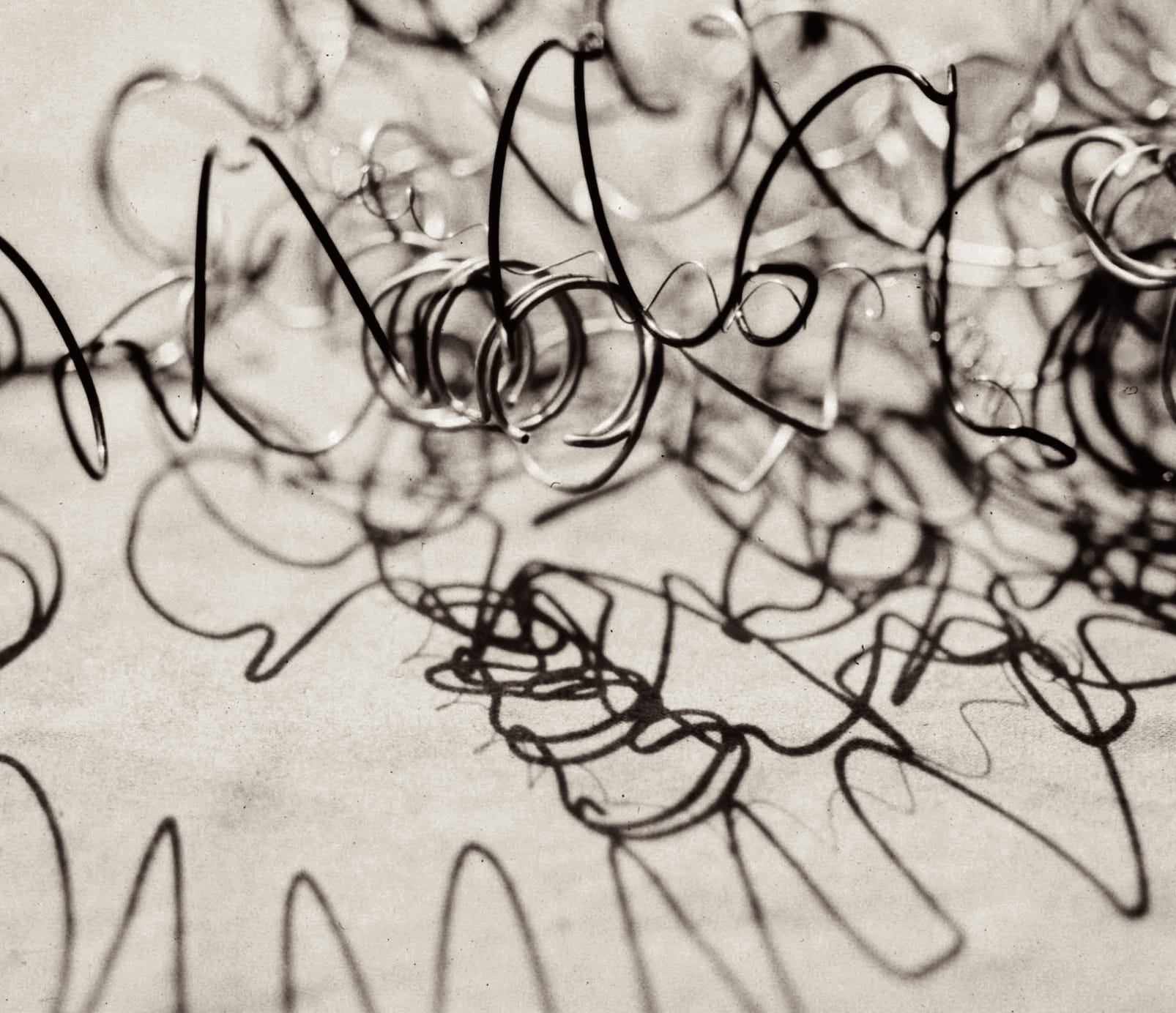
I think there is one fundamental difference between abstract photography and abstract painting: A painter can rely on accident to create a piece of work, but a photographer must actively seek out and observe abstract shapes.
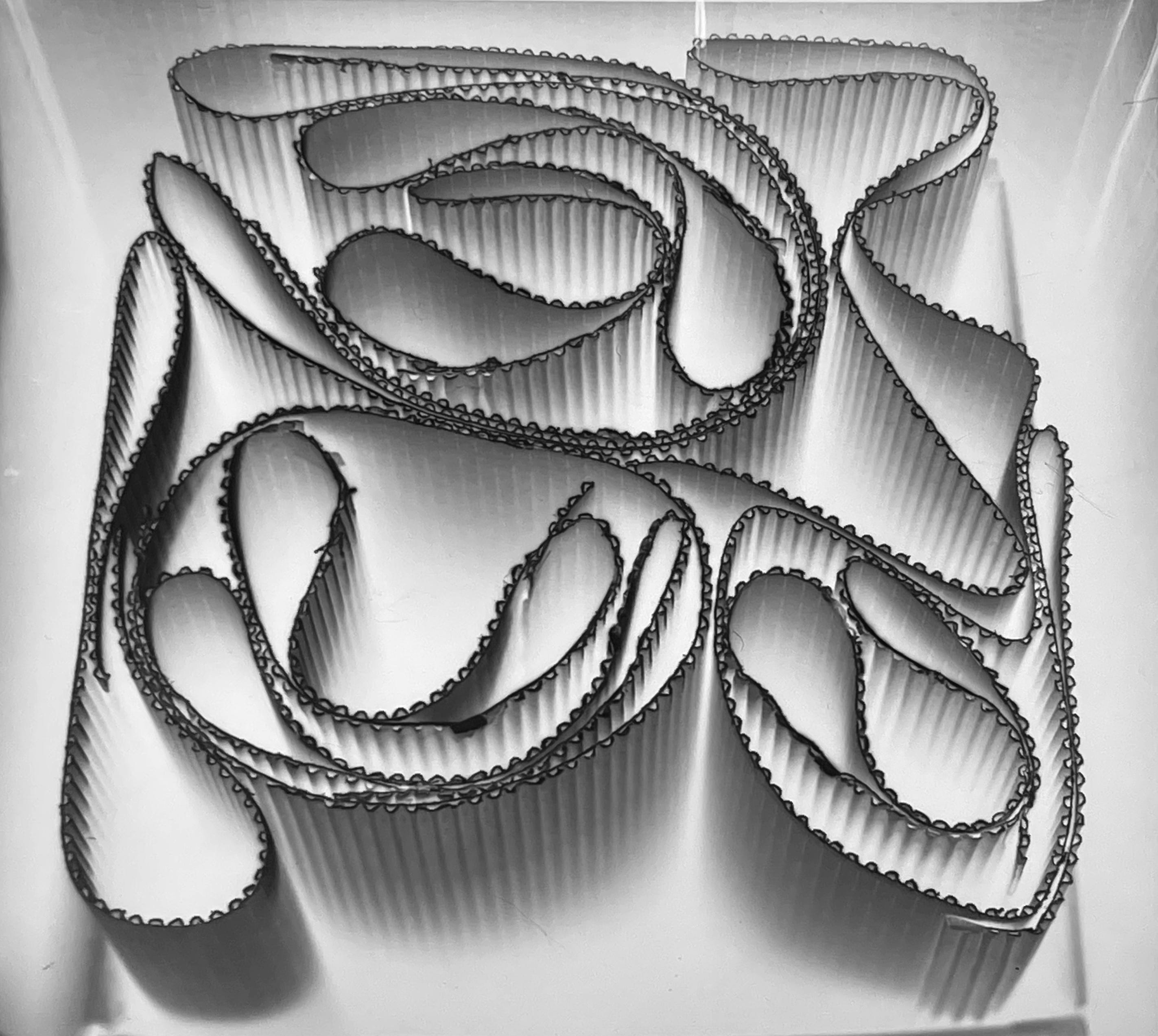
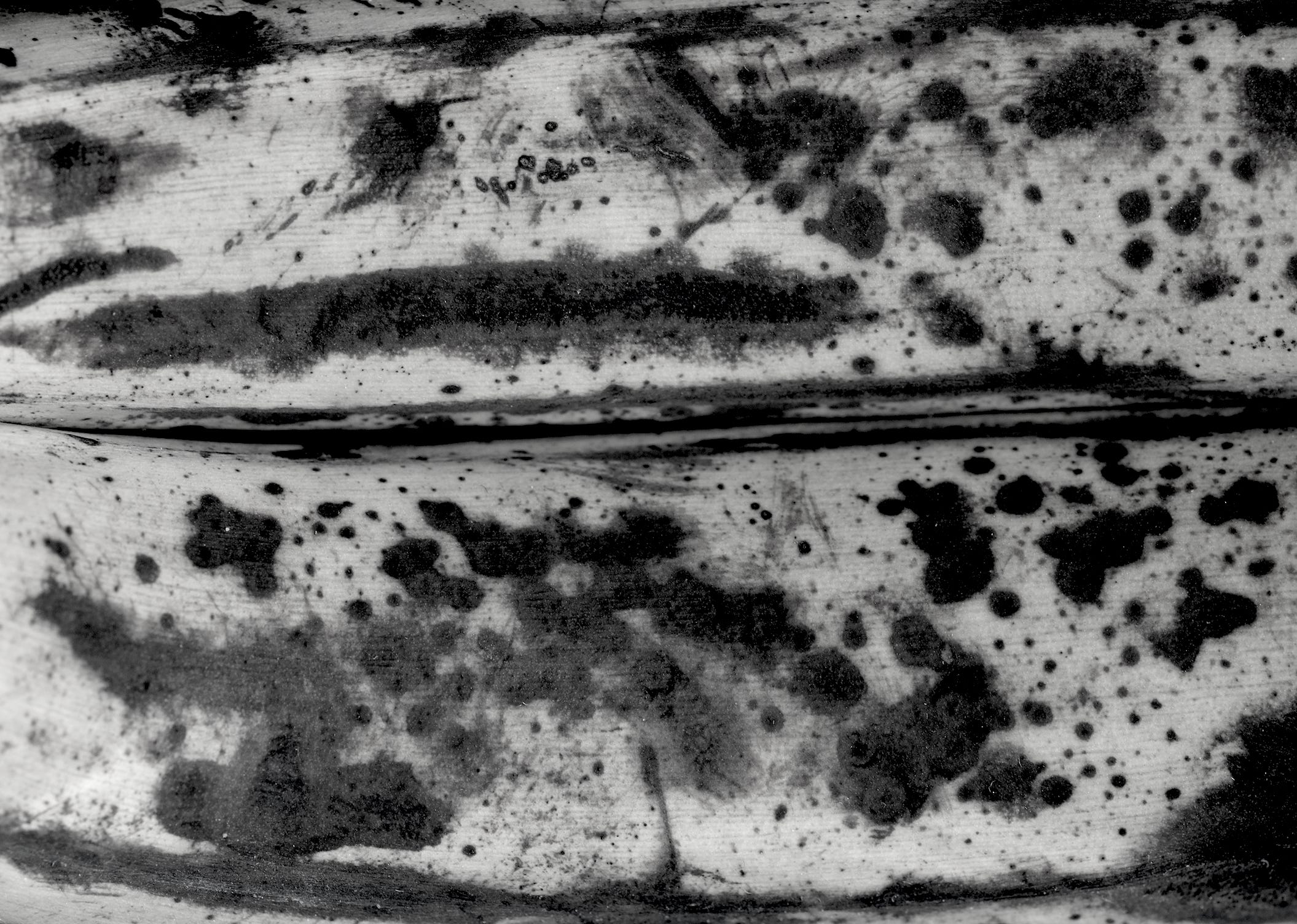
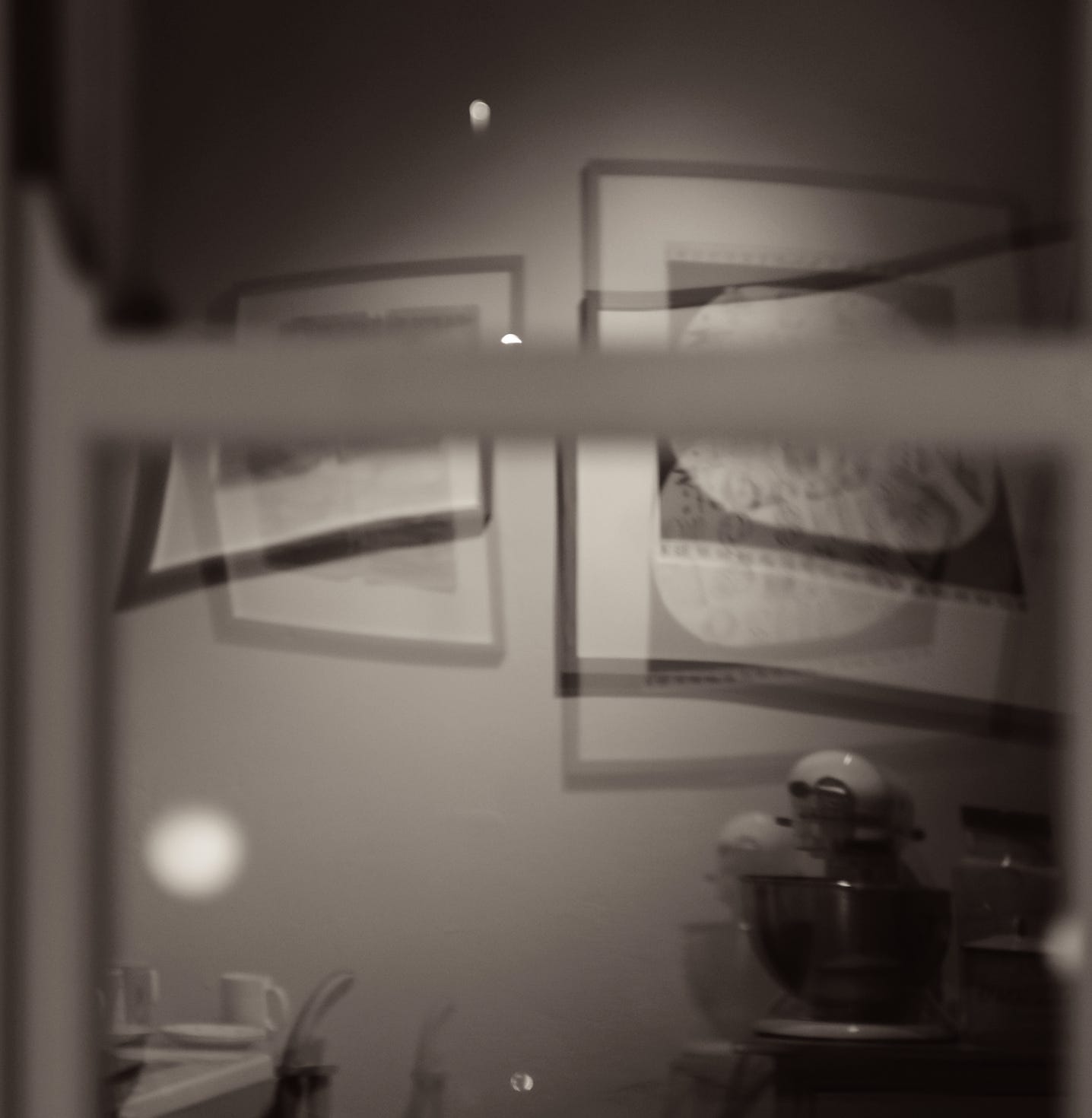
Any artist can throw paint at a canvas, run over it on a bicycle, spread it with a mop and say ‘I created that exactly as I intended, so therefore I am talented’. Abstract art is an art form that is wide open to fakers and charlatans. When it is done well it is magnificent, but much of it is wanky shite.
Abstract photography on the other hand, has to be created through careful observation and decision making, mainly about what to leave out of the frame. Sometimes that is a decision made after noticing some arrangement and sometimes it is constructed.
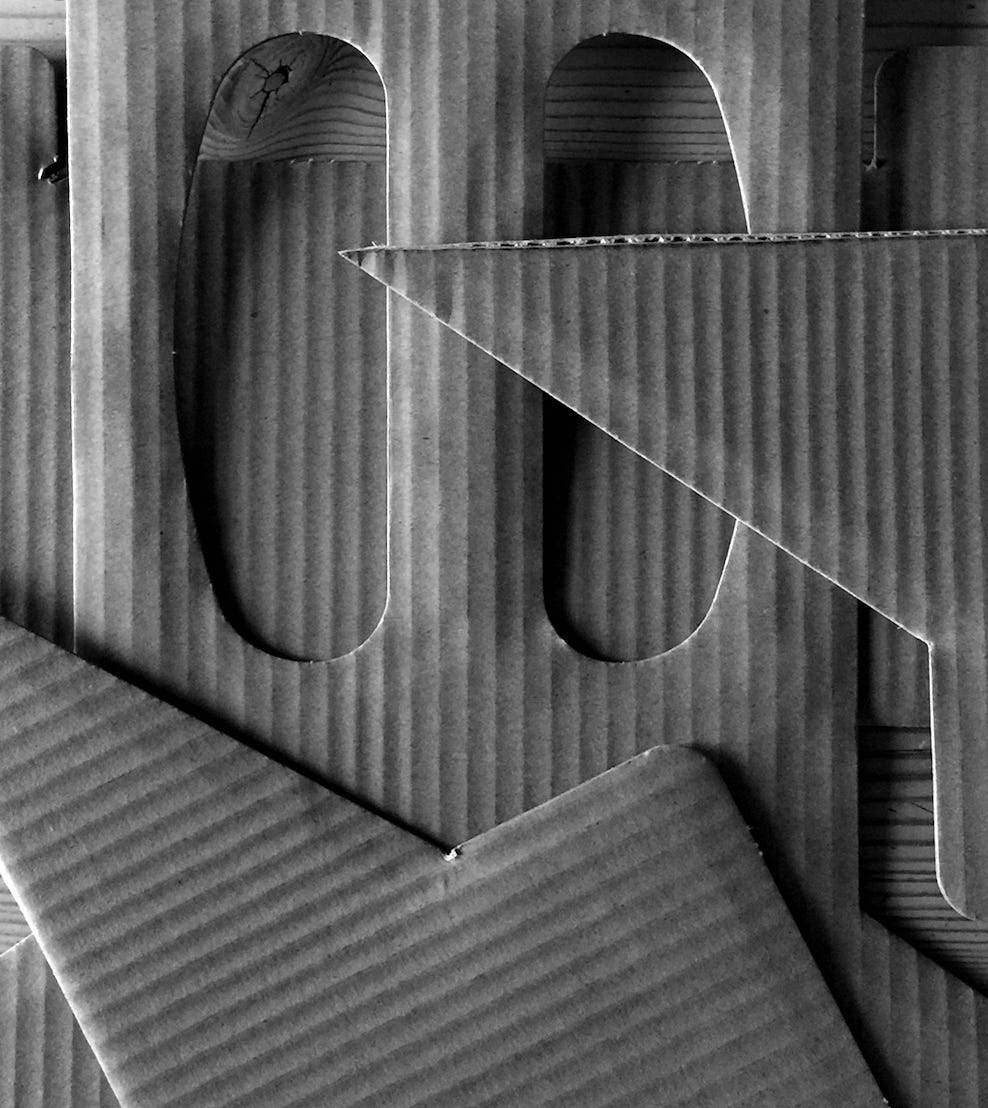
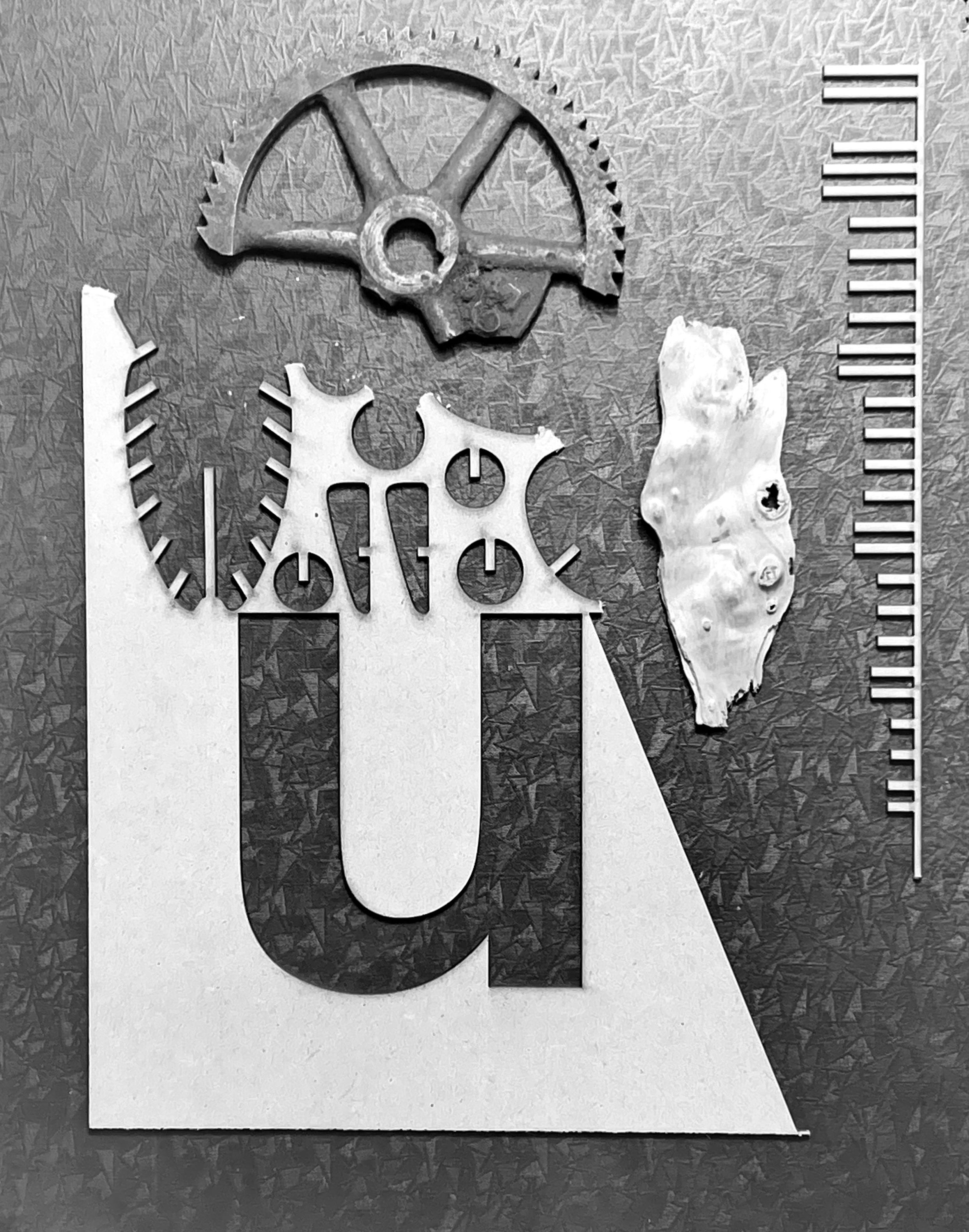
Of course, you can spin the camera around your head and take a burst of pictures, then call the results ‘art’, but who are you fooling? If you wish to create abstract photographs through accidental means, you are going to waste a lot of film before you get something good.
I am aware of the current interest in double exposure photography where one 35mm film is exposed by two different people and the unpredictable results can be interesting, but the chances of getting a really strong shot are low. The exception to this was a very meaningful shot I recently printed for Luz Mendez and Søren Harbel who collaborated and created an image that not only worked compositionally, but was also full of meaning and mystery.
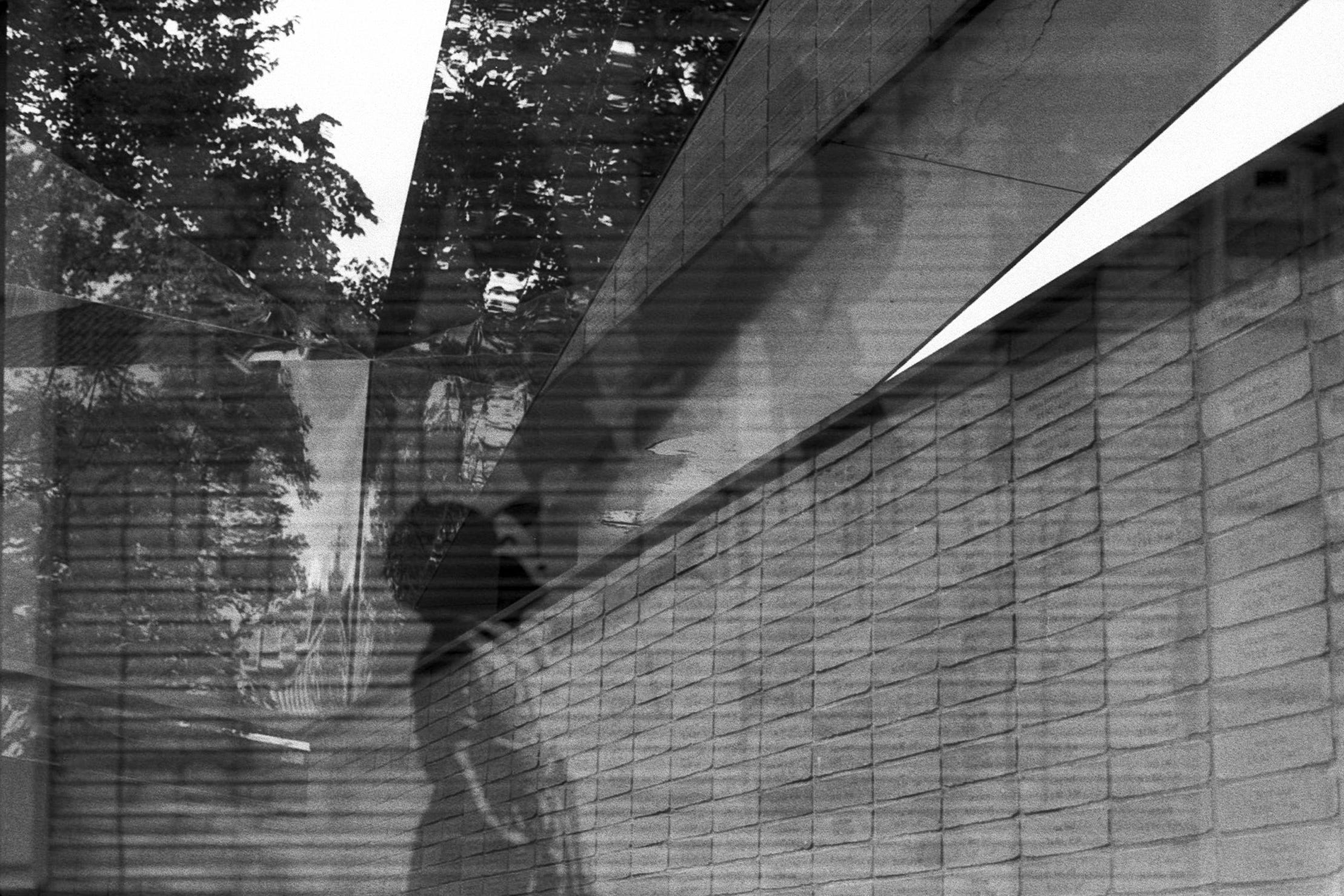
You can read about it here:

Many of my abstract images are created because my constant approach to photography is one of noticing shapes and light. This provides me with photographic opportunities in all sorts of situations.
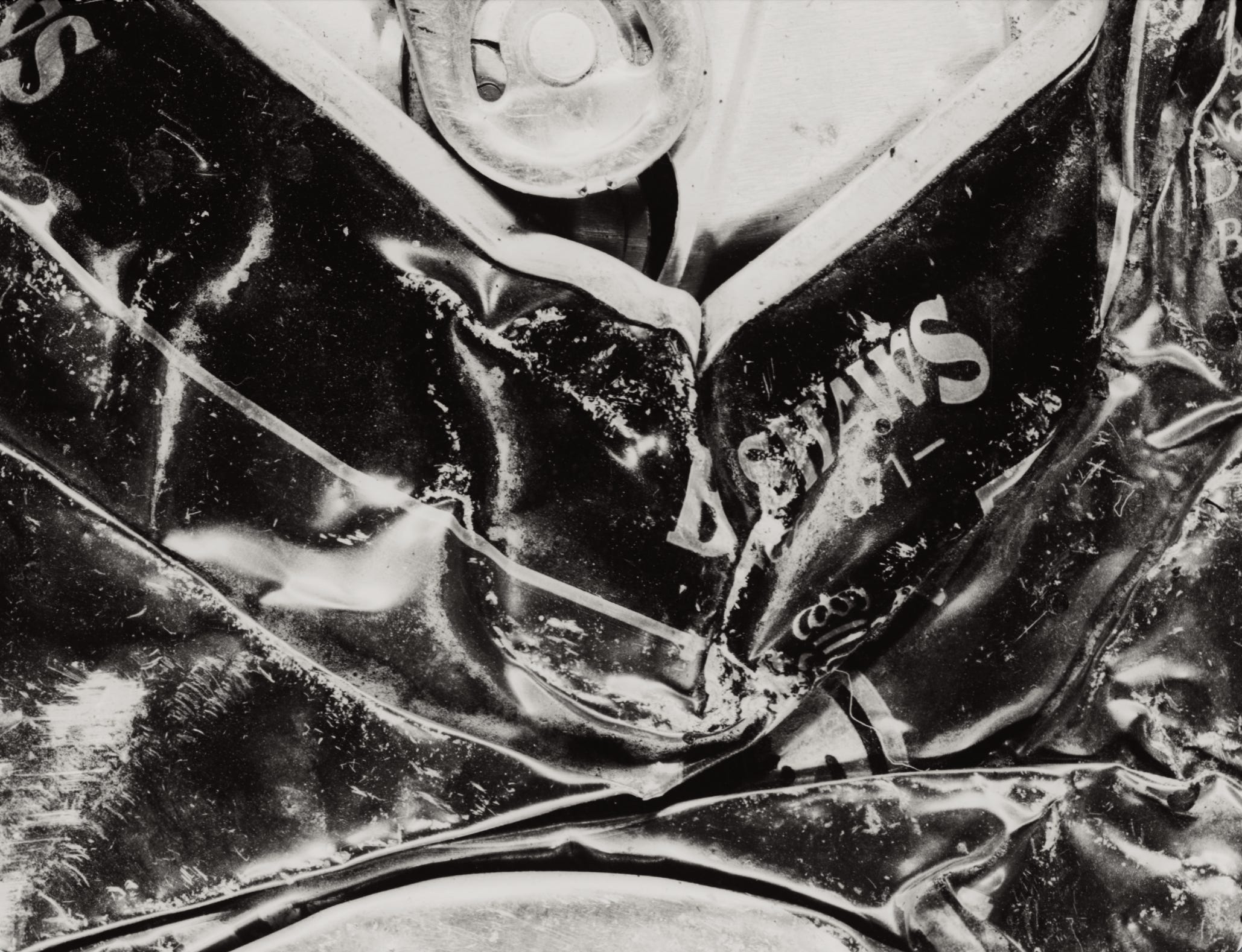
Personally, I consider abstract photography a very useful technique for improving your vision and your understanding of composition. The shapes have to work coherently together, they have to balance and at the same time slightly confuse. The image works best if the viewer has to look twice to figure it out.
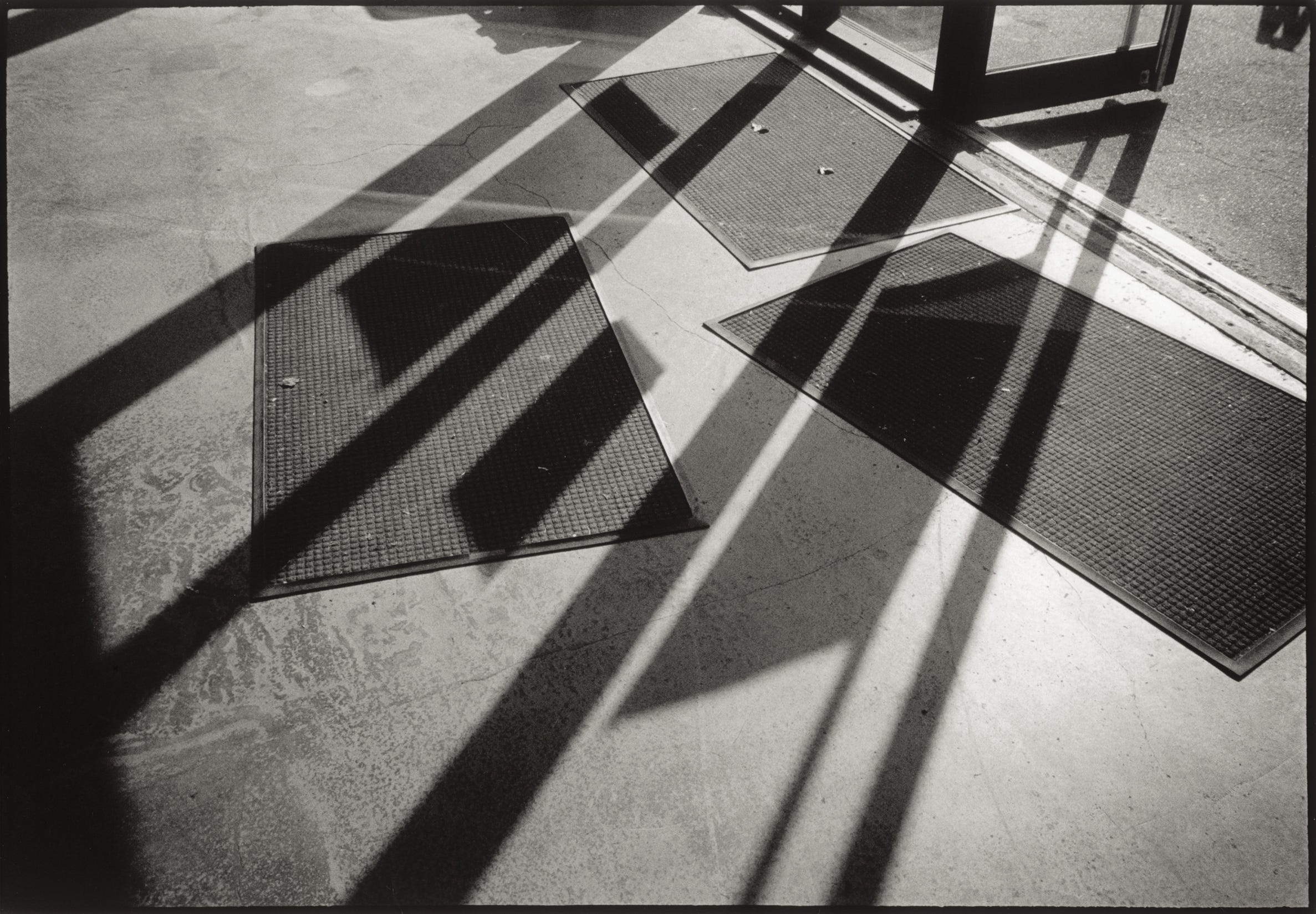
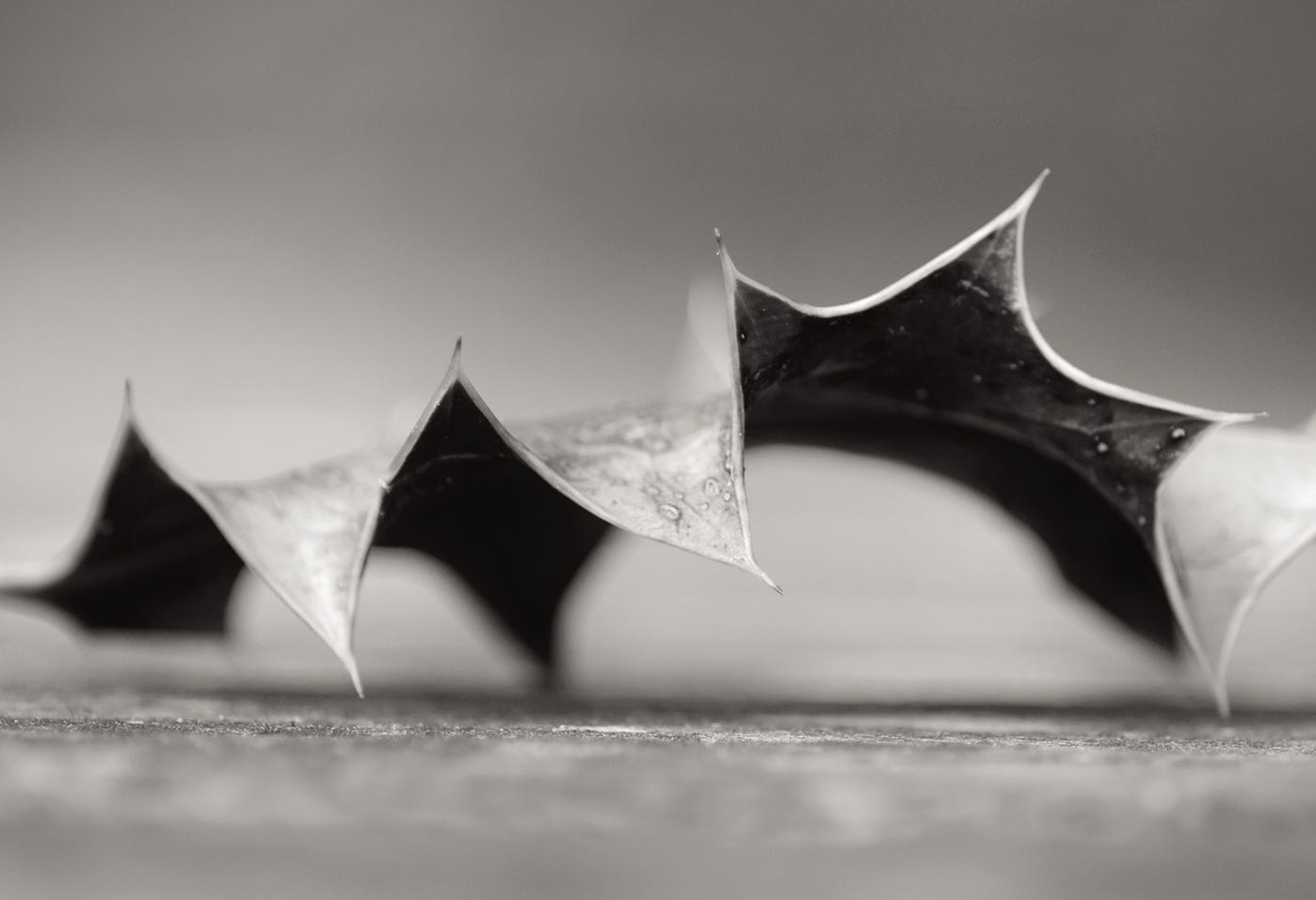
Simple techniques for achieving this are double exposure, overlapping objects, close cropping, reflections and shadows.
Abstract can be extreme or subtle. For some shots the original scene is still apparent, but it is presented in a slightly abstract composition.
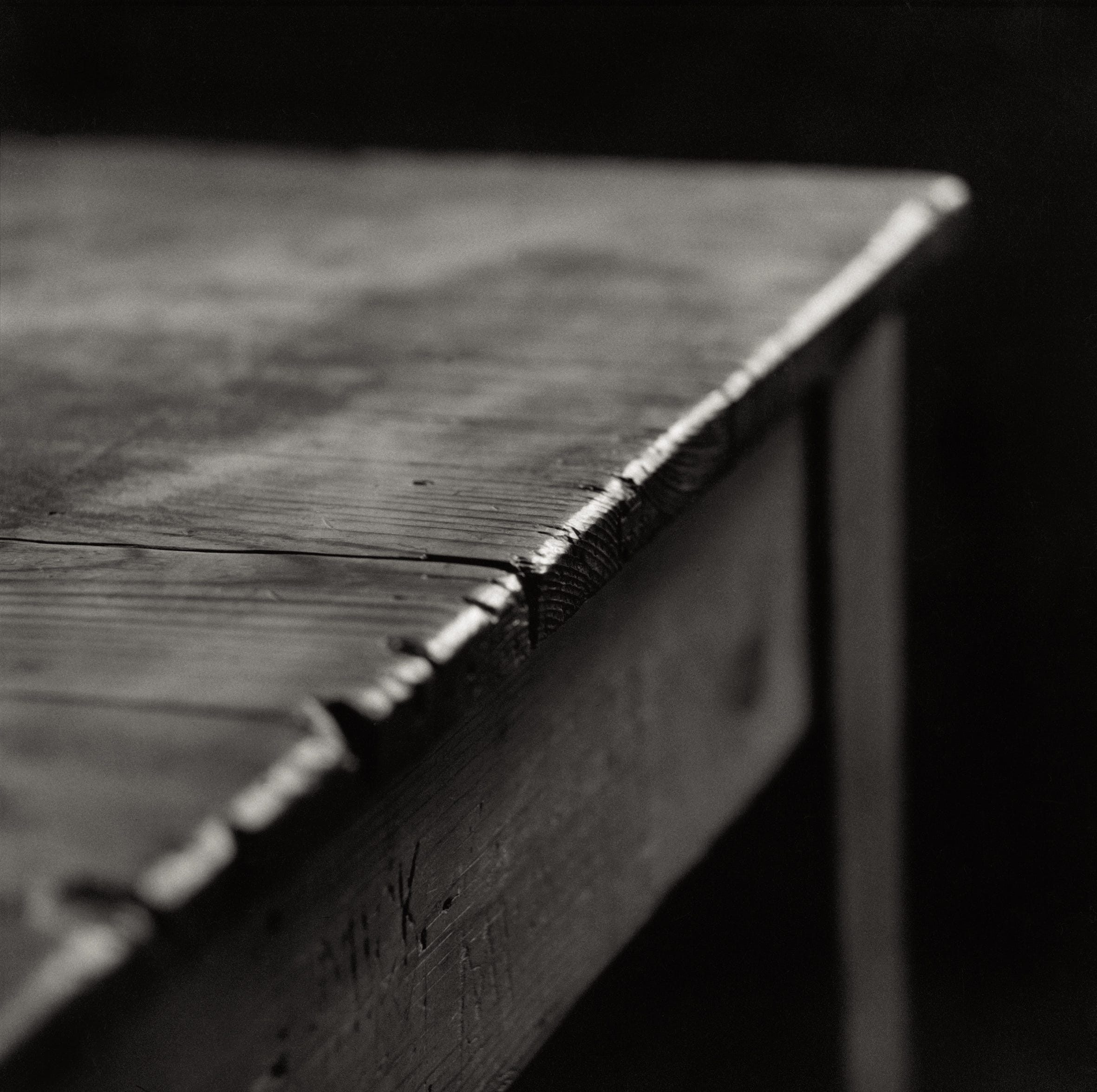
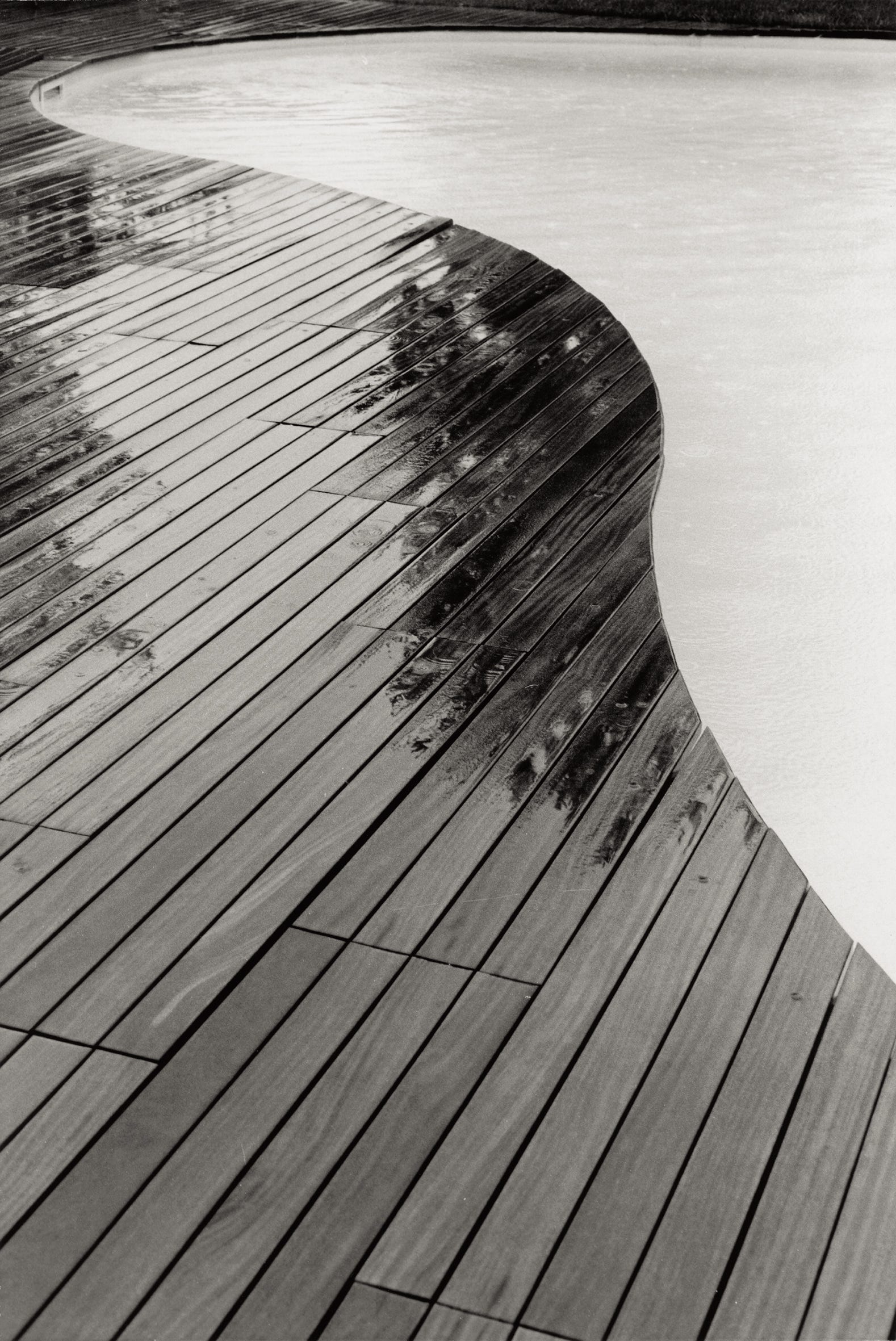
Give it a try, you can practice with your phone. Look around you now, is there anything that you can isolate and change the way it looks? Let me know what you think and tell me if you already do this.
If you find my articles interesting or useful, please spread the word to anyone you can think of who would be interested.
If you have enjoyed this post and the information here and elsewhere on my Substack and you would like to support me, you can subscribe or just buy me a coffee at Ko-fi.com/andrewsandersonphotography You can send as little as £5.00, or more if you are feeling generous. This money goes towards materials used for the tests and printing for these articles. Alternatively you can be a paid subscriber.
Thank you for reading, please let me know your thoughts.
Andrew Sanderson June 2026.
Other places to see my work;
Instagram; http://instagram.com/andrewsandersonphotography
Original hand made darkroom prints are available from my online shop; www.andrewsandersonphotography.bigcartel.com
I also offer one to one workshops at my darkroom/studio in West Yorkshire, UK. If you are interested please email me at sandyjottings@icloud.com
the photo from luz and soren collaboration is part of a global film swap where we managed to put together 26 people from 12 countries. some of the results were awesome! susanne put them all in a e-zine.
my favorite genre of photography