A photographer you should know: Frederick Sommer
Surrealist, or abstract artist?

I thought it was about time I interspersed my articles on technique with the occasional feature on a photographer that might have been under your radar. This week I wanted to talk about an artist that some of you may have heard about, but his name is not normally mentioned when people list their favourite photographers. He is certainly one of mine though: his name is Frederick Sommer.
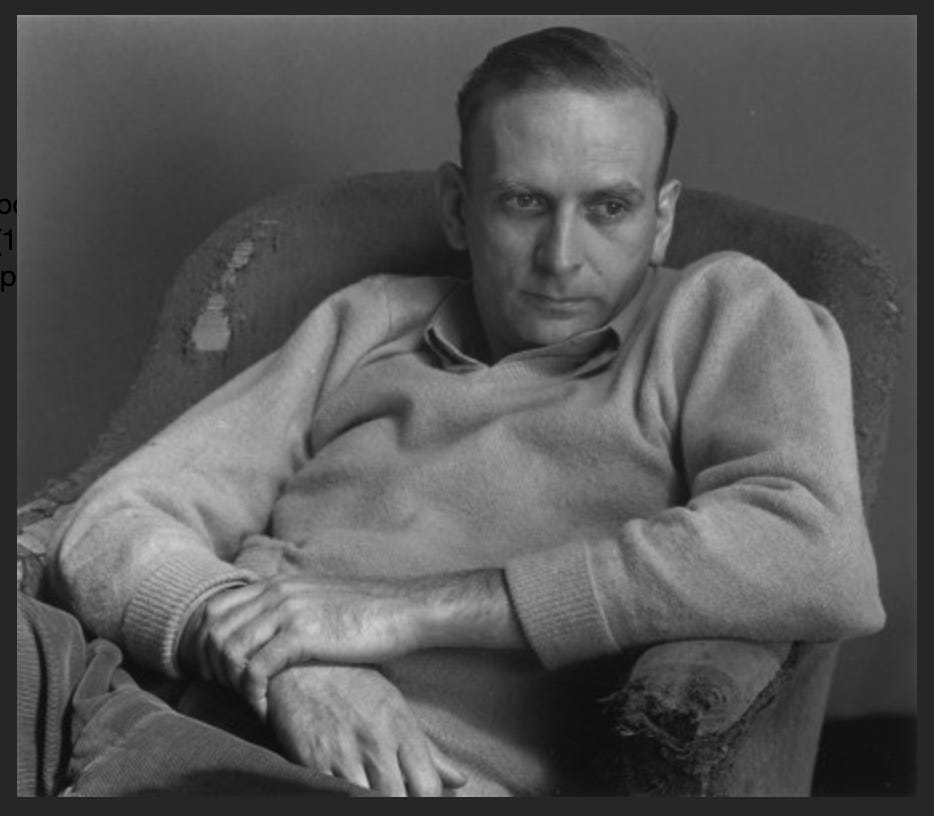
A brief history: He was born in 1905 in Italy, then moved to Brazil at the age of 8. As a young adult he worked in the architecture of garden design and made a successful early career out of it. At the age of 20 he visited the United States and worked there for a few years before becoming ill with Tuberculosis at 25.
During his recuperation he experimented with photography, but the turning point came four years later when he saw the work of Edward Weston. By 1936 he had met Weston and Alfred Stieglitz and in 1938 bought himself a 10x8 Century Universal view-camera and began photographing.
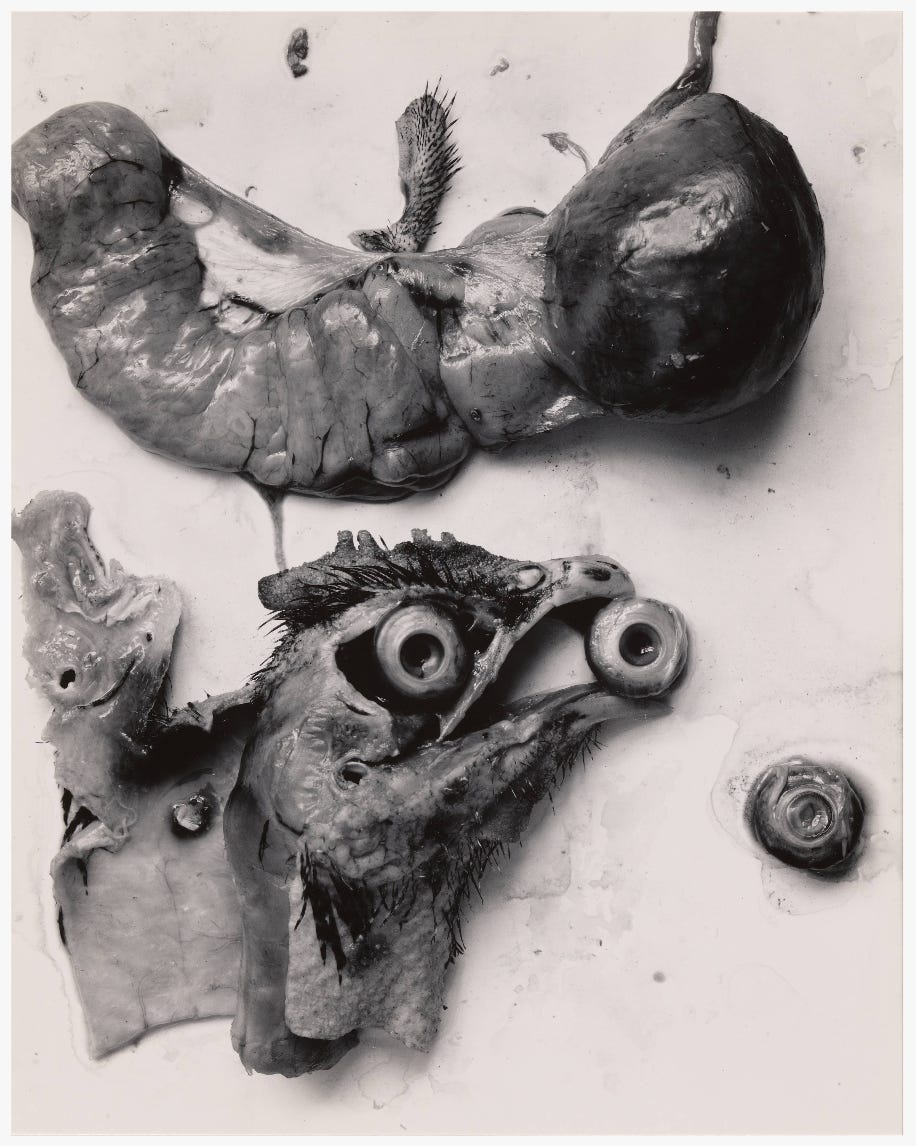
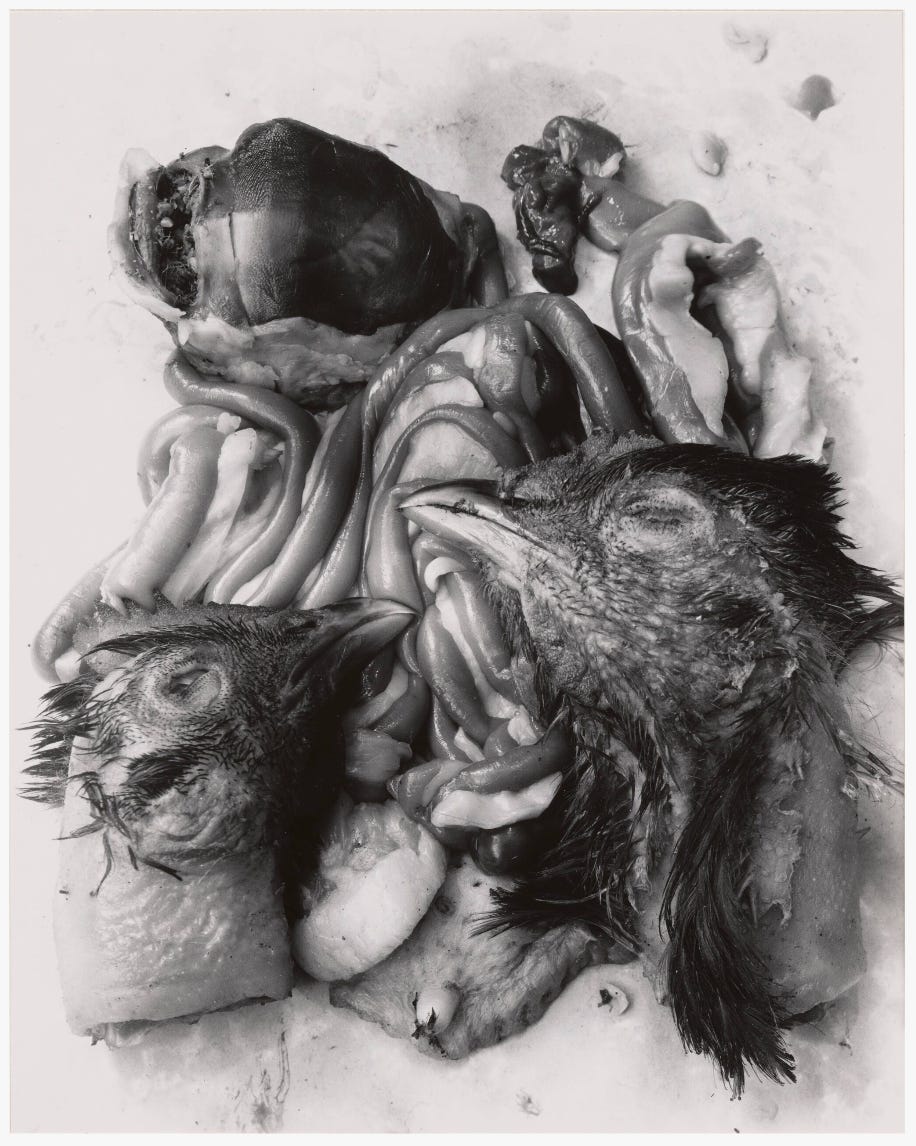
Amongst his earliest work are some still life arrangements of chicken giblets in 1939 which some people might find a little uncomfortable to look at, but these pictures are not created for shock value. Neither are they purely anatomical studies, they are simply the arrangements of shapes and tones. Sommer knew instinctively that this was what black and white photography was about and he used this approach throughout.
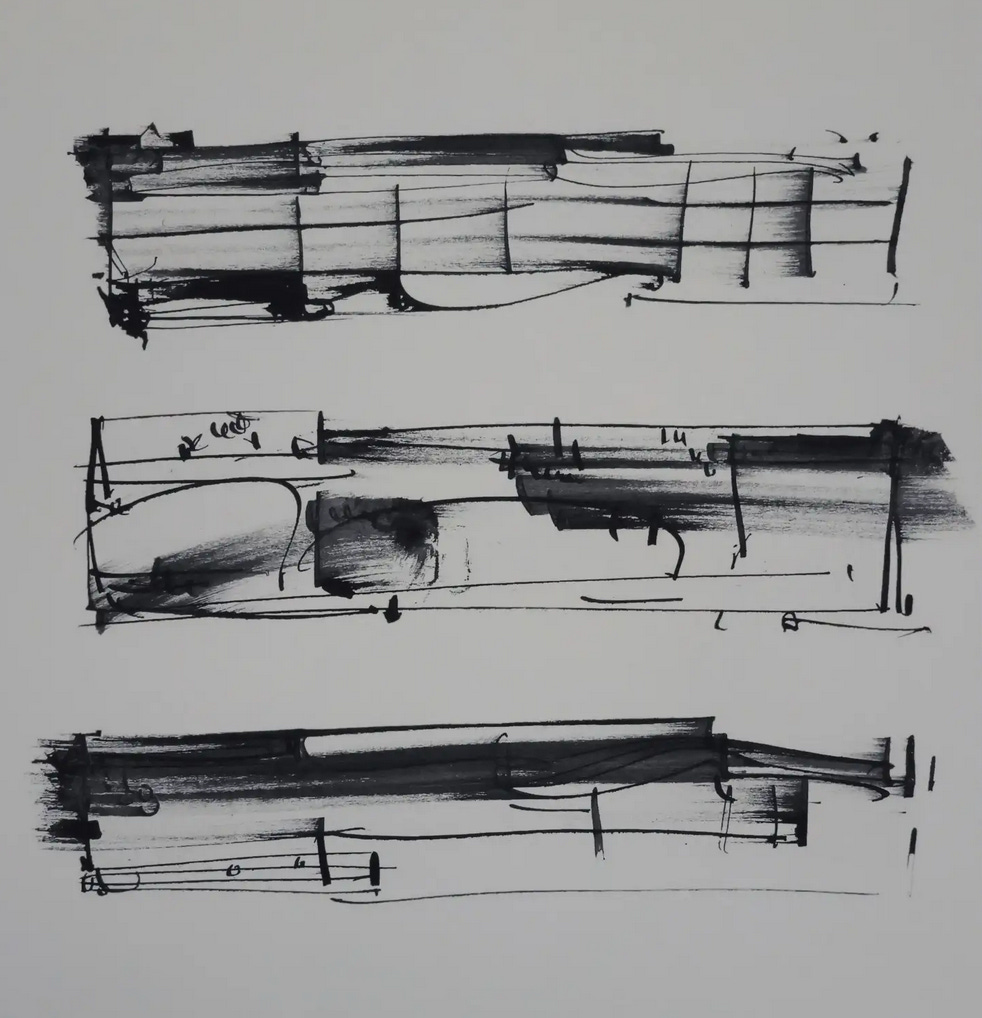
He worked as a photographer between 1938 and 1988, but he also drew, painted and wrote poetry all his life. He also drew out musical scores, not as a musician, but purely because he loved the shapes it made. He even had his musical scores performed and they are available on a CD with an accompanying book: https://www.klinebooks.com/pages/books/51425/frederick-sommer/the-music-of-frederick-sommer-performed-by-stephen-aldrich-walton-mendelson
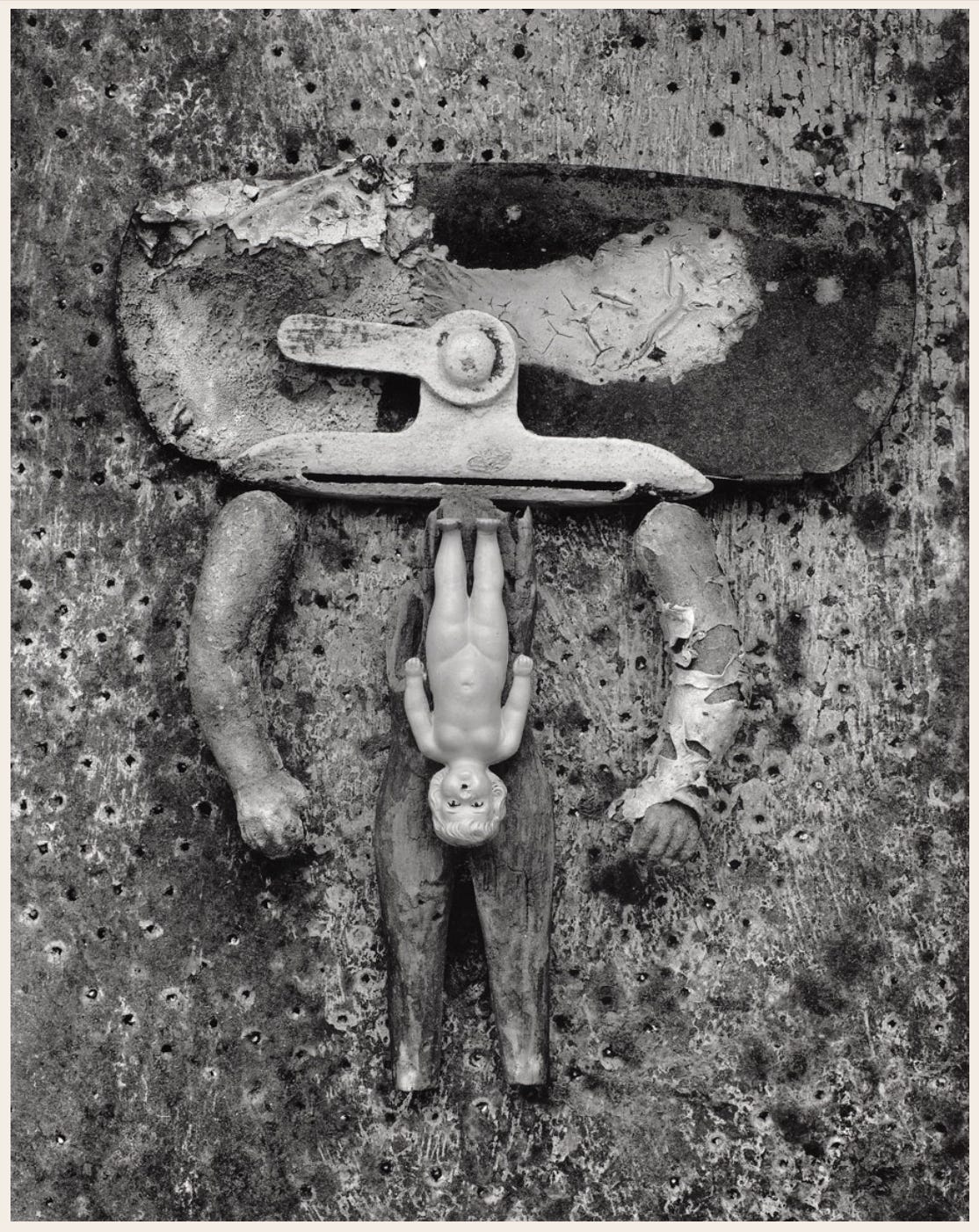
As a photographer he produced some really interesting images, and I have been fascinated by his work since I first saw it in books in the mid 80’s. Everything is high quality, as you would expect from 10x8 inch negatives, and his subject matter is different from his contemporaries. The majority of images that I have seen by him have been still life arrangements, incorporating collage, maps and found ephemera. He also employed double exposure or layering negatives occasionally. In another series he paints onto film and prints from that.
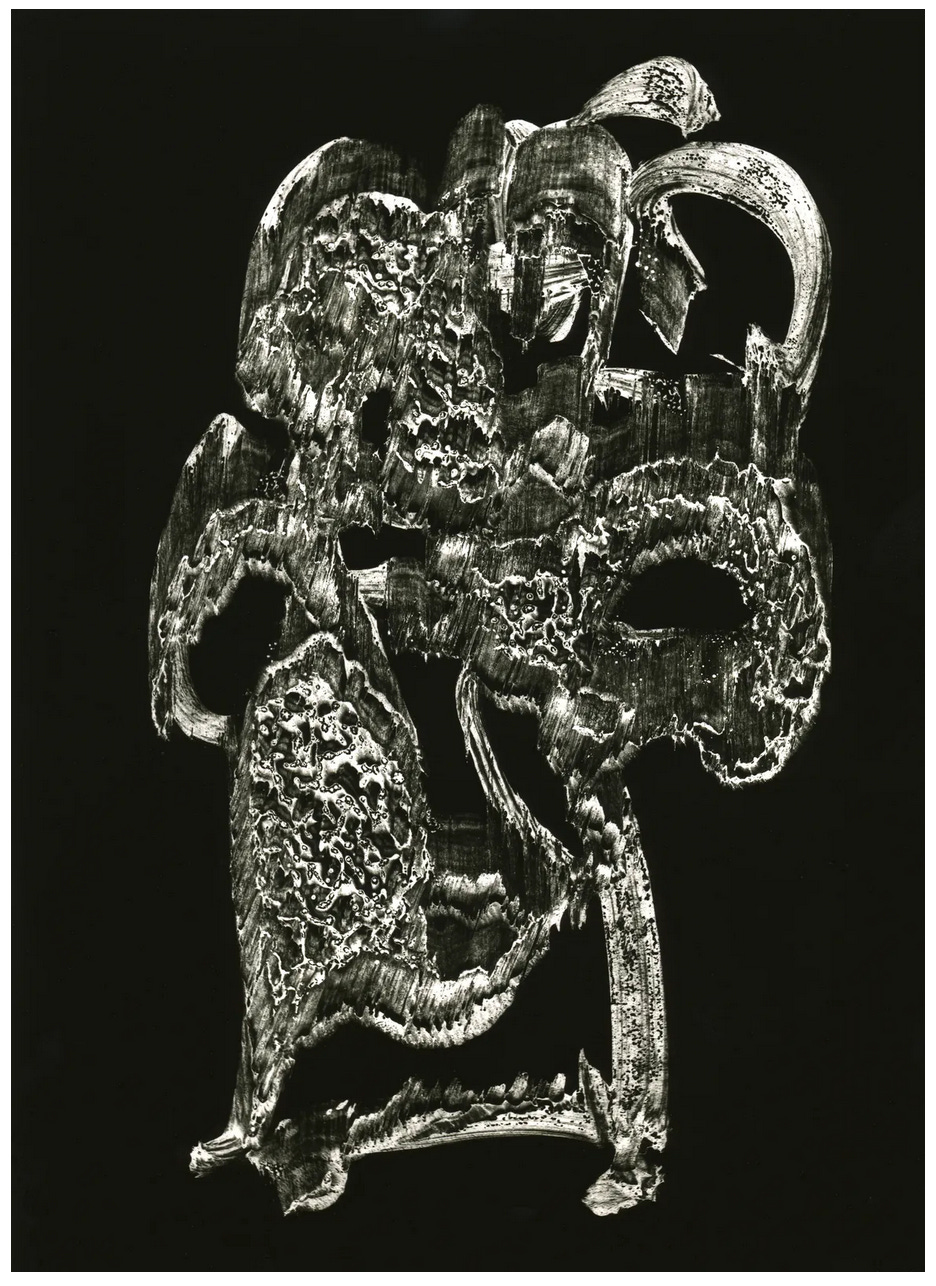
“Sommer’s work allows for a deeper exploration of the potential of photography as a medium and, at the same time, demonstrate that it cannot be understood solely in the photographic terms established by his contemporaries”. From the book Frederick Sommer, A World of Bonds, by Hazel Donkin and Ian Walker.
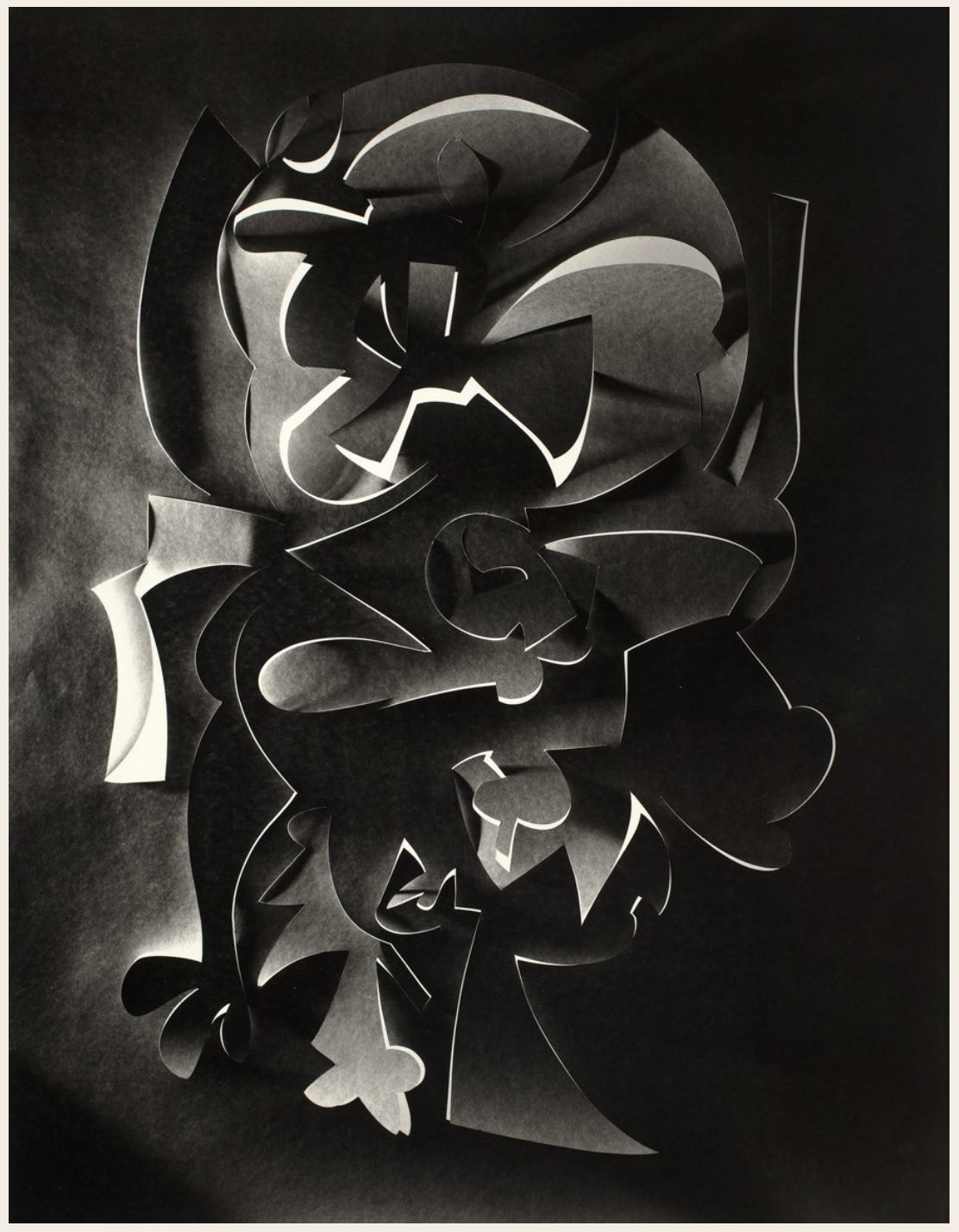
I think that in the cut paper work that he produced, he showed that photography could be both representative and abstract at the same time. Perhaps abstraction is the thing that runs through all of his work to varying degrees.
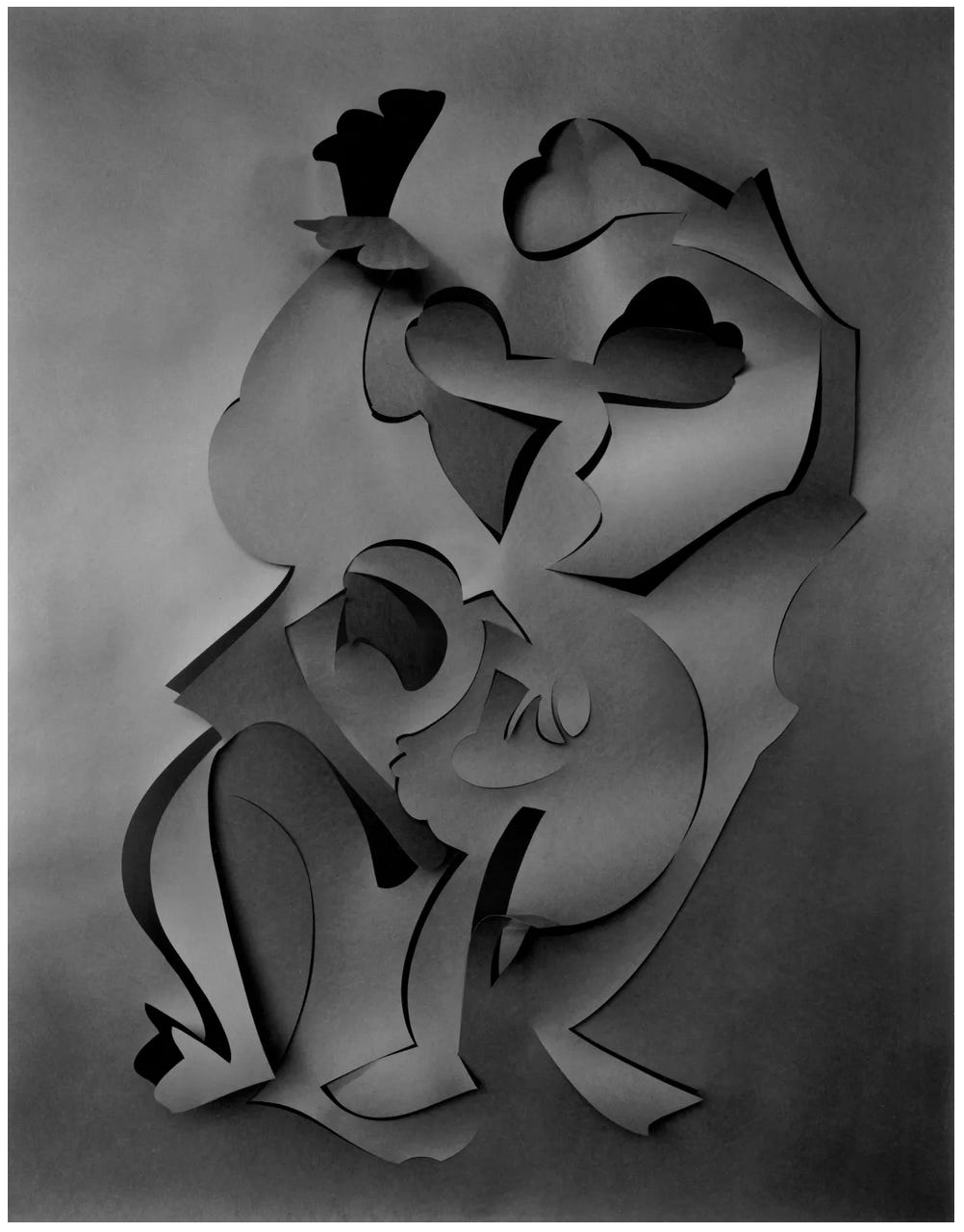
Peter Bunnell, Curator Emeritus of the Princeton Art Museum, wrote:
“Frederick Sommer was one of the most important photographic artists of the last half of the twentieth century.
“In the Cut Paper images, begun in 1962, his ideas come together in one complicated and extended gesture of spirit and hand—from conceptualisation to making the paper labyrinth, to lighting and photographing, and finally, to printing and processing. . .
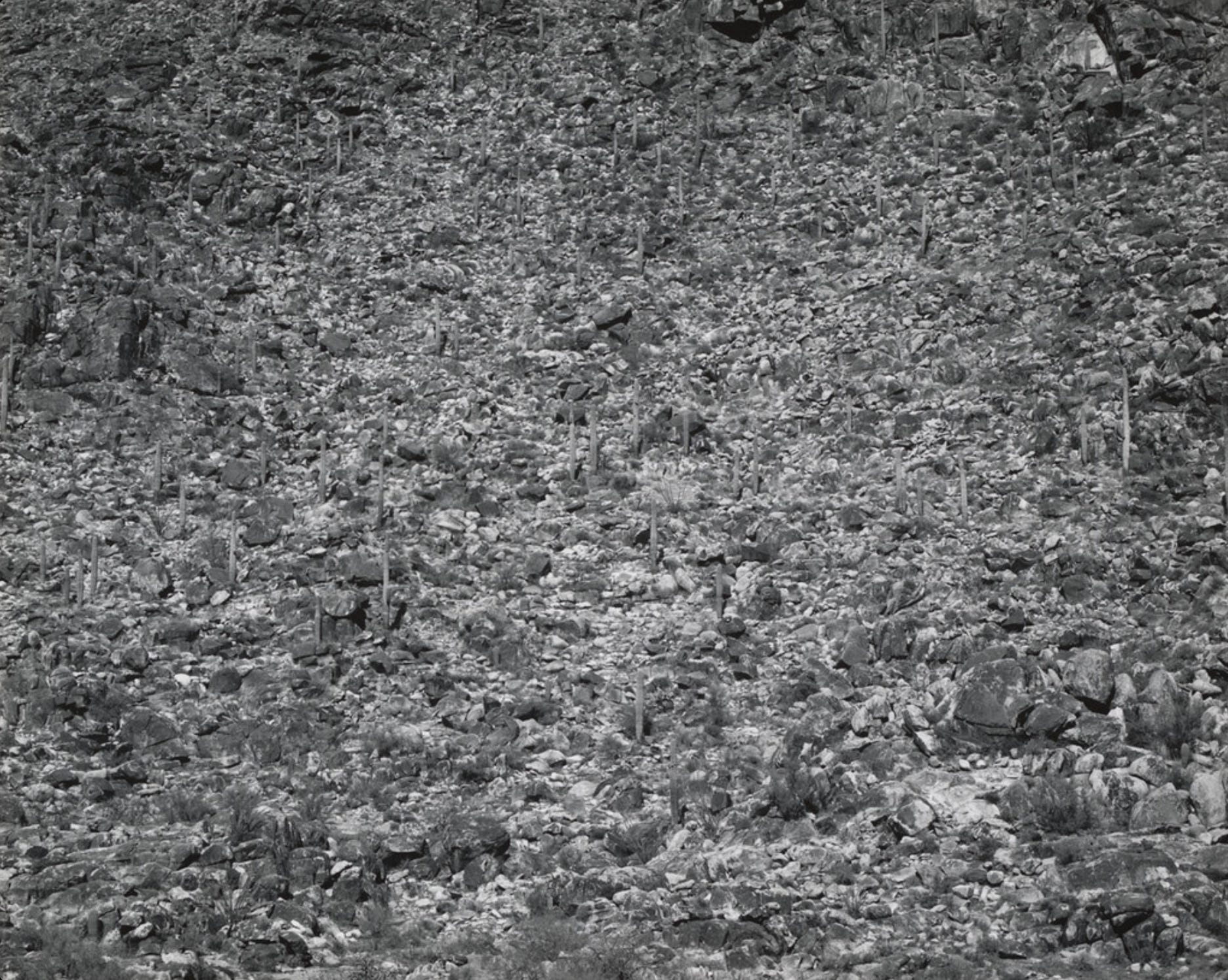
Even in landscape photography he presented his subject matter in terms of abstraction or pure composition. The most abstract scenes are dense, detailed images of vegetation with no skyline or reference point.
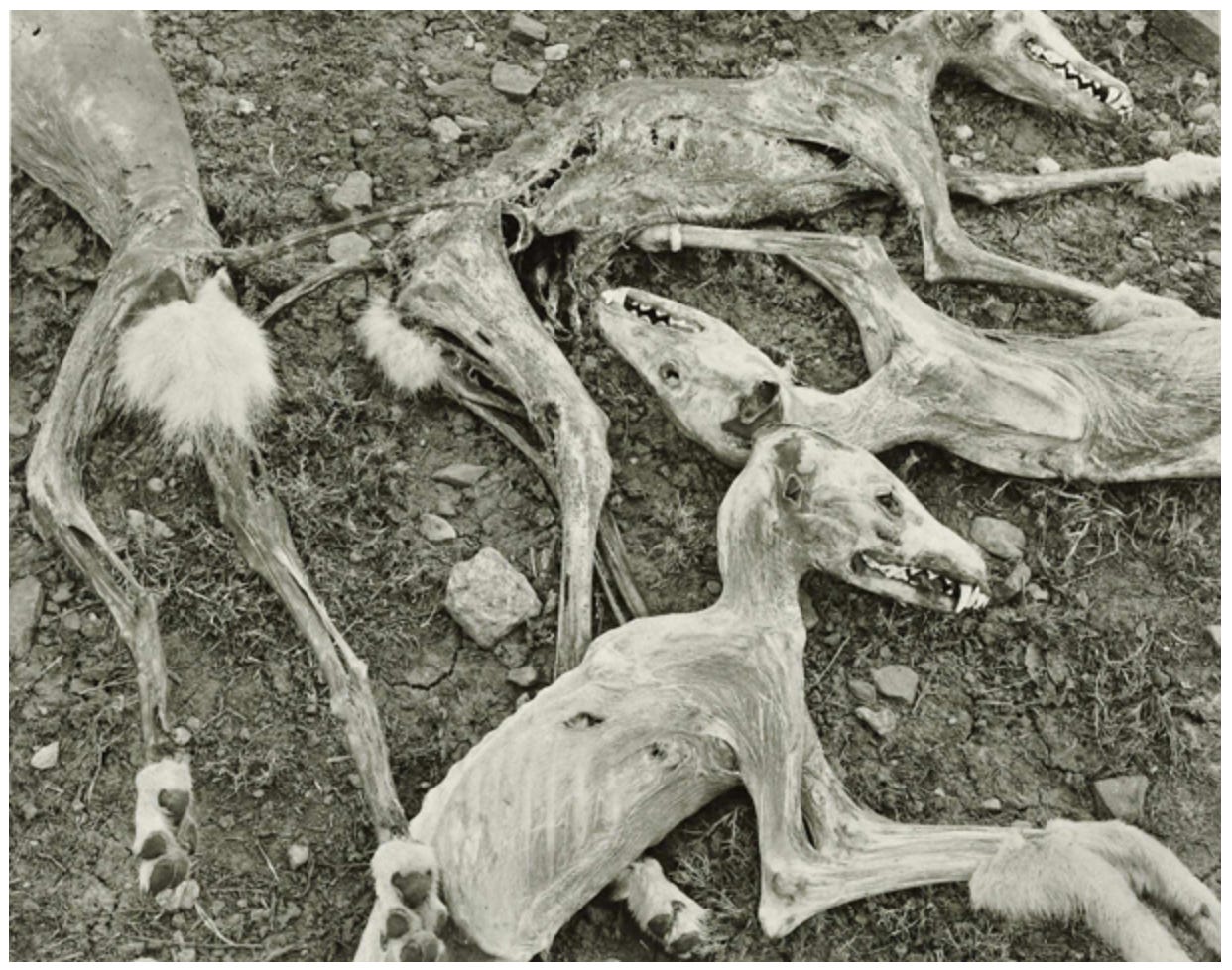
In this image of mummified Coyotes in the desert from 1945 the grotesque is presented as an exercise in composition and tonality.
If you own any books on the history of photography, you may find an image or two by him, though as I say, his name hardly ever comes up when the ‘greats’ are mentioned. I think this is unfair, his technical ability was excellent and his artistic vision was way ahead of the crowd.
If you find my articles interesting or useful, please spread the word to anyone you can think of who would be interested.
If you have enjoyed this post and the information here and elsewhere on my Substack and you would like to support me, you can subscribe or just buy me a coffee at Ko-fi.com/andrewsandersonphotography You can send as little as £5.00, or more if you are feeling generous. This money goes towards materials used for the tests and printing for these articles. Alternatively you can be a paid subscriber.
Thank you for reading, please let me know your thoughts.
Andrew Sanderson March 2026.
Other places to see my work;
Instagram; http://instagram.com/andrewsandersonphotography
Facebook; https://www.facebook.com/andrew.sanderson.96155/
Original hand made darkroom prints are available from my online shop; www.andrewsandersonphotography.bigcartel.com
I also offer one to one workshops at my darkroom/studio in West Yorkshire, UK. If you are interested please email me at andrewsandersonphoto@gmail.com
Fascinating
Fascinating introduction to a photographer I certainly wasn't aware of. Such interesting and unusual work, too - broadening one's sense of what photography can be about. Thanks for your article.